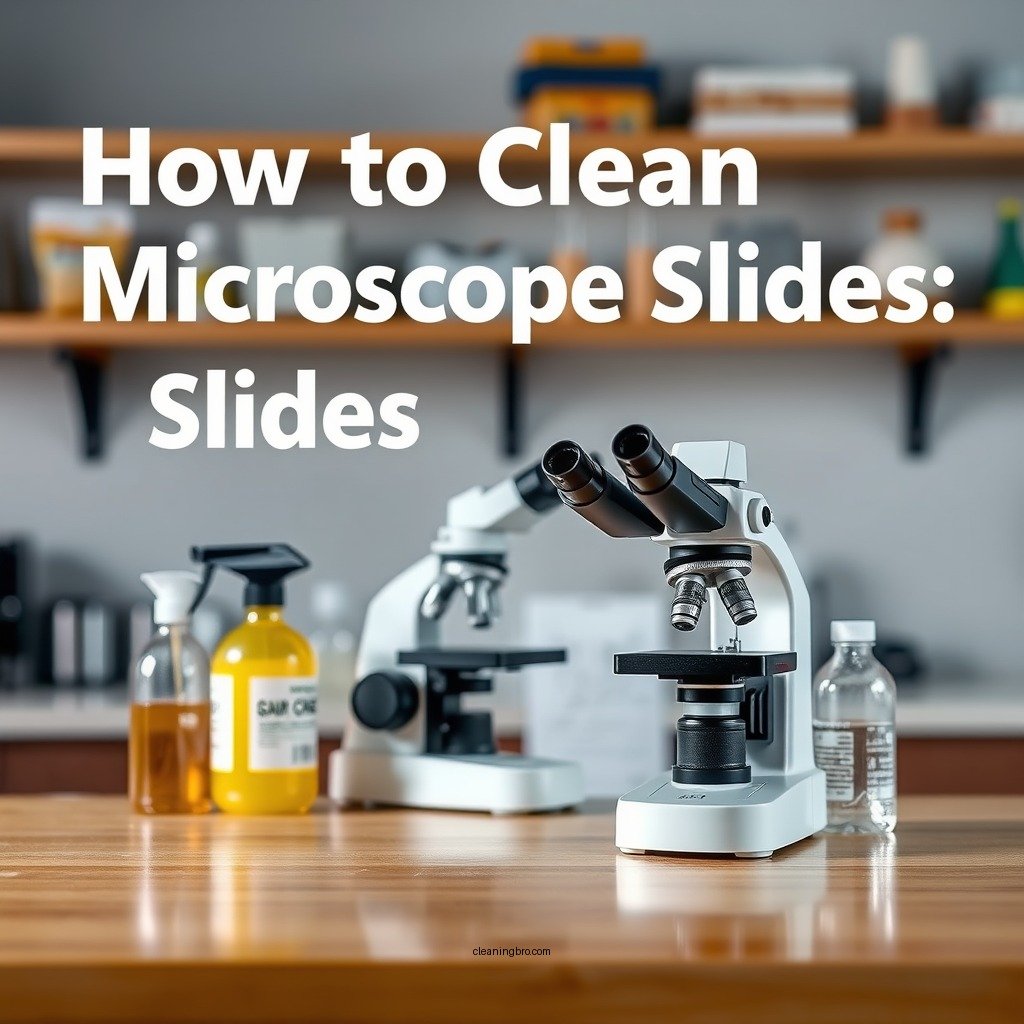
How to Clean Microscope Slides: A Step-by-Step Guide
Cleaning microscope slides is essential for ensuring clear and accurate observations under the microscope. Proper cleaning not only enhances the quality of your specimens but also extends the lifespan of the slides themselves. This guide will provide you with effective methods for cleaning microscope slides, utilizing the appropriate cleaning solutions and techniques to prevent damage and contamination.
Understanding the Importance of Clean Microscope Slides
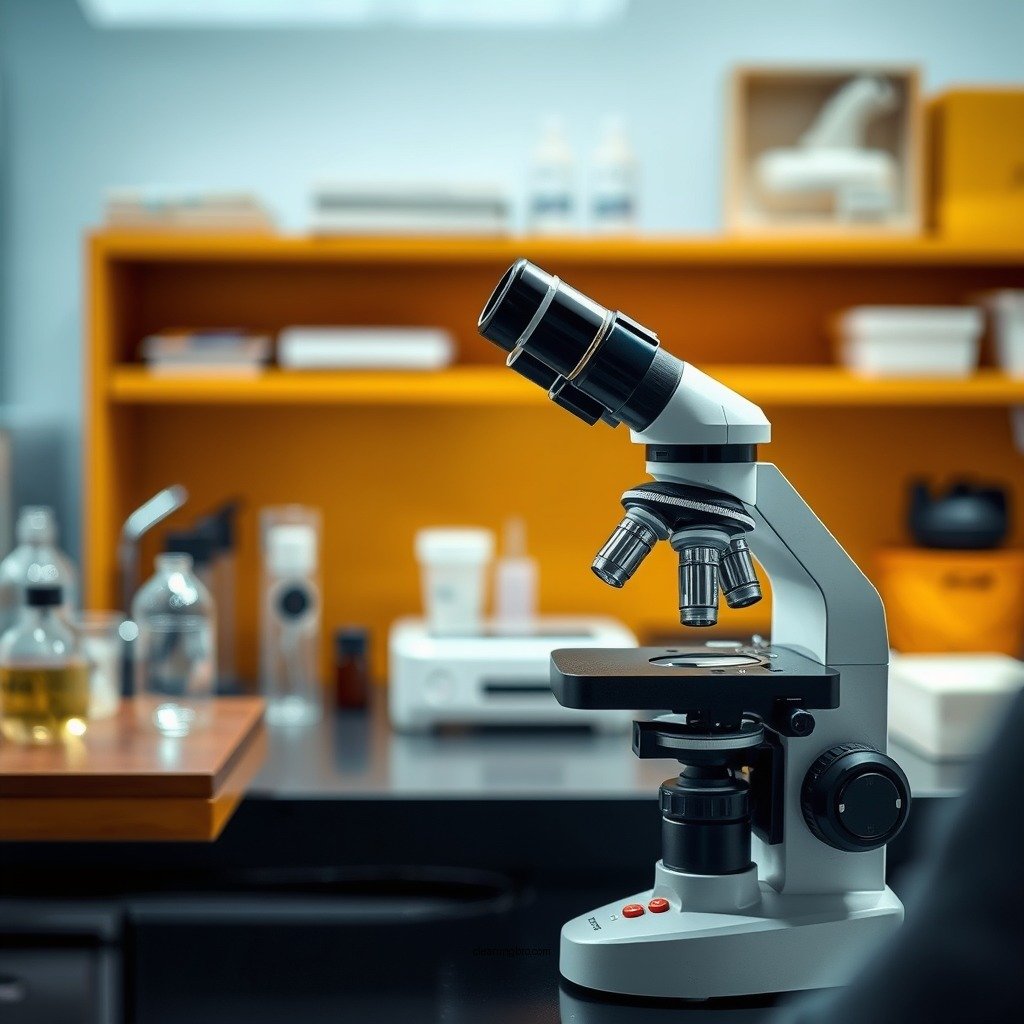
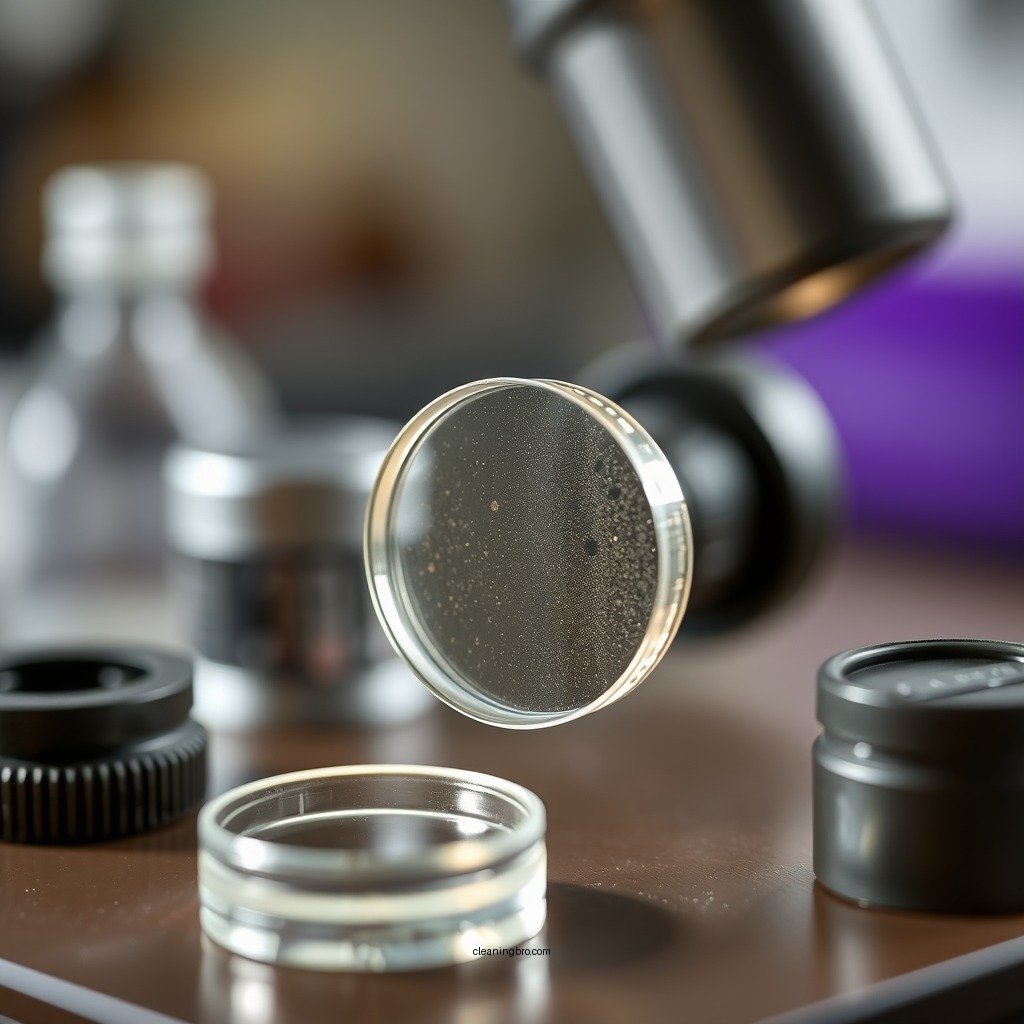
Clean slides are crucial for achieving accurate results in microscopy. When slides are contaminated with dust, oils, or residues from previous samples, they can obscure the view of the specimen, leading to misinterpretations or flawed conclusions. Contaminated slides can introduce artifacts that mimic real features of the specimen, creating confusion and potentially misleading findings. Additionally, a dirty slide may result in the need for repeat observations, wasting valuable time and resources.
Residue on slides can also significantly impact the clarity of the specimen under observation. For example, biological samples may reveal intricate structures that are only visible when observed through a clean slide. This is particularly important in fields such as histology, microbiology, and materials science, where precise observations can lead to groundbreaking discoveries or advancements in research.
Materials Needed for Cleaning Microscope Slides
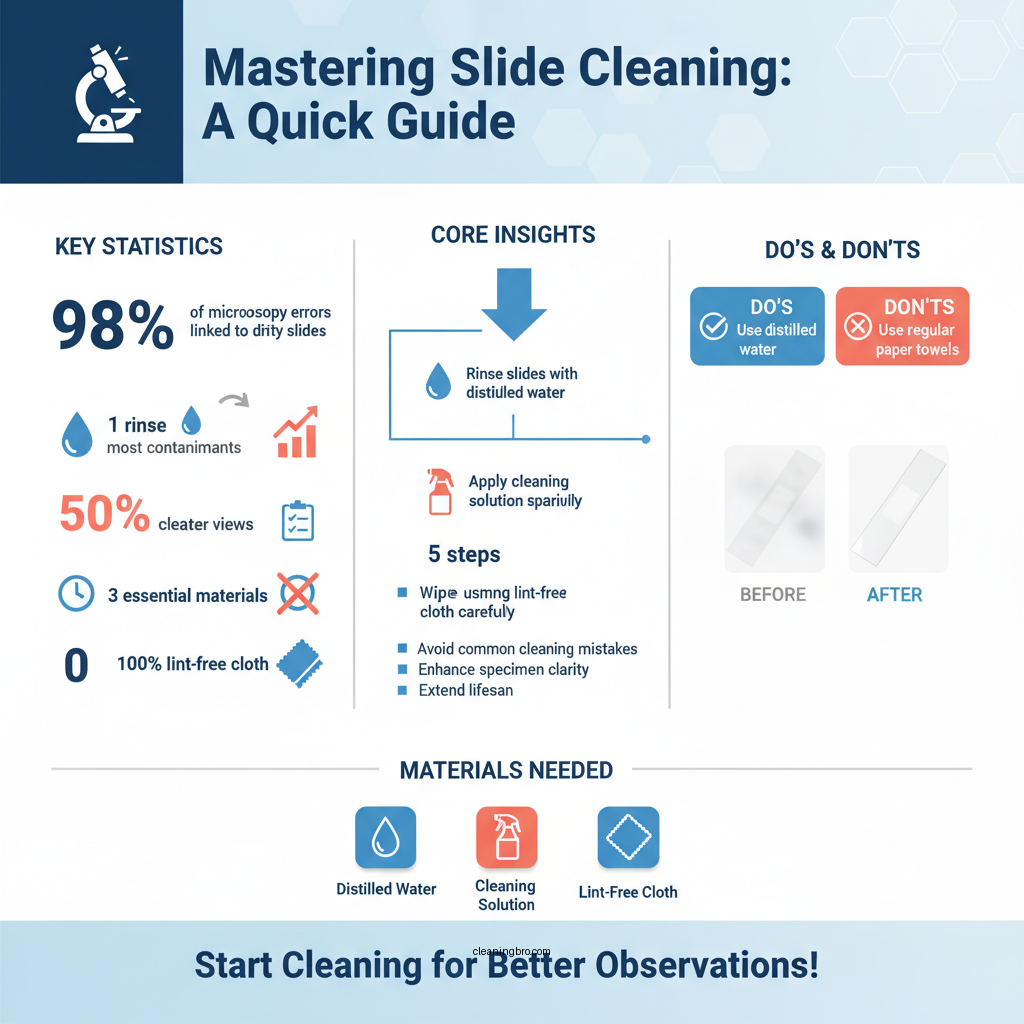
To effectively clean microscope slides, you will need the following materials:
– Distilled Water: Using distilled water is critical as it is free from impurities and minerals that can leave streaks or deposits on the glass surface.
– Cleaning Solutions: Use a cleaning solution specifically designed for glass or microscope slides. Solutions like ethanol or isopropyl alcohol can work effectively, provided they are used in moderation.
– Lint-Free Cloth or Lens Cleaning Paper: It is essential to use lint-free materials to avoid scratching the slides or leaving fibers behind. Regular paper towels or cloths may leave residue or scratches.
Step-by-Step Cleaning Process
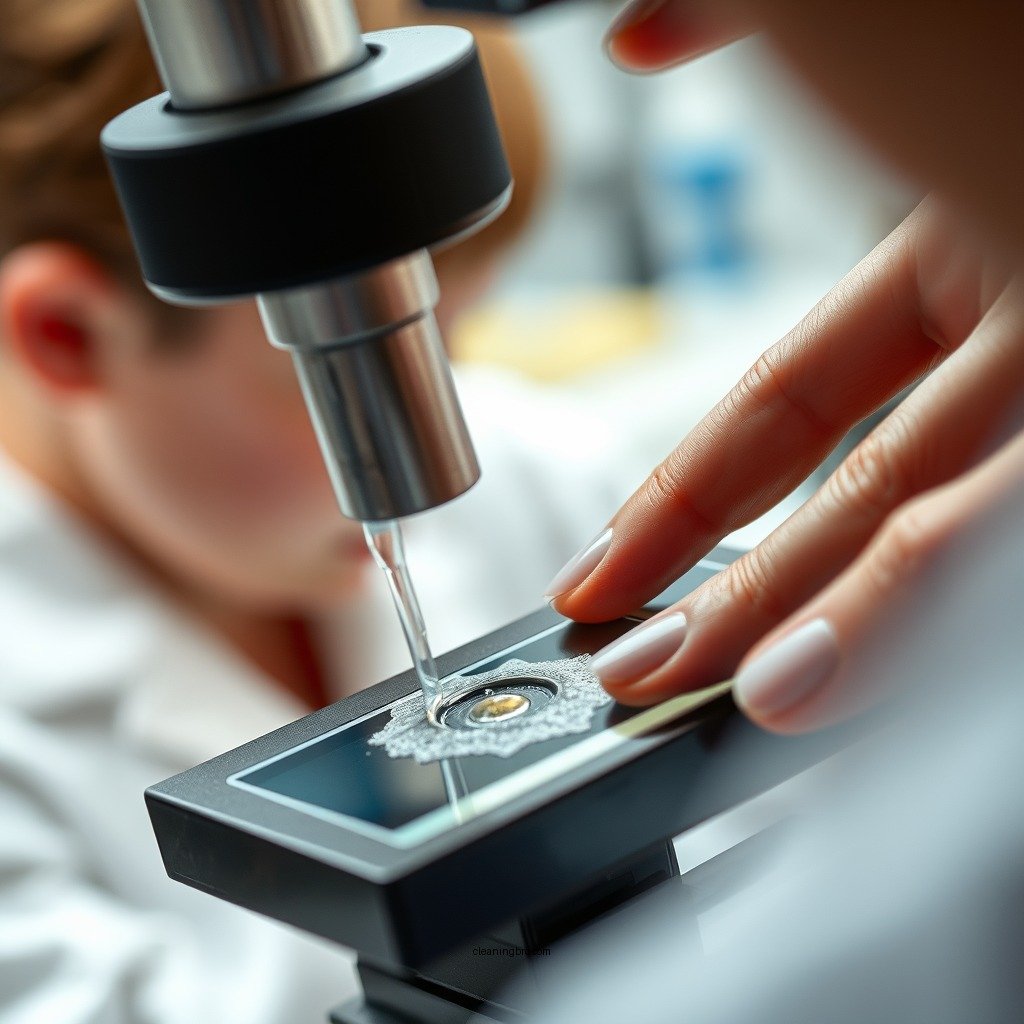
Cleaning microscope slides requires a careful approach to ensure that they remain in optimal condition. Follow these steps for effective cleaning:
1. Rinse the Slide: Start by rinsing the slide with distilled water to remove any loose debris or contaminants. This step is crucial as it prepares the surface for deeper cleaning.
2. Apply Cleaning Solution: Next, apply a small amount of your chosen cleaning solution to the surface of the slide. Avoid saturating the slide to prevent excessive runoff.
3. Gently Wipe: Using a lint-free cloth or lens cleaning paper, gently wipe the surface of the slide in a circular motion. Be cautious not to apply too much pressure, as this can scratch the glass.
4. Final Rinse: After cleaning, rinse the slide again with distilled water to remove any remaining cleaning solution. This ensures that no residues are left behind that could interfere with future observations.
5. Drying: Allow the slide to air dry on a clean, flat surface or use a lint-free cloth to pat it dry gently. Avoid using heat sources, as this may warp or damage the slide.
Top 7 Cleaning Solutions for Microscope Slides
| # | Cleaning Solution | Type | Effectiveness | Cost |
|---|---|---|---|---|
| 1 | Ethanol | Alcohol | Highly Effective | $10/L |
| 2 | Isopropyl Alcohol | Alcohol | Highly Effective | $8/L |
| 3 | Lens Cleaning Solution | Liquid | Effective | $15/500mL |
| 4 | Dish Soap Solution | Liquid | Moderately Effective | $5/L |
| 5 | Acetone | Solvent | Less Effective | $12/L |
| 6 | Vinegar Solution | Liquid | Effective | $3/L |
| 7 | Commercial Glass Cleaner | Aerosol | Moderately Effective | $10/500mL |
Tips for Handling Slides During Cleaning
When cleaning microscope slides, proper handling is crucial to avoid contamination and damage. Here are some tips to ensure safe handling:
– Hold by the Edges: Always grasp the slides by their edges to prevent fingerprints from smudging the surface. This practice minimizes the risk of transferring oils from your fingers, which can interfere with observations.
– Use Gloves: Wearing gloves while handling slides is highly recommended. This precaution further protects the slides from oils and dirt that can be inadvertently transferred during the cleaning process.
– Clean Work Area: Ensure that your cleaning area is free from dust and other contaminants. A clean environment will help maintain the integrity of your slides and the quality of your observations.
Best Practices for Storing Cleaned Slides
After cleaning your slides, proper storage is vital to maintain their clarity and prevent damage. Here are some best practices for slide storage:
– Store in a Dry Area: Place cleaned slides in a clean, dry area away from direct sunlight. Exposure to light and moisture can degrade the quality of the glass over time.
– Use Slide Boxes or Cases: Investing in slide boxes or protective cases can help shield slides from dust, scratches, and physical damage. These containers also make it easier to organize and access your slides when needed.
– Label Slides: Consider labeling your slides with relevant information such as the date of cleaning or the specimen contained. This practice can help you keep track of your slides and ensure that they are used appropriately.
Common Mistakes to Avoid
While cleaning microscope slides may seem straightforward, there are common mistakes that should be avoided to ensure optimal results:
– Avoid Abrasive Materials: Using abrasive cleaning materials, such as rough cloths or scrubbing pads, can scratch the glass surface of the slides, affecting their optical clarity.
– Do Not Overuse Cleaning Solutions: Leaving cleaning solutions on the slide for too long can lead to etching or damage to the glass. Always follow the recommended usage instructions for any cleaning product you use.
– Neglecting to Rinse: Failing to rinse the slides thoroughly after applying cleaning solutions can leave residues that may interfere with microscopic observations. Always ensure that slides are rinsed with distilled water after cleaning.
Cleaning Techniques: Manual vs Automated vs Ultrasonic
| Feature | ⭐ Manual | Automated | Ultrasonic |
|---|---|---|---|
| Ease of Use | ✅ Simple | ✅ User-friendly | ✅ Requires training |
| Cost | Low | Medium | High |
| Time Required | Moderate | Low | Very Low |
| Cleaning Thoroughness | Good | Excellent | Outstanding |
| Skill Required | Low | Low | High |
| Risk of Damage | Low | Medium | High |
| Cleaning Frequency | Regular | Infrequent | Occasional |
| Flexibility | High | Medium | Low |
| Portability | High | Medium | Low |
| 🏆 Best For | Budget-conscious users | High-throughput labs | Precision cleaning |
Additional Resources for Microscope Maintenance
For those seeking further guidance on cleaning and maintaining microscope slides, several resources are available:
– Manufacturer Guidelines: Always refer to the manufacturer’s instructions for specific recommendations on cleaning and maintenance. These guidelines can provide critical insights into maintaining your microscope and its accessories over time.
– Online Tutorials and Videos: There are numerous online resources, such as YouTube tutorials, that offer visual demonstrations of cleaning techniques. These can be particularly helpful for beginners who prefer a more hands-on approach.
– Scientific Journals and Articles: For advanced users, reading scientific articles related to microscopy can provide insights into best practices and innovations in slide preparation and cleaning.
By following these steps, you can ensure that your microscope slides remain clean and effective for your studies. Regular maintenance will enhance your microscopy experience and lead to better results in your observations. Start cleaning your slides today for optimal performance!
Frequently Asked Questions
What is the best method to clean microscope slides?
The best method to clean microscope slides involves using a solution of mild detergent and warm water. After soaking the slides for a few minutes, use a soft cloth or sponge to gently scrub the surface, then rinse with distilled water to avoid mineral deposits. Finally, allow the slides to air dry on a clean, lint-free cloth to prevent scratches.
How can I remove stubborn stains from microscope slides?
To remove stubborn stains from microscope slides, you can use a 70% isopropyl alcohol solution or a laboratory-grade glass cleaner. Apply the solution to a soft cloth and gently rub the stained area. For tough residues, soaking the slide in the solution for a few minutes before wiping can effectively lift the stains without damaging the glass.
Why is it important to properly clean microscope slides?
Properly cleaning microscope slides is essential to ensure clear visibility and accurate observations under the microscope. Residue, dust, or stains can obscure the specimen, leading to misinterpretation of results. Additionally, maintaining clean slides helps prolong the life of the microscope and prevents contamination between samples.
Which cleaning materials are safe for microscope slides?
Safe cleaning materials for microscope slides include distilled water, mild detergents, and isopropyl alcohol. Avoid using abrasive materials or harsh chemicals, as these can scratch or damage the glass surface. Using lint-free cloths or microfiber towels is recommended to prevent any fibers from sticking to the slides during cleaning.
How often should microscope slides be cleaned?
Microscope slides should be cleaned after each use to maintain optimal performance and prevent cross-contamination of samples. If slides are used frequently or stored for extended periods, a thorough cleaning is recommended before reusing them. Regular maintenance ensures that your slides remain in excellent condition for precise microscopy work.
References
- https://www.ncbi.nlm.nih.gov/pmc/articles/PMC3260318/
https://www.ncbi.nlm.nih.gov/pmc/articles/PMC3260318/ - https://www.ncbi.nlm.nih.gov/pmc/articles/PMC4761486/
https://www.ncbi.nlm.nih.gov/pmc/articles/PMC4761486/ - https://www.sciencedirect.com/science/article/pii/S001448270600130X
https://www.sciencedirect.com/science/article/pii/S001448270600130X - https://www.britannica.com/science/microscope
https://www.britannica.com/science/microscope - https://www.wikiwand.com/en/Microscope
https://www.wikiwand.com/en/Microscope - https://www.cdc.gov/niosh/docs/2007-118/pdfs/2007-118.pdf
https://www.cdc.gov/niosh/docs/2007-118/pdfs/2007-118.pdf - https://scholar.google.com/scholar?q=how+to+clean+microscope+slides Google Scholar
https://scholar.google.com/scholar?q=how+to+clean+microscope+slides - https://scholar.google.com/scholar?q=cleaning+microscope+slides+protocols Google Scholar
https://scholar.google.com/scholar?q=cleaning+microscope+slides+protocols - https://scholar.google.com/scholar?q=microscope+slide+cleaning+techniques Google Scholar
https://scholar.google.com/scholar?q=microscope+slide+cleaning+techniques - https://www.nature.com/articles/s41598-021-85943-6
https://www.nature.com/articles/s41598-021-85943-6