How to Clean Mold from a Leather Jacket: Step-by-Step Guide
Understanding Mold on Leather
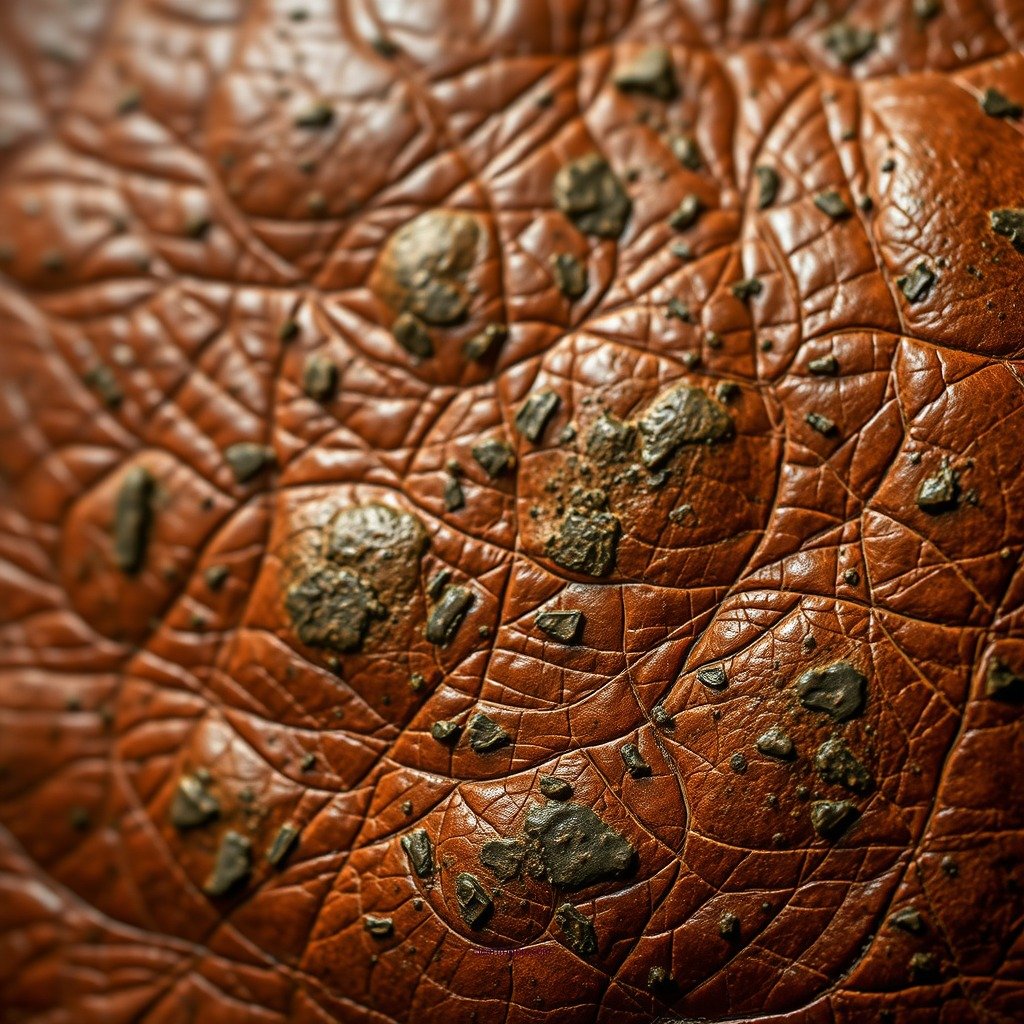
Mold thrives in damp, humid environments, making it critical to understand the conditions that promote its growth. Leather, being a porous material, can absorb moisture, which can lead to mold development if the jacket is stored improperly or not maintained adequately. Common sources of moisture that can lead to mold growth include high humidity levels, spills, or exposure to rain.
When mold spores land on leather, they can begin to feed on the natural oils and proteins present in the material, leading to unsightly stains and potential degradation. Consequently, it’s vital to act quickly upon noticing mold, as the longer it remains, the harder it becomes to remove and the more damage it can inflict.
Gathering the Right Supplies
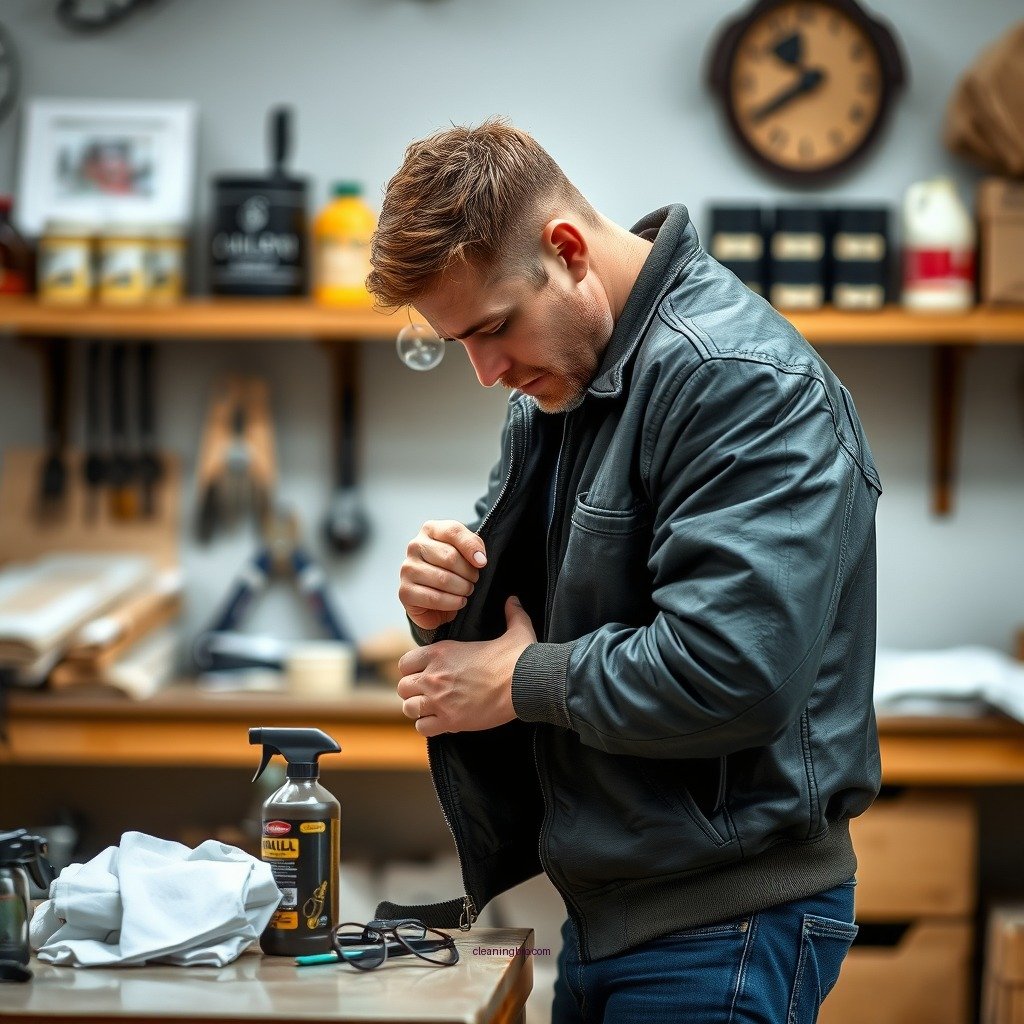
Before you begin the cleaning process, it’s essential to gather the necessary supplies to ensure safe and effective mold removal. Here’s what you will need:
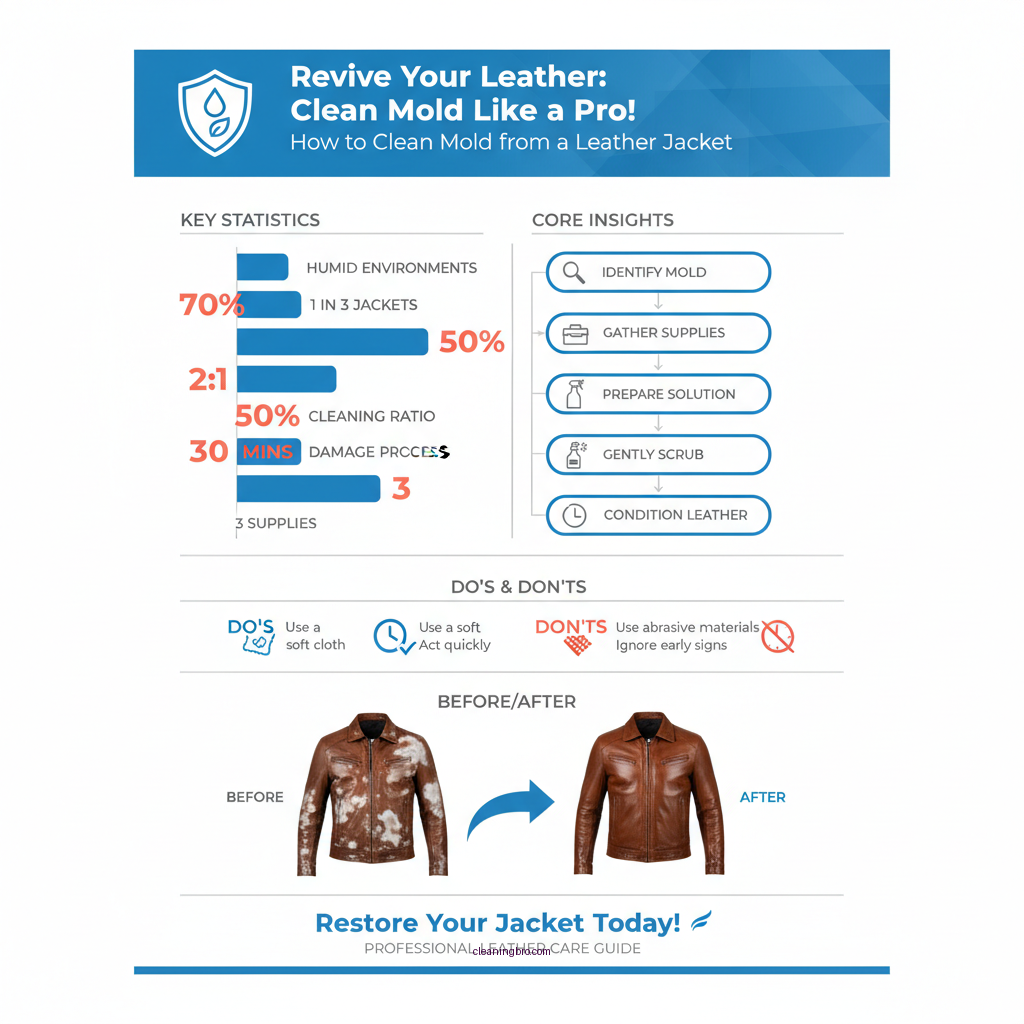
– Soft Brush or Cloth: Use a soft-bristled brush or a lint-free cloth to gently remove surface mold without scratching or damaging the leather. Avoid using abrasive materials as they can cause further harm.
– Cleaning Solution: Prepare a cleaning solution using equal parts water and either white vinegar or rubbing alcohol. Both substances have antifungal properties that can help eliminate mold without damaging the leather.
– Leather Conditioner: After cleaning, it’s crucial to apply a leather conditioner to restore moisture and suppleness to the jacket, as cleaning can strip the leather of its natural oils.
Summary of Supplies:
– Soft brush or cloth
– Cleaning solution (water and white vinegar or rubbing alcohol)
– Leather conditioner
Cleaning Process: Step-by-Step
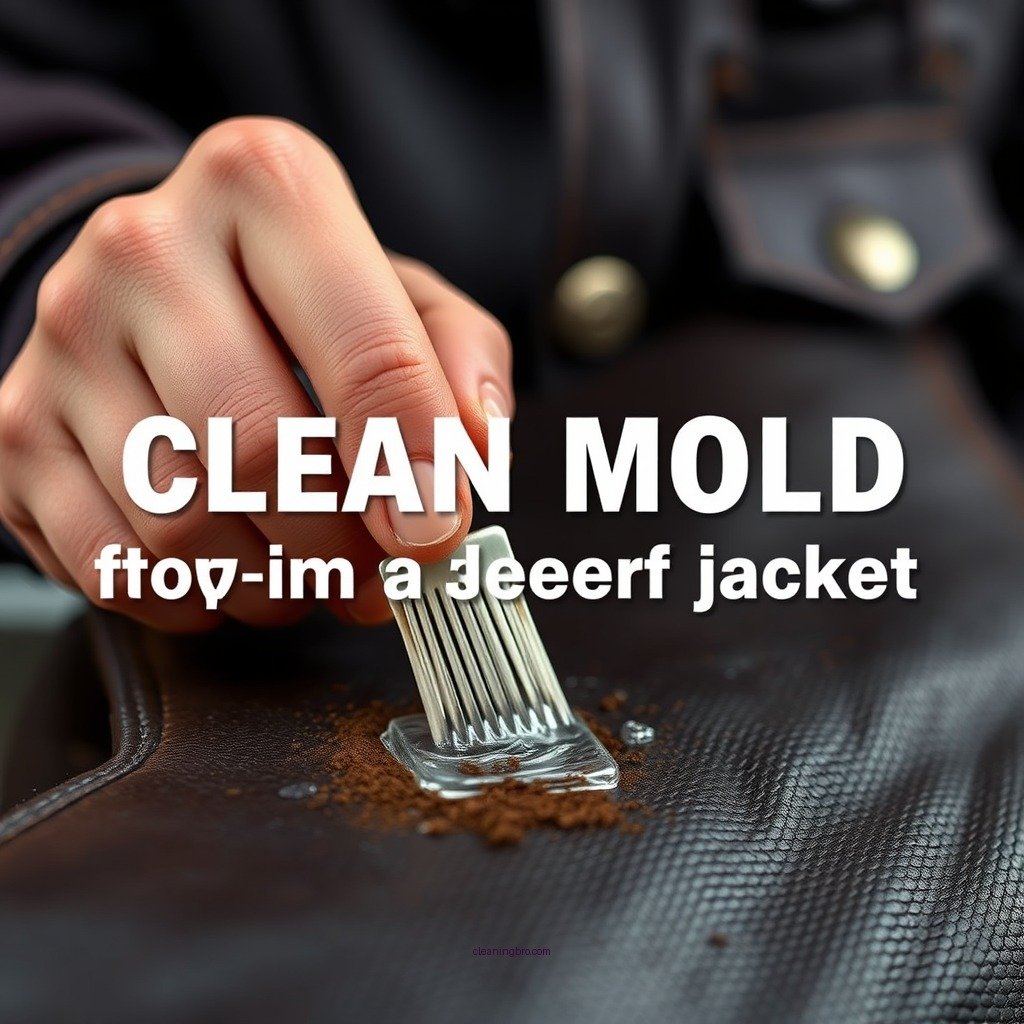
Follow these steps to effectively clean mold from your leather jacket:
1. Initial Inspection: Start by assessing the extent of the mold growth. If it’s just surface mold, you can proceed with at-home cleaning. If the mold is extensive or has penetrated deeply, consider seeking professional help.
2. Brush Off Mold: Gently brush off any visible mold using your soft brush or cloth. Be cautious to only remove surface mold to prevent it from spreading to unaffected areas.
3. Apply Cleaning Solution: Dampen a clean cloth with the prepared cleaning solution. Lightly wipe the affected areas, ensuring that you avoid soaking the leather, as excess moisture can exacerbate mold issues.
4. Dry Off: After treating the mold, use a separate dry cloth to wipe away any residue from the cleaning solution.
5. Air Dry: Allow your jacket to air dry completely in a well-ventilated area, avoiding direct sunlight or heat sources, which can cause the leather to crack and fade.
Drying and Conditioning the Leather
Once your leather jacket is dry, it’s essential to restore its natural oils and flexibility. Leather can become stiff and brittle if it loses moisture during the cleaning process. Here’s how to properly condition your jacket:
– Choose a Quality Leather Conditioner: Select a conditioner designed specifically for leather jackets.
– Apply Evenly: Using a clean cloth, apply the conditioner evenly across the surface of the jacket, focusing on areas that may have been particularly affected by mold or cleaning.
– Buff the Surface: After applying the conditioner, buff the surface with a soft cloth to bring back the shine and improve the appearance of the leather.
Preventing Future Mold Growth
To keep your leather jacket mold-free, proactive measures can significantly reduce the risk of future growth:
– Proper Storage: Store leather jackets in a cool, dry space with good air circulation. Avoid storing them in damp or poorly ventilated areas, such as basements or attics.
– Use Moisture Absorbers: Consider placing silica gel packs or other moisture-absorbing materials in your storage areas to help combat humidity.
– Regular Maintenance: Clean and condition your leather jacket regularly. This not only helps maintain its appearance but also protects it from mold and other forms of damage.
Seeking Professional Help
If you encounter a severe mold infestation or feel uncertain about cleaning it yourself, it’s advisable to consult a professional leather cleaner. Professionals possess specialized tools and solutions that can effectively treat mold without risking damage to the leather. They can also provide guidance on proper maintenance and care for your jacket.
Summary of Professional Services:
– Expert cleaning with specialized tools
– Safe mold removal without damaging leather
– Advice on care and maintenance
Keeping your leather jacket clean and mold-free is essential for its longevity and appearance. By following these steps, you can safely remove mold and prevent its return. Regular maintenance and proper storage will ensure your jacket remains in excellent condition. Take action now to protect your investment!
Top Leather Care Products for Mold Prevention (2024)
| # | Product | Effectiveness | Price | User Rating |
|---|---|---|---|---|
| 1 | Leather Honey Leather Conditioner | Excellent | $15 | ★★★★☆ |
| 2 | Bickmore Bick 4 Leather Conditioner | Very Good | $12 | ★★★★☆ |
| 3 | Lexol Leather Conditioner | Good | $10 | ★★★☆☆ |
| 4 | Fiebing’s Leather Conditioner | Very Good | $14 | ★★★★☆ |
| 5 | Moneysworth & Best Leather Conditioner | Good | $9 | ★★★☆☆ |
| 6 | Chamberlain’s Leather Milk | Excellent | $13 | ★★★★☆ |
| 7 | Obenauf’s Leather Oil | Good | $15 | ★★★☆☆ |
Effectiveness of Leather Care Products in Mold Prevention
Leather Conditioner Comparison: Best Options
| Feature | ⭐ Leather Honey | Bickmore Bick 4 | Lexol |
|---|---|---|---|
| Price | $15 | $12 | $10 |
| Effectiveness | Excellent | Very Good | Good |
| Moisturizing Effect | ✔️ High | ✔️ Moderate | ✔️ Moderate |
| Ease of Application | ✔️ Easy | ✔️ Easy | ✔️ Moderate |
| Drying Time | Fast | Moderate | Fast |
| Odor | ✔️ Pleasant | ✔️ Light | ✔️ Neutral |
| UV Protection | ✔️ Yes | ✔️ Yes | ✔️ Limited |
| Best For | All Leather Types | General Use | Maintenance |
| 🏆 Best For | Long-Lasting Protection | Budget-Friendly Option | Basic Care |
In summary, removing mold from a leather jacket is a process that requires careful attention to detail and the right supplies. By understanding the conditions that foster mold growth, using appropriate cleaning techniques, and implementing preventive measures, you can maintain the integrity and appearance of your jacket for years to come. Regular cleaning and conditioning, along with proper storage, will keep your leather jacket looking its best and free from harmful mold.
Frequently Asked Questions
What is the best way to clean mold from a leather jacket?
The best way to clean mold from a leather jacket is to first take it outside to avoid spreading spores indoors. Use a soft brush to gently remove loose mold, then mix equal parts water and white vinegar or rubbing alcohol. Apply this solution with a soft cloth, wiping the affected areas, and finish by conditioning the leather to restore moisture.
How can I prevent mold from growing on my leather jacket?
To prevent mold from growing on your leather jacket, store it in a cool, dry place with good air circulation. Avoid damp environments, and consider using silica gel packets or a dehumidifier in storage areas. Regularly clean and condition your jacket to maintain its integrity and moisture balance.
Why does mold develop on leather jackets?
Mold develops on leather jackets primarily due to high humidity and lack of airflow, which create an ideal environment for mold spores to thrive. When leather becomes damp and is not dried properly, it can attract mold, especially if stored in dark, warm places. Regular maintenance and proper storage can help mitigate this issue.
Which products are safe for cleaning mold off leather?
Safe products for cleaning mold off leather include white vinegar, rubbing alcohol, and specialized leather cleaners that contain mild ingredients. Always test any product on a small, inconspicuous area first to ensure it doesn’t damage the leather. After cleaning, follow up with a leather conditioner to keep the material supple.
How do I know if my leather jacket is ruined by mold?
You can determine if your leather jacket is ruined by mold by examining it for extensive discoloration, persistent odor, or a compromised texture. If mold has deeply penetrated the leather and cannot be removed with cleaning, it may be beyond repair. In such cases, consulting a professional leather cleaner is advisable to assess the damage.
References
- https://www.cdc.gov/mold/cleanup.html
https://www.cdc.gov/mold/cleanup.html - Fainting during urination (micturition syncope): What causes it? – Mayo Clinic
https://www.mayoclinic.org/healthy-lifestyle/healthy-home/expert-answers/mold-in-your-home/faq-20058084 - https://www.nih.gov/news-events/news-releases/mold-exposure-poses-health-risk
https://www.nih.gov/news-events/news-releases/mold-exposure-poses-health-risk - https://www.who.int/news-room/fact-sheets/detail/mold
https://www.who.int/news-room/fact-sheets/detail/mold - https://www.bbc.com/future/article/20200707-how-to-tackle-mold-in-your-home
https://www.bbc.com/future/article/20200707-how-to-tackle-mold-in-your-home - https://www.nytimes.com/guides/smarterliving/how-to-clean-mold
https://www.nytimes.com/guides/smarterliving/how-to-clean-mold - https://www.sciencedirect.com/science/article/pii/S2212267217300483
https://www.sciencedirect.com/science/article/pii/S2212267217300483 - https://www.britannica.com/science/mold
https://www.britannica.com/science/mold - Google Scholar Google Scholar
https://scholar.google.com/scholar?q=cleaning+mold+from+leather+jacket - Google Scholar Google Scholar
https://scholar.google.com/scholar?q=removing+mold+from+leather+cleaning+methods