
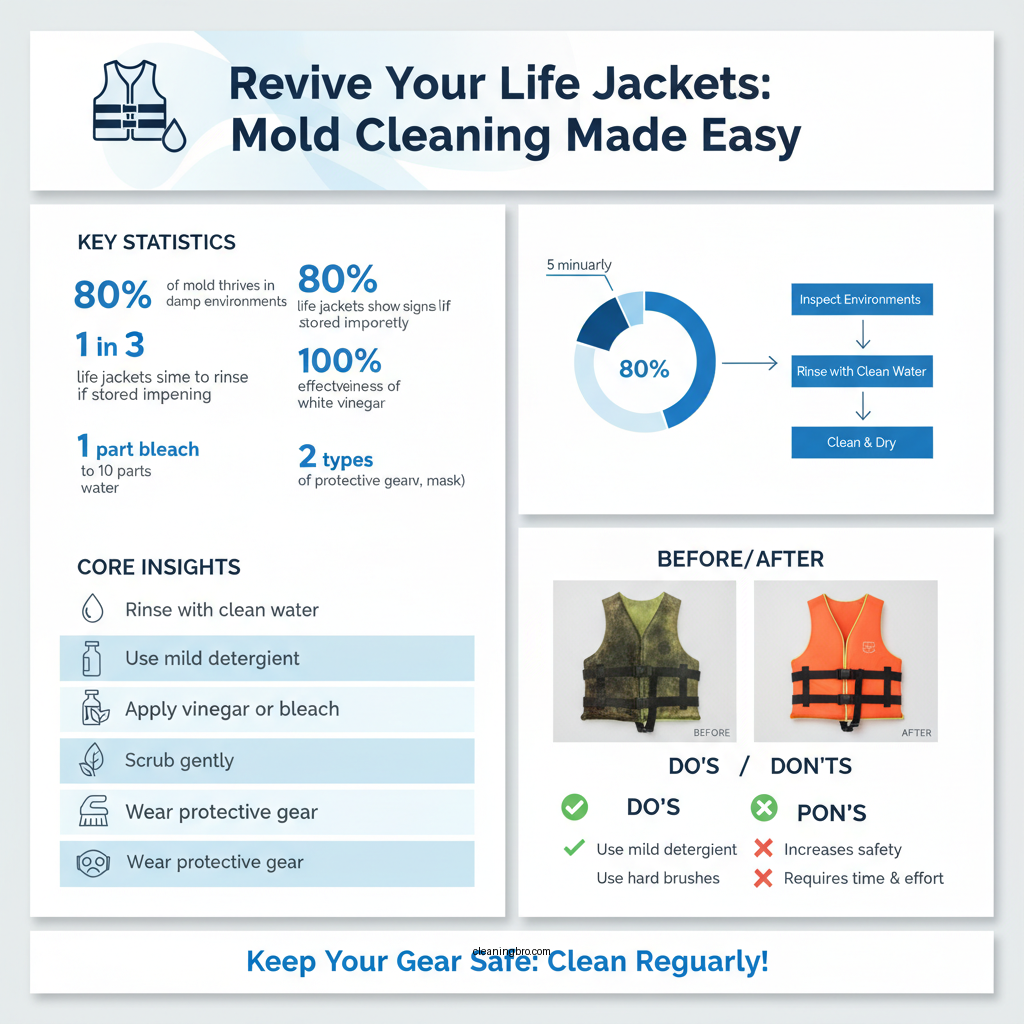
Cleaning mold from life jackets is straightforward and essential for maintaining their safety and longevity. Mold can not only compromise the structural integrity of your life jacket but also pose health risks. To effectively remove mold, you’ll need a combination of cleaning agents and proper techniques. In this guide, you’ll learn the best methods to ensure your life jackets are mold-free and ready for your next adventure.
Understanding Mold on Life Jackets

Mold thrives in damp environments, particularly in materials like nylon or polyester, which are commonly used in life jackets. These materials can retain moisture, creating an ideal breeding ground for mold spores, especially if the jackets are stored improperly after use. Regular inspection and cleaning can prevent mold growth before it starts. It’s crucial to check your life jackets periodically, especially after long periods of storage or exposure to water. By being proactive, you can avoid the hassle of severe mold infestations and ensure your gear remains safe and functional.

Essential Cleaning Supplies
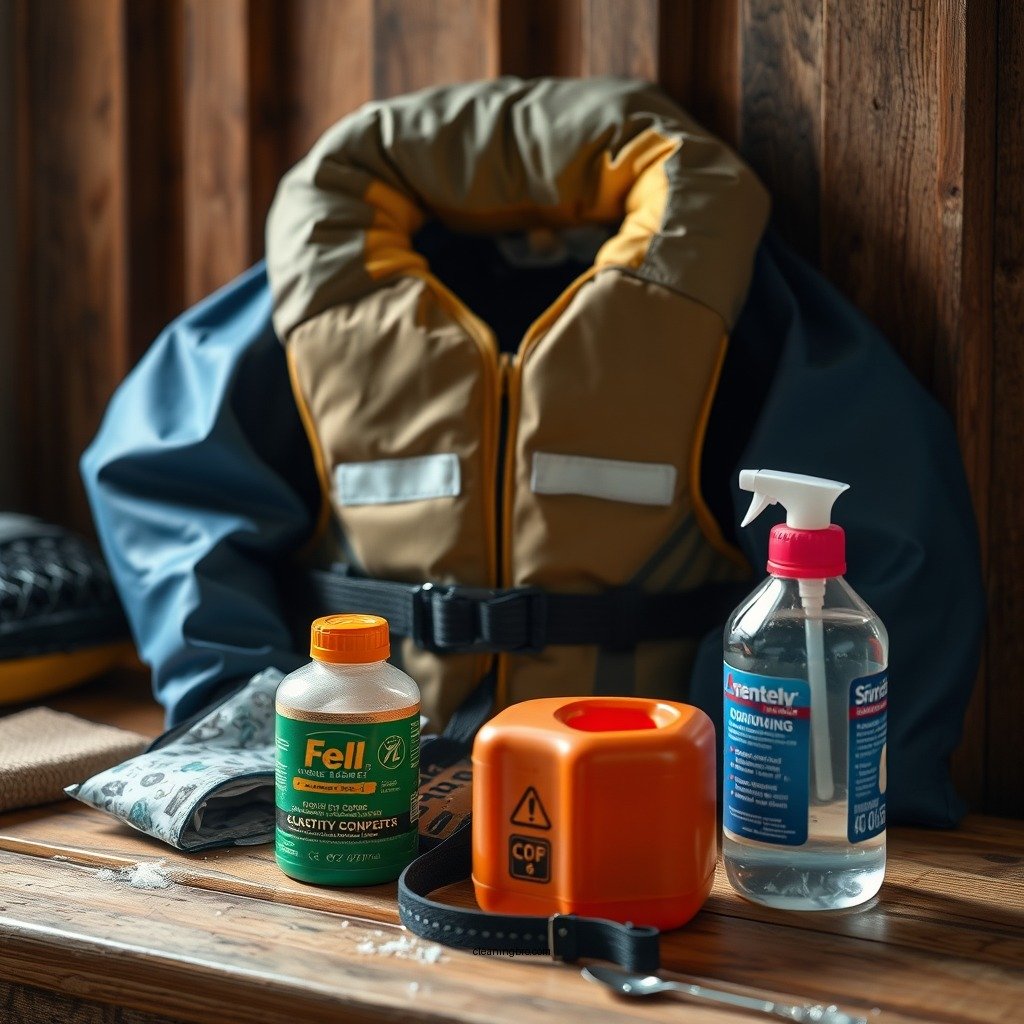
To effectively clean mold from life jackets, you will need the following essential cleaning supplies:
– Mild Detergent: A fabric-safe mild detergent or a specialized fabric cleaner can effectively remove mold without damaging the material. Look for products that are designed for outdoor gear, as they often include mold-fighting ingredients.
– White Vinegar or Bleach: For tougher mold stains, a solution of white vinegar or diluted bleach can be used. Vinegar is a natural mold killer, while bleach can eliminate stubborn stains. However, use bleach with caution as it may discolor certain fabrics.
– Soft Brush: A soft-bristled brush is essential for scrubbing away mold without damaging the fabric of the life jacket. Avoid using hard brushes that may cause abrasions.
– Protective Gear: Always wear gloves and a mask while cleaning mold to protect yourself from inhaling spores or coming into contact with cleaning agents.
Step-by-Step Cleaning Process
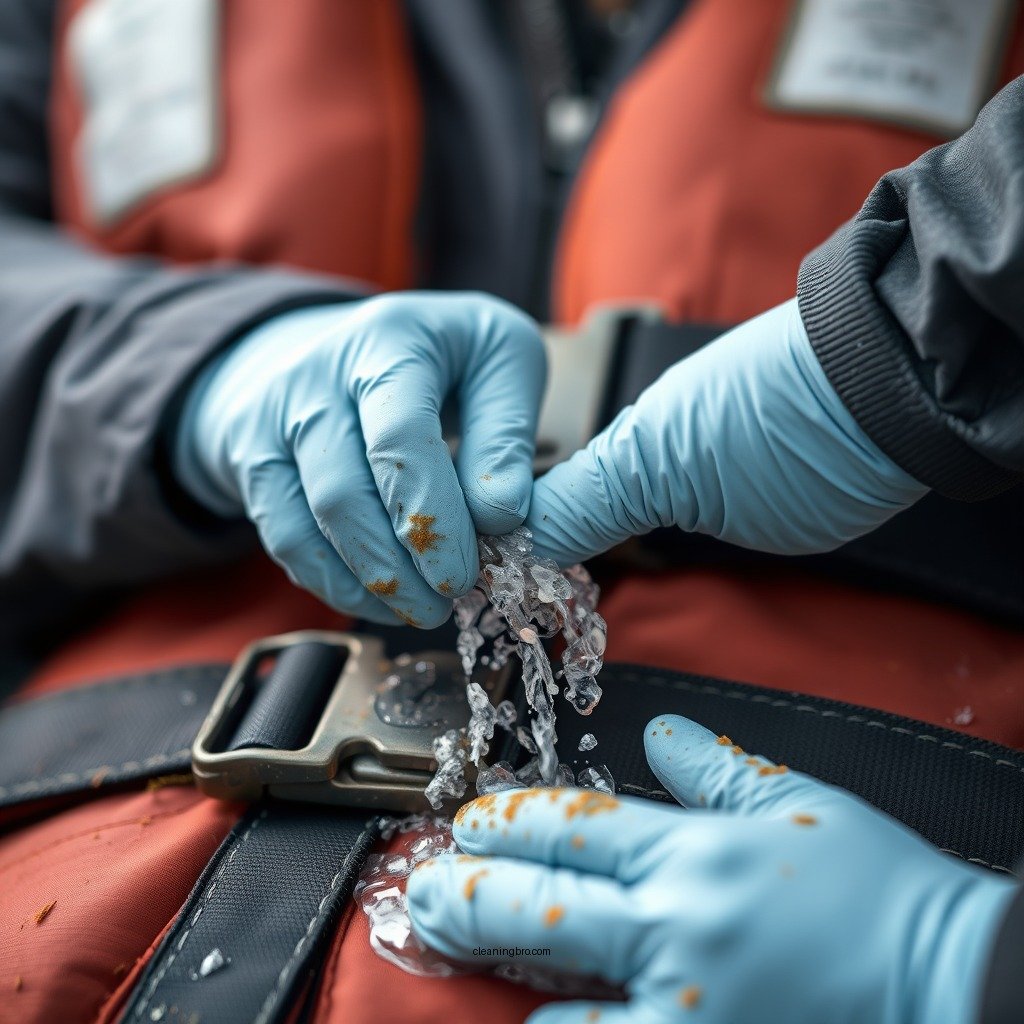
To effectively clean mold from your life jackets, follow this step-by-step process:
1. Rinse the Life Jacket: Begin by rinsing the life jacket with fresh, clean water to remove any loose debris and surface dirt. This step helps to minimize the amount of mold that will be scrubbed into the fabric.
2. Prepare the Cleaning Solution: Depending on the severity of the mold, mix your cleaning solution. For mild cases, a few drops of mild detergent in water will suffice. For tougher stains, a mixture of one part bleach to ten parts water or pure vinegar can be effective.
3. Apply the Cleaning Solution: Apply the cleaning solution directly onto the moldy areas of the life jacket. Make sure to saturate the affected spots adequately.
4. Scrub Gently: Using the soft brush, gently scrub the moldy areas in a circular motion. Be cautious not to apply too much pressure that could damage the fabric. Continue scrubbing until the mold is visibly removed.
5. Let it Soak: For severe mold infestations, allow the cleaning solution to sit on the fabric for about 10-15 minutes before rinsing.
Rinsing and Drying Techniques
After scrubbing the life jacket, it’s essential to rinse and dry it properly:
– Thorough Rinse: Rinse the life jacket thoroughly with clean, fresh water. Ensure all cleaning agents are washed out, as residues can lead to further fabric degradation or skin irritation during future use.
– Drying: Hang the life jacket in a well-ventilated area to dry completely. Avoid direct sunlight, as it can cause fading and degrade the material over time. Ideally, use a drying rack or hang it on a clothesline to encourage airflow around it.
Top 7 Mold Cleaning Products for Life Jackets (2024)
| # | Product | Type | Effectiveness | Best Use |
|---|---|---|---|---|
| 1 | Star brite Mold & Mildew Stain Remover | Liquid | High | Boats & Fabrics |
| 2 | Mold Armor Cleaners | Spray | Moderate | Outdoor Fabrics |
| 3 | RMR-86 Instant Mold and Mildew Stain Remover | Liquid | High | Heavy Stains |
| 4 | 303 Mold & Mildew Cleaner | Liquid | High | Marine Use |
| 5 | Kleen-Strip Mold & Mildew Remover | Spray | Moderate | Quick Cleaning |
| 6 | EcoSMART Mold Control | Spray | Moderate | Eco-Friendly |
| 7 | Concrobium Mold Control | Liquid | High | Long-Term Protection |
Preventive Measures After Cleaning
After you have successfully removed the mold, it’s essential to implement preventive measures to avoid future growth:
– Proper Storage: Store life jackets in a dry, cool place. Avoid damp areas such as basements or attics that can trap moisture. A storage container with ventilation can also help.
– Moisture-Absorbing Packets: Consider placing moisture-absorbing packets, such as silica gel or activated charcoal, in the storage container or bag. These packets can help to absorb excess humidity, making it less conducive for mold growth.
– Routine Inspection: Make it a habit to inspect your life jackets after each use and before storage. Spotting early signs of mold can prevent larger infestations later.
When to Seek Professional Help
Sometimes, despite your best efforts, mold can become extensive. Here are signs that it may be time to seek professional help:
– Extensive Mold Infestation: If you notice large, widespread areas of mold that are difficult to remove, professional cleaning services can be more effective and ensure thorough cleaning.
– Signs of Damage: If the life jacket shows signs of damage such as fraying, tears, or a compromised buoyancy, it is crucial to have it assessed by a professional. They can determine if it can be effectively cleaned and restored.
– Health Concerns: If you or anyone else in your household is sensitive to mold or has respiratory issues, it may be safer to hire professionals who have the proper equipment and expertise to handle mold contamination safely.
Regular cleaning and proper storage will keep your life jackets mold-free and ready for use. Make it a habit to inspect and clean your gear after each use to ensure a safe and enjoyable experience on the water. By following these guidelines, you can prolong the life of your life jackets while ensuring that they remain safe for your adventures.Frequently Asked Questions
What is the best method to clean mold from life jackets?
The best method to clean mold from life jackets involves using a mixture of water and mild soap or vinegar. Soak a soft cloth in the solution and gently scrub the affected areas. Rinse thoroughly with clean water and allow the life jackets to air dry completely to prevent mold from returning.
How can I prevent mold from growing on my life jackets?
To prevent mold from growing on your life jackets, always dry them completely after use and store them in a cool, dry place. Avoid leaving them in damp or humid environments, and consider using moisture-absorbing packets or silica gel to reduce humidity in the storage area.
Why is it important to clean mold from life jackets?
Cleaning mold from life jackets is crucial for both safety and longevity. Mold can weaken the material, compromise the jacket’s buoyancy, and pose health risks through allergic reactions or respiratory issues. Regular cleaning ensures that your life jackets remain safe and effective for use.
Which cleaning products are safe for removing mold from life jackets?
Safe cleaning products for removing mold from life jackets include mild dish soap, white vinegar, and specialized marine cleaners. Avoid harsh chemicals like bleach, as they can damage the fabric and reduce the life jacket’s effectiveness. Always test any cleaner on a small, inconspicuous area first.
How do I know if my life jacket is too damaged by mold to clean?
You can determine if your life jacket is too damaged by mold by inspecting it for signs of wear, such as fraying, discoloration, or structural issues. If the mold has penetrated deeply into the material or if the jacket has lost its buoyancy, it may be safer to replace it rather than attempt cleaning. Always prioritize safety when dealing with potentially compromised life jackets.
References
- https://www.cdc.gov/mold/faqs.htm
https://www.cdc.gov/mold/faqs.htm - Mold Cleanup in Your Home | US EPA
https://www.epa.gov/mold/mold-cleanup-your-home - https://www.ncbi.nlm.nih.gov/pmc/articles/PMC5570835/
https://www.ncbi.nlm.nih.gov/pmc/articles/PMC5570835/ - https://www.who.int/news-room/fact-sheets/detail/mold
https://www.who.int/news-room/fact-sheets/detail/mold - https://www.health.harvard.edu/staying-healthy/mold-and-your-health
https://www.health.harvard.edu/staying-healthy/mold-and-your-health - https://www.nature.com/articles/s41598-019-49683-5
https://www.nature.com/articles/s41598-019-49683-5 - https://www.sciencedirect.com/science/article/pii/S0950061817300405
https://www.sciencedirect.com/science/article/pii/S0950061817300405 - Google Scholar Google Scholar
https://scholar.google.com/scholar?q=cleaning+mold+from+life+jackets - Google Scholar Google Scholar
https://scholar.google.com/scholar?q=mold+removal+techniques - Google Scholar Google Scholar
https://scholar.google.com/scholar?q=mold+health+effects+on+clothing
