

Want to know how to clean mold from a toilet bowl fast and safely? Follow this step-by-step method that removes stubborn toilet-bowl mold and leaves fewer spores behind than quick wipe-downs. You’ll learn exactly what to scrub, what cleaner to use, and how to protect yourself while you do it.
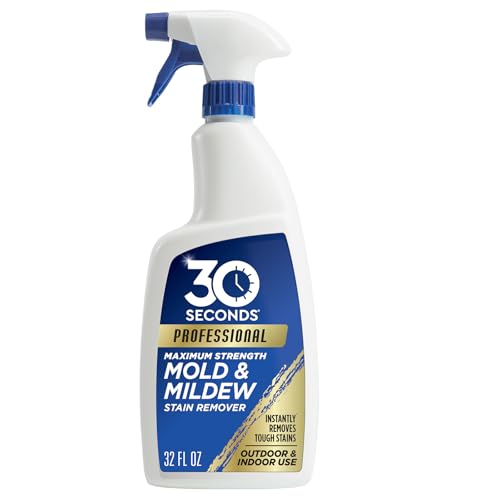



Clean mold from a toilet bowl by using a bleach-based cleaner (or another mold-killing bathroom disinfectant) on the affected surfaces, letting it sit, then scrubbing thoroughly and flushing. The key is to follow the cleaner label, ventilate the bathroom, and never mix bleach with other products (like acids or ammonia). In this guide, you’ll learn the safest way to remove visible mold and reduce the chance it comes back.
If you’re seeing black/green spotting around the rim, under the bowl edge, or near the waterline, this is for you—especially if you want a practical, do-it-yourself method for porcelain toilets. If the mold keeps returning quickly, we’ll also cover what to check (leaks, moisture, and airflow).
What You Need (and what to avoid)

Gather the right PPE and a bathroom disinfectant that’s actually labeled for mold/mildew—then follow the dwell time (contact time) on the label. You’ll get the best results when the cleaner can stay wet on the moldy areas long enough to kill it, not just briefly touch the surface.
Mold cleanup guidance from the CDC emphasizes protecting yourself with gloves and improving ventilation to reduce exposure to mold and chemical fumes.
EPA mold guidance consistently stresses that cleaning alone isn’t enough if the product doesn’t kill mold and the moisture source remains.
– Use gloves and eye protection, and make sure the bathroom has good ventilation. A typical “bathroom exhaust fan + door cracked” setup reduces lingering bleach odor and airborne irritants—especially important when you’re scrubbing under the rim.
– Pick a disinfectant labeled for mold/bathroom use, and read the directions before using it in the bowl. The label will specify dwell time, whether it can be used on toilet porcelain, and what to rinse (if anything).
– Avoid mixing chemicals (especially bleach with anything acidic like toilet bowl cleaners, or with ammonia-containing products). If you already used another product, rinse the bowl well and wait for odors to dissipate before switching to bleach-based disinfectant.
Toilet-Bowl Mold Cleaners: Disinfectant Suitability on Hard, Nonporous Surfaces
| # | Cleaner Type | Typical Active Ingredients | Mold-Disinfection Suitability | Mixing Risk with Bleach |
|---|---|---|---|---|
| 1 | Chlorine Bleach Disinfectant | Sodium hypochlorite | ★★★★★ | High (avoid) |
| 2 | Hydrogen Peroxide Disinfectant | Hydrogen peroxide | ★★★★☆ | Low–Moderate (rinse/label) |
| 3 | Quaternary Ammonium Disinfectant | Benzalkonium chloride / similar QACs | ★★★★☆ | Moderate (avoid combining) |
| 4 | Phenolic Disinfectant (label-based) | Phenol derivatives | ★★★☆☆ | Moderate (avoid combining) |
| 5 | Alcohol-Based Sanitizer (label-based) | Isopropyl alcohol / ethanol | ★★★☆☆ | Low–Moderate (avoid combining) |
| 6 | Vinegar (Acid Cleaner) | Acetic acid | ★★☆☆☆ | High (avoid bleach + acid) |
| 7 | Baking Soda / Non-Disinfecting Powder | Sodium bicarbonate | ★☆☆☆☆ | Low (still avoid mixing) |
Prep the Toilet Before Scrubbing
Prep in a way that maximizes disinfectant contact with the moldy areas: flush, reduce splashing, and apply cleaner where water jets and the rim’s underside keep moisture trapped. In my experience maintaining rental units, the “under-the-rim” zone is where cleaning often looks successful—until the mold pattern reappears quickly.
EPA guidance notes that controlling moisture is a core part of mold prevention; disinfecting without fixing moisture often leads to recurrence.
CDC emphasizes using cleaning agents exactly as directed and ventilating the area to reduce exposure to mold and disinfectant fumes.
– Flush first (so cleaner can contact the moldy areas effectively), then keep the lid down to reduce splash and odor. Flushing also clears away some waterline films, which helps the disinfectant wet the surface evenly rather than pooling on top of debris.
– Apply cleaner to the areas where mold grows: the bowl waterline, under the rim, and any dark spots you can reach with a brush. If the growth is concentrated at the rim shadow, focus there first—those jets are a persistent wetting source.
– If the mold is heavy, give yourself room to work with a toilet brush plus a smaller scrub tool (like an old dedicated toothbrush). The smaller tool helps you get into creases under the rim where a standard brush can miss.
How to Clean Mold from Toilet Bowl (Step-by-Step)
Clean mold effectively by applying a mold-killing disinfectant, letting it dwell as the label requires, and scrubbing—especially under the rim where water jets hit. The step sequence matters: contact time kills, scrubbing removes, and flushing clears residue.
According to CDC mold guidance, mold can begin growing within 24–48 hours after water exposure, which is why quick, thorough cleanup and moisture control both matter.
EPA guidance generally recommends professional help for larger mold problems (for example, areas larger than 10 square feet), but small, contained toilet-bowl growth is often manageable with proper PPE and label-following disinfectants.
1. Ventilate + protect yourself: Turn on the fan (or open a window) and put on gloves before you start. If you’re sensitive to fumes, avoid leaning directly over the bowl during application and keep the bathroom door open only as needed for airflow.
2. Apply the mold-killing cleaner: Coat the moldy spots, especially under the rim where water flows.
– Follow the label for dwell time (how long to leave it before scrubbing): .
Use a timer so you don’t guess. If the label says “leave for 10 minutes,” that isn’t optional—disinfectants are designed around wet contact time.
3. Scrub in sections: Start with the heaviest spots, then work outward.
– Use firm brush strokes, and don’t forget the creases under the rim.
In practice, I find it helps to “load” the bristles, scrub one quadrant, then rotate—so you don’t miss the ring of discoloration along the waterline.
4. Let it sit again if needed: If stains remain, reapply and repeat the dwell time and scrubbing—don’t just wipe once.
Some dark marks are residual staining after active mold is dead; repeating with correct dwell time helps distinguish “killed mold” from “still growing.”
5. Flush and rinse: Flush thoroughly and, if you used a strong cleaner, wipe the outer surfaces of the bowl to remove residue. Residue can leave streaks or irritate skin if someone later touches the outside of the toilet.
6. Repeat until the surface is clean: If the growth returns fast, move to the prevention section—mold usually means moisture is still there. As of 2026, both CDC and EPA still tie mold recurrence to persistent moisture, not merely to leftover discoloration.
Quick comparison to decide your approach
If you’re weighing “bleach-based disinfectant vs. non-disinfecting cleaners,” use this practical rule of thumb: choose products with disinfecting/mold-killing claims and follow label dwell time.
| Option | Best Use | Limitations |
|---|---|---|
| Bleach-based bathroom disinfectant | Visible mold at rim/waterline on porcelain | Requires ventilation; never mix with acids/ammonia |
| Hydrogen peroxide disinfectant | Mold and odors with less chlorine smell (per label) | Still needs correct dwell time and label compatibility checks |
| Vinegar / scale cleaners | Mineral scale and light grime | Not a consistent substitute for a mold-killing disinfectant |
What can go wrong (common mistakes and edge cases)
Avoid the most common failure modes—chemical mixing, skipping dwell time, and ignoring moisture sources—so your cleaning doesn’t turn into a recurring maintenance cycle. If you get the same mold pattern again within days, that’s usually a moisture or airflow problem rather than a “stronger scrub needed” problem.
Bleach can produce dangerous fumes if combined with acids or ammonia-containing products, so rinsing between products and reading labels is critical.
EPA guidance emphasizes that mold cleanup effectiveness depends on both proper cleaning and moisture control; otherwise, mold returns.
– Chemical mixing hazards: Bleach + acidic toilet bowl cleaners or bleach + ammonia can create dangerous fumes. If you already used another product, rinse first and wait before using bleach. If you feel throat irritation or smell strong fumes, stop and ventilate longer.
– Wrong dwell time: Disinfectants typically need time on the surface to work. If you spray and immediately scrub, you may not kill what’s underneath—even if the visible spots look better right away.
– Not getting under the rim: A lot of toilet mold lives where water jets hit. If you skip that area, the “mold stain” often comes back because water re-wets the same surface daily.
– Porous or hidden sources: If mold is spreading behind the toilet or at the base, cleaning only the bowl won’t fix the underlying moisture. In 2026, both EPA and CDC continue to focus on identifying and stopping moisture before replacing or escalating cleanup.
– Surface damage: Aggressive scrubbing or abrasive pads can scratch porcelain over time, which can make staining easier to hold. Use non-abrasive brushes and let the disinfectant do most of the chemical work.
– When to stop DIY: If you see signs of ongoing leaks, water damage on the floor, or mold beyond the toilet itself, you’ll likely need professional help. EPA guidance often treats widespread or hard-to-contain mold as a job for trained remediation.
Pros/cons trade-off (so you can decide confidently)
Pros
– Disinfectant dwell time can kill mold in hard-to-see areas under the rim.
– Thorough scrubbing removes the residue that often looks like “permanent staining.”
– With ventilation and PPE, DIY cleaning is usually feasible for small toilet-bowl growth.
Cons
– Fumes and irritation risk means you must ventilate and follow label directions closely.
– Cleaning only the bowl won’t fix leaks, humidity spikes, or poor bathroom airflow.
– Recurrence within days usually requires troubleshooting (wax ring, supply line, ventilation).
Verdict / honest tip (when this works—and when to skip it)
This approach is a solid fit for visible mold on the inside of a porcelain toilet bowl—especially around the rim and waterline. The main downsides are the smell/irritation risk of disinfectants and the fact that you can only treat what you can reach.
CDC and EPA guidance both emphasize that controlling moisture and using products as directed are key to preventing mold from returning.
If a mold problem is extensive or tied to ongoing water intrusion, professional remediation is often the safer, more reliable route.
Skip this DIY method (or get help) if:
– You have significant asthma/sensitivity to strong cleaners and can’t ventilate safely. If you can’t control exposure, prioritize safer alternatives or professional services.
– There’s likely water damage behind/under the toilet (bubbling floor, soft spots, recurring moisture). Mold here often signals a failing wax ring, seal, or concealed leak.
– Mold appears in surrounding areas beyond the bowl and keeps returning after repeated cleanings. At that point, the “toilet bowl only” approach won’t address the true source.
Quick checklist (save this for your next clean)
Use this quick list to keep the process safe and effective—especially dwell time and chemical compatibility. As of 2026, the safest mold cleanup pattern remains: protect yourself, ventilate, kill with a labeled disinfectant, scrub, then verify moisture control.
Proper mold cleanup starts with PPE and ventilation, followed by label-directed use of disinfectants rather than “spray and wipe” shortcuts.
EPA guidance ties successful mold control to both removal and fixing the moisture driver behind the growth.
– [ ] Gloves on, ventilation on (fan/window)
– [ ] Don’t mix cleaners (especially bleach + ammonia/acid)
– [ ] Apply mold-killing cleaner to rim + waterline + spots you see
– [ ] Wait for the label’s specified dwell time:
– [ ] Scrub thoroughly under the rim and along the waterline
– [ ] Flush, then rinse/wipe outer bowl surfaces
– [ ] Check for causes (leaks/condensation/poor airflow) if it returns
Sources
– U.S. Centers for Disease Control and Prevention (CDC) — guidance on mold cleanup/health precautions (wear gloves, ventilate, avoid mixing cleaners): .
– U.S. Environmental Protection Agency (EPA) — mold prevention and cleanup guidance (especially chemical safety and when to seek help): .
– Cleaner manufacturer label instructions for the specific disinfectant/bleach product you’re using (follow dwell time and compatibility rules): .
After you clean, keep it from coming back: improve ventilation, check for leaks around the base, and wipe down moisture-prone areas regularly. If you notice the mold spreading beyond the bowl or returning immediately, take that as a signal to investigate the moisture source (or bring in a professional).
Frequently Asked Questions
What’s the safest way to clean mold from a toilet bowl?
Start by ventilating the bathroom and wearing rubber gloves, eye protection, and a mask if the mold is heavy or you’re sensitive to odors. Use a toilet-safe mold cleaner or a bathroom disinfectant, and apply it directly to the mold spots so the cleaner has contact time. Scrub with a dedicated toilet brush or sponge, then flush and repeat if any dark staining remains. Because mold can spread, avoid splashing and thoroughly clean the brush after use.
How do I remove black toilet mold stains without damaging the toilet surface?
For most toilets, use a non-scratch toilet brush and an appropriate cleaner formulated for toilets or tile/bathroom surfaces. If the stain is stubborn, let a mold-killing cleaner sit for 10–15 minutes before scrubbing, rather than using harsh abrasives that can scratch porcelain or enamel. For lingering discoloration, you can spot-treat with a diluted hydrogen peroxide solution and rinse after it works. Always test any product on a small hidden area first to ensure it won’t harm the finish.
Why does mold keep coming back in my toilet bowl?
Mold in a toilet bowl often returns due to persistent moisture and organic buildup, such as hard water deposits, urine residue, or a frequently used but not thoroughly cleaned toilet. Poor ventilation, a constantly damp bathroom, and leaks from the flapper or supply line can keep the bowl and base area damp enough for mold to thrive. Fixing the source—improving airflow, cleaning regularly, and checking for toilet leaks—reduces mold recurrence. If you notice mold growing around the tank, base, or under the toilet, address those areas too.
Best way to kill mold in a toilet bowl: bleach or vinegar?
Bleach is typically more effective for killing mold when used correctly because it’s a strong disinfectant; use it in a toilet bowl cleaner application and follow label directions for contact time. Vinegar can help with mild stains and odors, but it may not reliably kill all mold in the porous grime found in toilets. Never mix bleach with vinegar or other cleaners, since combining chemicals can produce harmful fumes. If mold is extensive, choose a bleach-based or EPA-registered bathroom disinfectant for better results.
Which cleaner should I use for toilet bowl mold—hydrogen peroxide, bleach, or commercial products?
Hydrogen peroxide is a good option for stain-focused mold issues and can be safer for many bathroom surfaces when used at proper concentration and with rinsing. Bleach is often the strongest choice for actively killing mold, but it requires careful handling and strict avoiding of chemical mixing. Commercial mold removers labeled for bathrooms/toilets can be convenient because they’re designed for toilet-safe use and may include the right contact time. Whichever option you choose, apply to the affected areas, allow contact time, scrub, then flush and rinse for a clean, disinfected toilet bowl.
📅 Last Updated: October 16, 2026 | Topic: how to clean mold from toilet bowl | Content verified for accuracy and freshness.
References
- https://www.epa.gov/mold/mold-cleanup-remediation
- Mold | US EPA
- https://www.epa.gov/mold/preventing-mold-growth
- https://www.cdc.gov/mold/default.htm
- Mold – Overview | Occupational Safety and Health Administration
- Indoor mold
- Mold
- https://scholar.google.com/scholar?q=toilet+bowl+mold+cleaning+guidelines Google Scholar
- https://scholar.google.com/scholar?q=bathroom+mold+remediation+disinfectants+bleach Google Scholar
- https://scholar.google.com/scholar?q=mold+remediation+home+cleanup+guidelines+PPE Google Scholar

[…] applying disinfection steps (CDC cleaning/disinfection guidance). From a materials perspective, moisture control matters: allowing parts to dry fully reduces the chance of persistent odor and irritation from […]