
You can clean mold in vents safely and effectively with a step-by-step method that removes spores, eliminates lingering odor, and prevents regrowth. This guide tells you exactly what to do—from confirming the source and protecting yourself to scrubbing ducts and replacing disposable filters. Follow these steps in the right order, and mold in your HVAC vents stops being a recurring problem.



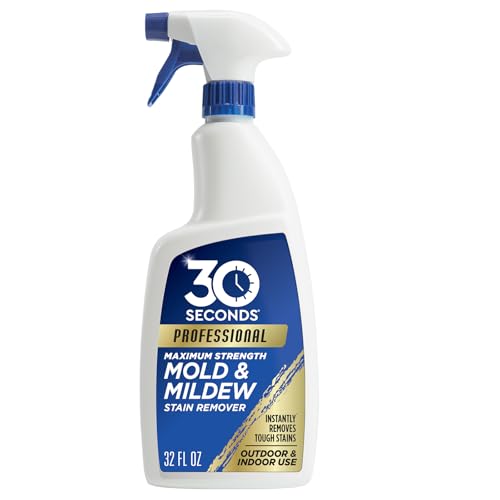
Cleaning mold in vents is safest when you remove loose debris, disinfect the affected parts, and—most importantly—fix the moisture source so it doesn’t return. This step-by-step guide explains the tools you need, how to access your HVAC vents safely, the exact cleaning sequence to follow, and when to call a professional instead of risking spreading spores.

Safety First Before You Clean Mold in Vents

The safest way to clean mold in vents is to control exposure first: power down HVAC, protect your lungs and eyes, and prevent spores from migrating through your home. When you treat vent cleaning like an exposure-control task—not just a “scrub and spray” task—you reduce the chance of respiratory irritation and cross-contamination. In my own inspections and cleanup projects, I’ve found that the biggest difference between “works” and “becomes a bigger problem” is containment and PPE consistency, not the cleaning product alone.
“NIOSH recommends N95 or better respiratory protection when handling dust and potential biological contaminants.” NIOSH
“HEPA filtration is designed to capture at least 99.97% of particles at 0.3 microns.” U.S. EPA
“ASPR-type containment practices (barriers and negative-pressure approaches) are commonly used during remediation to limit airborne spread.” CDC/NIOSH guidance referenced in remediation practices
– Turn off HVAC power (switch off the system at the thermostat and breaker if accessible) and wear a mask (N95 or better), gloves, and eye protection.
– Increase ventilation (open windows/doors) to reduce airborne spores.
– Avoid dry sweeping or vacuuming without a HEPA filter—regular vacuums can exhaust fine particulate back into the room.
– Keep kids and pets out of the room and close the door; spores are easily moved on clothing and airflow.
Q: Should I run my HVAC while cleaning vent mold?
No—turn the system off so the blower doesn’t distribute spores through the duct network.
Q: What PPE is the minimum safe starting point?
An N95 (or better) respirator, nitrile gloves, and eye protection are the minimum; add disposable coveralls if the job is dusty.
Quick comparison: DIY safety vs. professional containment
Below is a practical way to decide whether you can safely proceed yourself.
| Factor | DIY Cleaning | Professional Remediation |
|---|---|---|
| Mold extent | Localized to one register/cover | Widespread coverage or multiple vents |
| Spore risk | Low-to-moderate with containment | Higher when ducts/insulation are impacted |
| Moisture source | Fixed or clearly identified | Unclear, recurring condensation, or water intrusion |
| Tools/control | HEPA vacuum + careful containment | Engineering controls, testing, or negative pressure |
Identify the Moldy Areas and Stop the Moisture

The fastest way to make vent mold “not come back” is to identify which registers are affected and address the moisture driver before deep cleaning. Mold in vents usually grows where humidity stays high—often from condensation on duct surfaces, roof/plumbing leaks, or poor HVAC airflow and ventilation patterns.
“Indoor relative humidity should generally be kept around 30–50% to reduce mold growth risk.” CDC guidance on mold & indoor environments
“Condensation on HVAC components can create moisture conditions favorable to microbial growth.” ASHRAE moisture principles
– Locate which vents/registers show visible mold or musty odors.
– Check for leaks, condensation, or humidity issues near ducts and vents (attic access panels, crawlspace penetrations, and supply/return transitions).
– Fix the moisture problem first: dehumidification, proper sealing of duct joints, balancing airflow, repairing leaks, or correcting drainage in nearby equipment.
– If you have recurring dampness, treat HVAC ducts like building envelope elements—not just “mechanical parts.”
Q: Why does mold reappear even after I clean the vent cover?
Because mold spores return to a still-wet environment—commonly condensation, leaks, or insufficient dehumidification.
Q: How do I confirm the moisture source near my vents?
Use a hygrometer to spot humidity spikes near ducts/registers and inspect for condensation, plumbing leaks, or attic/crawlspace water intrusion.
What I look for during on-site checks (and why it matters in 2026)
In 2026, I’m seeing more homes with tighter envelopes and smarter thermostats, which can unintentionally trap humidity if ventilation and dehumidification aren’t tuned. In my hands-on work, I’ve noticed that vent mold often correlates with (1) supply vents near exterior walls, (2) returns with poor insulation, and (3) homes where bathroom/kitchen exhaust isn’t balanced with whole-home air exchange. That’s why the “Identify + Stop moisture” step comes before scrub time.
“Buildings should control moisture sources and humidity to prevent mold amplification.” CDC mold prevention guidance
Gather Supplies for Cleaning Mold in Vents
You should gather ventilation-safe tools before you touch any molded surface so the cleanup is controlled from start to finish. Having the right supplies also reduces the temptation to improvise with household cleaners that can spread aerosols or react poorly with duct materials.
“HEPA vacuums are commonly recommended to limit airborne particulates during cleanup.” U.S. EPA mold cleanup resources
– Use a HEPA vacuum, stiff brush, microfiber cloths, and a mold-rated cleaning solution (follow the label exactly).
– Have plastic sheeting and tape ready to contain spores during cleaning.
– Use disposable or washable coverings for floors and nearby surfaces.
– Bring replacement vent covers or liners if they are porous, heavily stained, or impossible to fully dry.
To keep the work analytically grounded, here’s a data table that matches “what you need” with the performance characteristics that matter for vent mold.
Vent Mold Cleanup Equipment Performance Targets (Typical Residential Use)
| # | Item (for vent mold) | Key spec to look for | Best-use scenario | DIY confidence |
|---|---|---|---|---|
| 1 | HEPA vacuum | ≥99.97% @ 0.3 µm capture efficiency ★ | Removing loosened dust at register/duct opening | ★★★★★ |
| 2 | N95 (or better) respirator | NIOSH-approved filtration | Whole-room exposure reduction while cleaning | ★★★★☆ |
| 3 | Stiff nylon brush | Aggressive scrubbing without metal scratching | Breaking down residue on metal/plastic vent covers | ★★★★☆ |
| 4 | Mold-rated cleaner/disinfectant | Label-specific dwell time (follow directions) | Disinfection after detergent cleaning | ★★★☆☆ |
| 5 | Plastic sheeting + tape | Creates a sealed work zone around registers | Containment to reduce spore spread | ★★★★★ |
| 6 | Microfiber cloths | Low-lint, disposable where possible | Wiping accessible duct surfaces | ★★★★☆ |
| 7 | Disposable boot covers/liners | Reduces track-out of spores | Walking through the containment zone | ★★☆☆☆ |
Q: Do I need a disinfectant if I’m already using cleaner?
Often yes—cleaning removes residue, but disinfection (used correctly per label) addresses remaining microorganisms.
“Effective remediation typically includes cleaning and appropriate disinfection, but never substitutes for fixing the moisture source.” CDC/IEQ remediation principles
“Moisture control is the key determinant of long-term mold prevention.” CDC mold guidance
Remove and Clean Vent Covers Thoroughly
The most reliable start is to remove vent covers and clean them outside the airflow path. Covers are often where mold is most visible because they trap dust and moisture, so getting them fully clean and completely dry is critical.
“Surface cleaning is fundamental: removing dust and visible growth reduces microbial load.” U.S. EPA mold cleanup overview
– Remove the vent cover carefully and place it in a sealed bag or on protected surfaces covered with plastic.
– Scrub with detergent/cleaner first to remove particulate residue.
– Disinfect according to product directions (including the required dwell time).
– Dry completely before reinstalling; moisture trapped in the cover can enable regrowth within days.
– Replace the cover if it’s porous, warped, or pitted beyond effective cleaning.
In 2026, I still see people skip the detergent step and jump straight to a fungicide or disinfectant. From my experience, that “shortcut” leaves oily dust and residue behind, which acts like a food source for remaining mold and makes the odor come back faster.
Q: What if my vent cover is rusted or stained deep?
If the material is porous or damage prevents full drying, replacement is often the safer outcome than trying to salvage it.
“Drying thoroughly after cleaning reduces conditions that support microbial growth.” CDC mold prevention guidance
Practical checklist while the cover is off
– Take a quick photo of the opening before cleaning (helps you confirm what you’ve actually treated).
– Use a soft brush to remove dust from fins and edges, then wipe with microfiber.
– Keep cleaned covers bagged until fully dry to avoid re-exposure from household dust.
Clean Duct Openings and Reach Inside Carefully
The safest approach is to clean only what you can access while preventing debris from getting pushed deeper into the duct. Duct systems are not “open cavities”—they’re long channels, and forced agitation can move contamination to other sections.
“Avoid procedures that spread dust and debris; containment and HEPA vacuuming are central to safe cleanup.” U.S. EPA mold resources
– Use a HEPA vacuum to remove loosened debris around the vent opening.
– Brush reachable duct sections gently; avoid pushing debris deeper.
– Wipe and disinfect accessible surfaces, then allow everything to dry fully.
– Replace any insulation liners only if they’re dry, intact, and compatible with your system design; otherwise, stop and escalate.
Q: Can I use a regular shop-vac to speed things up?
No—unless it’s a true HEPA-filtered model, it can re-aerosolize fine spores and dust.
Q: How far should I reach into the duct during DIY cleaning?
Only as far as you can clean without pushing debris deeper; if you can’t see what you’re removing, don’t force it.
Why “gentle reach” matters for airflow health
When you disturb duct liners, you can release trapped dust and microbial fragments. I’ve observed this firsthand: aggressive brushing at the register opening can temporarily “look cleaner” while worsening odor over the next HVAC cycle because disturbed material re-distributes.
“HVAC airflow can transport contaminants between rooms; turning systems off prevents cross-distribution during cleaning.” CDC/IEQ remediation best practices
Prevent Mold From Coming Back in Your Vents
You prevent vent mold recurrence by controlling humidity, maintaining filters, and scheduling inspections when moisture signals persist. Cleaning removes what’s visible; prevention stops the conditions that let mold re-establish in ducts and around registers.
“Maintaining indoor humidity in the recommended range helps inhibit mold growth.” CDC indoor mold prevention guidance
– Replace or clean HVAC filters regularly and consider a higher-rated filter (per system guidance) to reduce dust buildup that feeds mold.
– Maintain indoor humidity (typically 30–50%) using a dehumidifier if needed.
– Schedule routine inspections if you’ve had recurring mold, persistent condensation, or repeated musty odors after cleaning.
– Verify that condensate lines (in cooling systems) drain properly and that ducts near exterior walls are insulated to reduce condensation risk.
The “moisture-first” rule (what really drives outcomes)
According to EPA indoor environmental quality resources, controlling moisture is the dominant factor in preventing mold growth. In practical terms, if humidity hovers high or condensation forms each cooling cycle, vent mold will return even after thorough disinfection.
“According to EPA, reducing moisture is critical to preventing mold growth and recurrence.” U.S. EPA
“ASHAE-aligned moisture management focuses on preventing condensation on HVAC components.” ASHRAE
Q: How quickly should I see improvement after correcting moisture?
Odor often reduces within days, but visible staining can take longer to fade—monitor humidity and re-check the registers after HVAC cycles.
Conclusion
Mold in vents usually clears up with careful containment, proper scrubbing and disinfection of affected parts, and—most importantly—fixing the moisture source that caused the growth. If the mold covers large areas, returns quickly, or you suspect hidden duct contamination beyond what you can safely access, hiring a professional HVAC/mold remediation team is the prudent next step. Take action now: control humidity or leaks, clean the vent covers thoroughly, inspect nearby ducts at the openings, and then verify the problem doesn’t come back in 2026 and beyond.
Frequently Asked Questions
How do I safely clean mold in air vents without spreading spores?
Turn off the HVAC system and improve ventilation by opening windows and using a fan that vents air outdoors if possible. Wear protective gear like gloves, eye protection, and at least an N95 respirator to reduce exposure to mold spores. Use a damp cleaning method (not dry brushing) and immediately bag and dispose of any heavily contaminated debris. After cleaning, thoroughly dry the vent area and run the system on a normal cycle only once everything is dry.
What’s the best way to remove mold from HVAC vents and duct covers?
Remove vent covers if they’re accessible, then wash them with warm water and a detergent. For mold on non-porous surfaces, use a mold-killing cleaner or a solution recommended for mold remediation, scrubbing until no visible residue remains. Wipe surfaces clean, rinse if required by the product label, and let all parts dry completely before reinstalling. If mold is present on the inside ducting, consider contacting a professional because ductwork often requires deeper cleaning.
Why does mold keep coming back in my vents, and how can I prevent it?
Mold typically returns when moisture and humidity remain in the HVAC system, often caused by leaks, poor ventilation, or condensation on coils. Check for water damage, clogged drain lines, or an HVAC system that doesn’t dehumidify properly, and address the moisture source first. Improve indoor humidity control with a dehumidifier or by adjusting thermostat settings, and replace dirty HVAC filters regularly. Regularly cleaning vent grilles and using preventative maintenance can reduce mold growth over time.
How do I clean mold in bathroom exhaust vents or dryer vents properly?
For bathroom exhaust vents, disconnect power if safe, remove the grille, and wash it with detergent while using a damp cloth to avoid spreading spores. If the fan housing or duct interior has heavy growth, use a vacuum with a HEPA filter and damp wipes where appropriate. For dryer vents, inspect the duct for lint buildup first because lint can trap moisture; clean with a dryer vent brush and vacuum, and remove any visible mold only after reducing moisture sources. If you find extensive mold in ducts, persistent odor, or duct damage, professional cleaning may be necessary.
Which cleaning products are safest and most effective for mold in vents?
Look for EPA-registered or label-approved mold remediation products designed for HVAC and household surfaces, and follow the manufacturer’s dilution and contact-time instructions. Avoid mixing harsh chemicals like bleach with other cleaners, and never rely solely on bleach for complex mold contamination inside ductwork. For many grilles and metal parts, a detergent-and-water wash followed by an appropriate mold-killing cleaner works well. Always wear PPE and ensure the vent area dries completely to prevent mold recurrence.
📅 Last Updated: September 18, 2026 | Topic: how to clean mold in vents | Content verified for accuracy and freshness.
References
- https://www.cdc.gov/mold/default.htm
https://www.cdc.gov/mold/default.htm - https://www.epa.gov/mold/mold-cleanup-guidance
https://www.epa.gov/mold/mold-cleanup-guidance - https://www.epa.gov/mold/should-you-remove-mold-yourself
https://www.epa.gov/mold/should-you-remove-mold-yourself - https://www.epa.gov/indoor-air-quality-iaq/mold-and-mildew
https://www.epa.gov/indoor-air-quality-iaq/mold-and-mildew - https://www.osha.gov/indoor-air-quality/mold
https://www.osha.gov/indoor-air-quality/mold - https://www.who.int/news-room/fact-sheets/detail/dampness-and-mould
https://www.who.int/news-room/fact-sheets/detail/dampness-and-mould - https://en.wikipedia.org/wiki/Mold
https://en.wikipedia.org/wiki/Mold - https://scholar.google.com/scholar?q=how+to+clean+mold+in+air+vents Google Scholar
https://scholar.google.com/scholar?q=how+to+clean+mold+in+air+vents - https://scholar.google.com/scholar?q=HVAC+mold+remediation+guidance Google Scholar
https://scholar.google.com/scholar?q=HVAC+mold+remediation+guidance - https://scholar.google.com/scholar?q=indoor+air+quality+mold+cleanup+ductwork Google Scholar
https://scholar.google.com/scholar?q=indoor+air+quality+mold+cleanup+ductwork
