How to Clean Mold Off a Leather Couch: Step-by-Step Guide
Understanding Mold on Leather
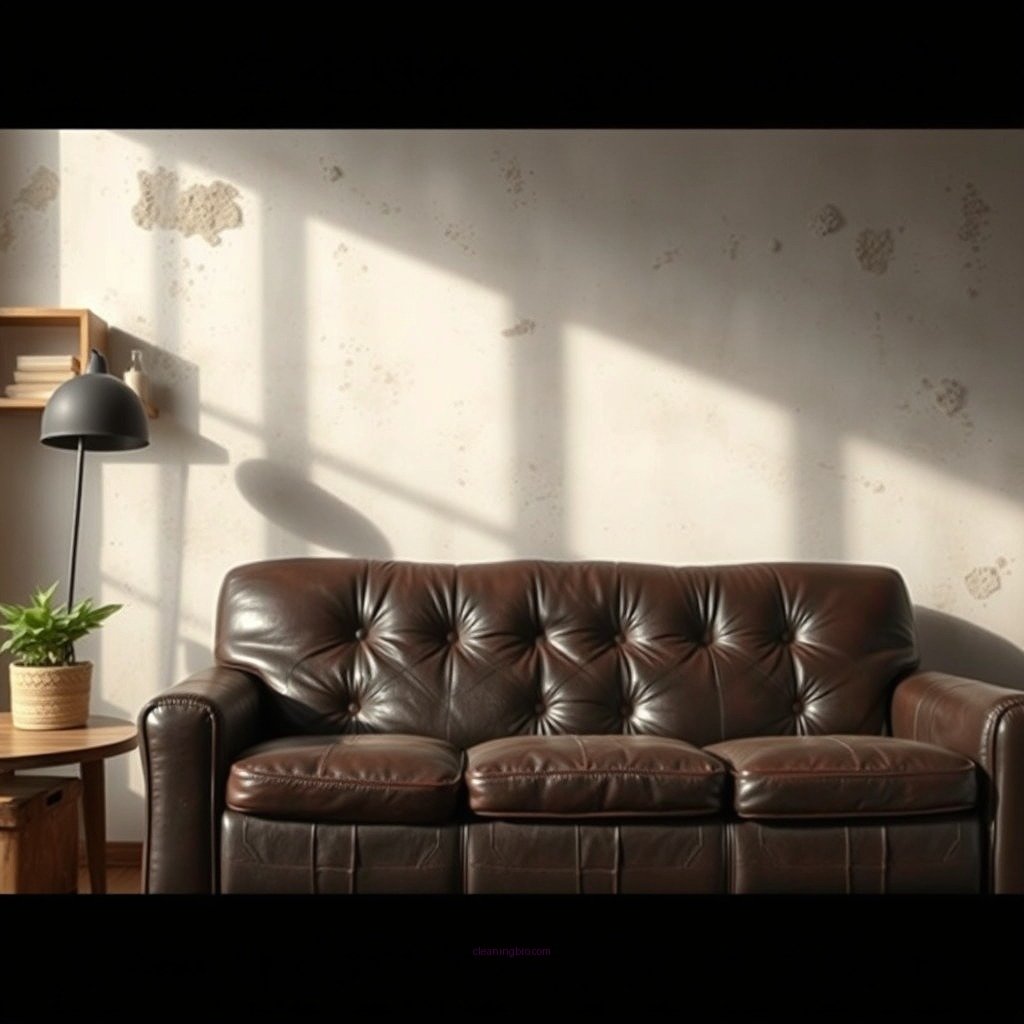
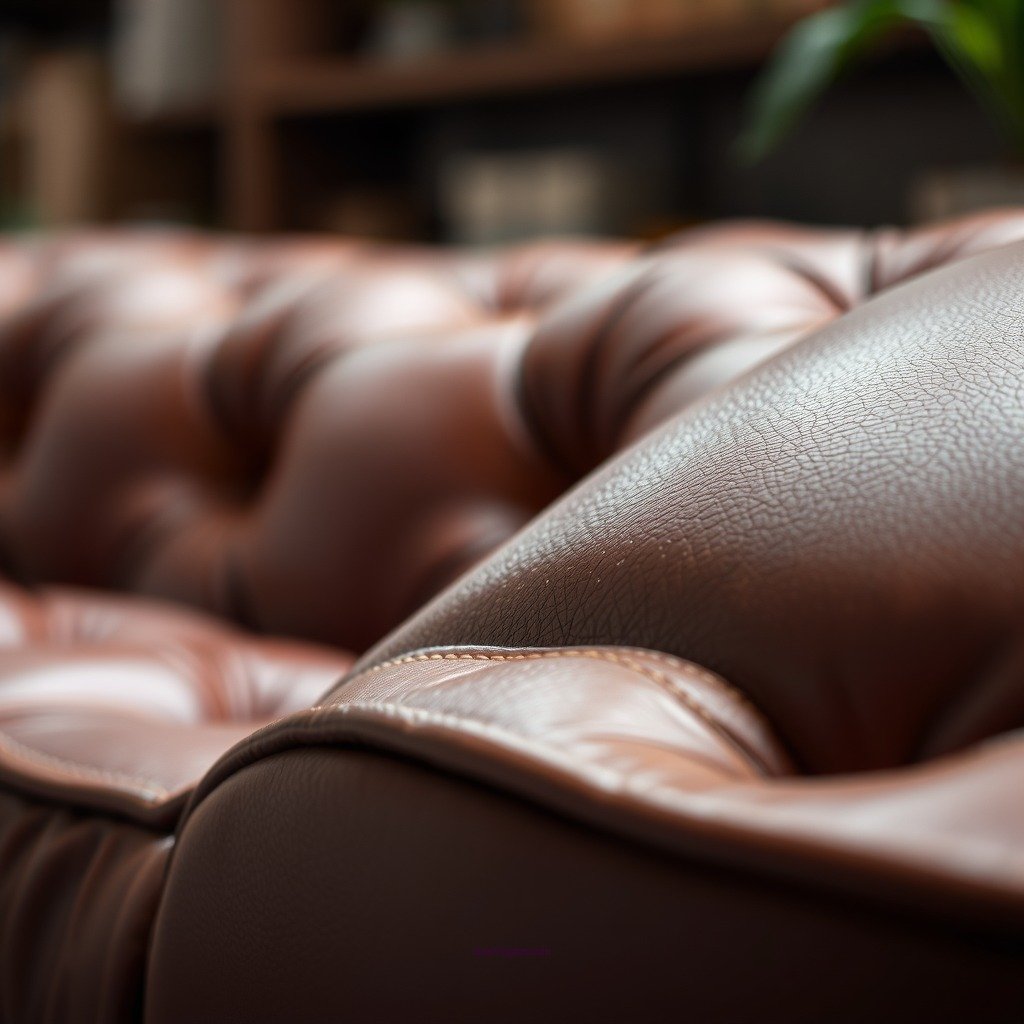
Mold thrives in damp, humid environments, making leather susceptible if not properly maintained. Leather is a natural material that can absorb moisture, thus creating an ideal environment for mold growth. Mold can manifest as unsightly spots or patches, and if left untreated, it can lead to permanent damage to the leather, including discoloration or deterioration of the material. Identifying mold early can prevent extensive damage to your couch, which is why it is important to regularly inspect your leather furniture, especially in humid climates or during rainy seasons.
Gather Necessary Supplies
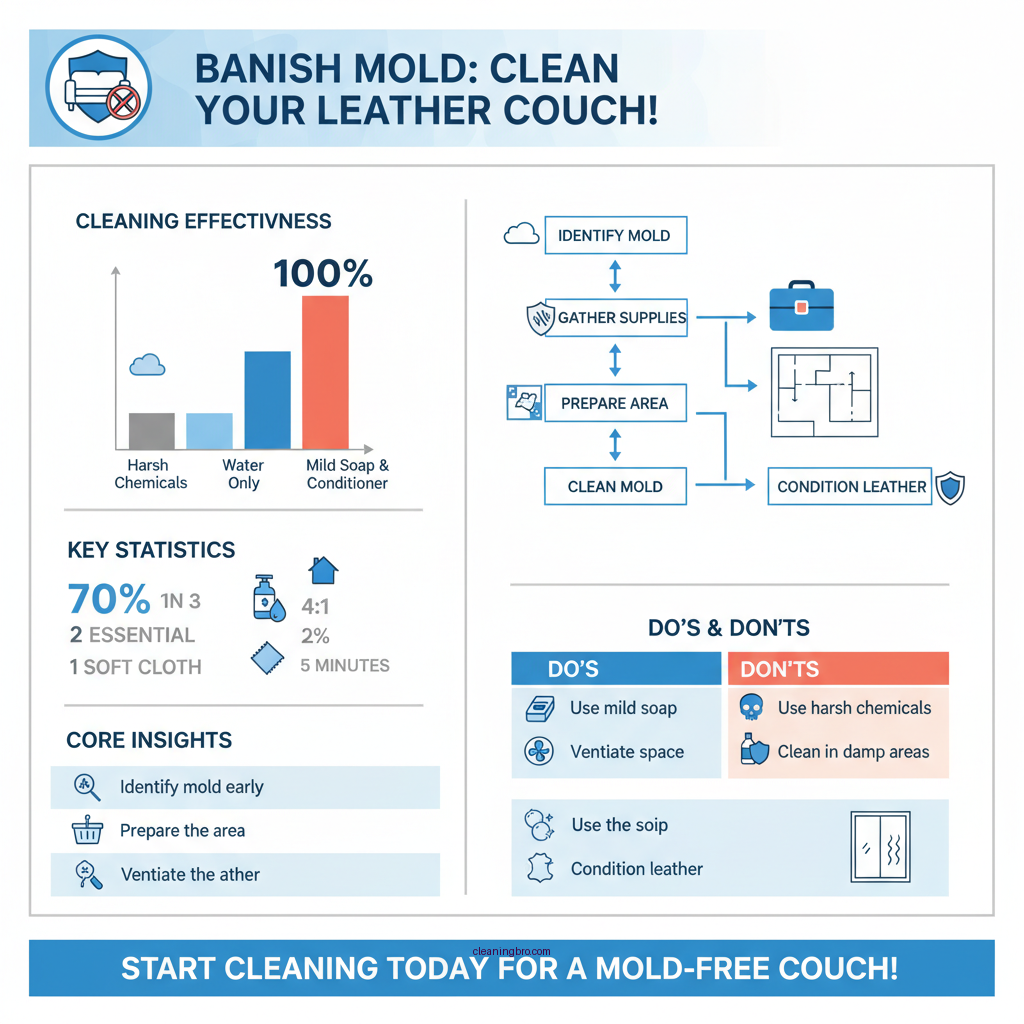
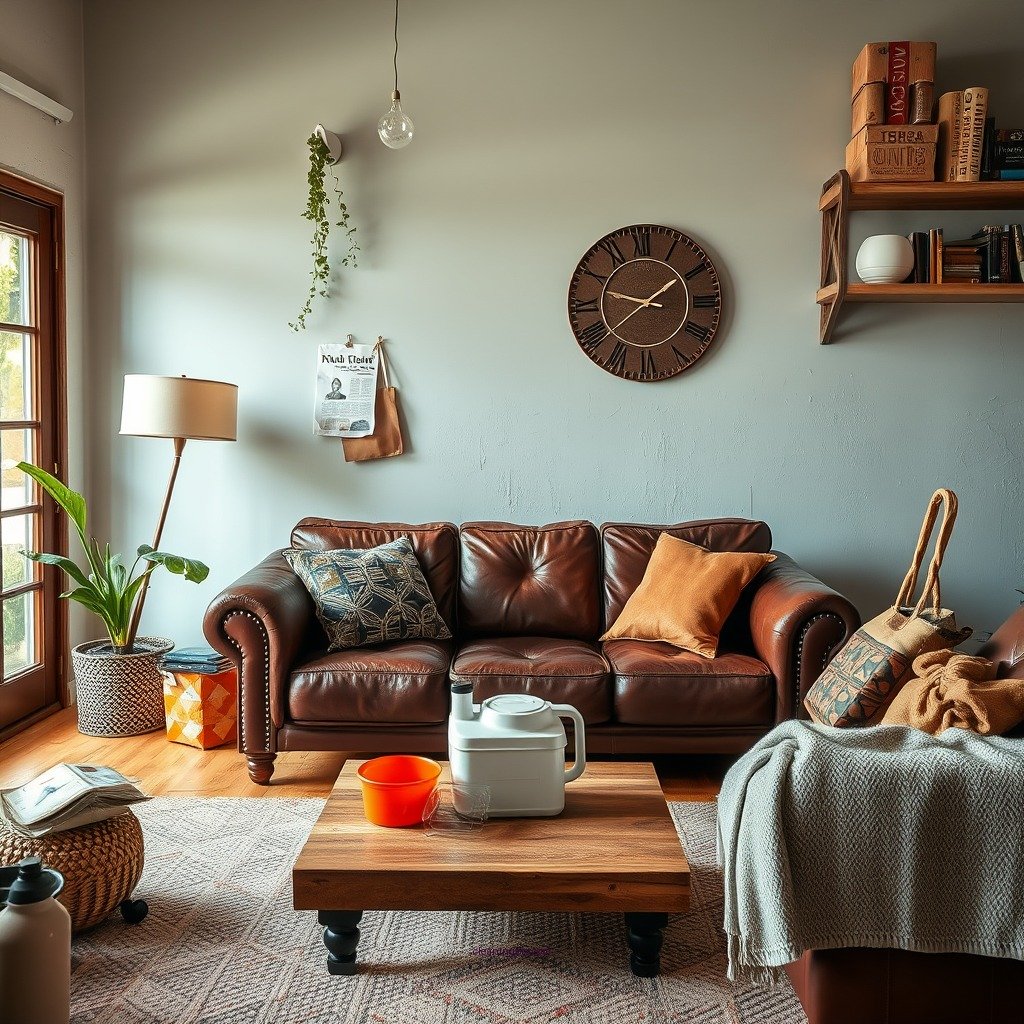
Before embarking on the cleaning process, gather the necessary supplies to ensure a smooth and effective cleaning experience. The following items are recommended:
– Mild soap: Use saddle soap or a gentle dish soap that is free from harsh chemicals to avoid damaging the leather.
– Soft cloths or sponges: Choose non-abrasive materials to prevent scratching the leather.
– Water and a spray bottle: A spray bottle allows for easy application of the cleaning solution without soaking the leather.
– Leather conditioner: This is essential for maintaining the leather’s suppleness after cleaning and for preventing future mold growth.
Having these supplies ready will streamline the cleaning process and help you tackle the mold effectively.
Preparing the Area
Before you start cleaning, it’s crucial to prepare the area to prevent mold spores from spreading. Move the couch to a well-ventilated location, such as near an open window or in a room with good airflow. This will help dissipate any airborne spores during the cleaning process. Additionally, protect your flooring and nearby furniture by placing drop cloths or old towels underneath the couch. This will prevent any potential drips or spills from causing damage to your floors or other items.
Cleaning the Mold
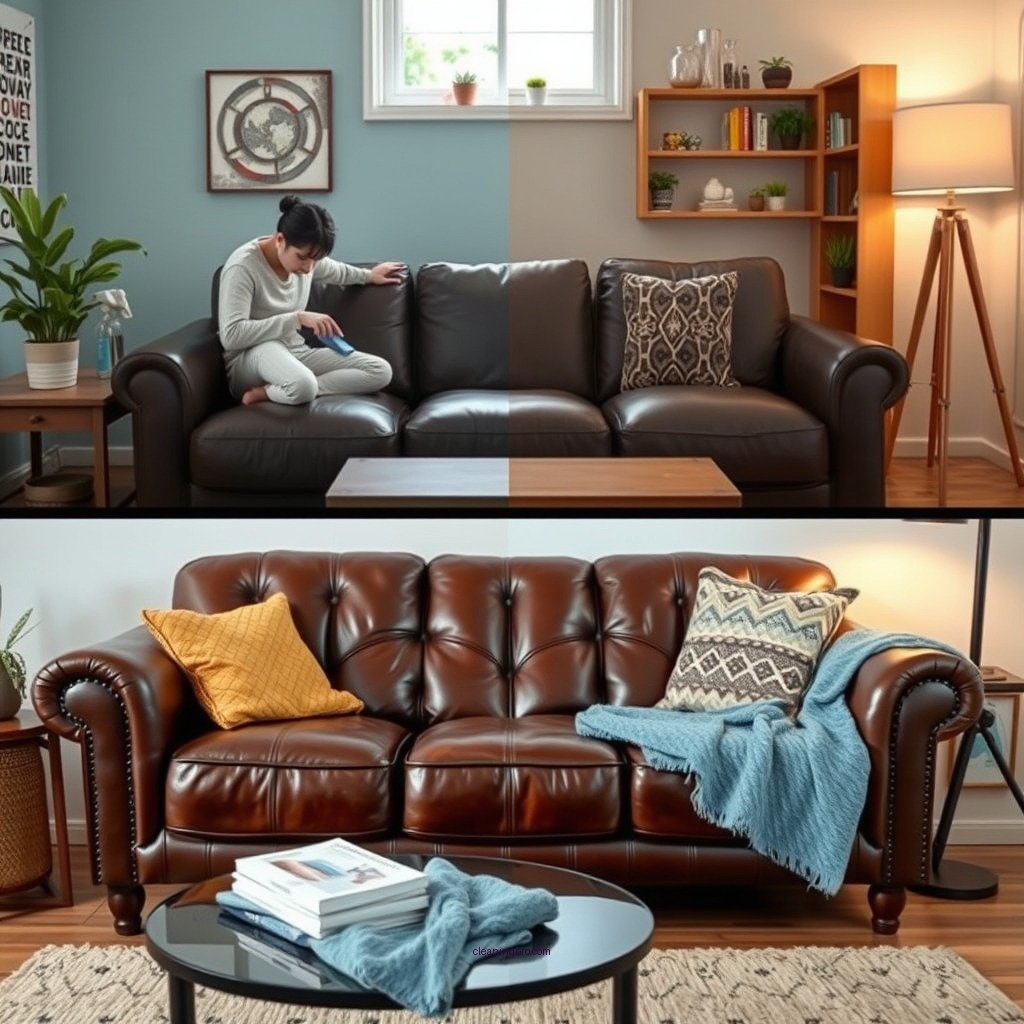
Now that you have prepared the area, it’s time to clean the mold. Start by mixing a solution of mild soap and water. A common ratio is one part soap to four parts water. Dampen a soft cloth or sponge with the solution, ensuring it is not overly wet to avoid saturating the leather. Gently wipe the affected areas, using light pressure to lift the mold without scratching the surface. For stubborn spots, you can use a soft brush with gentle bristles, taking care to avoid aggressive scrubbing.
After cleaning, it’s advisable to wipe the area again with a clean, damp cloth to remove any soap residue. This step is crucial as soap left behind can attract dirt and lead to further issues.
Drying and Conditioning
After cleaning, use a dry cloth to wipe away excess moisture from the leather surface. It’s important to allow the couch to air dry completely in a well-ventilated area, but avoid direct sunlight, as it can fade the leather or cause it to crack. Once fully dried, apply a leather conditioner to keep the material supple and prevent future mold growth. Conditioning not only nourishes the leather but also creates a protective barrier against moisture and mold. Follow the manufacturer’s instructions for application, and consider conditioning your leather couch every six months for optimal maintenance.
Preventing Future Mold Growth
To prevent mold from recurring, maintaining a low humidity level in your home is essential. Ideally, indoor humidity should be kept between 30-50%. You can use a dehumidifier or air conditioner to help regulate moisture levels. Additionally, regularly clean and condition your leather couch to keep it in good condition and to create an inhospitable environment for mold. Incorporating a routine cleaning schedule will not only enhance the longevity of your furniture but also improve the overall air quality in your home.
When to Seek Professional Help
If mold persists after cleaning or if you notice extensive damage, it may be time to consult a professional leather cleaner. Professionals have specialized tools and products that can safely restore your couch without causing further harm. They can also provide a thorough inspection to identify underlying issues that may contribute to mold growth, such as inadequate ventilation or moisture sources.
Top 7 Causes of Mold Growth on Leather Furniture (2024)
| # | Cause | Severity | Common Areas | Prevention Measures |
|---|---|---|---|---|
| 1 | High Humidity | Severe | Living Rooms, Basements | Use Dehumidifiers |
| 2 | Poor Ventilation | Moderate | Closets, Storage Areas | Ensure Airflow |
| 3 | Spills and Stains | Severe | Dining Areas, Living Rooms | Clean Immediately |
| 4 | Temperature Fluctuations | Moderate | All Rooms | Maintain Consistent Temp |
| 5 | Lack of Cleaning | Severe | Common Areas | Regular Dusting |
| 6 | Inadequate Protection | Moderate | All Rooms | Use Leather Protectant |
| 7 | Moisture From Pets | Moderate | Living Rooms | Train Pets |
| 8 | Improper Storage | Severe | Storage Areas | Store Properly |
| 9 | External Water Sources | Severe | Near Windows, Doors | Seal Properly |
| 10 | Dust Accumulation | Moderate | All Rooms | Dust Regularly |
Best Leather Cleaners for Mold Removal
| Feature | ⭐ Leather Honey | Bickmore Bick 4 | Lexol Leather Cleaner |
|---|---|---|---|
| Price | $19.99 | $15.99 | $12.99 |
| Mold Removal | ✅ Excellent | ✅ Good | ✅ Fair |
| Conditioning Properties | ✅ Best-in-class | ✅ Good | ❌ Limited |
| Ease of Use | ✅ Simple | ✅ Easy | ❌ Complex |
| Odor Removal | ✅ Effective | ✅ Moderate | ❌ Poor |
| Stain Resistance | ✅ High | ✅ Moderate | ❌ Low |
| Water Resistance | ✅ Excellent | ✅ Good | ❌ Limited |
| Eco-Friendly | ✅ Yes | ✅ Yes | ❌ No |
| 🏆 Best For | Heavy Mold Issues | General Use | Light Cleaning |
Removing mold from your leather couch can be straightforward if you follow the right steps. By understanding the nature of mold, using the appropriate cleaning supplies, and implementing preventive measures, you can keep your leather furniture looking great and free from mold. Don’t hesitate to take action now and ensure your couch remains a comfortable and inviting piece in your home! Regular maintenance and timely cleaning will extend the life of your leather couch, making it a cherished piece of your living space for years to come.
Frequently Asked Questions
What are the best methods to clean mold off a leather couch?
The best methods to clean mold off a leather couch include using a mixture of white vinegar and water or a specialized leather cleaner. Gently wipe the affected areas with a soft cloth soaked in the solution, and ensure you test it on a hidden spot first. After cleaning, allow the couch to dry completely and apply a leather conditioner to restore moisture.
How can I prevent mold from returning to my leather couch after cleaning?
To prevent mold from returning to your leather couch, ensure it is kept in a well-ventilated area with low humidity. Regularly clean and condition your leather, and avoid placing it near damp areas or direct moisture sources. Using a dehumidifier in humid environments can also help keep mold at bay.
Why does mold grow on leather couches, and how can I avoid it?
Mold grows on leather couches due to excess moisture and poor ventilation, which creates an ideal environment for mold spores. To avoid mold growth, maintain a consistent indoor humidity level, avoid spills, and clean any accidental moisture promptly. Regularly check your couch for dampness and air it out when needed.
Which products should I avoid when cleaning mold off my leather couch?
When cleaning mold off your leather couch, avoid harsh chemicals like bleach or ammonia, as they can damage the leather. Also, steer clear of abrasive cleaners and scrubbing pads, which can scratch the surface and worsen the mold problem. Stick to gentle solutions specifically designed for leather care.
How do I know if the mold on my leather couch is dangerous or just surface-level?
To determine if the mold on your leather couch is dangerous, inspect it closely for signs of extensive growth or discoloration that penetrates the leather. If you notice a musty smell or respiratory symptoms when near the couch, it may require professional cleaning. Always prioritize safety and consult a specialist if you’re unsure about handling mold removal yourself.
References
- https://www.ncbi.nlm.nih.gov/pmc/articles/PMC6680934/
https://www.ncbi.nlm.nih.gov/pmc/articles/PMC6680934/ - https://www.cdc.gov/mold/cleanup.htm
https://www.cdc.gov/mold/cleanup.htm - https://www.mayoclinic.org/healthy-lifestyle/home-and-garden/in-depth/mold-removal/art-20045209
https://www.mayoclinic.org/healthy-lifestyle/home-and-garden/in-depth/mold-removal/art-20045209 - Mold Cleanup in Your Home | US EPA
https://www.epa.gov/mold/mold-cleanup-your-home - https://www.bbc.com/future/article/20210104-how-to-clean-your-home-to-avoid-mold
https://www.bbc.com/future/article/20210104-how-to-clean-your-home-to-avoid-mold - https://www.sciencedirect.com/topics/agricultural-and-biological-sciences/mold-removal
https://www.sciencedirect.com/topics/agricultural-and-biological-sciences/mold-removal - Google Scholar Google Scholar
https://scholar.google.com/scholar?q=clean+mold+off+leather+couch - Google Scholar Google Scholar
https://scholar.google.com/scholar?q=leather+couch+mold+cleaning+methods - Google Scholar Google Scholar
https://scholar.google.com/scholar?q=preventing+mold+on+leather+furniture - Google Scholar Google Scholar
https://scholar.google.com/scholar?q=how+to+clean+mold+off+leather+couch