How to Clean Mold Off a Leather Sofa
Understanding Mold on Leather
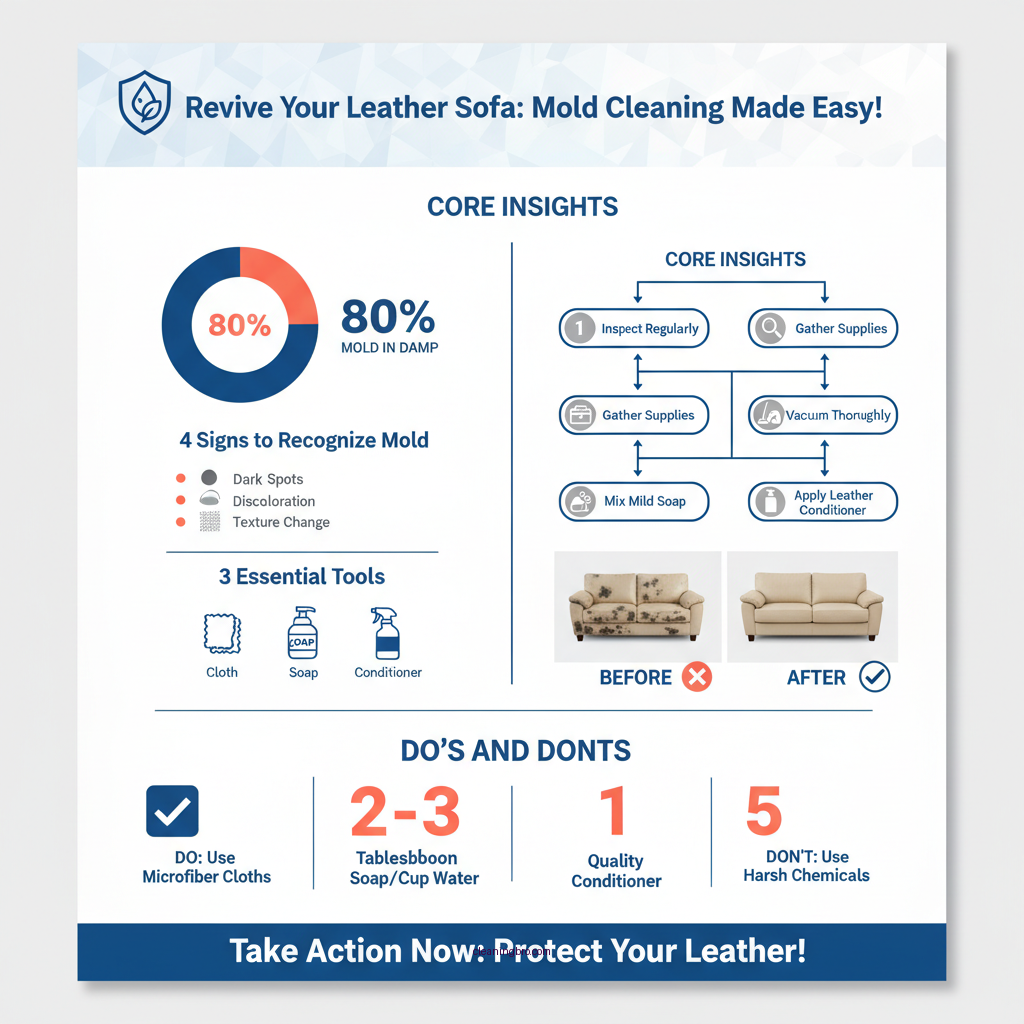
Mold thrives in moisture-rich environments, and leather sofas can be particularly susceptible if not properly maintained. Factors such as high humidity, spills, or even sweat can contribute to mold growth on leather. Recognizing the signs of mold early—such as dark spots, a musty smell, or discoloration—can help prevent more extensive damage to the sofa. If left untreated, mold can penetrate the leather, making it difficult to completely remove and potentially leading to irreversible damage. Regular inspections and prompt action are essential for preserving the integrity and appearance of your leather furniture.
Essential Supplies Needed
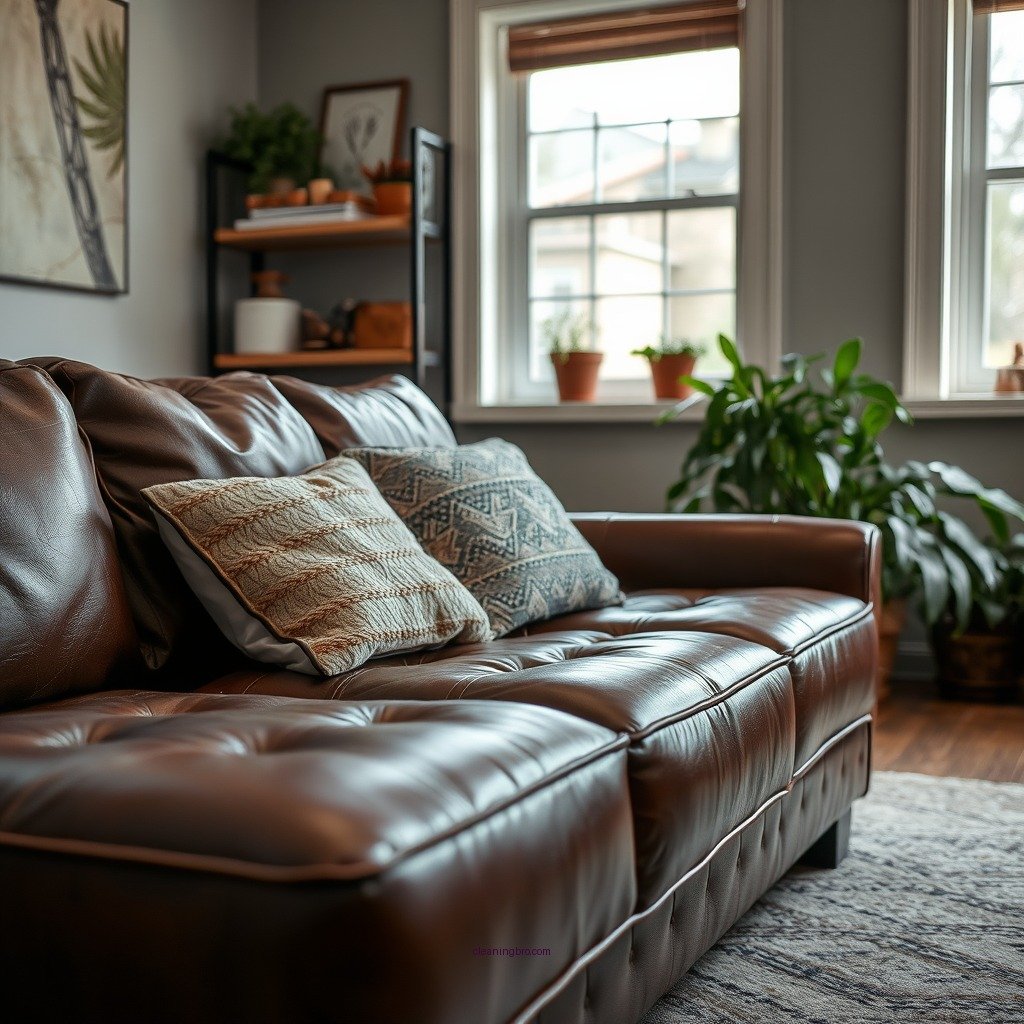
Before you begin the cleaning process, gather the essential supplies to ensure an effective and safe cleaning experience.
– Soft Cloths and Brushes: Use microfiber cloths or soft brushes to avoid scratching the leather. These tools will help you gently remove loose mold spores without damaging the surface.
– Mild Soap: A gentle dish soap or a specialized leather soap is ideal for creating a cleaning solution. Avoid harsh chemicals, as they can strip the leather of its natural oils.
– Leather Conditioner: After cleaning, a good quality leather conditioner is necessary to restore moisture and flexibility to the leather.
– Specialized Leather Cleaner: For deeper cleaning, invest in a specialized leather cleaner that is designed to combat mold and mildew.
Step-by-Step Cleaning Process
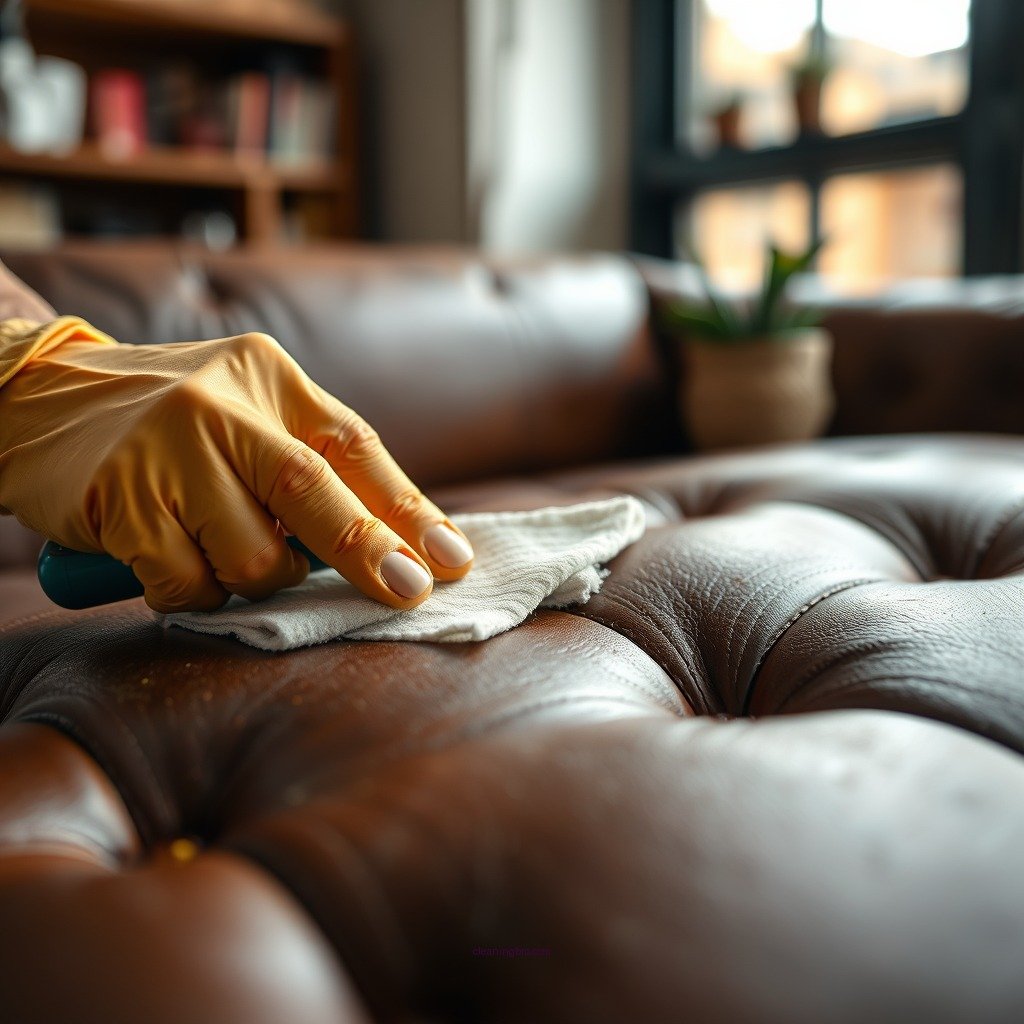
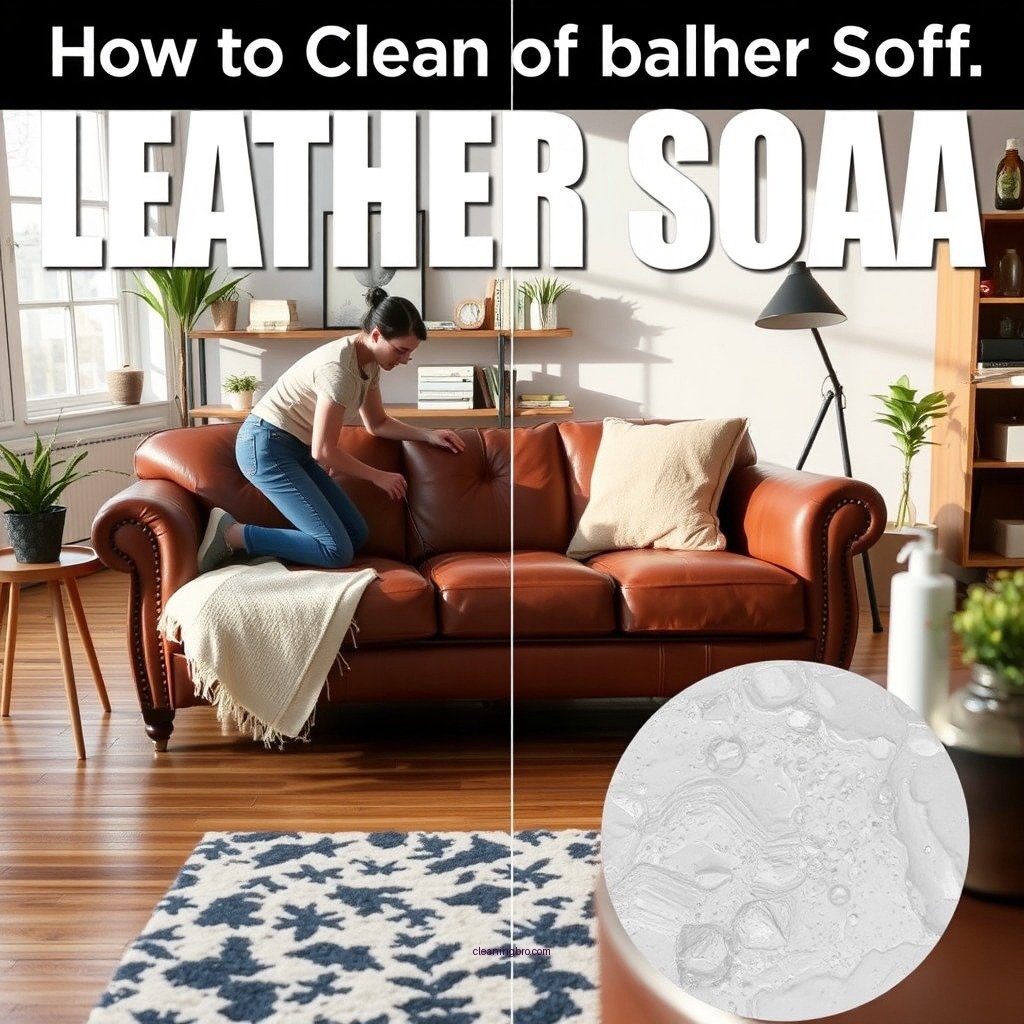
To effectively clean mold off your leather sofa, follow these steps carefully:
1. Vacuum the Sofa: Begin by vacuuming the sofa thoroughly to remove any loose mold spores. Use a vacuum with a soft brush attachment to avoid scratching the leather. Be sure to get into crevices and seams where mold may hide.
2. Prepare a Cleaning Solution: Mix a solution of mild soap and water. Use about one tablespoon of soap for every cup of water. It’s essential to ensure the mixture is not too soapy, as excess suds can be difficult to wipe away.
3. Dampen a Cloth: Take a microfiber cloth and dampen it with the soap solution. It should be moist, not soaking wet, to prevent excess water from seeping into the leather.
4. Wipe the Affected Areas: Gently wipe the moldy spots with the damp cloth, using circular motions. Do not scrub too hard, as this can damage the leather.
5. Dry the Area: After cleaning, use a separate dry cloth to gently blot the area and remove any remaining moisture. It’s crucial to ensure the leather dries completely to prevent further mold growth.
Treating Stubborn Mold Spots
For persistent mold spots that do not respond to soap and water, you may need to use a specialized leather cleaner. Follow these guidelines:
– Read Product Instructions: Always adhere to the manufacturer’s instructions when using a leather cleaner. Different products may have specific application techniques and drying times.
– Patch Test: Before applying the cleaner to a visible area, test it on a hidden spot to check for discoloration or adverse reactions. This step is crucial to avoid damaging the leather.
– Apply the Cleaner: If the test spot is successful, apply the cleaner to the stubborn mold spots with a clean cloth. Allow it to sit according to the product instructions, then wipe away with a damp cloth.
Preventing Future Mold Growth
Preventive measures are vital in maintaining a mold-free environment for your leather sofa. Consider the following strategies:
– Control Humidity: Keep your home well-ventilated and maintain a humidity level below 50%. Using a dehumidifier in humid climates can significantly reduce mold growth.
– Regular Cleaning: Establish a routine cleaning schedule for your leather sofa. Use a soft cloth to wipe it down weekly and remove dust and moisture build-up.
– Condition the Leather: Regularly apply a quality leather conditioner to maintain the leather’s protective barrier. This practice not only keeps the leather supple but also helps repel moisture.
– Avoid Direct Sunlight: Position your sofa away from direct sunlight to prevent drying out and cracking, which can create a breeding ground for mold.
Caring for Your Leather Sofa Post-Cleaning
After cleaning your leather sofa, it’s essential to take additional steps to ensure its longevity:
– Apply a Leather Conditioner: Use a quality leather conditioner to restore moisture and flexibility to the leather. This step helps to prevent cracking and drying, which could otherwise lead to mold growth.
– Regular Maintenance: Establish a regular cleaning schedule, ideally bi-weekly or monthly, to keep mold and dirt at bay. Regularly inspect for any early signs of mold and act promptly.
– Use Protective Products: Consider applying a leather protector that repels water and stains, providing an additional layer of defense against mold and mildew.
Maintaining a mold-free leather sofa is essential for its longevity and appearance. By following these steps, you can ensure that your furniture remains in excellent condition. Act promptly when you discover mold, and don’t hesitate to reach out to professionals if the problem persists.
Top 7 Leather Cleaners for Mold Removal (2024)
| # | Product Name | Effectiveness | Ease of Use | Price |
|---|---|---|---|---|
| 1 | Leather Honey | ★★★★☆ | ★★★★☆ | $25.99 |
| 2 | Chemical Guys Leather Cleaner | ★★★★☆ | ★★★★★ | $14.99 |
| 3 | Lexol Leather Cleaner | ★★★☆☆ | ★★★★☆ | $9.99 |
| 4 | Bickmore Bick 4 Leather Conditioner | ★★★★★ | ★★★★☆ | $14.50 |
| 5 | Meguiar’s Gold Class Leather Cleaner | ★★★★☆ | ★★★★★ | $12.99 |
| 6 | Fiebing’s Leather Cleaner | ★★★☆☆ | ★★★☆☆ | $8.99 |
| 7 | TriNova Leather Cleaner | ★★★★☆ | ★★★★☆ | $10.99 |
Leather Honey vs Chemical Guys vs Lexol: Comparison of Leather Cleaners
| Feature | ⭐ Leather Honey | Chemical Guys | Lexol |
|---|---|---|---|
| Price | $25.99 | $14.99 | $9.99 |
| Effectiveness | ★★★★☆ | ★★★★☆ | ★★★☆☆ |
| Ease of Use | ★★★★☆ | ★★★★★ | ★★★★☆ |
| Conditioner Included | No | No | Yes |
| pH Balanced | Yes | Yes | Yes |
| Natural Ingredients | Yes | Yes | Yes |
| Scent | No scent | Pleasant | Mild |
| Environmental Friendly | Yes | Yes | Yes |
| Free Trial | No | No | Yes |
| 🏆 Best For | Heavy-duty cleaning | General use | Conditioning |
In conclusion, cleaning mold off a leather sofa is a manageable task when approached with the right tools and techniques. By understanding the nature of mold, using appropriate cleaning supplies, and following a structured cleaning process, you can effectively restore your leather furniture. Regular maintenance and preventive measures are essential in keeping your leather sofa in optimal condition and free from mold. If mold persists or is extensive, consulting a professional may be the best course of action to protect your investment.
Frequently Asked Questions
What is the best way to clean mold off a leather sofa?
The best way to clean mold off a leather sofa is to use a combination of mild soap and water. Mix a few drops of dish soap with water, dampen a soft cloth, and gently wipe the affected areas. After cleaning, use a dry cloth to remove excess moisture and allow the sofa to air dry completely.
How can I prevent mold growth on my leather sofa?
To prevent mold growth on your leather sofa, maintain a low humidity level in your home, ideally between 30% to 50%. Regularly clean and condition your leather to keep it supple and less prone to mold. Additionally, ensure adequate ventilation in the room and avoid placing the sofa in damp or humid areas.
Why is mold harmful to leather furniture?
Mold is harmful to leather furniture because it can degrade the material, leading to discoloration, unpleasant odors, and structural damage. Additionally, mold spores can trigger allergies and respiratory issues in sensitive individuals. Proper cleaning and maintenance are essential to protect both your health and your leather sofa.
Which cleaning solutions are safe for leather when removing mold?
Safe cleaning solutions for removing mold from leather include a mix of distilled water and white vinegar or a specialized leather cleaner. Always test any solution on a small, inconspicuous area first to ensure it does not damage the leather. Avoid harsh chemicals like bleach, which can strip the leather of its natural oils.
How often should I check my leather sofa for mold?
You should check your leather sofa for mold at least once every few months, especially in humid climates or during damp seasons. Early detection is key to preventing mold growth from becoming a larger issue. Regularly inspecting your sofa and cleaning it can help maintain its appearance and longevity.
References
- https://www.cdc.gov/mold/dampness_facts.htm
https://www.cdc.gov/mold/dampness_facts.htm - https://www.ncbi.nlm.nih.gov/pmc/articles/PMC6075318/
https://www.ncbi.nlm.nih.gov/pmc/articles/PMC6075318/ - Human growth hormone (HGH): Does it slow aging? – Mayo Clinic
https://www.mayoclinic.org/healthy-lifestyle/consumer-health/in-depth/mold-removal/art-20045735 - https://www.nature.com/articles/s41598-020-69751-6
https://www.nature.com/articles/s41598-020-69751-6 - https://www.bbc.com/future/article/20200714-how-to-fix-5-common-problems-with-leather-furniture
https://www.bbc.com/future/article/20200714-how-to-fix-5-common-problems-with-leather-furniture - https://www.huffpost.com/entry/how-to-get-rid-of-mold-on-leather_n_5de9a4e9e4b0c4c5f3c4d8a1
https://www.huffpost.com/entry/how-to-get-rid-of-mold-on-leather_n_5de9a4e9e4b0c4c5f3c4d8a1 - Google Scholar Google Scholar
https://scholar.google.com/scholar?q=how+to+clean+mold+off+leather+sofa - Google Scholar Google Scholar
https://scholar.google.com/scholar?q=mold+removal+from+leather - Google Scholar Google Scholar
https://scholar.google.com/scholar?q=cleaning+mold+leather+furniture - how to clean mold off leather sofa – Search results
https://en.wikipedia.org/wiki/Special:Search?search=how+to+clean+mold+off+leather+sofa