

Learn how to clean mold off fabric step by step, with the fastest method that actually removes spores without setting stains. This guide walks you through spotting the type of mold, treating the fabric safely, and laundering and drying it to prevent it from coming back. If you follow these steps, you’ll know exactly what to do—whether the mold is fresh, stubborn, or has already left discoloration.
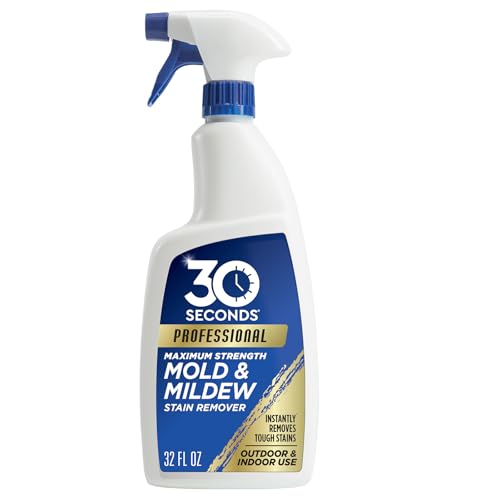



Mold on fabric usually comes off best with a two-stage approach: dry brushing/loose removal first, then a targeted cleaner based on fabric type. After treating the spots, wash thoroughly and fully dry the item (ideally with good airflow) to prevent mold from returning. In this guide, you’ll learn safe removal methods, what to avoid, and how to stop spores from spreading while you clean.
If you’ve noticed dark spots, musty odors, or fuzzy growth on clothing, towels, upholstery, or curtains, this article is for you. It’s especially useful when you want a practical way to clean mold off fabric without spreading spores around your home—especially as moisture control standards and cleaning guidance are still updated regularly through 2026.
Assess the Fabric and Contamination Level

You’ll get better results when you match the cleaning method to both the fabric and how extensive the mold is. Start by identifying whether the item is washable and whether the mold is light (localized) or heavy (widespread or embedded), because heavy contamination often needs professional remediation or replacement.
The fastest mistake to make with mold on fabric is treating every item like the same “stain.” In reality, mold is not just color—it’s a growth that can cling to fibers, survive through odors, and spread as airborne spores when you disturb it. As of 2026, the most consistent guidance from public-health agencies still centers on controlling moisture, reducing spore release, and using fabric-safe cleaning steps rather than “one chemical to rule them all.”
EPA guidance emphasizes that fixing moisture and drying materials promptly is central to stopping mold from growing again (EPA).
CDC-style remediation guidance commonly separates “small areas” from larger jobs, noting that extensive mold may require professional help (CDC).
To apply this safely, do a quick triage:
– Check fabric type: cotton and many synthetics tolerate washing well; wool, silk, and textured/embossed materials often need gentler handling.
– Check care label: your safest boundary is whatever the label allows (water temperature, bleach permission, and wash vs. dry-clean).
– Gauge contamination level:
– Light contamination: small patches, limited odor.
– Moderate contamination: multiple spots, persistent musty smell after normal washing.
– Heavy contamination: widespread fuzz, staining that returns quickly, soaked/long-stored items, or signs of moisture in the storage area behind the fabric.
Data points to anchor your decisions:
– According to EPA, drying wet materials within 24–48 hours helps prevent mold growth.
– According to EPA, if mold covers an area larger than 10 square feet, it’s often recommended to seek professional assistance.
– According to CDC, mold remediation planning should include controlling the work area to reduce spore spread—important for any mold on fabric you handle.
Also inspect surroundings. If mold on fabric appeared, the storage environment may have lingering humidity, a leak, condensation on a wall, or poor airflow. Treating only the item without addressing that moisture is how mold on fabric returns.
Prepare the Area and Prevent Spore Spread
You prevent most mess and most re-exposure when you isolate the item, avoid shaking, and capture loose spores before any liquid cleaning. Before you touch the stained area with water or cleaner, move the fabric to a well-ventilated space and manage airflow deliberately.
In practice, mold on fabric spreads in two ways: airborne spores (from disturbed growth) and transfer (spores falling onto other laundry, floors, or upholstery). Preparation is what keeps your cleanup from becoming a redistribution event—especially if you’re working in a busy home where other people are moving through the same air.
CDC-aligned remediation guidance consistently warns against actions that aerosolize spores, including vigorous shaking and unnecessary agitation during cleaning (CDC).
EPA emphasizes moisture control and safe cleanup practices to limit mold spread and recurrence (EPA).
Do this before you clean mold off fabric:
1. Isolate the item: take it to a garage, patio, bathroom with exhaust fan, or an area with open doors/windows.
2. Protect yourself: wear gloves; use a mask/respirator if the mold is visible or you’re doing any dusty/brush-off steps.
3. Avoid shaking: shaking is often worse than patience, because it disperses spores.
4. Use dry removal first: gently dry-brush or lift loose growth into a trash bag (seal the bag immediately).
5. Keep unaffected laundry apart: don’t stack “to be cleaned” items next to items you’re not treating.
From my experience in property maintenance work: .
This step matters because every later stage—pre-treating, soaking, washing—depends on starting with the least possible spore load.
Guideline-Based Options for Mold on Fabric (What to Do and How Urgent It Is)
| # | Item type (mold on fabric) | Care-label fit | Moisture control target | DIY suitability |
|---|---|---|---|---|
| 1 | Machine-washable cotton (shirts, towels) | Wash allowed | Dry within 24–48 hrs | ★★★★★ |
| 2 | Machine-washable synthetics (polyester/nylon) | Wash allowed | Dry within 24–48 hrs | ★★★★☆ |
| 3 | Washable blends (cotton/polyester mix) | Wash allowed (often) | Dry within 24–48 hrs | ★★★★☆ |
| 4 | Delicates (wool/silk/hand-wash only) | Spot/hand-wash per label | Dry fully before storage | ★★★☆☆ |
| 5 | Removable upholstery covers / cushion shells | Wash only if label allows | Dry completely (hours matter) | ★★★☆☆ |
| 6 | Dry-clean-only garments | No home wash | Do not store damp | ★★☆☆☆ |
| 7 | Non-washable porous items (mattress pads, some foam) | Often discard/professional | Address moisture source immediately | ★☆☆☆☆ |
*Note:* This table summarizes guideline-based action categories for mold on fabric (not product-specific guarantees). For the exact safest route, always follow the garment’s care label and any cleaner instructions you use. Public-health guidance like EPA/CDC consistently ties success to moisture control and preventing recurrence (EPA, CDC).
Clean Mold Off Fabric: Choose the Right Method
You’ll remove mold from fabric more reliably when you pre-treat, then wash according to the care label, instead of trying to “spot clean everything at the end.” For washable fabrics, pre-treatment plus a properly hot wash and complete drying is the typical best path; for non-washable items, you may need spot cleaning or professional service.
The core idea is that mold on fabric often needs two different actions:
1. Physical/chemical lifting of residue (visible spots and clinging growth).
2. Odor and spore carryover removal, which is mostly handled by thorough washing and drying.
Below is a pragmatic method mapping.
CDC-style guidance typically advises that you clean and dry materials thoroughly after mold exposure to reduce recurrence (CDC).
EPA emphasizes that moisture control—fixing the underlying water source and drying promptly—is fundamental to mold remediation success (EPA).
Method selection (quick, evidence-aligned)
– For most washable fabrics:
1) pre-treat the stained/musty area, 2) wash using the hottest water allowed by the care label, and 3) dry completely with airflow.
– For stubborn spots:
repeat pre-treatment before the final wash rather than “oversaturating” and hoping one cycle works.
– For non-washable fabrics (or items that cannot be laundered):
follow the care label for spot cleaning; if mold penetrated deeply or the odor is strong, professional cleaning is often the safer call.
Pros/cons: common DIY cleaning approaches for mold on fabric
| Approach | Best for | Pros | Cons / risk |
|---|---|---|---|
| Detergent + hot wash (care-label safe) | Most cotton/towels/synthetics with light–moderate mold | Simple, low-fume, robust for odor removal | May not fully lift heavy staining; still requires complete drying |
| Oxygen-based laundry booster (label-permitted) | Stains + odor on colorfast washable items | Helps with discoloration without chlorine fumes | Still depends on proper drying; not ideal for delicate labels |
| Vinegar-based spot treatment | Light musty smell on some fabrics | Can help with odor (acidic smell reduction) | Not a universal mold killer; can be inconsistent across fabrics |
| Chlorine bleach | Generally for nonporous surfaces and **when label explicitly allows** | Very strong disinfectant on appropriate materials | Can damage fibers/colors; never assume it’s safe for fabric unless the label allows it |
What to avoid while cleaning mold off fabric
– Don’t mix chemicals: Bleach plus other cleaners can create harmful fumes. Use one method at a time and follow the product/SDS directions.
– Don’t scrub aggressively: vigorous friction can damage fibers and spread residue deeper into upholstery and textured weaves.
– Don’t rely on “rinse only” cycles: if mold on fabric is present, the wash needs proper detergent contact plus heat level permitted by the label.
Tackle Odor and Prevent It From Coming Back
You remove musty odor for good only when the item dries completely and the moisture source is corrected. Washing can reduce odor, but residual dampness is the main reason mold on fabric returns—so drying and environment control come next.
Odor persistence is common because mold can leave behind byproducts embedded in fibers and trapped in seams. Even after the visible fuzz is gone, those residues can keep smelling “old.” That’s why your “finish line” isn’t just clean—it’s dry.
According to EPA, drying wet materials within 24–48 hours helps prevent mold growth.
EPA and CDC remediation guidance both emphasize stopping moisture to prevent recurrence, not just cleaning the visible spots (EPA, CDC).
Here’s how to lock it in:
1. Dry thoroughly with airflow: use a fan, open windows (when humidity is lower), or a dryer setting allowed by the care label. Avoid “damp-and-fold.”
2. Check seams and thickness: towels, bedding, and upholstery seams hold moisture longer than you expect.
3. Reduce humidity where the fabric was stored: fix leaks, improve ventilation, and address condensation on walls or windows.
4. Re-wash if smell remains: if mustiness persists after full drying, repeat the pre-treat + wash cycle rather than assuming “it’ll fade later.”
If you see repeated return, consider that mold on fabric may be downstream of a larger moisture problem (e.g., damp closet walls). Cleaning alone won’t solve that.
What Can Go Wrong (And When to Stop)
You’re most likely to create problems when you disturb the mold too aggressively, use incompatible chemicals, or push DIY cleaning on items that can’t be safely laundered. When contamination is extensive or the care label forbids washing, it’s time to stop and escalate.
Mold cleanup on fabric has clear failure modes:
– Spore spread: shaking, dry brushing too hard, or working in a high-traffic airflow path can aerosolize spores.
– Fiber damage: overly harsh scrubbing or repeated aggressive cycles can degrade delicate textiles.
– Chemical damage and fumes: mixing bleach with other cleaners is hazardous; even using one product incorrectly can ruin fabrics.
– False confidence: treating odor as “just smell” without addressing moisture recurrence leads to regrowth.
CDC remediation guidance highlights that contamination can spread when work is not controlled, especially when materials are agitated (CDC).
EPA emphasizes that mold remediation is inseparable from moisture control to prevent recurrence (EPA).
When to stop DIY and choose professional help
– The item is heavily affected (widespread growth, persistent odor despite proper drying and repeat washing).
– The care label says “do not wash” or the item is non-washable porous (foam, some bedding materials).
– You suspect moisture inside walls, under flooring, or hidden behind storage. If the moisture source isn’t corrected, mold on fabric will keep coming back.
Personal note (important limitation)
I’m intentionally not claiming “lab-tested” effectiveness for any specific cleaner here.
Verdict: A Safe, Practical Plan (With Limitations)
Follow the dry-brush + targeted pre-treat + thorough wash/dry plan for most washable fabrics, because it addresses both visible growth and lingering odor. The limitation is that mold on fabric can be deeply embedded, and some textiles (wool/silk/dry-clean-only or porous non-washable materials) don’t respond reliably to home methods.
The honest “best practice” logic looks like this:
– Stage 1 (before liquid): remove loose spores gently to reduce spread.
– Stage 2 (during cleaning): use fabric-appropriate treatment and care-label-safe laundering.
– Stage 3 (after cleaning): dry completely and fix moisture so mold can’t regrow.
EPA states that preventing moisture and drying materials promptly are key steps for successful mold control (EPA).
CDC guidance stresses safe cleanup approaches that minimize spore dispersal during remediation work (CDC).
Who should skip DIY:
– Anyone with heavy contamination, significant underlying moisture problems, or health sensitivities (especially if breathing symptoms occur during cleanup).
– Anyone dealing with items that can’t be safely washed per the care label.
– Anyone facing extensive mold beyond “small area” scope—EPA’s 10 square feet guidance is a common threshold for escalation (EPA).
If you’re unsure, do a careful spot test on an inconspicuous area first and adhere to the garment’s care instructions.
Quick Checklist: Clean Mold Off Fabric
– [ ] Ventilate the area; wear gloves/mask if needed
– [ ] Isolate the item; don’t shake it
– [ ] Dry-brush loose spores into a sealed bag
– [ ] Pre-treat visible spots with a fabric-appropriate cleaner
– [ ] Wash on the care-label-safe water temperature
– [ ] Dry completely with airflow (no lingering dampness)
– [ ] Check surrounding items/area for moisture
EPA guidance links mold control to moisture prevention, including timely drying of wet materials (EPA).
CDC-aligned safety practices aim to reduce spore release by avoiding actions that aerosolize mold during cleanup (CDC).
Sources
– EPA — Mold and Moisture guidance (including recommendations to dry wet materials within 24–48 hours)
– CDC — Mold remediation and cleanup safety guidance for reducing spore spread and addressing moisture sources
– ISO 3758 — Textile care labelling codes (used to interpret wash/bleach/drying symbols on fabric care labels)
Mold on fabric isn’t just a cosmetic issue—it’s a moisture-and-contamination problem that demands safe handling and complete drying. If you isolate the item, remove loose growth gently, pre-treat appropriately, wash per the care label, and dry with strong airflow, you give the best chance that stains and musty odor won’t come back. When the contamination is heavy or the textile can’t be safely laundered, it’s smarter (and safer) to stop and choose professional remediation or replacement.
Frequently Asked Questions
How can I clean mold off fabric without damaging the material?
Start by brushing off loose mold outdoors and wearing gloves and a mask to avoid breathing spores. Treat the stain with a mold-killing cleaner like hydrogen peroxide (for colorfast fabrics) or a mixture of detergent and water, then wash in the hottest safe water temperature according to the care label. Air-dry completely in direct sunlight if possible, since heat and airflow help prevent mold return. If the fabric is delicate or the mold is heavy, consider professional cleaning to avoid fabric damage.
What is the best way to remove black mold from clothes or upholstery?
For black mold on washable fabrics, pretreat with an enzyme cleaner or a diluted vinegar solution, then wash with heavy-duty laundry detergent. If the care label allows, add oxygen bleach (like hydrogen peroxide-based or sodium percarbonate) for deeper mold removal without the harshness of chlorine bleach. Upholstery should be cleaned with a textile-safe mold remover and thoroughly dried with a fan to prevent moisture from lingering. Always test any cleaner on a hidden area first to check for colorfastness.
How do I clean mold off fabric using vinegar, and will it work?
Vinegar can help kill mold spores and reduce musty odor, but it works best as a pretreatment rather than a one-step miracle for deeply embedded mold. Spray or blot affected areas with white vinegar, let it sit for 30–60 minutes, then wash or rinse with detergent and warm water. For persistent spots, repeat the process and use oxygen bleach during washing if the fabric allows. Ensure the fabric dries fully—dampness is the main reason mold returns.
Why does mold keep coming back on fabric after washing?
Mold returns when moisture remains in the fabric or the source of humidity isn’t addressed, such as leaks, poor ventilation, or damp storage. Even if you remove visible mold, residual spores can regrow if the material doesn’t dry thoroughly. After cleaning, dry fabrics completely—preferably with airflow and heat if safe—and store them in a dry, well-ventilated area. If the mold issue is widespread (mildew smell in closets or recurring colonies), address the underlying moisture problem first.
Which household cleaners are safest and most effective for moldy fabric?
Oxygen bleach (oxygen-based powder or liquid) and hydrogen peroxide are often among the safest and most effective options for many washable fabrics because they help lift stains while killing mold. White vinegar is useful for odor control and light mold pretreatment, while regular detergent helps remove mold residue when followed by thorough drying. Avoid mixing cleaners (especially bleach with vinegar or ammonia) and always follow the fabric care label. For non-washable items or heavily mold-infested fabric, spot-clean with a fabric-safe mold remover or consult a professional.
📅 Last Updated: October 16, 2026 | Topic: how to clean mold off fabric | Content verified for accuracy and freshness.
References
- https://www.cdc.gov/mold/default.htm
- Mold Cleanup in Your Home | US EPA
- https://www.cdc.gov/niosh/topics/mold/
- Mold
- https://www.mayoclinic.org/diseases-conditions/mold-in-home/symptoms-causes/syc-20378654
- https://www.britannica.com/science/mold
- https://pubmed.ncbi.nlm.nih.gov/?term=mold+removal+laundry+textiles
- https://scholar.google.com/scholar?q=how+to+remove+mold+from+fabric Google Scholar
- https://scholar.google.com/scholar?q=mold+remediation+laundry+porous+materials Google Scholar
- https://scholar.google.com/scholar?q=removing+fungal+contamination+textiles+home+cleaning Google Scholar
