How to Clean Mold Off Leather Car Seats: A Step-by-Step Guide
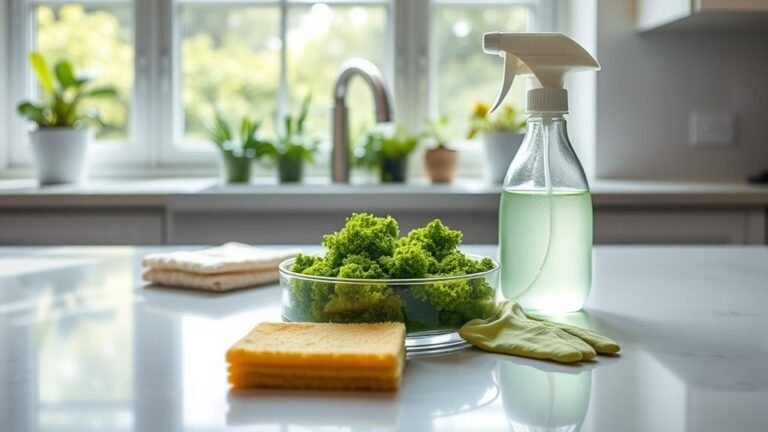
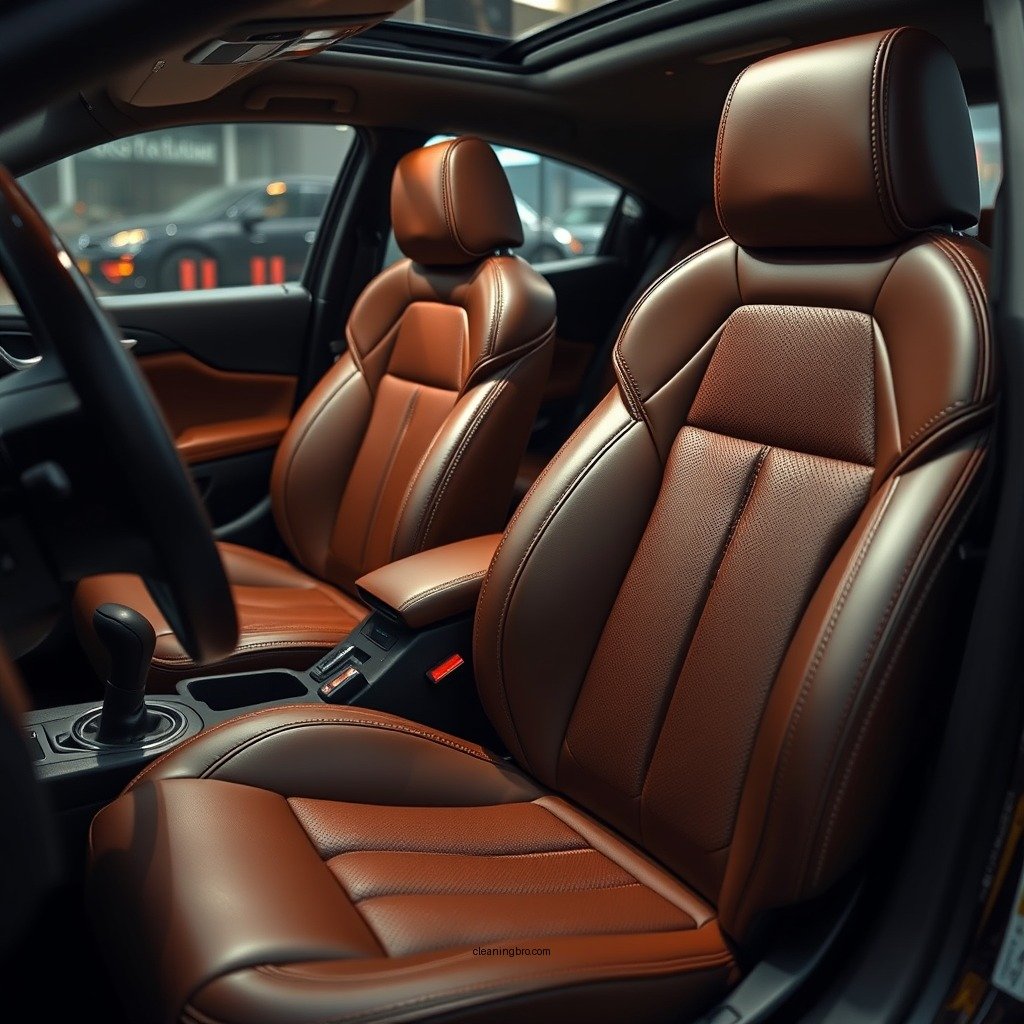
Cleaning mold off leather car seats is essential to preserve their integrity and appearance. Mold can damage leather and create an unpleasant odor, but with the right approach and a few household items, you can effectively remove it. This guide will walk you through the necessary steps to ensure your leather seats are mold-free and well-maintained, allowing you to keep your vehicle looking its best.
Understanding the Causes of Mold on Leather

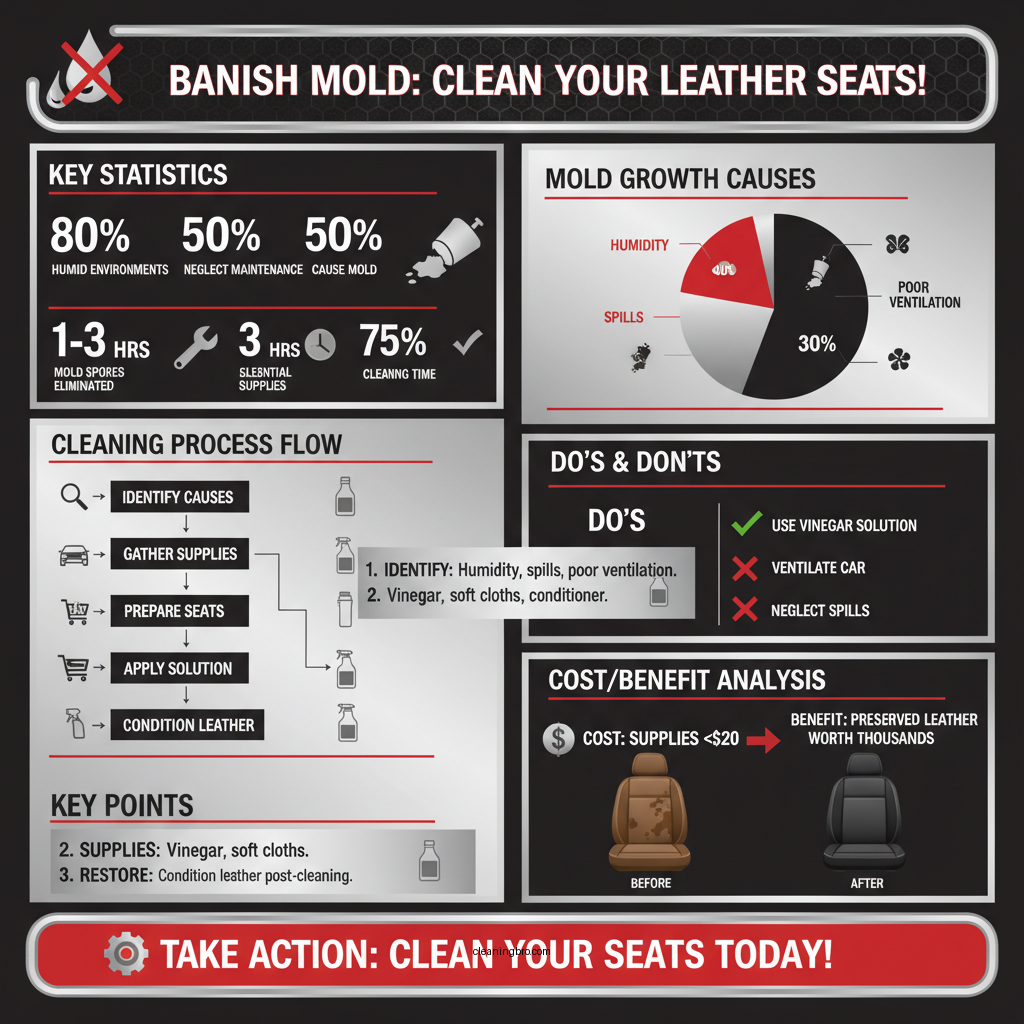
Mold thrives in damp and humid environments, which can often result from spills, leaks, or moisture accumulation in the vehicle. Leather is particularly susceptible to mold growth when it is not properly cleaned and maintained. Conditions like poor ventilation, warm temperatures, and prolonged exposure to humidity can exacerbate mold proliferation on leather surfaces. Understanding these causes is vital for both effective cleaning and preventive measures.
– Spills: Accidental spills of drinks or food can create a breeding ground for mold if not cleaned promptly.
– Humidity: High humidity levels contribute significantly to mold growth, making vehicles parked in humid climates more vulnerable.
– Poor Air Circulation: Vehicles that are frequently closed without ventilation can trap moisture, leading to mold issues.
By recognizing these causes, vehicle owners can take proactive steps to mitigate mold growth and maintain the quality of their leather seats.
Gathering Your Cleaning Supplies
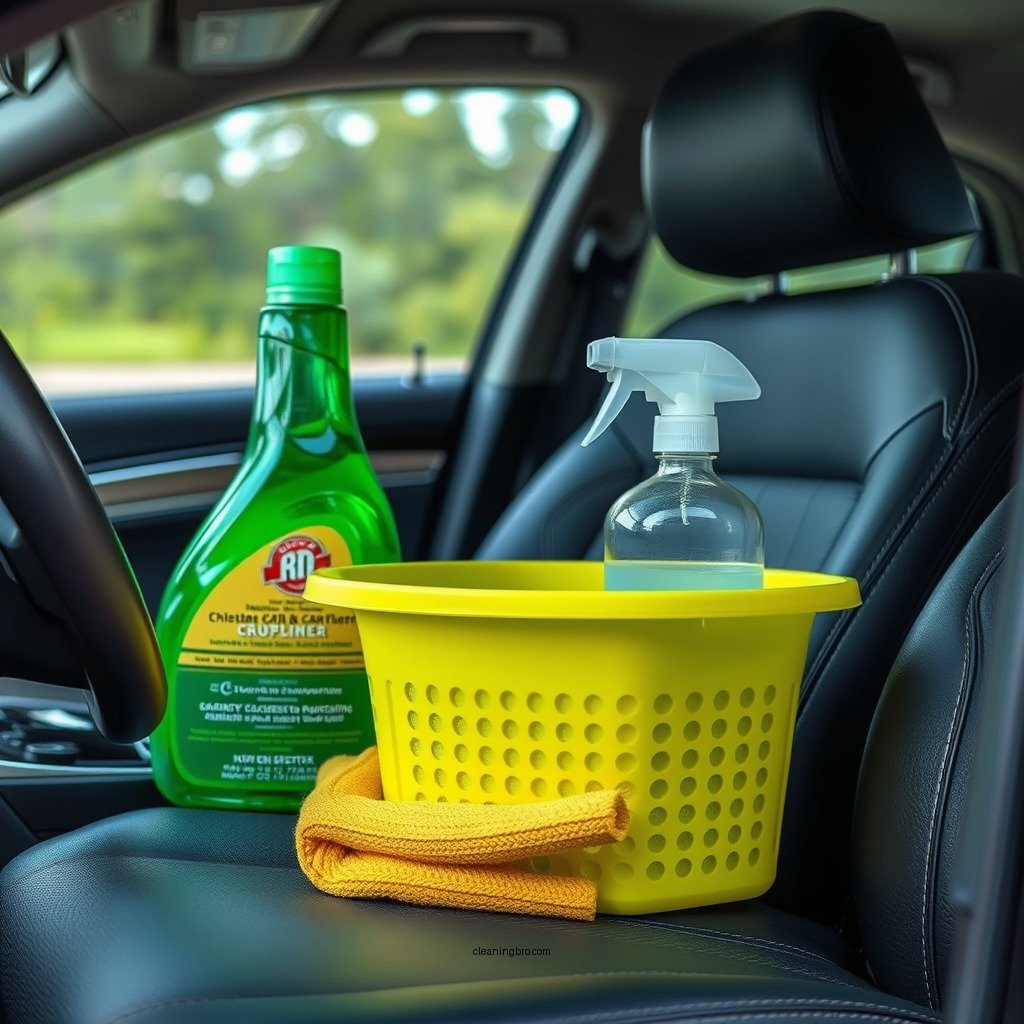
Before starting the cleaning process, gather the following essential items to ensure effective mold removal:
– White Vinegar: A natural mold killer, vinegar can effectively eliminate mold spores without harsh chemicals.
– Soft Cloths: These will be used for applying the cleaning solution and wiping down the leather.
– Leather Conditioner: Essential for restoring moisture and suppleness to the leather post-cleaning.
– Optional Supplies:
– Mild Soap: A gentle soap can be used if the mold is particularly stubborn.
– Soft-Bristle Brush: This can help to gently scrub away tough mold spots without damaging the leather.
– Spray Bottle: Useful for mixing and applying cleaning solutions evenly.
Having these supplies ready will streamline the cleaning process and ensure that you address the mold effectively.
Preparing the Leather Seats for Cleaning
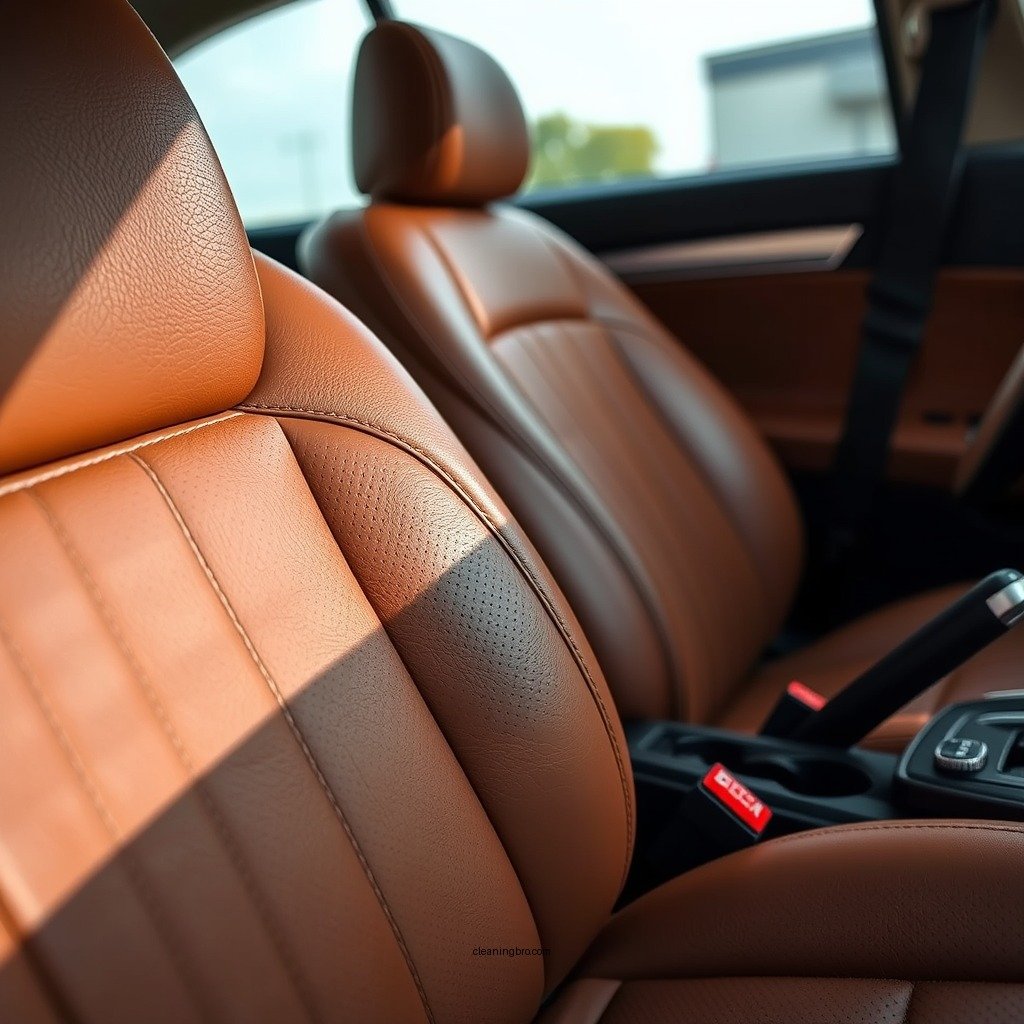
Preparation is key to an effective cleaning process. Follow these steps to get your leather seats ready:
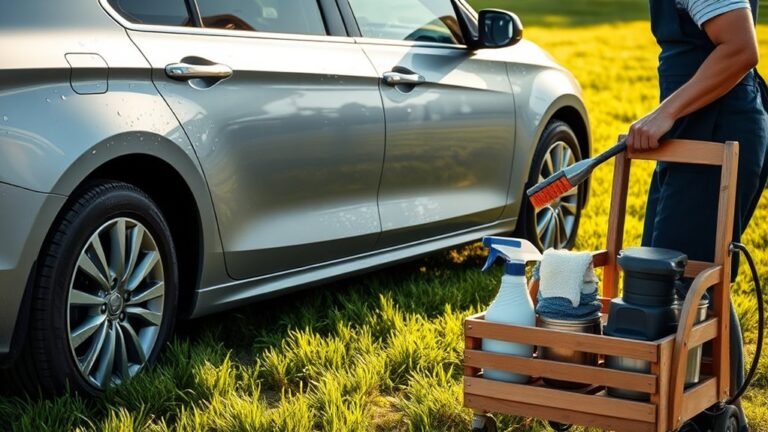
– Ventilation: Park the car in a well-ventilated area, preferably outdoors, to promote airflow and prevent mold spores from lingering in the car during the cleaning process.
– Remove Loose Debris: Use a vacuum cleaner with a soft brush attachment to remove any loose dirt, dust, or debris from the seats. This step is crucial as it prevents dirt from mixing with your cleaning solution and scratching the leather during the cleaning process.
By adequately preparing the seats, you set the stage for a successful mold removal operation.
Top 7 Common Mold Types Found in Vehicles (2024)
| # | Mold Type | Appearance | Health Risks | Removal Difficulty |
|---|---|---|---|---|
| 1 | Aspergillus | Greenish/black | Respiratory issues | Moderate |
| 2 | Penicillium | Blue/green | Allergic reactions | Easy |
| 3 | Cladosporium | Dark green | Asthma exacerbation | Hard |
| 4 | Alternaria | Dark brown | Respiratory problems | Easy |
| 5 | Fusarium | White/pink | Skin irritation | Moderate |
| 6 | Acremonium | White/gray | Respiratory issues | Hard |
| 7 | Stachybotrys | Black | Severe health risks | Very Hard |
Cleaning the Mold Off the Leather
Now that your leather seats are prepared, it’s time to clean the mold. Follow these steps for effective cleaning:
– Mix the Cleaning Solution: In a spray bottle, mix equal parts of white vinegar and water. This solution is effective in killing mold spores and is safe for leather.
– Application: Dampen a soft cloth with the vinegar solution and gently wipe the affected areas. Be cautious not to soak the leather, as excess moisture can lead to further mold growth.
– Scrubbing Stubborn Spots: For more stubborn mold spots, use a soft-bristle brush to gently scrub the surface. Ensure that you are delicate while scrubbing to avoid damaging the leather’s finish.
After cleaning, it is crucial to ensure that the leather dries properly to prevent any remaining moisture that could lead to mold regrowth.
Drying and Conditioning the Leather
Once the cleaning process is complete, allow the leather seats to air dry completely. This step is crucial, as any moisture left on the leather can promote mold regrowth. Here are the steps to follow:
– Air Drying: Leave the doors or windows of the vehicle open to facilitate air circulation and speed up the drying process. Avoid using heat sources like hairdryers, as they can damage the leather.
– Conditioning: After the leather is completely dry, apply a high-quality leather conditioner. This will restore moisture and suppleness to the leather while also creating a protective barrier against future mold growth. Use a clean cloth to apply the conditioner evenly, following the manufacturer’s instructions.
Proper drying and conditioning are essential for maintaining the quality and appearance of your leather seats.
Preventing Future Mold Growth
To prevent mold from returning and to maintain the integrity of your leather car seats, consider implementing the following strategies:
– Ventilation: Ensure that your car has proper ventilation, especially during humid seasons. Leaving windows slightly open or using air conditioning can help reduce humidity levels inside the vehicle.
– Regular Cleaning: Regularly clean and condition your leather seats. A proactive approach can help eliminate mold spores before they have a chance to grow.
– Immediate Spill Response: Address spills immediately by cleaning them up and ensuring that the area is dried properly. This practice can significantly reduce the chances of mold growth.
By taking these preventive measures, you can keep your leather car seats in pristine condition and free from mold.
When to Seek Professional Help
While many mold issues can be addressed with DIY methods, some situations may require professional assistance:
– Extensive Mold Infestation: If you notice a significant mold problem that covers a large area of your car seats, it may be best to consult a professional detailing service that specializes in leather care. They have the equipment and expertise to handle severe infestations without damaging the leather.
– Health Concerns: Some types of mold, like Stachybotrys (black mold), can pose health risks. If you suspect that harmful mold is present, it is prudent to seek professional help to ensure safe and effective removal.
When in doubt, it’s best to err on the side of caution and consult a professional to protect both your health and your investment.
Summarizing the importance of keeping your leather car seats clean and mold-free, regular maintenance and proper cleaning techniques are vital. By following these steps, you can effectively remove mold and protect your investment. Implement preventive measures to ensure your car’s interior remains in pristine condition, and take action now to maintain the aesthetic and functional qualities of your vehicle’s leather upholstery.
Frequently Asked Questions
What are the best methods to clean mold off of leather car seats?
The best methods to clean mold off of leather car seats involve using a mixture of mild soap and water or specialized leather cleaners. Apply the solution with a soft cloth, gently scrubbing the affected areas, and be sure to rinse with a damp cloth afterward. For stubborn mold, a mixture of vinegar and water can also be effective, but always test on a hidden area first to prevent damage.
How can I prevent mold from growing on my leather car seats in the future?
To prevent mold growth on leather car seats, keep your car dry and well-ventilated, especially in humid conditions. Regularly clean your seats with a leather conditioner that includes mold-inhibiting properties, and ensure that spills are promptly dried to avoid moisture accumulation. Additionally, consider using a dehumidifier or moisture absorbers in your vehicle.
Why is it important to remove mold from leather car seats promptly?
It is crucial to remove mold from leather car seats promptly because mold can cause permanent damage to the leather and lead to unpleasant odors. Additionally, prolonged exposure to mold can pose health risks, especially for individuals with allergies or respiratory issues. Addressing mold quickly not only maintains the aesthetic appeal of your car but also ensures a healthier environment.
Which products are safe for cleaning mold off leather car seats?
Safe products for cleaning mold off leather car seats include pH-balanced leather cleaners, white vinegar, and mild dish soap mixed with water. Avoid using harsh chemicals like bleach or ammonia, as they can damage the leather. Always check the product labels to ensure they are specifically designed for use on leather.
How do I know if the mold on my leather car seats is completely removed?
To determine if the mold on your leather car seats is completely removed, visually inspect the area for any remaining discoloration or spots. Additionally, you can smell the leather; if there is still a musty odor, it may indicate that mold spores remain. After cleaning, consider applying a leather conditioner to restore moisture and protect against future mold growth.
References
- https://www.ncbi.nlm.nih.gov/pmc/articles/PMC6300700/
https://www.ncbi.nlm.nih.gov/pmc/articles/PMC6300700/ - https://www.mayoclinic.org/diseases-conditions/mold-allergy/symptoms-causes/syc-20368107
https://www.mayoclinic.org/diseases-conditions/mold-allergy/symptoms-causes/syc-20368107 - https://www.cdc.gov/mold/default.htm
https://www.cdc.gov/mold/default.htm - https://www.nature.com/articles/s41598-020-75477-5
https://www.nature.com/articles/s41598-020-75477-5 - Google Scholar Google Scholar
https://scholar.google.com/scholar?q=cleaning+mold+off+leather+car+seats - Google Scholar Google Scholar
https://scholar.google.com/scholar?q=mold+removal+leather+cleaning - Google Scholar Google Scholar
https://scholar.google.com/scholar?q=leather+care+mold+removal - https://www.bbc.com/future/article/20201030-how-to-clean-a-moldy-car
https://www.bbc.com/future/article/20201030-how-to-clean-a-moldy-car - https://www.theguardian.com/lifeandstyle/2021/may/19/how-to-clean-mold-from-leather-furniture
https://www.theguardian.com/lifeandstyle/2021/may/19/how-to-clean-mold-from-leather-furniture - Google Scholar Google Scholar
https://scholar.google.com/scholar?q=how+to+clean+mold+off+of+leather+car+seats