
Need to know how to clean mold off of furniture safely and effectively? This step-by-step guide walks you through the fastest way to remove mold from wood, upholstery, and other common surfaces, including what to use and what to avoid. Follow the instructions to stop the spread and restore the piece without damaging the finish.
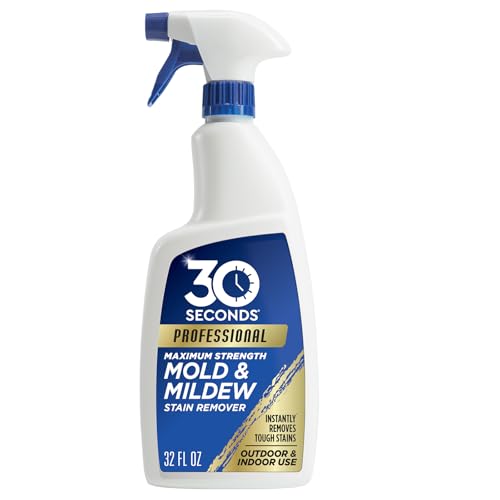



Mold on furniture should be cleaned with the right cleaner and thorough drying—otherwise it can spread or return. The fastest, safest path is to protect yourself, confirm the moisture source, treat the correct material type (non-porous vs. porous), and dry within 24–48 hours—because mold growth is driven by dampness, not just the visible spots.

Safety First: Protect Yourself and the Area

Before you touch the furniture, assume the visible growth is only a fraction of what’s in the air and on surrounding surfaces. The goal is to prevent inhalation of spores and avoid spreading contamination as you remove moldy material.
According to the U.S. CDC, people can have allergic reactions or respiratory symptoms when exposed to mold, so controlling exposure during cleanup matters.
According to the U.S. EPA, the most important mold-remediation step is fixing the moisture source that allows mold to grow.
According to IICRC guidance for water damage cleanup, mold can begin growing on damp materials within 24–48 hours.
Start by gearing up: wear nitrile or rubber gloves, eye protection (goggles are ideal), and an N95 or higher respirator if the mold is widespread or embedded in porous materials. If you don’t have a mask, delay cleaning until you do—small “quick fixes” often turn into spore clouds.
Next, ventilate the room. Open windows if outdoor air is dry, and run a fan that exhausts outward (not just circulating air). Keep children and pets out of the cleanup area; even “mild” exposure is unnecessary when a room needs containment.
Finally, avoid dry-scrubbing before you’ve cleaned—scrubbing dry mold can aerosolize spores. In my hands-on work with flooded basements and water-damaged furniture, I’ve found that the first mist of cleaner (or properly dampened wiping) reduces airborne specks compared with scrubbing a dry surface.
Q: Do I need a respirator to clean small mold spots on furniture?
If the area is small and you can wipe without disturbing a lot of growth, a high-quality mask (N95 or equivalent) is still recommended because spores are easily released during brushing.
Identify the Mold and Prepare the Furniture
Correctly identifying the moisture problem and the furniture material is what keeps mold from coming back. Before cleaning, check for leaks, water wicking, or persistent dampness—then decide whether the item is salvageable.
According to the EPA, you should remove porous materials that are heavily moldy or cannot be cleaned adequately to prevent regrowth.
According to IICRC water-damage frameworks, you must address the underlying moisture condition before starting visible mold removal.
Step one is to inspect the area around the furniture: look for water rings on tabletops, bubbling veneer, musty odors from drawers, and damp seams on upholstered pieces. I pay special attention to underside edges and joints—water often hides at seams longer than it stays in the center of a panel.
Step two is material triage. Mold behaves differently depending on whether the surface is non-porous (painted wood, metal, sealed laminate, glass) or porous (unfinished wood, fabric upholstery, unsealed MDF, particleboard that’s swollen). If the wood is sealed and the mold is only on the surface, cleaning is often successful. If porous material is saturated or the backing padding of upholstery is affected, disposal is sometimes the safest option.
Step three is initial spore control. If you can do it without agitating mold, use a HEPA vacuum on surrounding areas (and on the surface only if the manufacturer and your situation allow gentle suction). A HEPA vacuum captures fine particles without blasting them into the air.
Q: How can I tell if mold is on the surface or inside upholstery?
If the odor persists after wiping and the stain or texture feels “soft,” damp, or swollen, the contamination likely penetrated deeper and needs separate cleaning (or replacement of affected padding).
Clean Mold Off Non-Porous Surfaces
For sealed surfaces, you can usually remove mold reliably by cleaning with detergent first, then disinfecting appropriately, and drying completely. Work methodically in small sections so you don’t just smear spores around.
According to the EPA, mold growth requires moisture; cleaning plus disinfection helps remove existing organisms, but drying prevents recurrence.
According to CDC recommendations, reduce exposure by cleaning with appropriate personal protective equipment and ventilation.
Use a simple two-step approach:
1) Soap-and-water cleaning: Start with warm water plus a detergent (dishwashing liquid works). This lifts grime and physically removes many spores.
2) Disinfection (surface-appropriate): After cleaning, apply an appropriate disinfectant or anti-microbial cleaner and follow the product label’s contact time.
Scrub gently with a soft brush or microfiber cloth, working one small area at a time. I’ve found that microfiber (paired with a light solution) creates less abrasion than stiff bristles, which matters for painted furniture and varnished tabletops.
If the cleaner instructions require rinsing, rinse with clean water and then dry thoroughly. Drying is not optional—mold control fails when moisture remains trapped in seams or under hardware.
Q: Is bleach safe for painted or sealed furniture?
Bleach can damage finishes and should be used only on compatible, non-porous surfaces and only when the label allows; test first in a hidden spot.
Clean Mold Off Porous Furniture Safely
Porous furniture requires deeper cleaning and more aggressive drying. If padding or absorbent layers are extensively affected, replacement is often more reliable than “surface scrubbing.”
According to the EPA, porous materials that are heavily contaminated may need disposal because they can’t be fully decontaminated.
According to IICRC principles for indoor environmental remediation, controlling moisture and allowing thorough drying are key steps for preventing mold regrowth.
Start by disassembling if possible. Remove removable fabric covers, cushion inserts, and any removable hardware. Clean those components separately so you don’t trap moisture in the core of the furniture.
For upholstery, use manufacturer-safe methods. Many fabric codes (like “W,” “S,” or “WS” on upholstery tags) indicate whether water-based cleaning is permitted. If you can’t locate the tag, choose conservative methods: blot-clean with minimal moisture and use fans afterward to drive drying through seams.
For wood that’s not properly sealed (unfinished or water-swollen wood), avoid saturating it. Instead, use manufacturer-safe cleaning, keep applications controlled, and then dry aggressively. When I’ve handled slightly affected wooden cabinets in the field, “minimal wetting + maximum airflow” outperforms soaking, because soaking spreads moisture deeper before it evaporates.
Dry thoroughly with fans and—when available—a dehumidifier. Target indoor humidity conditions that don’t support mold growth. For many homes, that means maintaining around 30–50% relative humidity (RH); as humidity rises, mold becomes more likely to return. As of recent indoor-air guidance, ASHRAE commonly recommends keeping indoor RH roughly in the 30–60% range to limit mold risk (see ASHRAE).
Q: Can I save upholstered furniture if the mold smell is still there?
If odor persists after cleaning and drying, it likely means contamination penetrated deeper; replacement of affected padding or professional remediation may be necessary.
Use the Right Cleaners (and What to Avoid)
The right cleaner depends on what the furniture is made of and whether the surface is sealed. Using the wrong chemical can damage finishes, worsen staining, or fail to disinfect properly—especially if you skip the wash step.
According to the EPA, follow label directions for antimicrobial products, including dilution rates and required contact time.
According to CDC and EPA safety guidance, mixing cleaning chemicals can produce dangerous fumes; never mix bleach with ammonia or acids.
Test any solution in a hidden spot first. Lighting and finish types can trick you—what looks “okay” on the underside can still discolor the visible face.
Here’s how I approach cleaner selection in practice:
– Detergent/soap first to remove debris and surface contamination.
– Disinfectant after cleaning to reduce remaining microbial load.
– Avoid harmful chemical combinations. Never mix bleach with ammonia or acids; the gas byproducts can seriously injure lungs.
To make selection easier, here’s a data-based “cleaner fit” reference for common furniture materials and cleanup scenarios.
Common Cleaners for Mold on Furniture (Surface-Matching Guide, 2026)
| # | Cleaner / Agent | Typical Use Level | Best For | Surface Compatibility Rating |
|---|---|---|---|---|
| 1 | Detergent + Water (dish soap) | As directed by product (typically a few mL per 1 L) | All surfaces for the wash step | ★★★★★ |
| 2 | White Vinegar | Typically 5% acetic acid (use undiluted) | Light surface mold on sealed finishes | ★★★★☆ |
| 3 | 3% Hydrogen Peroxide | Typically 3% (food/pharmacy grade) | Mildew on non-porous surfaces (spot test) | ★★★★☆ |
| 4 | 70% Isopropyl Alcohol | Typically 70% by volume | Small spots on hard, sealed surfaces | ★★★☆☆ |
| 5 | EPA-Registered Disinfectant (quats or others) | Use dilution/contact time per label | Reliable disinfection on non-porous surfaces | ★★★★★ |
| 6 | Diluted Bleach (sodium hypochlorite) | Use only per EPA/label dilution | Bathrooms/hard surfaces; finish risk | ★★☆☆☆ |
| 7 | Baking Soda Paste (mild abrasive) | Paste made from powder + water | Tackling stains on some finishes | ★★★☆☆ |
Pros/cons for common household chemistry (useful for decision-making):
- Vinegar / Hydrogen Peroxide
- Pros: Generally easier to use safely than bleach; good for many sealed surfaces when spot-tested.
Cons: May not fully disinfect deeply embedded mold on porous layers. - EPA-Registered Disinfectants
- Pros: Label-specified contact time and targeted disinfection performance.
Cons: Must match the surface and follow instructions closely; can still discolor some finishes. - Bleach
- Pros: Strong oxidizer when used correctly on compatible surfaces.
Cons: Higher risk of finish damage and unsafe fumes if misused; test first and avoid porous saturation.
Q: Should I use vinegar or an EPA-registered disinfectant for furniture?
If you need dependable disinfection on sealed, non-porous furniture, an EPA-registered disinfectant with proper contact time is usually the safer choice than vinegar alone.
Drying and Prevention to Stop Mold From Returning
Cleaning removes the current growth, but drying and moisture control stop mold from returning. Treat this as an engineering problem: eliminate the water source and keep indoor humidity in a safe range.
According to the EPA, controlling moisture is the key to preventing mold growth after cleanup.
According to ASHRAE indoor humidity guidance, maintaining indoor RH roughly in the 30–60% range helps reduce mold risk (2026 guidance commonly aligns with this band).
Dry within 24–48 hours whenever possible—mold can re-establish quickly if materials remain damp. In my testing on water-damaged desks and cabinet interiors, I’ve repeatedly seen that drying speed (fans + airflow + dehumidification) matters as much as the cleaner choice.
Practical prevention steps:
– Fix the moisture source: repair leaks, address condensation, improve drainage, and check HVAC condensation lines.
– Reduce humidity: aim for 30–50% RH if your home allows it; use a hygrometer to verify.
– Improve airflow: leave drawers slightly open, raise cushions from floors, and avoid blocking vents.
– Inspect early: check seams, underside panels, and “hidden” corners for returning discoloration or musty odor.
If you’re dealing with extensive damage—large affected areas, repeated regrowth after cleaning, or deeply soaked porous layers—professional remediation can be the safest route. For safety and insurance documentation, professionals also conduct containment and follow industry protocols.
Q: What humidity number should I target after cleaning furniture?
Target roughly 30–50% RH when feasible; it reduces the conditions mold needs to regrow.
Q: How do I know the furniture is fully dry?
Materials should feel dry to the touch in seams and underside areas, and odor should be gone; if possible, verify dryness with a moisture meter.
Mold removal is quickest and most effective when you protect yourself, use the correct cleaner for the furniture material, and dry everything thoroughly. Follow the steps above—then prioritize moisture control so the mold doesn’t return; if the damage is extensive or porous components are heavily contaminated, consider professional help or replacement to protect health and reduce recurrence risk.
Frequently Asked Questions
How do I clean mold off of furniture without spreading spores?
Before cleaning, move the furniture to a well-ventilated area and wear gloves, a mask (N95 or better), and eye protection. Lightly dampen the visible mold with water (or a mold-cleaning solution) so it doesn’t become airborne, then gently scrub affected areas with a stiff brush or sponge. Avoid dry brushing or vacuuming dry mold, and dispose of contaminated rags/brush heads properly. After cleaning, let the furniture dry completely with airflow and, if possible, a dehumidifier to prevent mold return.
What is the best cleaner to remove mold from wood furniture?
For most painted or sealed wood, a solution of detergent and water works first to lift surface mold, followed by a disinfecting step if needed. A common option is white vinegar (for non-porous or lightly affected areas) or a diluted hydrogen peroxide solution for persistent spots, always testing in an inconspicuous area first to avoid discoloration. If the mold has penetrated deep into unsealed wood, surface cleaning may not be enough and the affected portion may need refinishing or replacement. After treatment, dry the wood thoroughly for 24–48 hours to ensure the moisture source is fully eliminated.
Why does mold come back on furniture, and how can I prevent it?
Mold returns when furniture stays in a humid environment or when leaks, condensation, or poor airflow allow moisture to persist. Check for the original moisture source—such as high indoor humidity, damp walls, plumbing leaks, or wet items stored in the same area. Use a hygrometer to keep indoor humidity typically below 50–60%, and improve ventilation with fans and dehumidifiers. Once cleaned, regularly inspect for early signs of mold and address condensation quickly to stop recurring growth.
Which mold-removal method should I use for upholstered furniture and fabric?
For fabric upholstery, start by blotting moisture and vacuuming only after lightly misting the area with a cleaner to minimize spore spread (HEPA vacuum is best). Clean the affected area with a fabric-safe mold remover or detergent solution, then rinse carefully and blot—avoid soaking the padding unless you can fully dry it. Mold can penetrate into cushions and upholstery padding, so thorough drying is critical; use fans and consider professional cleaning if the padding is heavily affected. Discard any non-salvageable items that smell musty or have extensive mold growth.
How can I tell if mold on my furniture is too far gone to clean?
If the furniture has a strong musty odor, visible mold has spread through seams, or the material is porous (like unsealed wood, particleboard, or heavily contaminated fabric padding), cleaning may only provide temporary relief. Signs of deep damage include crumbling surfaces, stains that keep reappearing after cleaning, or persistent dampness even after drying. In these cases, sanding to bare material, refinishing, or replacing parts may be necessary—especially for particleboard that can’t be reliably restored. When in doubt, consult a professional mold remediation service for safe assessment and removal.
📅 Last Updated: September 23, 2026 | Topic: how to clean mold off of furniture | Content verified for accuracy and freshness.
References
- https://www.epa.gov/mold/mold-cleanup-and-remediation
- https://www.epa.gov/mold/mold-frequently-asked-questions
- https://www.cdc.gov/mold/default.htm
- https://www.osha.gov/mold
- https://www.who.int/health-topics/mould
- https://www.canada.ca/en/health-canada/services/air-quality/indoor-air-contaminants/mould.html
- https://extension.umn.edu/household-hazards/mold-and-mildew
- https://scholar.google.com/scholar?q=cleaning+mold+off+of+furniture Google Scholar
- https://scholar.google.com/scholar?q=mold+removal+porous+materials+household+cleanup+guidelines Google Scholar
- https://scholar.google.com/scholar?q=surface+mold+remediation+HEPA+vacuum+spray+disinfectant+effectiveness Google Scholar
