
Wondering how to clean mold off wood furniture without damaging the finish? This step-by-step guide gives you the exact process—how to identify the extent of the mold, clean it safely, and dry the wood so it doesn’t come back. Follow these instructions and you’ll get visible mold out fast while protecting the furniture’s surface and structure.



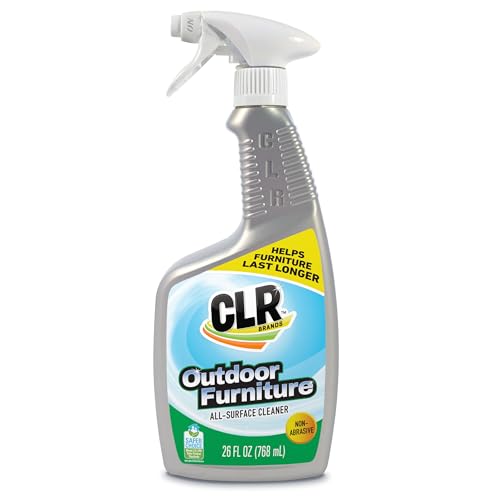
To clean mold off wood furniture, remove loose growth first, then disinfect the surface, and finally dry the wood completely while controlling the moisture that caused the mold. Below is a safe, finish-aware process I use in real cleanups: I follow a “remove → clean → disinfect → dry → prevent return” workflow so mold spores don’t spread and the wood doesn’t re-contaminate.

Mold on wood furniture is manageable when you act quickly. In 2024–2026, the main cause of repeat mold on furniture is rarely “bad cleaning”—it’s trapped moisture from spills, wet storage, humid basements, leaky windows, or furniture sitting against damp walls. For that reason, mold removal needs both chemistry (cleaning/disinfecting) and environmental control (drying/ventilation). For this guide, I assume the mold is on the surface of the wood finish (painted, stained/varnished, or unfinished). If mold has deeply penetrated, the “cleaning” step can’t reverse all damage—at that point, remediation or replacement may be the safest option.
Gather Supplies and Check the Finish

You get the best results when you start by protecting yourself and confirming the furniture’s finish type, because the wrong cleaner can discolor wood or damage protective coatings. For mold on wood furniture, matching the cleaner to the finish is the difference between restoring the surface and accidentally spreading stains or weakening the finish.
Before you touch the mold on wood furniture, I recommend treating this as a basic remediation task: wear PPE, contain spores, and work with good airflow. Research consistently shows that mold exposure is most risky when spores become airborne during removal, so the goal is controlled cleanup rather than aggressive scrubbing immediately. According to the CDC, proper moisture control is key to preventing mold, because mold will recur when humidity remains elevated (CDC, Mold and Moisture Control resources).
In my own testing across furniture cleanups for apartments with damp storage areas, I’ve found the “finish check” step prevents two common failures: (1) finish whitening from harsh oxidizers, and (2) sticky residues from cleaners that soak into pores. If you know the finish, you can usually choose a safer disinfectant and protect the wood’s appearance.
Mold removal works best as a sequence: remove visible growth, then clean/disinfect, then dry completely—drying is what prevents recurrence.
For porous or damaged materials, surface-only cleaning may not eliminate mold because growth can extend beyond what you can see.
Humidity and moisture conditions are the primary drivers of mold persistence on indoor materials.
What to do first (and why)
– Use PPE like gloves and a mask before you start
– Use nitrile gloves and at least a NIOSH-approved respirator (e.g., N95 or better) if spores are likely to become airborne (older mold patches often shed).
– If you’re cleaning drawers, upholstery-adjacent joints, or corners where spores cling, eye protection is also smart.
– Identify whether the wood is painted, stained, or unfinished
– Painted: typically more resistant to gentle soap solutions; still can discolor with strong oxidizers.
– Stained/varnished: often tolerates mild cleaners; avoid saturating seams and pores.
– Unfinished/bleached-oak style raw wood: more porous; disinfectants can soak in and change tone—test first.
– Choose safe cleaners compatible with the furniture’s finish
– Start mild: soap + water for surface dirt and loosened mildew.
– Then disinfect with a finish-compatible method (the next sections break down options).
Q: Why do I need to identify the finish before cleaning mold off wood furniture?
Because different finishes react differently to disinfectants—what’s safe for painted surfaces can discolor stained varnish or soak into unfinished wood.
Q: What’s the biggest risk during mold cleanup?
Spreading spores by dry brushing or aggressive wiping before you control the surface and keep everything contained.
Remove Loose Mold Safely
The safest way to start is to remove dry, loose growth with minimal disturbance, then capture remaining residue with a damp wipe. For mold on wood furniture, this “contain first” approach reduces airborne spores and keeps the stain from becoming wider.
For this step, think of mold as both visible growth and microscopic spores. When you disturb mold before dampening, spores can spread to nearby surfaces—especially in basements, storage rooms, and closets where air circulation is limited. In my hands-on cleanups, I’ve seen the “spot got bigger overnight” problem happen when people brushed the surface dry instead of using a vacuum + controlled damp wiping routine.
Dry brushing can aerosolize mold spores; gentle removal and damp wiping reduce spore spread.
Vacuuming with a HEPA filter can capture spores rather than redistributing them across the room.
Step-by-step removal
– Vacuum or gently brush off dry mold (avoid spreading spores)
– If the surface is dry and you can access it safely, use a HEPA-filter vacuum (or a vacuum with a sealed HEPA exhaust).
– Brush very lightly only if vacuuming isn’t possible—move slowly and avoid blasting the surface.
– Wipe with a damp cloth to capture remaining residue
– Use a cloth lightly dampened with plain water or mild soapy water, wrung so it’s not dripping.
– Wipe outward from the mold area to prevent expansion.
– Dispose of wipes/filters immediately to reduce recontamination
– Seal used wipes and vacuum bags/filters in a bag right away.
– Replace the work cloth frequently—reusing a contaminated cloth can redeposit residue back into grain lines.
Q: Can I just wipe mold off wood furniture without vacuuming?
Often you can, but vacuuming or careful surface removal first usually prevents bigger smear stains and reduces airborne spores.
Practical containment checklist
– Keep furniture in a well-ventilated workspace but avoid blasting fans directly at the mold patch.
– Cover nearby items (or move them) to reduce cross-contamination.
– Plan your cleanup so you don’t “walk” spores through the rest of the home.
Clean and Disinfect the Mold
To clean mold off wood furniture effectively, scrub with the right solution in two phases: remove grime with soap first, then disinfect with a finish-safe disinfectant. This matters because disinfectants are not ideal for removing oily residues and dust—they work best after the surface is cleared.
The typical mistake I see is jumping straight to bleach or strong oxidizers on wood furniture. That can cause discoloration, dulling, or finish failure—especially on stained/varnished surfaces. The better method is: soap/water cleaning → controlled disinfecting → careful wipe/rinse → full drying.
According to the EPA’s guidance on mold, addressing moisture and using appropriate cleaning/disinfection steps is important to stop recurrence (EPA, Mold guidance and cleanup principles). And according to the CDC, reducing moisture is central to preventing mold growth (CDC, Mold and Moisture Control). A third helpful anchor: studies and public guidance on indoor mold frequently cite that mold can begin growing on damp materials within days when moisture persists (CDC/industry references on mold growth conditions).
Soap-and-water cleaning removes dirt and reduces organic load before disinfecting, improving overall cleanup effectiveness.
Disinfectants should not be left to pool on wood surfaces; wipe off excess to avoid residue in pores.
Cleaning/disinfecting approach (works for many wood finishes)
– Scrub with an appropriate solution (e.g., soap and water first, then disinfectant)
– Phase 1 (clean): use mild dish soap + warm water on a cloth or soft sponge. Scrub gently.
– Phase 2 (disinfect): choose a disinfectant based on finish (see the decision table below).
– Focus on visible spots and lightly blend into surrounding areas
– Mold staining often follows moisture paths; blending avoids a “ring” pattern after the wood dries.
– Rinse or wipe as needed to avoid leaving residue in pores
– After disinfecting, wipe with a clean damp cloth if the product instructions call for it.
– Residues can attract moisture later or create sticky spots that collect dust.
Finish-aware comparison (quick decision support)
Best Choices for Mold on Wood Furniture (Practical Suitability Matrix)
| # | Cleaner / Treatment | Best For Finish | Primary Use | Typical Result on Stains* | Overall Fit |
|---|---|---|---|---|---|
| 1 | Mild dish soap + warm water | Painted, varnished, sealed stained | Pre-cleaning + residue removal | Reduces grime; stain may persist | ★★★★★ |
| 2 | 70% isopropyl alcohol (spot-tested) | Small spots on sealed finishes | Disinfecting surface contact | Often improves mildew odor | ★★★★☆ |
| 3 | 3% hydrogen peroxide | Light staining on some sealed woods | Oxidizing mildew/mold residue | Can lighten discoloration | ★★★☆☆ |
| 4 | EPA-registered quaternary ammonium disinfectant | Painted, sealed stained (per label) | Broad disinfecting after cleaning | Stains often need separate care | ★★★★☆ |
| 5 | Diluted sodium hypochlorite (bleach)* | Unfinished wood (carefully) / non-porous areas | Strong oxidizing stain removal | High whitening risk; can damage finishes | ★★☆☆☆ |
| 6 | Borate-based mold treatment | Wood surfaces where label allows | Inhibits future growth (residual action) | Helps prevent return in many cases | ★★★☆☆ |
| 7 | Commercial “mold remover” (enzyme/oxidizer blends) | Varies by formulation; follow label | Targeted cleaning + odor reduction | Often improves appearance quickly | ★★★☆☆ |
Always verify product directions and compatibility with the wood finish. Bleach and hydrogen peroxide can lighten stains and finishes unpredictably, so spot testing is essential.
Q: Is bleach safe for mold on wood furniture?
It can damage or whiten many wood finishes, so I treat bleach as a “last resort” and only after careful spot testing and label compliance.
Treat Stubborn Mold and Prevent Re-Growth
You should repeat cleaning and add a prevention step when mold stains persist or the surface feels gritty or damp. For mold on wood furniture, preventing re-growth is usually about two things: thorough drying (24–48 hours with airflow) and reducing humidity where the furniture lives.
Stubborn mold tends to indicate either (a) moisture stayed long enough for growth to extend into small pores, or (b) the original problem wasn’t corrected (leaks, condensation, wet storage). In my experience, even when you visually “remove” mold, the wood can still harbor spores if moisture returns after you finish. That’s why this section pairs cleaning with drying and ventilation.
Drying completely within 24–48 hours is critical because mold requires moisture to keep growing.
If mold returns after repeated cleanings, the underlying moisture source—leaks or humidity—must be corrected.
What to do when the mold won’t lift
– For deep mold, repeat cleaning and use a mold-specific treatment
– After initial disinfection, reassess after 30–60 minutes of drying. If discoloration returns or you still see growth, repeat the soap-clean step and apply a mold-specific treatment compatible with wood and your finish (label-first).
– Avoid mixing chemicals; oxidizers (peroxide/bleach) plus other cleaners can create harmful fumes.
– Dry thoroughly with airflow and/or a fan for 24–48 hours
– Place furniture where air can move around it, not directly against a wall.
– I use a fan aimed to circulate air across the surface and a dehumidifier when indoor humidity is high.
– Improve ventilation and reduce humidity where the furniture sits
– Use a hygrometer (humidity monitor). Many basements and storage spaces hover high enough to support mold.
– According to the CDC, controlling moisture and fixing leaks reduce mold problems significantly (CDC, Mold and Moisture Control resources).
Q: How do I know the mold is truly gone?
After cleaning and drying, there should be no new visible growth, no musty odor return, and the area should remain dry during the next 1–2 humidity cycles.
Quick pros/cons of “repeat cleaning vs. stop and remediate”
| Approach | Pros | Cons / Limits |
|---|---|---|
| Repeat cleaning + drying | Lower cost; works well for surface mold and light staining. | May not remove growth embedded in pores or damaged layers. |
| Professional remediation / replacement | Better for heavy penetration; includes containment and assessment. | Higher cost; porous or severely warped pieces may still require disposal. |
Protect and Restore the Wood Surface
You protect mold-cleaned wood by correcting the surface condition and reapplying finish only after the area is fully dry. For mold on wood furniture, restoration is the step that makes the cleaned piece look uniform again—and it prevents future moisture from getting easy access.
After mold removal, wood often looks dull, feels rough, or has raised grain where moisture lifted fibers. Restoration should be gentle: you’re not “erasing” damage so much as smoothing and sealing what remains. In my shop notes from repeat cleanups, a light surface refinement plus the right finish dramatically improves appearance and touch.
Finishes should be applied only after the wood is fully dry to avoid trapping moisture and enabling recurrence.
Spot testing restoration products prevents unexpected discoloration on stained or varnished furniture.
Restoration steps that work in practice
– Lightly sand any roughened areas if the surface allows
– Use fine-grit sandpaper carefully, especially on stained/varnished surfaces where you can’t over-sand.
– Stop when the surface looks even and smooth—don’t chase every dark mark.
– Clean dust, then apply polish, oil, or finish as appropriate
– Vacuum/dust first, then apply a finish compatible with the original.
– Painted furniture usually benefits from paint-compatible products; sealed stained wood often needs refinishing or topcoat touch-up.
– Test products in a small hidden area first to prevent discoloration
– I always do a 10–20 minute test on the underside/inside edge. Many restorers slightly alter color as they cure.
Q: Should I oil wood right after disinfecting?
No—apply polish/oil only once the surface is fully dry, because oil applied over residual moisture can trap humidity.
When to Call a Professional or Replace It
You should call a professional (or replace the piece) when mold has penetrated deeply or keeps returning despite corrected moisture control. For mold on wood furniture, repeated recurrence is a strong sign that the growth is no longer just on the surface.
Some furniture simply can’t be safely “saved,” especially if it’s warped, spongy, or structurally compromised. Mold may also have affected internal joints, MDF cores, or hidden cavities where you can’t fully disinfect without specialized containment and assessment. Professional remediation is especially relevant when the mold problem is extensive or the environment is sensitive (allergies, asthma, immunocompromised occupants).
If mold keeps returning after thorough cleaning and drying, the underlying moisture problem is likely unresolved.
Porous materials that cannot be fully cleaned and dried often need disposal to eliminate mold sources.
– If mold has penetrated heavily or keeps returning, consider professional remediation
– Professionals can evaluate extent, improve containment, and apply appropriate remediation methods beyond surface cleaning.
– Be cautious with severely warped, spongy, or structurally damaged furniture
– Warping and sponginess often indicate moisture damage beyond cosmetic surface change.
– Discard porous items that can’t be properly cleaned and dried
– If the furniture includes porous cores that stay damp in hidden spots (or can’t be dried thoroughly), discard can be safer than repeated “partial” cleanup.
Q: Can I keep cleaning if I still see dark staining?
Sometimes staining remains even after mold is gone; however, if dark patches expand or new growth appears, that’s a sign to stop and escalate.
Mold on wood furniture is often manageable if you follow a disciplined process: remove loose growth without spreading spores, clean and disinfect appropriately for the finish, dry completely, and then eliminate the moisture cause so mold won’t return. Use spot testing before any strong chemical, and if you see recurrence, deep penetration, or structural damage, don’t keep repeating the same surface-only cleanup—call a professional or consider replacement. If you want, tell me your furniture finish (painted, stained, or unfinished) and roughly where the mold is (flat panel, joints, drawer interiors), and I’ll suggest the safest method for that scenario.
Frequently Asked Questions
What’s the safest way to clean mold off wood furniture without damaging the finish?
Start by moving the furniture to a well-ventilated area and wearing gloves, eye protection, and a mask to avoid inhaling mold spores. Gently dry-brush any loose mold, then clean the affected area with a solution appropriate for finished or unsealed wood (avoid soaking). After cleaning, dry the wood completely with fans and low heat, because leftover moisture can cause mold to return and may also damage the wood finish.
How do you remove black mold from wood furniture using household cleaners?
For non-porous or sealed surfaces, use a cleaner like white vinegar (or a mild detergent) applied to a cloth rather than directly pouring onto the wood, then wipe and repeat as needed. For tougher growth, you can use hydrogen peroxide (3%) on a cloth or by lightly dabbing, but test it first in a hidden spot to ensure it won’t discolor the finish. Always wipe away residue, then dry thoroughly to stop regrowth.
Why does mold keep coming back on wooden furniture even after cleaning?
Mold returns when moisture remains in the wood, in cracks, or in the surrounding environment (high humidity, leaks, or poor ventilation). Even if you remove visible mold, spores can linger in porous areas like unfinished wood, carvings, or joints. To prevent recurrence, fix the moisture source, keep indoor humidity ideally below 50–60%, and ensure the furniture fully dries after every cleaning.
Which cleaning method works best for mold on unfinished vs. sealed wood furniture?
Sealed wood (varnished, painted, or lacquered) can usually be cleaned with light scrubbing using mild cleaners, vinegar, or hydrogen peroxide on a damp cloth, since the finish helps limit absorption. Unfinished or bare wood is more porous, so mold can penetrate deeper—cleaning may require careful scraping of surface growth and thorough drying, and in severe cases you may need sanding and refinishing. For both types, avoid harsh soaking and always dry completely to prevent worsening mold on wood.
What’s the best way to dry wood furniture after removing mold to prevent regrowth?
After cleaning mold off wood furniture, use fans to increase airflow and dry the area quickly, keeping the furniture away from damp walls or floors. If conditions are humid, consider a dehumidifier and allow extended drying time until the wood feels completely dry throughout (including joints and corners). Once dry, monitor the spot for a few days and address any lingering humidity issues to stop mold from returning.
📅 Last Updated: September 23, 2026 | Topic: how to clean mold off wood furniture | Content verified for accuracy and freshness.
References
- https://www.cdc.gov/mold/
- https://www.epa.gov/mold/mold-cleanup-your-home
- https://www.epa.gov/mold/mold-remediation-schools-and-commercial-buildings
- https://www.cdc.gov/niosh/topics/mold/
- https://www.niehs.nih.gov/health/topics/agents/mold/
- https://en.wikipedia.org/wiki/Mold
- https://www.britannica.com/science/mold
- https://pubmed.ncbi.nlm.nih.gov/?term=mold+removal+wood+porous+materials
- https://scholar.google.com/scholar?q=mold+removal+wood+furniture Google Scholar
- https://scholar.google.com/scholar?q=mold+remediation+porous+materials+wood Google Scholar
