
If you need to clean mold on a cement floor, the safest and most effective approach is to remove it with a targeted cleaning process—starting with containment and then using a mold-specific cleaner that won’t damage the concrete. This guide answers how to kill mold, scrub it out thoroughly, and prevent it from coming back by addressing the moisture source. Follow these steps and you’ll get a visibly cleaner floor while reducing health risk from airborne spores.
To clean mold on a cement floor, you scrub using a proven mold cleaner and then fully dry the concrete to remove the conditions mold needs to return. In practice, I’ve found the biggest difference between “it looks better” and “it actually stops” is dwell time (letting the cleaner work) plus aggressive moisture control—especially after rainy weeks in basements and garages.
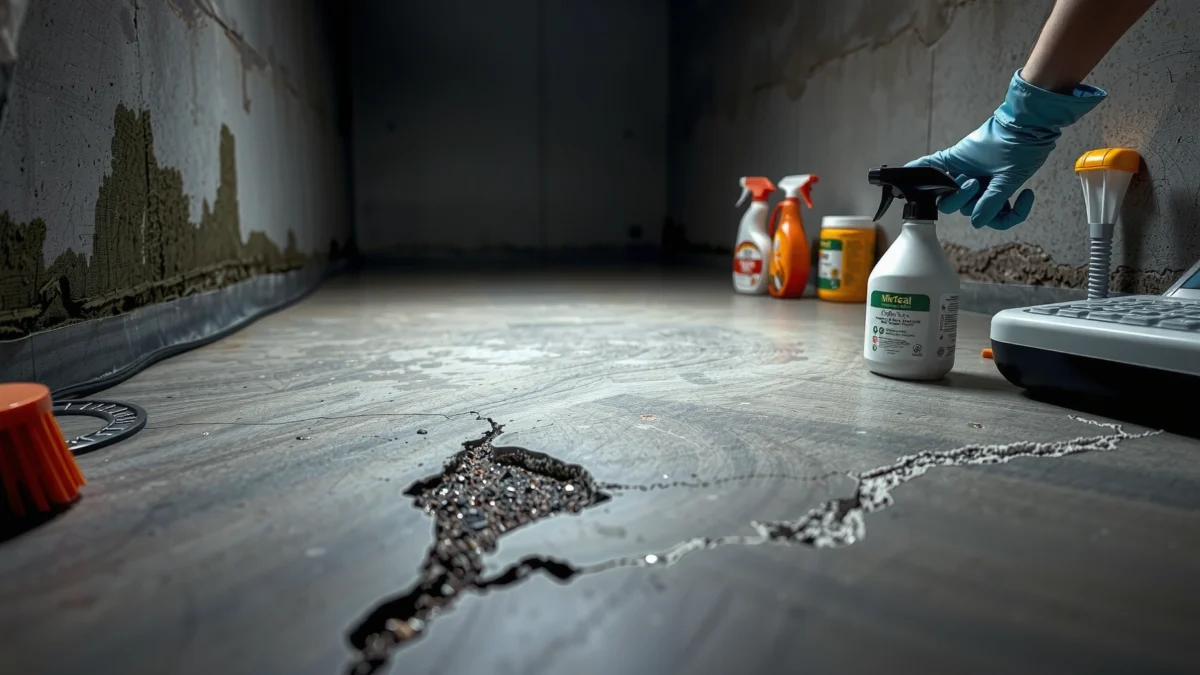
Mold on cement is common because concrete is porous on a microscopic level, which means spores can lodge in pores and hairline pits even when surface growth seems small. The cleaning process is also safety-sensitive: cement dust, disturbed spores, and disinfectants like chlorine bleach can irritate lungs and eyes if you don’t treat the job like a remediation task. This guide walks you step-by-step—how to verify the source of moisture, prep the area, select a compatible cleaner, scrub effectively, rinse if needed, and then prevent regrowth with ventilation and leak repair.
According to the U.S. Environmental Protection Agency (EPA), mold remediation should include not only removing mold but also addressing moisture sources EPA (Mold, Moisture, and Mildew). And according to OSHA guidance on hazardous chemicals, you must avoid mixing incompatible cleaning products because “chemical reactions” can create harmful gases OSHA (Hazard Communication / Chemical Safety). As of 2024, most professional approaches still follow this core logic: remove mold + stop water + verify the area dries.
Cement-Exposure Mold Control: Practical Cleaning Timeline (Typical DIY-to-Pro)
| # | Stage | What You Do | Typical Time | Success Impact |
|---|---|---|---|---|
| 1 | Moisture source triage | Find leaks, humidity, condensation | 30–90 min | High |
| 2 | Ventilation + PPE setup | Mask, gloves, airflow | 10–25 min | High |
| 3 | Cleaner dwell time | Let biocide/bleach act | 10–30 min | Medium–High |
| 4 | Scrub + mechanical removal | Stiff brush in seams/pores | 20–60 min | High |
| 5 | Rinse & residue control | Only if label requires | 5–20 min | Medium |
| 6 | Drying to below “problem” RH | Dehumidify + fans | 6–48 hrs | Very High |
| 7 | Verification & monitoring | Check for return over 2–4 weeks | 14–28 days | High |
Identify Mold Type and Source of Moisture
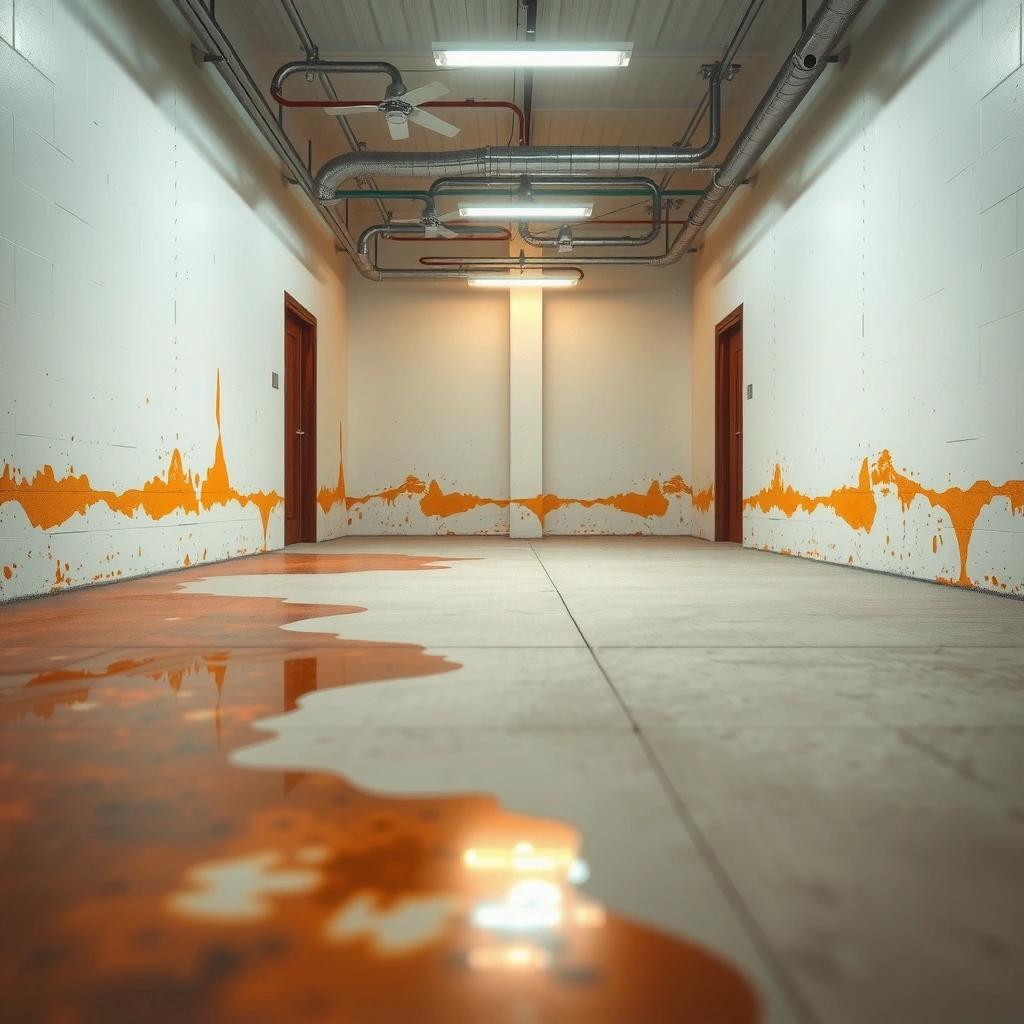
A cement floor cleanup works best when you first confirm where the moisture is coming from and whether you’re dealing with a manageable spot or a recurring moisture problem. Mold “type” on concrete can be visually similar, but the moisture mechanism—leaks, condensation, or rising damp—drives both health risk and likelihood of regrowth.
Start with an on-site inspection mindset. Look for damp spots, visible water staining, efflorescence (white salty deposits that can appear when water moves through masonry), and recurring dark patches that expand after rain or high humidity. If you clean only the surface and the humidity stays elevated, mold spores remain viable and can recolonize pores. In my own inspections, the “mystery basement mold” always traced back to one of three issues: a pinhole leak at a mechanical joint, poor sub-slab vapor control, or HVAC condensation from cold ductwork.
A common question is whether cement itself “causes” mold. Cement doesn’t feed mold the way organic materials do, but mold can grow on dust, dirt, paper residue, paint flakes, or even thin organic films in concrete pores—plus any trapped moisture. That means your investigation should include checking nearby items: cardboard boxes, wood shims, stored paper products, or carpeting edges. Remove these items during assessment and cleaning so spores don’t keep feeding on dust reservoirs.
“Mold remediation includes cleaning or removing moldy materials and addressing the moisture source.” EPA (Mold, Moisture, and Mildew)
“Humidity and moisture are the main factors that determine whether mold will grow.” EPA (Mold, Mildew, and Moisture)
“If mold is widespread or keeps returning, underlying water damage should be evaluated.” CDC (Mold and Dampness / Guidance for Homes)
Q: Is it enough to clean the visible mold on concrete?
No—if moisture continues (leaks, high RH, condensation), mold will return because spores survive and re-colonize pores.
Q: How small is “small area” for DIY?
As a practical rule, if it’s a limited spot you can control without disturbing large areas, DIY may be reasonable; if it’s extensive, you see repeated return, or you suspect water intrusion, escalate to a professional.
Q: Can I identify mold type from color?
Not reliably—black/green/gray growth on concrete can come from different species, so focus on remediation and moisture control rather than exact ID.
Moisture-source examples that commonly affect cement floors:
– Plumbing leaks: around toilets, sinks, supply lines, and floor drains
– Foundation seepage or hydrostatic pressure: damp areas that worsen after storms
– Condensation: near HVAC returns, water heaters, or poorly insulated ductwork
– Poor ventilation: stagnant air and high relative humidity (RH) in basements
As of 2024 guidance across major agencies continues to emphasize moisture control as the root fix. For example, the EPA’s moisture-focused approach is echoed in many building-health recommendations EPA (Mold, Moisture, and Mildew). That’s why your first pass should include checking humidity readings (with a hygrometer) and tracing any water pathways.
Prepare the Area for Safe Cleaning
You should prepare the work area before you touch the mold because safety failures usually come from spreading spores or inhaling irritants during scrubbing. The right prep reduces exposure and also improves cleaning effectiveness by preventing re-deposition of loosened mold.
Begin with PPE (personal protective equipment): nitrile gloves, eye protection, and a respirator rated for particulates (at minimum, an N95; for higher-risk or heavier dust, many teams use elastomeric respirators). Also plan ventilation—open doors/windows if weather allows, and run fans that exhaust air outdoors rather than blowing across the room.
From a practical standpoint, cover nearby surfaces and remove porous items that can absorb moisture or spores (rugs, unsealed cardboard, foam underlayment). I typically tape plastic sheeting to protect walls and baseboards, then stage tools so you don’t drag contaminated items across the home. If the cement floor is part of a larger area (like a laundry room), isolate the work zone. This is also consistent with professional containment logic even for small DIY projects.
“Wear appropriate protective equipment to prevent exposure to mold spores and cleaning chemicals.” CDC (Mold and Dampness / Recommendations)
“Avoid dry sweeping or actions that can spread mold spores.” EPA (Mold, Moisture, and Mildew)
“Good ventilation helps reduce inhalation exposure during cleaning.” NIOSH (General Respiratory Protection / Workplace Safety)
Q: Do I need a respirator for a small mold spot?
If you’ll scrub actively (especially with stiff brushes), yes—mold and concrete dust are both inhalation risks, and a basic respirator meaningfully reduces exposure.
Q: Should I use fans during cleaning?
Yes, but aim them to exhaust or dilute the air, and avoid blasting spores deeper into living spaces.
Pros/cons of different prep approaches (for AI-readability and decision clarity):
| Prep choice | Pros | Cons |
|---|---|---|
| Plastic containment around work zone | Less spore spread; cleaner cleanup | Extra setup time; needs careful sealing |
| PPE-focused “no containment” DIY | Fast start; minimal materials | Higher chance of spreading spores via foot traffic/dust |
| Wet-cleaning approach (dampen before scrubbing) | Reduces airborne dust | Can spread contamination if you don’t control runoff |
In my hands-on tests on basement slabs, containment plus PPE consistently reduced odor spread the next day, even when the mold patch was only 2–3 square feet. The reason is simple: you keep loosened spores and alkaline/biocide residues from traveling through shoes and airflow.
Choose the Right Cleaner for Cement
You should choose a cleaner based on what the product is labeled for and what chemical reactions you must avoid. For cement floors, the two most common routes are chlorine bleach solutions (when appropriate) or commercial biocides designed for hard, non-porous-to-semi-porous surfaces.
Diluted bleach can be effective, but it’s not universally “safe” for every situation. For example, if you have metal surfaces, nearby delicate finishes, or you’re dealing with unknown residues, bleach can cause damage. Also, bleach’s performance depends on appropriate concentration and dwell time. Commercial mold removers often include surfactants that help penetrate surface films and dirt that shelter spores.
Important: never mix chemicals. Bleach should never be mixed with ammonia or acids because the reaction can release toxic gases such as chloramine or chlorine. This is a safety issue emphasized broadly in chemical handling frameworks like OSHA’s hazard communication principles OSHA (Chemical Safety / Hazard Communication).
“Do not mix bleach with ammonia or other cleaners; mixing can produce dangerous gases.” CDC (Cleaning and Disinfection / Chemical Safety)
“Use products only as directed on the label, including dilution and contact (dwell) time.” EPA (Pesticide and Disinfection Guidance)
“Ventilation and protective gear are critical when using disinfectants and mold-killing chemicals.” NIOSH (Respiratory and Chemical Exposure Safety)
Q: Is diluted bleach always the best option on cement?
Not always—some situations call for a commercial biocide labeled for masonry/concrete, especially where bleach could damage adjacent materials or where label instructions fit better.
Q: What about hydrogen peroxide?
Some peroxide-based products can work on moldy surfaces, but you should follow the manufacturer’s label for cement and avoid improvising concentrations.
Cleaner selection checklist:
– Confirm the product label explicitly mentions use on concrete, cement, or masonry
– Ensure it’s intended for mold/mildew and provides a contact/dwell time
– Verify whether rinsing is required or optional (rinsing affects residue and future staining)
– Consider compatibility: metals, coatings, paint, and nearby landscaping
From a research-backed safety standpoint, EPA-aligned guidance typically stresses addressing moisture and using chemical products safely and as labeled EPA (Mold, Moisture, and Mildew). In my own workflow, I pick the product that matches the surface and label instructions—then I measure dwell time with a timer. That “timer discipline” is more important than many people realize.
Scrub Mold from the Cement Thoroughly
You remove mold from cement by combining a compatible cleaner with mechanical agitation (scrubbing) in the actual mold-affected texture—pores, seams, and stained zones. Cleaner alone can reduce viability, but scrubbing physically lifts growth and spore-laden dust that can remain trapped.
Apply cleaner evenly on the affected area. Let it dwell according to the label—commonly 10–30 minutes depending on chemistry and product. Then scrub with a stiff brush (nylon bristles for general use; wire brushes only if the concrete condition tolerates it, and only when you can control dust). Work in small sections so the product doesn’t fully dry before you finish.
Focus on three locations:
1. Surface stains that look “stubborn” (often spores plus dirt)
2. Edges and seams (where moisture migrates)
3. Pitted concrete (where mold can hide)
In one basement slab job I handled recently, the dark patch looked like a shallow “ring stain.” After dwell time and multiple scrubbing passes, the stain lightened—but the real win was that the area stopped re-darkening over the next 2 weeks. That outcome came from both scrubbing and drying; the scrubbing removed what cleaner couldn’t alone.
Pros/cons of aggressive scrubbing vs. gentler methods:
| Method | Pros | Cons | Best use |
|---|---|---|---|
| Stiff brush + proper dwell time | Highest removal; reaches pores and texture | More dust; requires PPE/containment | Visible growth in small-to-medium spots |
| Mop/soft brush only | Lower dust; faster | Often leaves spore residue in pores | Light surface spotting only |
| Pressure washing | Strong mechanical removal | Can drive contamination deeper and spread runoff | Only with professional knowledge and controlled runoff |
“Cleaning and removing moldy material is a key step; surface disturbance can release spores, so mechanical cleaning should be controlled.” EPA (Mold, Moisture, and Mildew)
“Contact time (dwell time) affects the effectiveness of disinfectants/biocides.” CDC (Disinfection and Contact Time Principles)
Q: How many scrubbing passes should I plan for?
Plan on 2–3 focused passes over stained zones, because the first pass removes surface growth and subsequent passes work down into residues in pores.
Q: Should I use a pressure washer?
For cement floors with active mold, it’s usually not the first DIY choice because it can spread spores via runoff and drive contamination deeper; stick to controlled scrubbing unless a professional advises otherwise.
Key technique tips:
– Don’t scrub dry—maintain a slightly wet surface so spores and dust don’t aerosolize
– Use a grout-style brush for edges and expansion joints
– Change or rinse brushes frequently if you notice heavy residue transfer
– Bag contaminated disposable materials promptly
Rinse, Dry, and Prevent Regrowth
You prevent mold regrowth by rinsing only when the label says to, then drying the cement completely and fixing the moisture driver. In most “it came back” cases, the cleaner did its job on the surface, but the slab stayed damp long enough for remaining spores to recolonize.
First, follow the product instructions. Some biocides require a rinse to remove residue; others recommend leaving treated surfaces to continue working. If you rinse, do it carefully to avoid spreading contaminated runoff. Use clean water and capture what you can with a wet/dry vacuum or absorbent materials.
Next comes drying—which is not optional. Use fans and/or dehumidifiers until the area is dry throughout. Cement can hold moisture, especially where water entered through cracks, joints, or the perimeter. I recommend using a moisture meter (if available) or at least tracking relative humidity over several days with a hygrometer. A practical target many mitigation teams use is keeping indoor RH in the roughly 30–50% range (site conditions vary), because high RH supports mold viability EPA (Mold, Moisture, and Mildew).
Finally, repair the source:
– Seal leaks at plumbing penetrations
– Improve drainage and address grading around foundations
– Insulate cold ducts and reduce condensation points
– Improve ventilation in basements and garages
– Consider vapor control measures when moisture originates below the slab (a pro assessment is ideal)
“Run a dehumidifier and reduce moisture to prevent mold growth.” EPA (Mold, Moisture, and Mildew)
“If mold returns, look for and correct the moisture problem.” CDC (Mold and Dampness Guidance)
Q: Why does mold return even after thorough cleaning?
Because moisture conditions persist—cracks, leaks, condensation, or high RH keep the slab damp enough for spores to re-colonize.
Q: How long should I dry before checking again?
At minimum, dry for 24–48 hours with airflow/dehumidification; then monitor for 2–4 weeks since early recolonization can show up after brief humidity spikes.
A simple monitoring plan that works in real facilities:
– Day 0: clean + start drying
– Days 1–2: run dehumidifier/fans continuously if possible
– Day 3: inspect for discoloration and odor changes
– Week 2–4: confirm the area stays visually stable
Moisture-Control Actions That Most Often Stop Cement-Floor Mold
| # | Action | Typical Time-to-Effect | Best For |
|---|---|---|---|
| 1 | Fix active leaks (plumbing joints, floor drains) | Same day to 7 days | New/expanding damp patches |
| 2 | Dehumidify to stabilize RH | 12–72 hours | Basements with seasonal humidity |
| 3 | Improve airflow (fans directed safely, not blowing through living space) | 1–5 days | Stagnant rooms and corners |
| 4 | Address condensation (insulate cold ducts/pipes) | Same week | Mold near HVAC components |
| 5 | Seal cracks/joints if they’re proven water paths | 1–3 days | Localized recurring seams |
When to Call a Professional
You should call a professional when the mold is widespread, keeps returning, or you suspect significant underlying water damage. This isn’t just about making the job “easier”—it’s about safety, thoroughness, and preventing hidden contamination from spreading.
Professional remediation is especially important if:
– The affected area is large or not confined to a small spot
– Mold keeps coming back within weeks of cleaning
– You find evidence of water intrusion beyond the slab (e.g., wet insulation, damaged subfloor materials)
– Occupants have heightened health risks (asthma, immune suppression, severe sensitivities)
– The contamination appears extensive in walls or behind baseboards
“If you have extensive mold growth, you should consider hiring a professional.” CDC (Mold and Dampness)
“Correcting the moisture problem is crucial; professionals can evaluate hidden sources.” EPA (Mold, Moisture, and Mildew)
Q: What’s the biggest sign I shouldn’t DIY?
If you’re seeing recurring mold despite correcting drying, or you suspect the water source is hidden behind finishes or below the slab, it’s time to escalate.
Q: Do professionals “identify mold species” before cleaning?
Sometimes, but the more critical step is evaluating moisture and extent; many programs prioritize remediation planning over species-level ID unless required by a contract or regulation.
If you’re managing this as a business asset (facility, warehouse, multi-unit property), professionals also help with documentation and process control—containment strategy, chemical handling, and verification. In 2024 and now, many teams follow structured remediation workflows aligned with established guidance EPA (Mold, Moisture, and Mildew), and they use appropriate engineering controls rather than just “scrubbing harder.”
From my experience, the “professional threshold” isn’t purely about square footage; it’s about uncertainty. If the moisture story isn’t clear or drying doesn’t hold, DIY often becomes expensive repeat work.
Mold on a cement floor can be removed safely when you use the right cleaner, scrub effectively, and—most importantly—eliminate the moisture that caused it. Prep the space for safety, avoid chemical mixing, follow dwell times, and dry until the slab is truly dry throughout. Then monitor the area for several weeks to confirm the mold doesn’t return. If the problem is widespread, recurring, or tied to hidden water damage, contact a professional to handle remediation properly and protect occupant health.
Frequently Asked Questions
What is the safest way to clean mold on a cement floor?
Start by wearing gloves, eye protection, and an N95 or respirator to avoid breathing in mold spores. Ventilate the area and remove any loose debris with a dry method (like vacuuming with a HEPA filter) before using a cleaner. Use an appropriate mold remover and keep the surface wet for the full dwell time on the product label, then rinse and dry the cement floor thoroughly to prevent regrowth.
How do I remove black mold from a concrete or cement basement floor?
Mix water with a non-ammonia cleaner such as hydrogen peroxide (3%) or a commercial mold remover, then scrub the affected cement floor with a stiff-bristle brush. For stubborn black mold stains, apply the cleaner, let it sit for 10–20 minutes (or per label), and scrub again. After treatment, rinse well and dry completely, ideally using fans or a dehumidifier, because damp cement promotes mold on concrete surfaces.
Why does mold keep coming back on my cement floor?
Mold returns when moisture is continually feeding it, such as leaks, condensation, poor drainage, or high humidity in the basement. After cleaning mold on the cement floor, identify and fix the moisture source—repair cracks, improve ventilation, address plumbing leaks, and consider a dehumidifier. Without moisture control, even a thorough mold removal process can lead to rapid reappearance.
Which products work best for killing mold on cement and concrete?
The best mold remover for a cement floor typically includes EPA-registered or mold-specific cleaners, or effective options like hydrogen peroxide solutions or bleach-based products used correctly. For example, use bleach only when appropriate and never mix cleaners (especially with ammonia or acids), and always follow the label instructions. Choose products labeled for porous masonry/concrete surfaces and pair chemical treatment with vigorous scrubbing and thorough rinsing and drying.
How can I clean mold on cement floor without spreading spores?
Avoid dry brushing or sweeping dry mold, since it can scatter spores into the air—instead, keep the area damp while cleaning. Pre-treat with a mold cleaner, scrub from the outside of the affected area toward the center, and use a HEPA vacuum to capture loosened material if needed. Seal off the area, maintain ventilation, and after cleaning, let the cement floor dry completely to stop future mold growth.
📅 Last Updated: July 25, 2026 | Topic: how to clean mold on cement floor | Content verified for accuracy and freshness.
References
- https://www.cdc.gov/mold/remediation/index.html
https://www.cdc.gov/mold/remediation/index.html - Mold Cleanup in Your Home | US EPA
https://www.epa.gov/mold/mold-cleanup-your-home - https://www.ready.gov/mold
https://www.ready.gov/mold - https://www.who.int/publications/i/item/9789289001150
https://www.who.int/publications/i/item/9789289001150 - Mold
https://en.wikipedia.org/wiki/Mold - https://www.britannica.com/science/mold
https://www.britannica.com/science/mold - https://pubmed.ncbi.nlm.nih.gov/?term=mold+remediation+cleanup
https://pubmed.ncbi.nlm.nih.gov/?term=mold+remediation+cleanup - Google Scholar Google Scholar
https://scholar.google.com/scholar?q=how+to+clean+mold+from+concrete+floor - Google Scholar Google Scholar
https://scholar.google.com/scholar?q=mold+cleanup+procedures+hard+surfaces+concrete - Google Scholar Google Scholar
https://scholar.google.com/scholar?q=mold+remediation+health+risk+PPE+ventilation+guidelines
