

Cleaning mold on window sills is vital for maintaining a healthy living environment. Mold can pose serious health risks if left unchecked, making it essential to remove it promptly and effectively. This article will provide you with a step-by-step guide on how to clean mold from your window sills, using both natural and commercial solutions, ensuring your home remains safe and pleasant.


Understanding Mold Growth

Mold is a type of fungus that thrives in damp, warm environments, making window sills ideal spots for its growth. Window sills often collect moisture due to condensation, especially in climates with significant temperature fluctuations. Additionally, leaks from the window frame or roof can contribute to excess moisture, while poor ventilation can exacerbate humidity levels, fostering mold proliferation. Regular cleaning and monitoring of these areas are essential to prevent mold growth and protect your home’s air quality.
Essential Cleaning Supplies


To effectively clean mold off window sills, you will need a few essential supplies:
– White vinegar or hydrogen peroxide: Both substances are natural mold removers that can eliminate mold spores effectively.
– Scrub brush or sponge: These tools are necessary for scrubbing the affected areas, ensuring thorough removal of mold.
– Rubber gloves and mask: Protect yourself during the cleaning process by wearing gloves to avoid skin irritation and a mask to prevent inhalation of mold spores.
By gathering these supplies, you can ensure a safe and effective cleaning experience.
Step-by-Step Cleaning Process

1. Remove any items from the window sill: Start by clearing off any decorative items, plants, or other belongings to provide a clean workspace. It’s important to ensure that the area is unobstructed for effective cleaning.
2. Apply your chosen cleaning solution: Spray a mixture of equal parts water and white vinegar or hydrogen peroxide directly onto the moldy area. Allow it to sit for 10-15 minutes. This waiting period is crucial as it gives the solution time to penetrate the mold and loosen its grip on the surface.
3. Scrub the area thoroughly: Using a scrub brush or sponge, scrub the affected area in circular motions. Make sure to apply enough pressure to effectively remove the mold. Pay close attention to corners and crevices where mold may hide.
4. Wipe with a clean cloth: After scrubbing, use a clean cloth or paper towel to wipe away the solution and any remaining mold. This step is vital to ensure that all residues are removed from the window sill.
5. Dry the area completely: After cleaning, it’s essential to dry the area thoroughly to prevent mold from returning. Use a towel or let the window sill air dry completely.
Common Cleaning Solutions for Mold Removal
| # | Cleaning Solution | Effectiveness | Ease of Use | Cost |
|---|---|---|---|---|
| 1 | White Vinegar | High | Very Easy | Low |
| 2 | Hydrogen Peroxide | Very High | Easy | Moderate |
| 3 | Baking Soda | Moderate | Very Easy | Low |
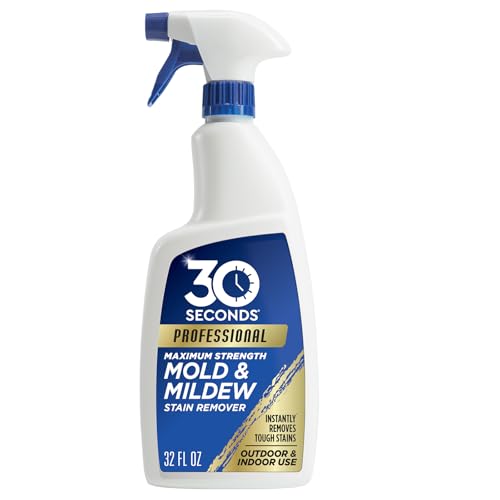
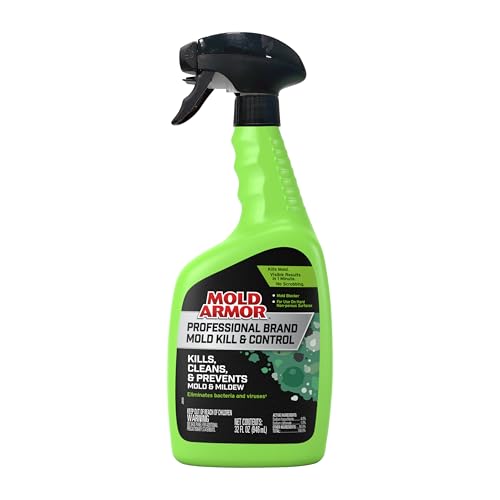
| 4 | Commercial Mold Cleaner | Very High | Easy | High |
| 5 | Bleach | High | Moderate | Moderate |
| 6 | Essential Oils (Tea Tree) | High | Moderate | Moderate |
| 7 | Lemon Juice | Moderate | Easy | Low |
Preventing Future Mold Growth
Preventing mold from returning requires proactive measures that address the root cause of moisture. Here are several strategies to consider:– Ensure proper ventilation: Make sure that your home is adequately ventilated, particularly in areas prone to humidity such as bathrooms and kitchens. Installing exhaust fans can significantly help in reducing moisture levels.
– Use dehumidifiers: If your environment is particularly humid, a dehumidifier can help maintain optimal humidity levels, keeping your living space dry and less conducive to mold growth.
– Regularly inspect and clean window sills: Make it a habit to check your window sills regularly for any signs of mold or dampness. Cleaning them periodically, especially during humid months, can prevent mold from taking hold.
When to Seek Professional Help
While many mold issues can be addressed with DIY methods, certain situations may require professional intervention:
– Persistent mold: If mold keeps returning despite your cleaning efforts, it may indicate deeper issues such as hidden leaks or water damage that need expert evaluation.
– Health concerns: If you or your family members experience health issues related to mold exposure, such as respiratory problems, it is crucial to seek professional mold remediation services.
Additional Tips for Maintaining Clean Window Sills
To keep your window sills clean and mold-free, consider the following tips:
– Use a dehumidifier: Managing indoor humidity levels can significantly reduce the likelihood of mold growth. Aim to keep humidity levels below 60%.
– Seal any leaks around windows: Regularly inspect and seal any leaks in your window frames to prevent moisture from entering your home.
– Regular cleaning routine: Establish a cleaning routine that includes dusting and wiping down window sills with a mold-preventative solution to keep them fresh.
Mold Growth Risk Assessment
Maintaining clean window sills is crucial for your home’s health and aesthetics. Regular cleaning and preventive measures can keep mold at bay, ensuring a safer environment. By following the steps outlined in this guide, you can protect your living space from mold and contribute to a healthier home. Take action today by gathering your cleaning supplies and starting the mold removal process!
Frequently Asked Questions
What are the best methods to clean mold on window sills?
The best methods to clean mold on window sills include using a mixture of water and vinegar, or a solution of bleach and water. Spray the affected area and let it sit for about 10 minutes before scrubbing with a soft brush or cloth. Rinse thoroughly with water and dry the area completely to prevent mold from returning.
How can I prevent mold from growing on my window sills?
To prevent mold from growing on window sills, ensure proper ventilation in your home and keep humidity levels low. Regularly clean and dry window sills, especially after heavy rain or humidity. Using mold-resistant paint on window sills can also provide added protection against future mold growth.
Why does mold develop on window sills?
Mold develops on window sills primarily due to moisture buildup, which can occur from condensation, leaks, or high humidity. Poor ventilation also contributes to stagnant air and dampness, creating an ideal environment for mold spores to thrive. Addressing these underlying issues is crucial for long-term mold prevention.
Which products are effective in removing mold from window sills?
Effective products for removing mold from window sills include white vinegar, hydrogen peroxide, and commercial mold removers. Always check the label for suitability on different surfaces and follow the manufacturer’s instructions for safe application. Natural solutions like baking soda can also help in mild cases of mold.
What should I do if the mold on my window sills keeps coming back?
If mold on your window sills keeps coming back, it’s essential to address the root cause of the moisture issue. Inspect for leaks, improve ventilation, and consider using a dehumidifier to reduce humidity. If the problem persists, it may be wise to consult a professional mold remediation service to ensure thorough treatment and prevention.
References
- https://www.cdc.gov/mold/faqs.htm
https://www.cdc.gov/mold/faqs.htm - Mold Cleanup in Your Home | US EPA
https://www.epa.gov/mold/mold-cleanup-your-home - https://www.who.int/news-room/fact-sheets/detail/mold
https://www.who.int/news-room/fact-sheets/detail/mold - https://www.ncbi.nlm.nih.gov/pmc/articles/PMC4531179/
https://www.ncbi.nlm.nih.gov/pmc/articles/PMC4531179/ - https://www.nytimes.com/2020/02/20/realestate/mold-pest-inspection.html
https://www.nytimes.com/2020/02/20/realestate/mold-pest-inspection.html - https://www.mayoclinic.org/healthy-lifestyle/adult-health/in-depth/mold-exposure/art-20046095
https://www.mayoclinic.org/healthy-lifestyle/adult-health/in-depth/mold-exposure/art-20046095 - https://www.sciencedirect.com/topics/earth-and-planetary-sciences/mold-cleaning
https://www.sciencedirect.com/topics/earth-and-planetary-sciences/mold-cleaning - Mold | fungus | Britannica
https://www.britannica.com/science/mold-fungus - Google Scholar Google Scholar
https://scholar.google.com/scholar?q=how+to+clean+mold+on+window+sills - Google Scholar Google Scholar
https://scholar.google.com/scholar?q=mold+remediation+techniques+for+homes

[…] to know how to clean the edges on a particleboard wardrobe without swelling or crumbling them? This step-by-step guide shows the fastest safe method to remove grime, scuffs, and residue while sealing the exposed […]