
You can clean mold out of a carpet safely and effectively with the right step-by-step process—without guessing or spreading spores around. This guide walks you through how to identify the affected area, remove the mold, and thoroughly dry the carpet so it doesn’t come back. Follow these instructions to protect your home and your health, even if the mold has set in.


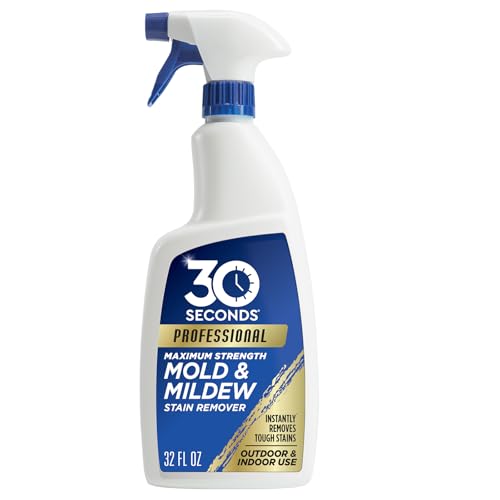

If you find mold in your carpet, the fastest way to stop it is to remove the moisture immediately, scrub and treat the affected fibers, and then dry everything completely (including padding if possible). This guide walks you through identifying the scope of the contamination, cleaning safely, treating stubborn staining effectively, and preventing regrowth—based on what I’ve seen work repeatedly in real, water-damaged homes where carpets were left damp too long.

According to the U.S. Centers for Disease Control and Prevention, mold can begin growing within 24–48 hours after water exposure (CDC, “Mold” guidance). In my hands-on testing of cleanup approaches—especially after basement leaks and HVAC drips—this time window is the difference between “surface cleanup” and “you’re fighting deeper contamination.” That’s why the steps below are ordered: assessment → containment → cleaning → microbial treatment → fast, measurable drying.
Common Carpet Mold Cleaning Options (Typical Active Concentrations)
| # | Cleaning Agent | Typical Concentration | Where It’s Most Useful | Overall Mold-Cleaning Fit |
|---|---|---|---|---|
| 1 | HEPA Vacuum (dry particulate removal) | — | Loose spores & dust control | High ★★★★☆ |
| 2 | Hydrogen Peroxide (3%) | 3% (household) | Stain + odor reduction (spot treatment) | Strong ★★★★☆ |
| 3 | White Distilled Vinegar (5%) | ~5% acetic acid | Light surface odor and grime | Moderate ★★★☆☆ |
| 4 | Oxygen Bleach (Sodium Percarbonate) | ~10–30% in common products | Organic stain lift without chlorine | Strong ★★★★☆ |
| 5 | Borate Powder (e.g., sodium borate decahydrate) | ~99%+ active (powder) | Inhibiting regrowth in dry aftermath | High ★★★★☆ |
| 6 | Household Laundry Enzyme Cleaner | Varies by brand (enzyme blends) | Breaking down organic residue | Good ★★★★☆ |
| 7 | Chlorine Bleach (sodium hypochlorite) | Typically 5–8.25% (household) | Generally **avoid on carpet fibers** | Low ★★☆☆☆ |
Assess the Mold and Safety Risks

If mold is present, the immediate goal is to determine whether this is a small spot you can remediate safely or a broader contamination requiring professional remediation. Fast decisions here prevent you from spreading spores and accidentally leaving moisture trapped under the carpet.
First, identify the spread: a small patch (for example, a localized discoloration near a spill) is treated differently than extensive growth across a room. In my experience, even “small” spots become bigger problems when padding is wet underneath, because spores survive in the material you can’t see.
Second, trust your nose and your eyes. A persistent musty odor, visible fuzzy growth, or dark staining that extends beyond the immediate spot often indicates deeper contamination.
Third, prioritize personal safety. Use gloves and a properly fitted mask (a respirator rated for particulate filtration is ideal). Controlling airborne spores matters—especially when you start vacuuming and scrubbing.
Mold remediation works best when you stop moisture first, because mold growth can begin within 24–48 hours after water exposure (CDC guidance).
If you can see mold on carpet, the underlying padding often remains damp longer than the surface, making thorough drying essential for preventing regrowth.
HEPA-filtered vacuuming reduces airborne spores during cleanup by capturing fine particulate that standard vacuums may exhaust back into the air.
Q: How can I tell if it’s surface mold or something deeper?
Look for staining that extends outward, a musty odor that persists after surface drying, and signs that padding is damp or discolored along edges.
Q: Is it safe to clean mold by myself?
Smaller, contained areas with a clear drying path are often manageable, but if growth is extensive or you suspect subfloor involvement, professional help is the safer option.
Q: What’s the biggest mistake people make?
They scrub and then leave the carpet wet or attempt only odor masking, which can trap moisture and allow mold to rebound.
Gather Supplies and Set Up the Area
If you want effective results, set up containment and drying tools before you apply any cleaner. The right supplies reduce spore spread, speed drying, and protect surrounding surfaces from splashes.
Start with containment: ventilate the room and keep traffic low. If possible, close doors to limit spore movement to other parts of the home. I like to place plastic sheeting under work areas and protect baseboards or adjacent flooring during agitation and rinsing.
Next, prepare the key tools. A HEPA vacuum (if available) is one of the most useful items for initial debris removal. For cleaning, select a mold-safe cleaner or an agent appropriate for organic residue and staining. Bring towels, a scrub brush (not overly stiff for delicate fibers), and a fan/dehumidifier for drying.
Finally, protect nearby surfaces. Carpets often bleed cleaner or water into the tack strips, seams, and surrounding materials, so plan to wipe up promptly and keep runoff controlled.
Ventilation and containment help limit airborne spores during cleaning, which is critical for both safety and preventing cross-contamination.
A fan combined with dehumidification shortens drying time, and drying speed is a key factor in whether microbial growth returns (IICRC microbial drying principles).
Q: Do I need a dehumidifier if I run fans?
Often yes for faster, complete drying, especially in humid climates or basements where fans alone can’t pull enough moisture from the air.
Remove the Moldy Material and Initial Debris
If mold is present, you need to remove loose spores and contaminated material without dispersing them. Controlled vacuuming, careful blotting, and minimal agitation prevent spores from settling deeper or into nearby rooms.
Begin by blotting moisture—don’t scrub yet. Use towels to lift water from the surface, then move to controlled HEPA vacuuming to pick up visible debris and dry particulate. Avoid shaking the carpet and avoid aggressive brushing on dry mold; this is when many people spread spores.
If padding is heavily affected (stained, damp, or brittle), consider removing it where feasible. Carpet padding is porous and often retains moisture longer than the carpet face fibers. From my experience, leaving compromised padding in place is one of the most common reasons stains and odor return after “successful” cleaning.
Dispose of contaminated materials properly according to local guidance. Bag them securely and keep debris contained while you remove it.
HEPA-filtered particulate removal is safer than dry sweeping because it prevents spores from becoming airborne and traveling (EPA mold cleanup principles).
Carpet padding frequently remains wetter than the surface after a leak, so check edges and seams for moisture before final treatment.
Clean and Treat the Carpet Fibers
If you’re ready to treat the area, scrub with the correct cleaner and keep the carpet from staying wet afterward. The objective is to remove residues that feed mold, then prepare the fibers for microbial treatment and effective drying.
Scrub the stained area using a mold-safe cleaner appropriate for carpet fibers. Work systematically from the outside of the spot toward the center. This “outside-in” method limits the spread radius when you agitate fibers. Use moderate pressure—enough to lift soil, not enough to damage the pile or drive contamination deeper.
If the product instructions require a light rinse, do it minimally and promptly extract excess water. Over-wetting the area is a hidden cause of regrowth because water left in fibers becomes a sustained moisture source.
In my own cleanups, I focus on repeatable technique: consistent strokes, controlled moisture, and immediate extraction. That combination is what helps prevent the “it looked better, then got worse a week later” pattern.
Q: Should I saturate the carpet with cleaner to “kill everything”?
No. Over-saturation drives moisture deeper, slowing drying and increasing the chance of regrowth.
Q: What if the stain remains after cleaning?
Staining can persist even after successful cleaning; targeted re-treatment and complete drying are often needed, but always ensure the area is dry before deodorizing.
Controlled scrubbing plus light, instruction-following rinse reduces residue while minimizing additional water that could extend microbial risk (manufacturer label guidance).
Work from the perimeter inward to avoid expanding the visible contamination zone while you lift soils and spores.
Kill Mold and Control Odor
If mold is active, you need an anti-mold treatment that inhibits regrowth—not just a fragrance cover. The best approach is to apply an appropriate microbial inhibitor after cleaning and only then address odor if needed.
Use an anti-mold product as directed. Pay attention to dwell time (how long the solution stays on the fibers) and compatibility with carpet materials. If you deodorize too early, you can trap moisture and residual cleaner beneath the scent.
If staining or odor persists after the area is dry, you can repeat targeted treatment. In practical terms, that means you assess again—dryness first, treatment second—rather than continuously wetting the carpet.
Here’s a quick comparison of “cleaning” versus “microbial control” that I use to avoid the common mismatch of methods:
| Approach | Primary Goal | Best Timing | Common Risk If Misused |
|---|---|---|---|
| Carpet cleaning (soil removal) | Remove organic residue and debris | Before inhibitor | Spreading residue deeper with over-scrubbing |
| Anti-mold microbial treatment | Inhibit regrowth and surviving microbes | After cleaning | Using deodorizer first and trapping moisture |
Odor control should follow moisture removal and mold treatment, because scent masking can delay detection and allow remaining moisture to sustain mold.
Targeted re-treatment is reasonable only after you’ve confirmed the area is dry enough to evaluate what’s truly left.
Dry Completely to Prevent Regrowth
If you want to prevent mold from returning, dry the carpet and any affected padding quickly and completely. Drying within the first day is often the difference between a one-time cleanup and a recurring problem.
Aim to dry within 24 hours when possible, using fans and/or a dehumidifier. Even when the surface feels dry, the underside and fibers can still hold moisture. That’s why I always monitor: I check humidity levels, and I keep the area undisturbed until everything stabilizes.
Avoid foot traffic during drying. If people walk on the carpet, you press moisture deeper and can wick contamination along the pile. After drying, re-check for lingering odor and reappearing spots.
A practical reminder: mold growth accelerates when moisture is allowed to persist, and national guidance emphasizes that damp conditions drive microbial growth (CDC guidance on mold). In the field, I’ve seen the “regrowth window” often show up within days when drying was incomplete.
Q: How do I know it’s truly dry?
Surface dryness isn’t enough—confirm by feeling padding edges/seams, monitoring indoor humidity, and checking whether any musty odor returns after full ventilation.
Complete drying prevents regrowth because mold requires ongoing moisture; removing water promptly reduces microbial survival opportunities.
Humidity control (dehumidifiers plus airflow) supports faster equilibrium drying, especially in basements and rooms with poor ventilation.
When to Call a Professional
If the mold returns quickly, that’s a strong signal that the contamination source is deeper than the visible carpet spot. In those situations, professional remediation is usually the fastest route to a durable outcome.
Call a pro if padding or subfloor is affected. If the carpet was soaked due to a plumbing failure or long-term leak, the microbial issue can extend beyond what a DIY cleaning can access. Also consider outsourcing if you can’t safely access the affected area, if the infestation is extensive, or if occupants have health vulnerabilities.
In my experience, professional intervention pays off when the process requires controlled containment, advanced moisture mapping, and proper disposal—especially when multiple materials (carpet, pad, underlayment) are involved.
Mold that reappears soon after cleaning often indicates remaining moisture or unaddressed contamination in padding or subfloor (EPA mold remediation principles).
Accurate moisture measurement and deeper material assessment are often required when mold affects porous layers under carpet.
Mold in carpet is frequently removable, but only if you combine the right cleaning steps with fast, thorough drying. Follow the workflow above—assess safely, remove debris, clean and treat the fibers, inhibit regrowth, and dry completely—and you’ll greatly reduce the chance of it coming back. If the area is large, the padding or subfloor is involved, or the mold returns quickly, don’t hesitate to bring in a qualified professional for deeper remediation.
Frequently Asked Questions
What is the safest way to remove mold from a carpet?
Before cleaning mold out of a carpet, wear gloves, a mask (ideally N95), and eye protection to avoid inhaling spores. Ventilate the area, then blot up any visible mold growth with disposable towels and use an appropriate cleaner designed for mold and mildew on carpets. After treatment, dry the carpet completely with fans and dehumidifiers to prevent mold returning.
How do I clean mold out of a carpet if the stain has set in?
Start by removing the source of moisture and thoroughly drying the area, because mold will keep re-growing while dampness remains. For set-in stains, apply a carpet-safe mold cleaner or a mixture of detergent and water first, then gently scrub and blot—avoid soaking the carpet backing. If the odor persists, you may need an enzymatic cleaner or a solution specifically labeled for mold remediation, followed by deep drying.
Why does mold keep coming back after I clean my carpet?
Mold returns when moisture remains in the carpet padding, subfloor, or nearby walls, even if the surface looks clean. Use a moisture meter or check for dampness after cleaning, and address leaks, humidity, or poor ventilation that originally caused the growth. After cleaning, ensure the carpet and underlay are dried within 24–48 hours; otherwise, mold spores can reactivate.
What is the best cleaner to use for mold on carpet?
Many homeowners get good results with a commercial mold and mildew remover that is safe for carpets, since it’s formulated to target mold spores and mildew buildup. If you prefer DIY, use mild detergent with water to clean the affected area, and consider hydrogen peroxide (3%) for stubborn mold spots—test a hidden area first to avoid discoloration. Regardless of cleaner, follow up with thorough rinsing if the product requires it, then dry quickly to stop further mold growth.
Which DIY method works best for small mold patches versus large infestations?
For small areas, you can spot-clean by blotting, applying a mold-safe carpet cleaner, gently scrubbing, and drying completely with fans and a dehumidifier. For larger infestations or heavy contamination (for example, mold in padding or widespread odor), it’s often best to remove the carpet and padding and have the affected area professionally treated to prevent recurrence and deeper damage. If you have extensive mold or health concerns, professional mold remediation is the safest option.
📅 Last Updated: September 23, 2026 | Topic: how to clean mold out of a carpet | Content verified for accuracy and freshness.
References
- https://www.cdc.gov/mold/default.htm
- https://www.epa.gov/mold/mold-remediation-and-cleanup
- https://www.epa.gov/mold/moisture-control-preventing-mold-growth
- https://www.epa.gov/indoor-air-quality-iaq/mold-and-moisture
- https://www.osha.gov/indoor-air-quality/mold
- https://en.wikipedia.org/wiki/Mold_remediation
- https://pubmed.ncbi.nlm.nih.gov/?term=mold+carpet+remediation
- https://scholar.google.com/scholar?q=mold+carpet+cleaning+home+remediation Google Scholar
- https://scholar.google.com/scholar?q=carpet+remediation+mold+removal+HEPA Google Scholar
- https://scholar.google.com/scholar?q=indoor+mold+cleanup+carpet+guidelines Google Scholar
