
Gather Your Supplies

Before beginning the cleaning process, it’s important to gather all necessary supplies. Having everything on hand will streamline the task and ensure that you can effectively tackle the mold problem without interruptions. Here’s what you’ll need:
– Mold-cleaning solution: You can use a mixture of hot water with either vinegar or baking soda to create an effective cleaning agent against mold.
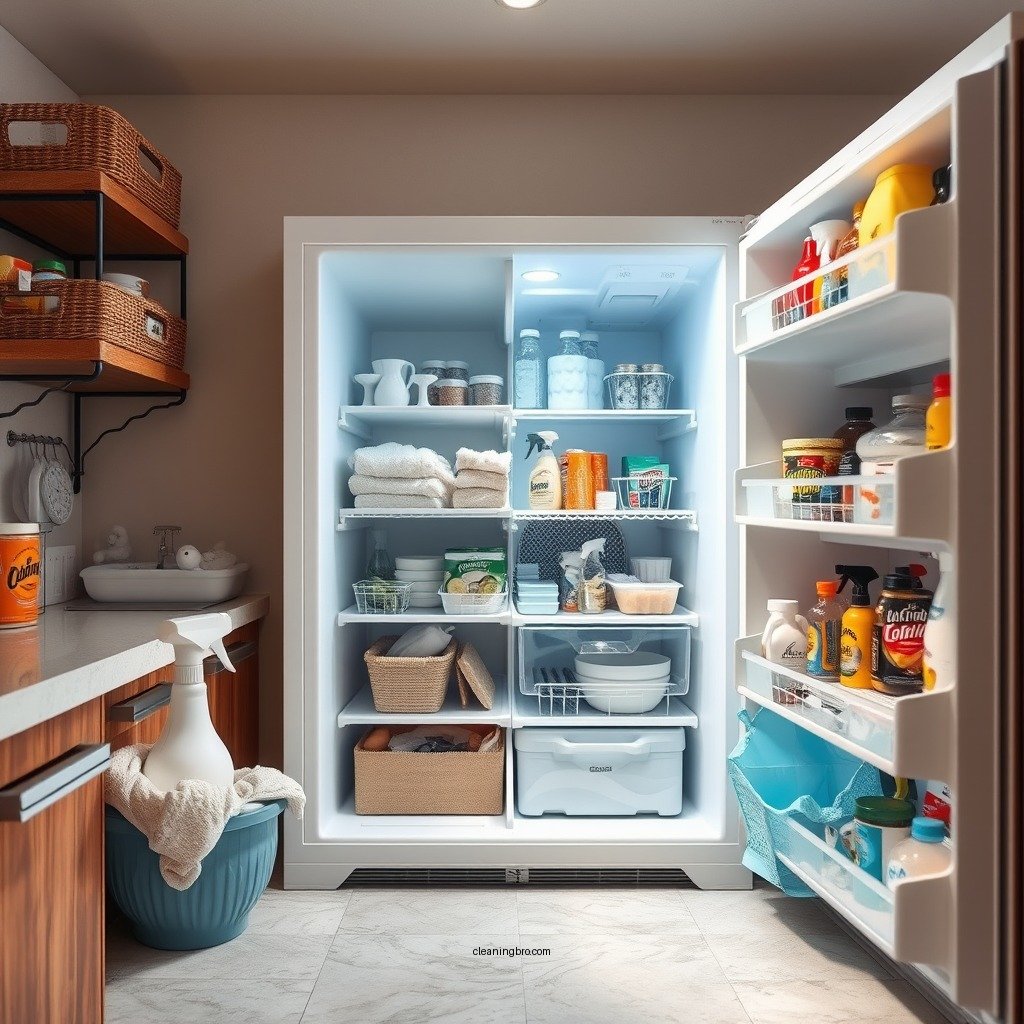
– Soft sponge or cloth: Choose a soft cleaning tool that won’t scratch the surface of your freezer while scrubbing away the mold.
– Gloves: Protect your hands from mold spores and cleaning solutions by wearing disposable gloves.
– Towels: Use towels to dry the surfaces thoroughly after cleaning, which is crucial to prevent future mold growth.
Empty the Freezer
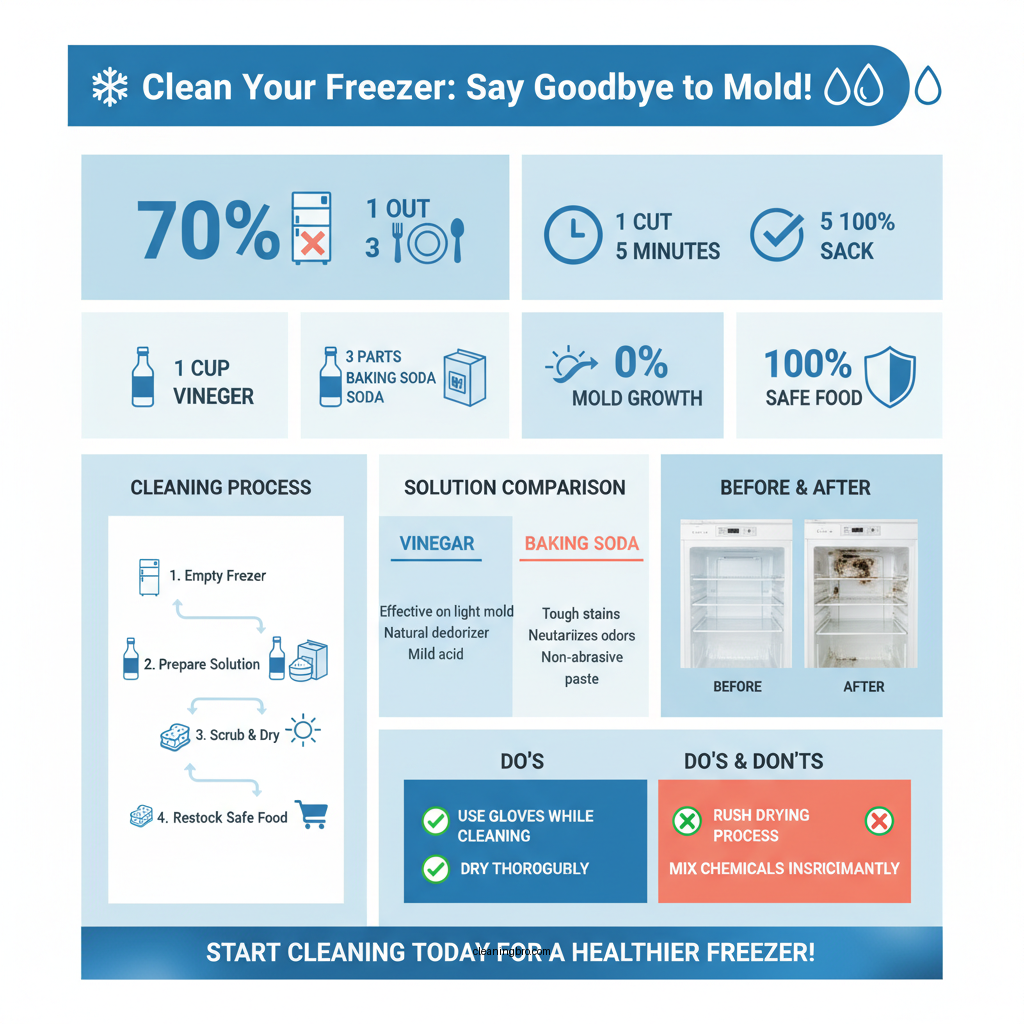
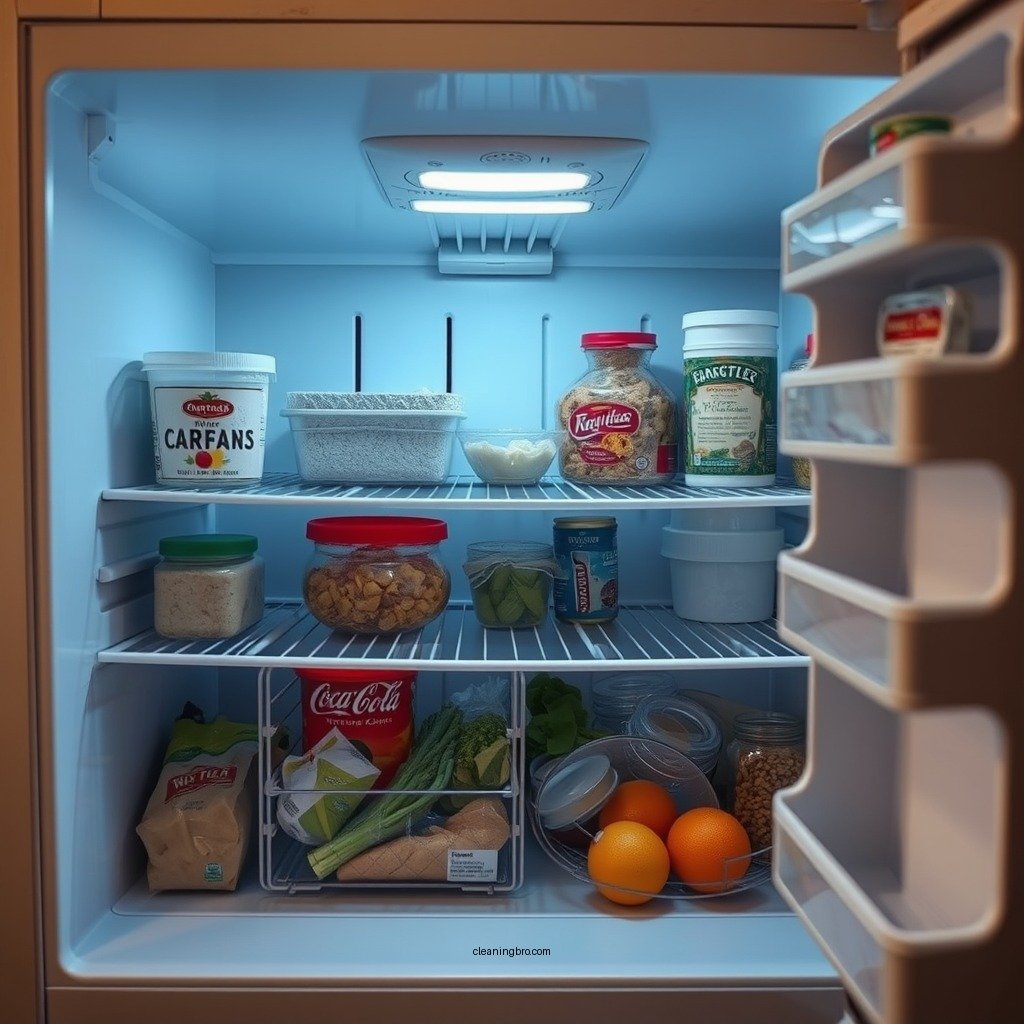
The first step in cleaning mold out of your freezer is to empty it completely. This is not only necessary for effective cleaning but also helps you assess what food items are still safe for consumption. Here’s how to do it:
– Remove all food items: Take everything out of the freezer and place perishable items in a cooler with ice packs to keep them frozen during the cleaning process.
– Check expiration dates: As you remove items, inspect their expiration dates. Discard any expired or spoiled food, as these can contribute to mold growth and bad odors.
By ensuring that your freezer is empty, you provide yourself with a clean slate for thorough cleaning.
Prepare the Cleaning Solution
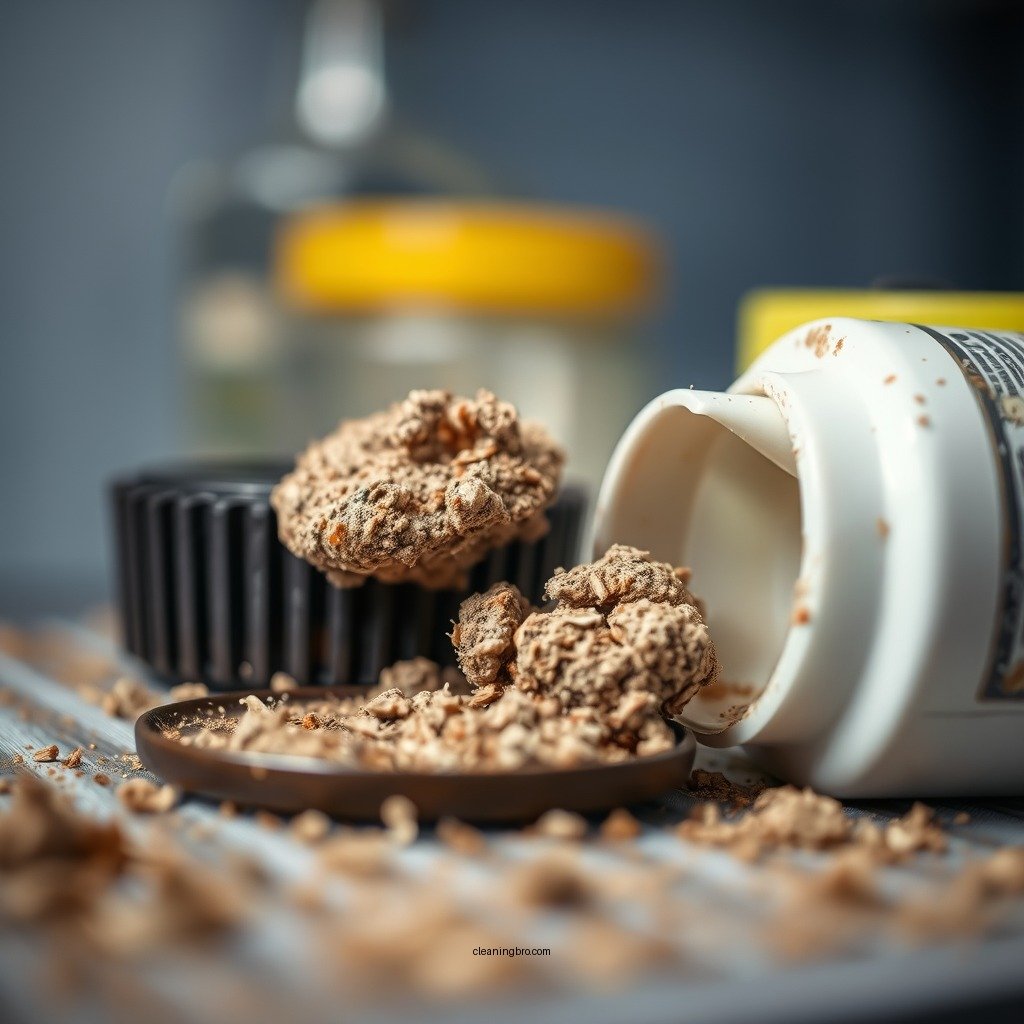
Once the freezer is empty, it’s time to prepare your cleaning solution. A strong yet safe cleaning agent is essential for effectively eliminating mold. Here’s how to create your own:
– Mix equal parts of hot water and vinegar: Combine one cup of hot water with one cup of white vinegar in a bowl or spray bottle. Vinegar is a natural disinfectant that can effectively kill mold.
– Alternatively, create a paste with baking soda and water: For tougher mold stains, mix three parts of baking soda with one part of water to form a thick paste. This paste can be applied directly to the affected areas.
Both solutions are effective in tackling mold, and you can choose based on what you have on hand and the severity of the mold situation.
Scrub the Mold Away
With your cleaning solution prepared, it’s time to scrub the affected areas. This step requires attention to detail to ensure that all mold is removed effectively. Follow these guidelines:
– Use the sponge or cloth soaked in your cleaning solution: Start scrubbing the surfaces where you see mold growth. Be sure to soak the sponge or cloth well to allow the solution to penetrate and loosen the mold.
– Pay special attention to corners and seals: Mold tends to hide in hard-to-reach areas, so thoroughly inspect corners, door seals, and shelves where mold often takes hold.
Scrubbing effectively will not only remove visible mold but also help eliminate mold spores that can lead to future growth.
Rinse and Dry
After scrubbing, rinsing and drying are crucial steps to prevent mold from returning. Here’s how to properly complete this phase:
– Wipe down cleaned surfaces: Use a damp cloth to wipe away any remaining cleaning solution residue. This will help ensure that there are no lingering cleaning agents in the freezer.
– Dry all surfaces thoroughly: Use clean towels to dry all surfaces completely. Moisture can lead to mold growth, so ensure that every area is dry before replacing any items.
This attention to detail is key in maintaining a mold-free environment in your freezer.
Prevent Future Mold Growth
To ensure that mold does not return after your thorough cleaning, consider implementing preventive measures. Regular maintenance is essential for a long-term solution. Here are some strategies to keep mold at bay:
– Regularly check and clean your freezer: Aim to clean your freezer at least once every few months to keep it in top condition. This will help you spot any mold growth early on.
– Ensure proper air circulation: Avoid overloading your freezer, as this can restrict air flow and create a moist environment conducive to mold growth. Additionally, make sure the door seals tightly to maintain a consistent temperature.
By adopting these practices, you will create an environment that minimizes the risk of mold developing in the future.
Common Mold Types Found in Freezers
| # | Mold Type | Typical Color | Health Risks | Prevalence in Freezers |
|---|---|---|---|---|
| 1 | Aspergillus | Green or Black | Allergic reactions, respiratory issues | Common |
| 2 | Penicillium | Blue or Green | Allergic reactions, asthma | Common |
| 3 | Cladosporium | Green or Brown | Allergic reactions, skin irritation | Less Common |
| 4 | Fusarium | Pink or White | Nausea, respiratory issues | Rare |
| 5 | Rhizopus | Black | Allergic reactions, respiratory issues | Common |
| 6 | Botrytis | Gray | Allergic reactions, respiratory issues | Less Common |
Mold Growth in Freezers (Survey Results)
In conclusion, maintaining a clean and mold-free freezer is crucial for food safety and quality. By following the steps outlined in this guide—gathering your supplies, emptying the freezer, preparing a cleaning solution, scrubbing the mold away, rinsing, drying, and preventing future mold growth—you can ensure a safe food storage environment. Regular maintenance and vigilance against mold will not only protect your health but also prolong the life of your freezer and enhance the quality of your stored food. Take action immediately to clean your freezer and keep it mold-free for a healthier home.
Frequently Asked Questions
What are the best methods to clean mold out of a freezer?
The best methods to clean mold out of a freezer include using a mixture of warm water and baking soda or white vinegar. These natural cleaners effectively eliminate mold without leaving harmful residues. After applying the solution, scrub the affected areas with a sponge or cloth, then rinse thoroughly and dry completely to prevent mold from returning.
How can I prevent mold from growing in my freezer?
To prevent mold from growing in your freezer, maintain a consistent temperature below 0°F (-18°C) and ensure that food is stored in airtight containers. Regularly check for spills and expired items, as these can create a breeding ground for mold. Additionally, periodically clean the freezer with a vinegar solution to inhibit mold growth.
Why is mold growing in my freezer, and is it safe?
Mold can grow in your freezer due to moisture buildup, which may occur from improperly sealed food, spills, or high humidity. While most freezer mold is not harmful, it’s best to remove it promptly to avoid contamination of food. Always clean your freezer regularly to minimize the risk of mold growth and ensure food safety.
Which cleaning products are effective for removing mold from a freezer?
Effective cleaning products for removing mold from a freezer include white vinegar, baking soda, and hydrogen peroxide. These natural solutions are not only safe for your food storage but also powerful against mold. Avoid using harsh chemicals or bleach, as they can leave residues that may contaminate food.
How do I properly defrost my freezer before cleaning mold?
To properly defrost your freezer before cleaning mold, unplug the appliance and remove all food items. Place towels on the floor to catch any melting ice. Allow the freezer to thaw completely, which usually takes several hours, then clean the interior surfaces with a mold-removing solution before reconnecting the freezer and restocking it.
References
- https://www.cdc.gov/healthywater/emergency/cleaning/mold.html
https://www.cdc.gov/healthywater/emergency/cleaning/mold.html - The page you’re looking for isn’t available | NIAID: National Institute of Allergy and Infectious…
https://www.niaid.nih.gov/news-events/mold-fungi - Mold | US EPA
https://www.epa.gov/mold - https://www.health.ny.gov/environmental/indoors/mold/
https://www.health.ny.gov/environmental/indoors/mold/ - https://www.who.int/health-topics/mold
https://www.who.int/health-topics/mold - https://www.mayoclinic.org/healthy-lifestyle/home-and-garden/in-depth/mold/art-20045187
https://www.mayoclinic.org/healthy-lifestyle/home-and-garden/in-depth/mold/art-20045187 - https://www.sciencedirect.com/topics/earth-and-planetary-sciences/mold-remediation
https://www.sciencedirect.com/topics/earth-and-planetary-sciences/mold-remediation - Google Scholar Google Scholar
https://scholar.google.com/scholar?q=clean+mold+out+of+freezer - Google Scholar Google Scholar
https://scholar.google.com/scholar?q=removing+mold+from+appliances - Google Scholar Google Scholar
https://scholar.google.com/scholar?q=freezer+mold+cleaning+methods
