How to Clean Molds in Your Car: Effective Methods
Cleaning molds in your car can be accomplished effectively by following some simple steps and using the right materials. Mold can thrive in the confined, often damp environment of a vehicle, posing health risks and damaging upholstery. This guide will help you identify mold, choose the best cleaning solutions, and implement preventative measures to keep your car mold-free.
Identifying Mold in Your Car
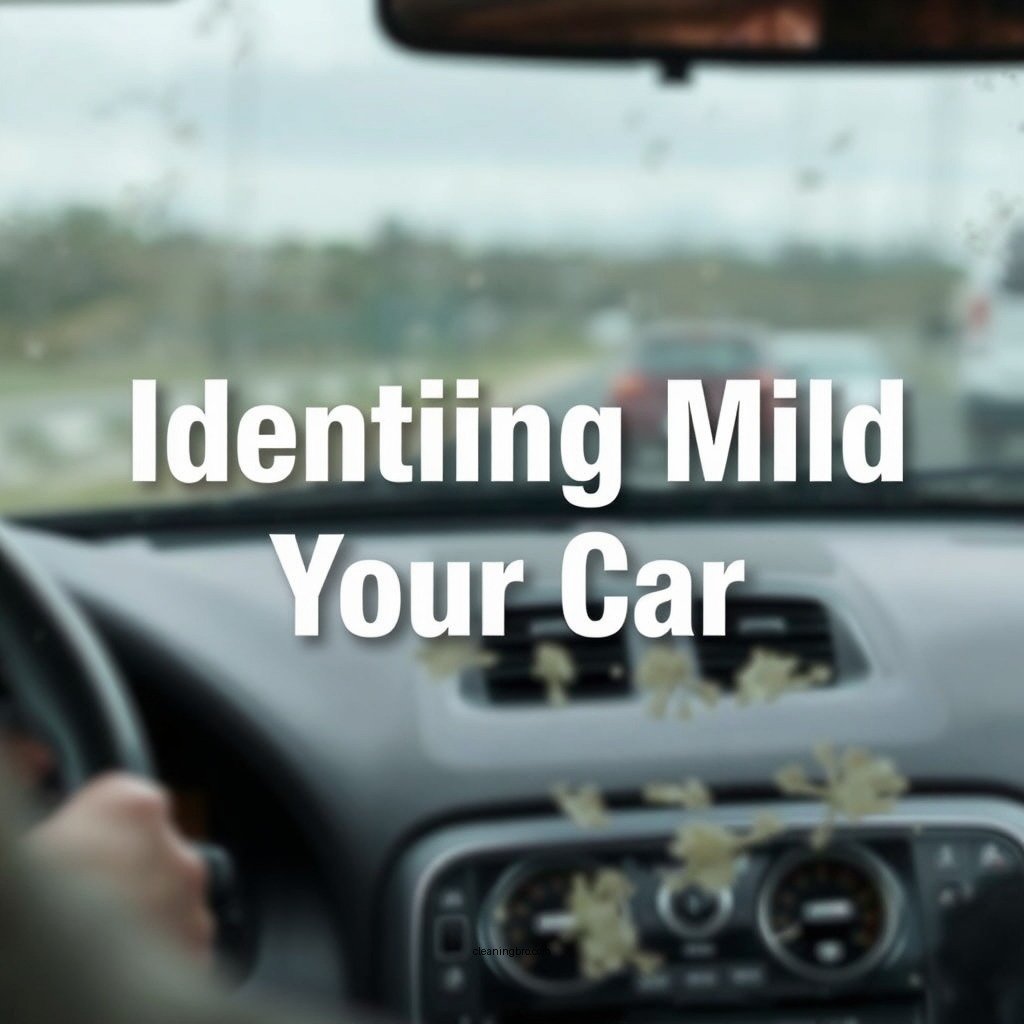
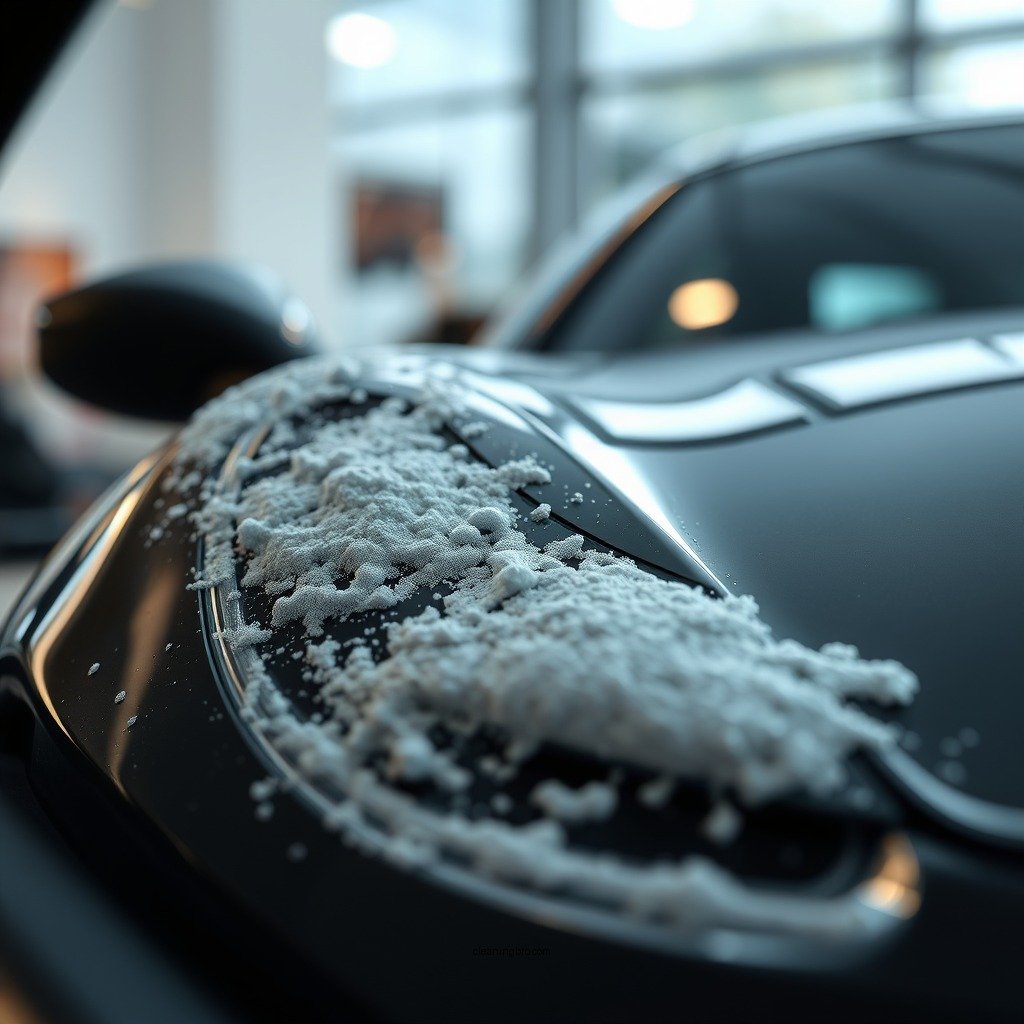
The first step in dealing with mold in your vehicle is recognizing its presence. Look for dark spots or discoloration on upholstery, carpets, and even the headliner. Mold can appear as black, green, or white patches that often spread quickly. Additionally, if you notice a persistent musty smell, it usually indicates mold growth, which is often exacerbated by moisture from spills, rain, or humidity. It’s essential to act promptly upon discovery, as mold can lead to more significant issues, including health problems and costly repairs.
Essential Cleaning Supplies
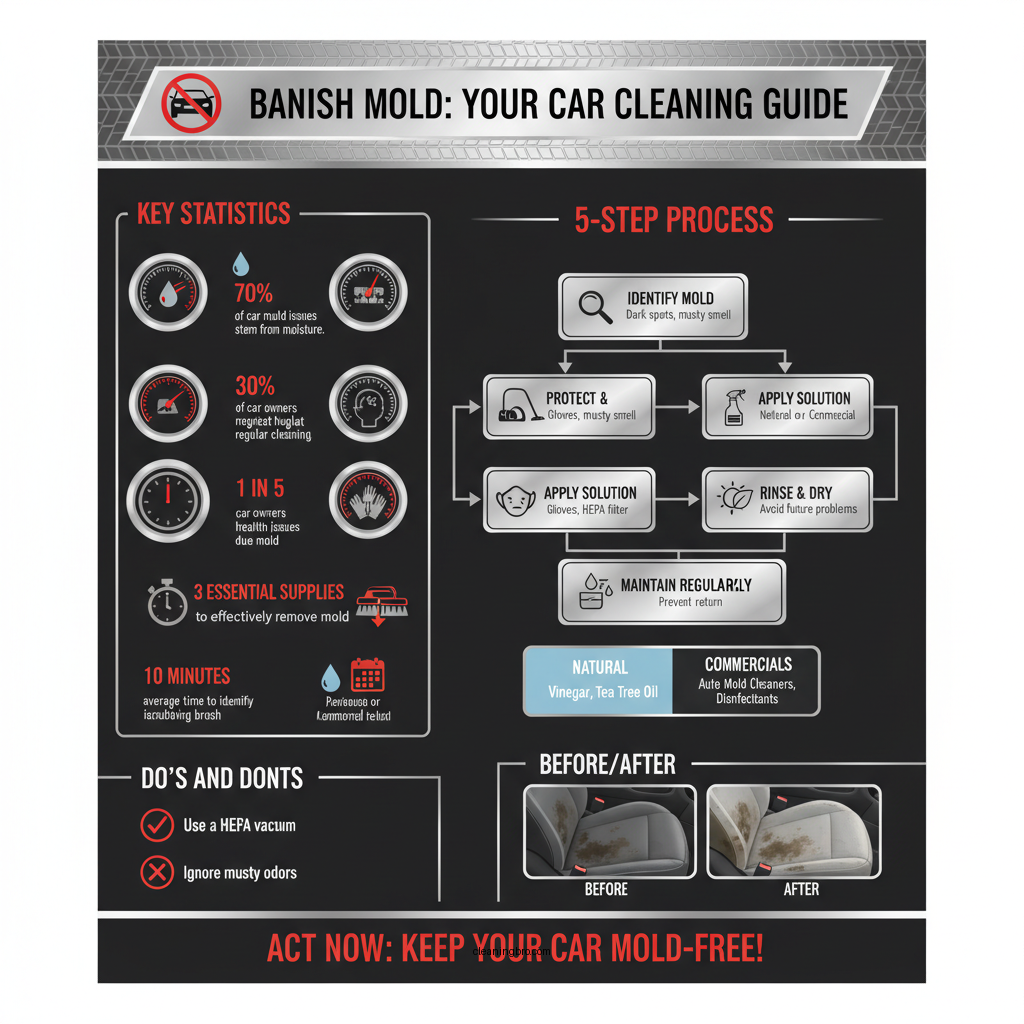
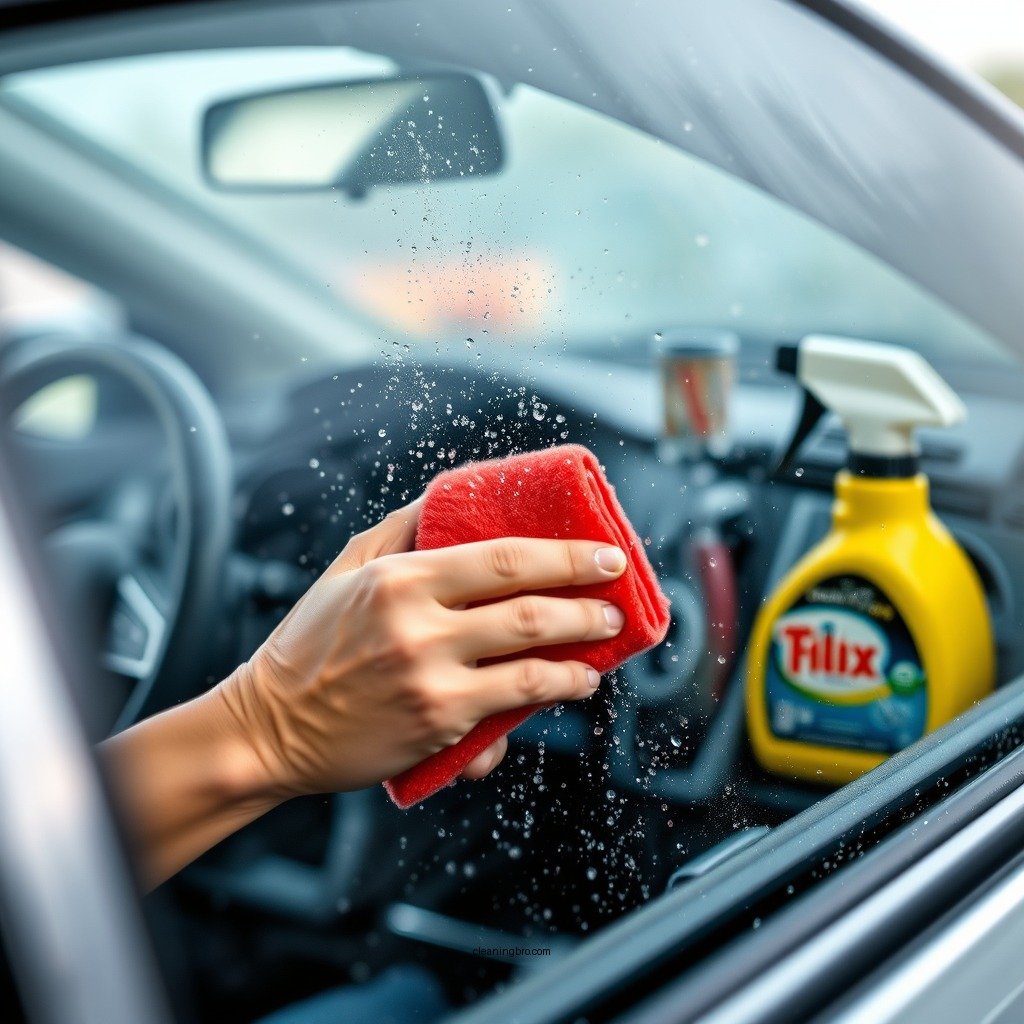
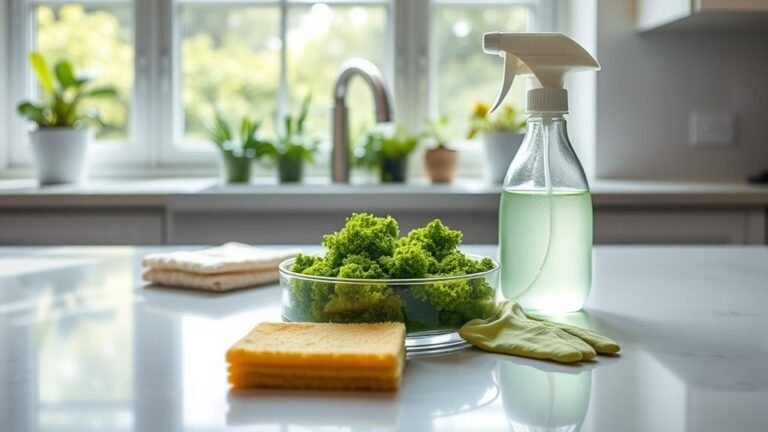
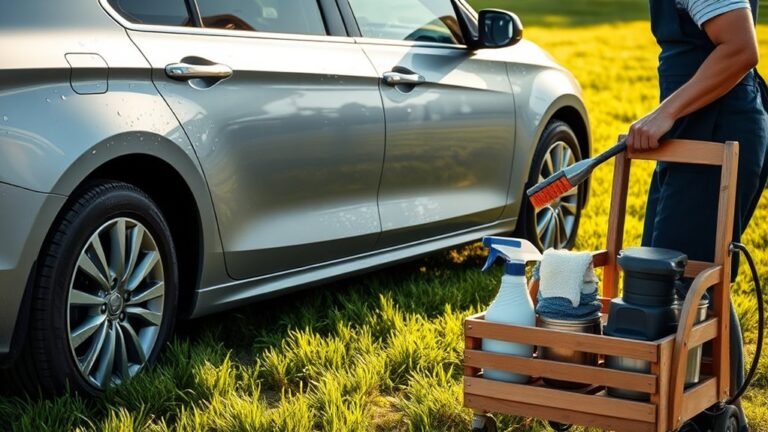
To effectively tackle mold, you’ll need to gather the right cleaning supplies. Essential items include:
– Protective gear: Gloves and masks to safeguard against inhaling spores and skin irritation.
– Scrubbing brushes: Stiff-bristled brushes for thorough scrubbing of affected areas.
– Vacuum cleaner: A vacuum with a HEPA filter is ideal for capturing mold spores.
– Cleaning solutions: Depending on your preference, you can use natural ingredients like vinegar and baking soda, or opt for specialized commercial mold removal products.
Using the appropriate tools will enhance the cleaning process and ensure that you adequately remove mold without causing additional damage to your vehicle’s interior.
Step-by-Step Cleaning Process
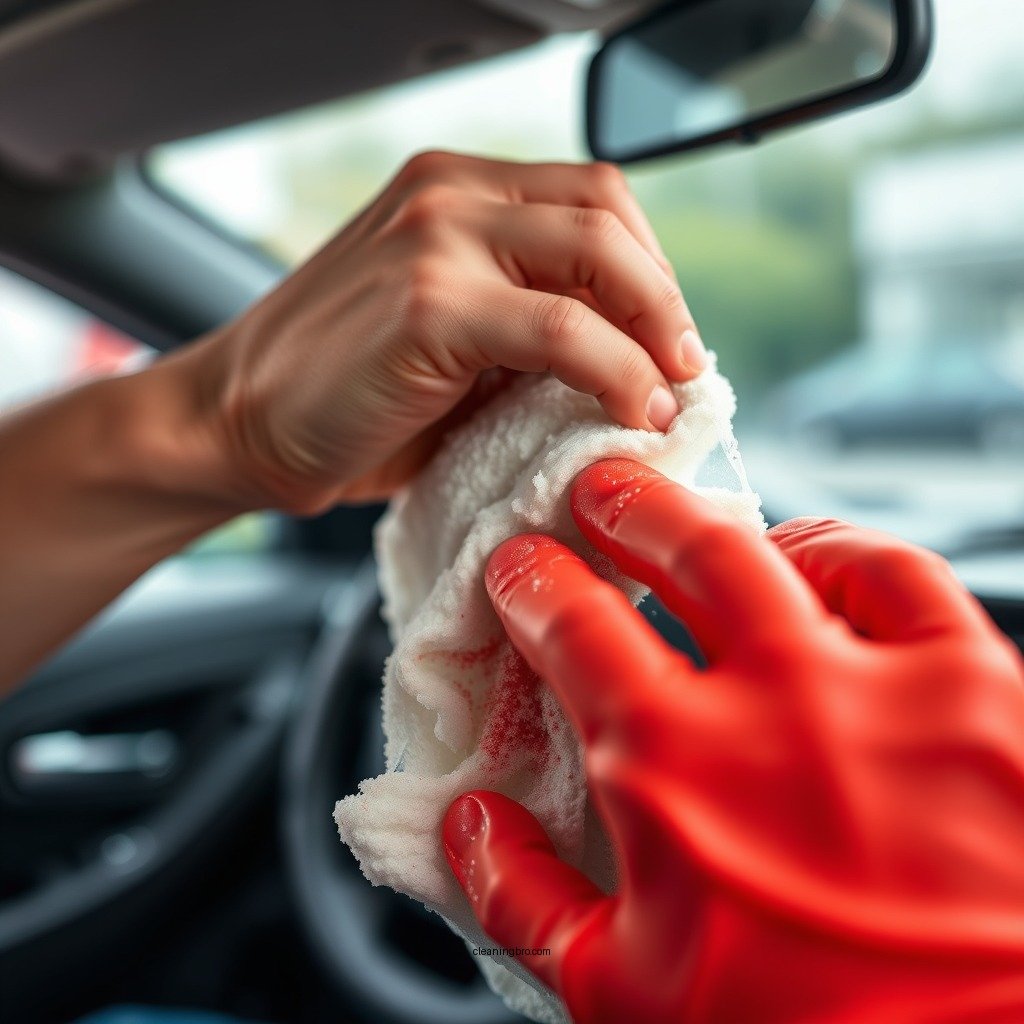
1. Remove all items from the car: Start by taking out mats, seats (if removable), and any personal belongings. This will expose all areas where mold may be hiding.
2. Vacuum the affected areas: Use a vacuum cleaner equipped with a HEPA filter to remove loose mold spores. Focus on carpets, upholstery, and any crevices where mold could be lurking.
3. Apply cleaning solutions: Depending on the severity of the mold, you can choose either a natural or commercial cleaner.
4. Scrub thoroughly: After applying the cleaning solution, allow it to sit for a few minutes before scrubbing with a brush to loosen the mold.
5. Rinse and dry: Wipe down surfaces with a clean, damp cloth and ensure that all areas are dried thoroughly to prevent mold from returning.
Cleaning Solutions Overview
Top 7 Cleaning Solutions for Mold in Vehicles
| # | Product Name | Type | Effectiveness | Price |
|---|---|---|---|---|
| 1 | Simple Green | Commercial | High | $9.99 |
| 2 | Zep Mold Stain Remover | Commercial | Very High | $12.50 |
| 3 | Nature’s Miracle | Natural | High | $8.99 |
| 4 | Vinegar Solution | Natural | Moderate | $2.00 |
| 5 | Baking Soda Paste | Natural | High | $1.50 |
| 6 | RMR-86 | Commercial | Very High | $14.99 |
| 7 | Concrobium Mold Control | Commercial | High | $11.99 |
Using Natural Cleaning Solutions
For those who prefer to use natural cleaning methods, vinegar is a highly effective solution for killing mold. To make a vinegar solution, mix equal parts of water and vinegar in a spray bottle. This solution can be sprayed directly onto the moldy areas. Allow it to sit for at least 10 minutes to penetrate the mold effectively. Afterward, scrub the surface gently with a brush to lift the mold. Rinse with a clean, damp cloth and ensure the area is well-ventilated to speed up the drying process.
Baking soda is another excellent natural option. Create a paste by mixing water and baking soda, then apply it to the moldy areas. This not only helps in killing the mold but also deodorizes the car’s interior.
Commercial Mold Removal Products
If natural solutions do not suffice, commercial mold removal products specifically designed for vehicles can be highly effective. Brands like Zep Mold Stain Remover and RMR-86 offer potent formulations that target mold growth efficiently. When using these products, always follow the manufacturer’s instructions for safe and effective application. It’s advisable to wear protective gear, such as gloves and masks, to avoid exposure to harsh chemicals.
Preventing Future Mold Growth
To keep your car mold-free, preventive measures are crucial. Ensure proper ventilation by keeping windows slightly cracked when parked, especially in humid weather. Using a dehumidifier can also help in reducing moisture levels inside the vehicle. Regularly cleaning the car, particularly after trips involving food or wet items, will minimize the risk of mold development. Additionally, promptly addressing spills and leaks will prevent moisture accumulation.
When to Seek Professional Help
If the mold problem persists or is extensive, it may be time to consult a professional cleaning service. Professionals have specialized tools and products that can efficiently eliminate mold from hard-to-reach areas. Moreover, if you or any passengers experience health issues related to mold exposure, such as respiratory problems, it is prudent to seek expert intervention promptly.
Cleaning mold in your car can be straightforward if you follow the right steps. By identifying the problem, using the correct supplies, and ensuring proper prevention, you can maintain a clean and healthy vehicle environment. Take action today to keep your car mold-free and ensure a pleasant driving experience. Regular maintenance and vigilance against moisture are your best defenses against mold reoccurrence.
Frequently Asked Questions
What are the best methods to clean mold in a car?
The best methods to clean mold in a car include using a mixture of water and vinegar, or a commercial mold remover specifically designed for automotive interiors. First, remove any visible mold with a vacuum equipped with a HEPA filter, then apply the cleaning solution and scrub the affected areas with a soft brush. Always ensure the car is well-ventilated during the cleaning process to prevent inhaling mold spores.
How can I prevent mold from growing in my car?
To prevent mold from growing in your car, ensure it remains dry by regularly checking for leaks and keeping the windows closed during rain. Additionally, use moisture absorbers or silica gel packs inside the car, and clean spills or stains immediately. Regularly air out your vehicle and consider using an air conditioner to help reduce humidity levels.
Why does mold develop in cars and how can I eliminate it effectively?
Mold develops in cars primarily due to high humidity, dampness from spills, or wet items left inside. To eliminate it effectively, start by cleaning the affected areas with a mold removal solution and a scrub brush, then dry the interior thoroughly. It’s also essential to address the root cause, such as repairing leaks and ensuring proper ventilation.
Which areas in my car are most susceptible to mold growth?
The areas in your car most susceptible to mold growth include the upholstery, carpets, and under the seats where moisture can accumulate. Additionally, the air conditioning system can harbor mold if not cleaned regularly. Pay special attention to these areas during inspections and cleaning.
What should I do if the mold in my car is extensive or persistent?
If the mold in your car is extensive or persistent, it may be best to seek professional cleaning services that specialize in mold removal. They have the expertise and specialized equipment to handle severe cases safely. If you choose to tackle it yourself, ensure you wear protective gear, such as gloves and a mask, to avoid health risks associated with mold exposure.
References
- https://www.cdc.gov/niosh/topics/indoorenv/mold.html
https://www.cdc.gov/niosh/topics/indoorenv/mold.html - Mold Cleanup in Your Home | US EPA
https://www.epa.gov/mold/mold-cleanup-your-home - https://www.mayoclinic.org/healthy-lifestyle/consumer-health/in-depth/mold-exposure/art-20046010
https://www.mayoclinic.org/healthy-lifestyle/consumer-health/in-depth/mold-exposure/art-20046010 - https://www.health.harvard.edu/staying-healthy/cleaning-up-mold
https://www.health.harvard.edu/staying-healthy/cleaning-up-mold - Mold | National Institute of Environmental Health Sciences
https://www.niehs.nih.gov/health/topics/agents/mold/index.cfm - https://www.sciencedirect.com/topics/earth-and-planetary-sciences/mold-cleaning
https://www.sciencedirect.com/topics/earth-and-planetary-sciences/mold-cleaning - https://www.who.int/news-room/fact-sheets/detail/mold
https://www.who.int/news-room/fact-sheets/detail/mold - https://www.britannica.com/science/mold
https://www.britannica.com/science/mold - Google Scholar Google Scholar
https://scholar.google.com/scholar?q=how+to+clean+molds+in+car - Google Scholar Google Scholar
https://scholar.google.com/scholar?q=mold+removal+techniques+automobile