How to Clean Museum Glass: A Step-by-Step Guide
Cleaning museum glass requires a careful approach to avoid damaging valuable artworks or artifacts. The key to effectively cleaning museum glass is to use the right materials and techniques that ensure pristine clarity while protecting the items behind the glass. In this article, you will learn essential tips, techniques, and best practices for cleaning museum glass safely and efficiently.
Understanding Museum Glass

Museum glass is a specialized type of glass that is designed to reduce glare and block harmful UV light, which can cause fading and deterioration of artwork and artifacts. Unlike standard glass, museum glass features a unique coating that enhances clarity while providing additional protection. This coating makes museum glass more sensitive to cleaning methods and materials, necessitating a more cautious approach when cleaning. The properties of museum glass include high transparency and low reflection, making it an ideal choice for galleries and museums where the visual experience of art is paramount.
Cleaning museum glass is not just about removing dirt and smudges; it is critical to maintain the integrity of the glass and the artwork behind it. Using inappropriate cleaning materials or methods can lead to scratches, streaks, or even damage to the glass itself, which can be irreversible. Thus, understanding the characteristics of museum glass is the first step in ensuring a successful cleaning process.
Essential Cleaning Supplies


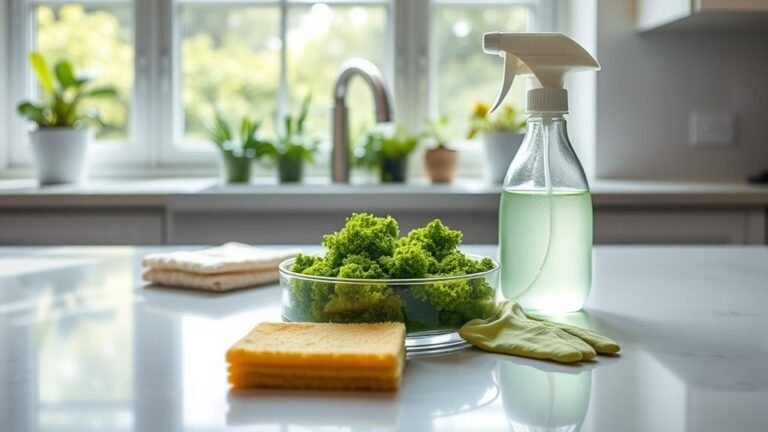
When it comes to cleaning museum glass, the right supplies are essential. Here’s a list of items you will need:
– Distilled Water: Regular tap water can contain minerals and impurities that leave streaks and residue. Distilled water is free from these contaminants and is ideal for cleaning.
– pH-Neutral Cleaners: Choose cleaners specifically designed for glass that are pH-neutral. Avoid any cleaners containing ammonia, alcohol, or abrasive agents, as these can degrade the glass coating.
– Microfiber Cloths: These are preferred for their softness and high absorbency. Microfiber cloths are designed to lift and trap dirt without scratching the glass surface, making them ideal for delicate surfaces.
– Spray Bottles: For easy application of the cleaning solution, a spray bottle is recommended. Just be sure to spray the cleaner onto the cloth instead of directly onto the glass to prevent oversaturation.
Preparation Before Cleaning

Before you begin the cleaning process, it is crucial to prepare the area properly. Start by ensuring that the environment is free from dust and debris that could scratch the glass during cleaning. Here are some steps to follow:
1. Dust the Surrounding Area: Use a dry microfiber cloth to gently dust around the glass. This will prevent any loose particles from coming into contact with the glass surface during cleaning.
2. Remove Nearby Objects: If possible, clear the area of any nearby artworks, frames, or items that could cause accidental damage during the cleaning process.
3. Assess the Glass Condition: Take a moment to inspect the glass for any scratches or damage. This will help you determine how carefully you need to proceed and if special attention is needed in certain areas.
The Cleaning Process
The cleaning process for museum glass is straightforward but requires attention to detail. Follow these steps for optimal results:
1. Dust the Glass Surface: Begin by using a dry microfiber cloth to gently wipe away any loose dirt or dust from the surface of the glass.
2. Apply Cleaning Solution: Lightly spray the cleaning solution onto a clean microfiber cloth, avoiding direct application onto the glass. This method allows for better control of the amount of cleaner used.
3. Wipe the Glass: Using the damp cloth, wipe the glass in a circular motion or in a vertical and horizontal pattern. This technique helps to prevent streaks and ensures even coverage.
4. Buff the Glass: After cleaning, take a dry microfiber cloth and buff the glass to enhance its clarity and shine. This final step can help remove any remaining streaks and ensure a pristine finish.
Techniques for Streak-Free Finish
Achieving a streak-free finish on museum glass requires a few additional techniques:
– Consistent Motion: When wiping the glass, maintain a consistent motion. Circular motions can often lead to streaks, so alternating between vertical and horizontal strokes can yield better results.
– Use the Right Pressure: Apply gentle pressure while cleaning; pressing too hard can scratch the glass or damage the coating.
– Check for Residue: After cleaning, inspect the glass from various angles to ensure there are no remaining streaks or residues. If any are found, simply repeat the buffing process with a clean, dry cloth.
Regular Maintenance Tips
Regular maintenance is key to keeping museum glass in top condition. Here are some effective tips to incorporate into your cleaning routine:
– Schedule Cleanings: Plan regular intervals for cleaning museum glass to prevent the buildup of dust and grime that can accumulate over time.
– Educate Staff: If the glass is in a public space, ensure that staff members understand the importance of gentle handling and the proper cleaning techniques to maintain the glass’s integrity.
– Avoid Harsh Chemicals: Steer clear of ammonia-based cleaners and other harsh chemicals that can potentially harm the glass’s special coatings.
– Monitor Environmental Conditions: Keep an eye on humidity and temperature levels in the space where museum glass is displayed to reduce the chances of condensation and grime buildup.
When to Seek Professional Help
While many cleaning tasks can be handled in-house, there are situations where professional help is recommended:
– Heavily Stained Glass: If the glass has stubborn stains or marks that do not come off with standard cleaning methods, it may be time to consult a professional conservator who specializes in artwork and glass.
– Valuable Artworks: For priceless pieces or sensitive items, hiring a professional ensures that the cleaning process is conducted with the utmost care and expertise.
– Consulting Conservators: If you’re unsure about the best methods for cleaning specific artworks or artifacts, don’t hesitate to reach out to a conservator for tailored advice and assistance.
Top 7 Museum Glass Cleaning Brands (2024)
| # | Brand | Product Type | Effectiveness | Price |
|---|---|---|---|---|
| 1 | Glass Gleam | Liquid Cleaner | High | $12 |
| 2 | Museum Clean | Spray Cleaner | Very High | $15 |
| 3 | Fine Art Cleaner | Wipes | Moderate | $10 |
| 4 | Clear View | Liquid Cleaner | High | $14 |
| 5 | Artisan Cleaner | Spray Cleaner | Very High | $18 |
| 6 | Streak-Free Pro | Wipes | High | $11 |
| 7 | Ultra Clean | Liquid Cleaner | Very High | $20 |
Effectiveness of Various Museum Glass Cleaners
Museum Glass Cleaners: Side-by-Side Comparison
| Feature | ⭐ Museum Clean | Glass Gleam | Artisan Cleaner |
|---|---|---|---|
| Price | $15 | $12 | $18 |
| Packaging | Spray Bottle | Spray Bottle | Wipes |
| Effectiveness | ✅ Very High | ✅ High | ✅ Moderate |
| Streak-Free | ✅ Yes | ✅ Yes | ❌ No |
| Eco-Friendly | ✅ Yes | ✅ Yes | ❌ No |
| Availability | Online & Retail | Online Only | Retail Only |
| Volume | 16 oz | 16 oz | 24 wipes |
| User Ratings | ★★★★☆ | ★★★★★ | ★★★☆☆ |
| Recommended Use | Artwork & Antiques | General Use | Light Cleaning |
| 🏆 Best For | Museum Professionals | Home Users | Quick Touch-Ups |
In summary, cleaning museum glass involves using the right materials, following a careful process, and maintaining a regular cleaning schedule. By implementing these tips, you can ensure that the glass remains clear and the artworks behind it are well-protected. For further information or expert advice, consider reaching out to a professional conservator for your specific needs. Proper care and maintenance of museum glass not only enhances the viewing experience but also prolongs the life of the valuable pieces it protects.
Frequently Asked Questions
What is the best method to clean museum glass without damaging it?
The best method to clean museum glass is to use a mixture of distilled water and a few drops of pH-neutral soap. Apply the solution with a soft microfiber cloth, ensuring to avoid any abrasive materials that could scratch the glass. Always wipe in a circular motion and dry with a clean cloth to prevent streaking.
How often should museum glass be cleaned to maintain its clarity?
Museum glass should be cleaned at least once every six months to maintain its clarity and prevent dust buildup. However, if the glass is in a high-traffic area or exposed to environmental pollutants, more frequent cleaning may be necessary. Regular maintenance helps preserve the artwork and ensures the glass remains clear for optimal viewing.
Why is it important to use specific cleaning solutions for museum glass?
It is important to use specific cleaning solutions for museum glass because regular glass cleaners often contain ammonia or harsh chemicals that can damage the glass’s protective coatings. These coatings are designed to filter UV light and reduce glare, so using the wrong products may compromise the integrity of the glass and the artwork it protects.
Which tools are recommended for cleaning museum glass effectively?
Recommended tools for effectively cleaning museum glass include microfiber cloths, soft sponges, and a spray bottle for your cleaning solution. Avoid using paper towels or rough fabrics, as these can scratch the surface. For hard-to-reach areas, consider using a soft-bristled brush to gently remove dust without risking damage.
What should you avoid when cleaning museum glass to prevent damage?
When cleaning museum glass, avoid using abrasive cleaners, paper towels, or scrubbing pads, as these can scratch or damage the surface. Additionally, steer clear of overly wet cloths, which can allow moisture to seep into the edges of the glass and potentially harm the artwork. Always test your cleaning method on a small, inconspicuous area first.
References
- https://www.nps.gov/articles/cleaning-and-caring-for-glass.htm
https://www.nps.gov/articles/cleaning-and-caring-for-glass.htm - Glass | Definition, Composition, Material, Types, & Facts | Britannica
https://www.britannica.com/technology/glass - https://www.archives.gov/preservation/cleaning-glass
https://www.archives.gov/preservation/cleaning-glass - https://www.smithsonianmag.com/smart-news/how-clean-artwork-without-damaging-it-180970182/
https://www.smithsonianmag.com/smart-news/how-clean-artwork-without-damaging-it-180970182/ - Google Scholar Google Scholar
https://scholar.google.com/scholar?q=cleaning+museum+glass - Google Scholar Google Scholar
https://scholar.google.com/scholar?q=cleaning+glass+artifacts - Google Scholar Google Scholar
https://scholar.google.com/scholar?q=museum+conservation+glass+cleaning - Google Scholar Google Scholar
https://scholar.google.com/scholar?q=how+to+clean+museum+glass - how to clean museum glass – Search results
https://en.wikipedia.org/wiki/Special:Search?search=how+to+clean+museum+glass - https://www.ncbi.nlm.nih.gov/search/research-articles/?term=how+to+clean+museum+glass
https://www.ncbi.nlm.nih.gov/search/research-articles/?term=how+to+clean+museum+glass