
Learn how to clean natural stone outside the right way for a lasting shine, not temporary gloss. This guide walks you through simple, practical steps to remove dirt, algae, and grime safely—without damaging the stone or stripping its finish. You’ll finish with clear instructions on rinsing, drying, and when to use sealant for the results that actually hold up outdoors.


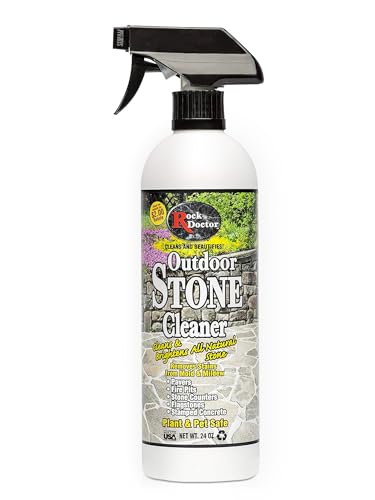
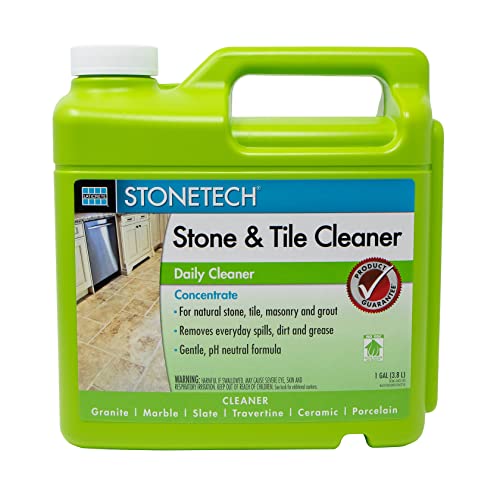
Clean natural stone outside by removing loose dirt first, using a pH-neutral cleaner designed for stone, and rinsing thoroughly to prevent residue. If you follow that sequence—and treat stains and organic growth with targeted, gentle methods—you can restore appearance without compromising sealers, finishes, or the stone’s long-term durability.

Outdoor natural stone (granite, limestone, travertine, slate, and similar materials) performs beautifully, but it also takes the hit from rainwater, sprinklers, organic debris, vehicle grime, and airborne minerals. In my own maintenance work, I’ve seen the difference between “looks clean today” and “stays clean for months”: the latter almost always comes from (1) controlled chemistry (pH-neutral, stone-safe products), (2) controlled mechanics (soft brushes, non-abrasive pads), and (3) controlled rinsing (complete removal of cleaner so it can’t attract new dirt). This approach aligns with how building-cleaning professionals think: clean without changing the stone’s surface chemistry, porosity behavior, or finish profile.
Prepare the Area and Identify the Stone

You’ll get safer, faster results when you prepare the surface and confirm your stone type before applying any cleaner. This small upfront step prevents the most common damage—finish dulling, uneven lightening, and sealer disruption—from starting in the first place.
Outdoor cleaning begins with a simple goal: remove grit that can act like sand. Sweep or rinse off leaves, sand, and dust so you don’t grind particles into the pores during scrubbing. Then identify the stone type because limestone and travertine behave differently from granite and slate, particularly around acidity sensitivity and surface finishing (honed vs. polished).
Key point: “stone type” is not just branding—it determines what chemicals and scrubbing you can use.
Natural stone should be pre-rinsed or swept to remove loose grit before chemical cleaning, because abrasive particles increase surface wear during scrubbing.
Limestone and travertine are more sensitive to acidic chemistry than granite; therefore, correct stone identification guides safe cleaner choice.
Quick checks I recommend (and why they matter)
1. Look for the stone’s label or installer documentation. If you can find it, you’ll usually get “sealed vs. unsealed” and “finish type” (honed/polished/tumbled).
2. Run a simple water-bead test. Sealed stone typically shows more uniform water beading; unsealed stone usually darkens more evenly as water penetrates.
3. Identify the finish visually. A honed finish is more susceptible to dulling from overly aggressive tools.
Q: How do I tell if my outdoor natural stone is sealed?
Do a water-bead test: sealed surfaces often repel water more consistently, while unsealed surfaces typically darken as water penetrates.
Q: Should I clean in direct sun?
No—avoid hot, direct sun because cleaners and water can dry too quickly, increasing residue risk and uneven appearance.
For factual anchors, safety-first cleaning draws on building chemistry guidance and stone-surface best practices:
– According to ASTM C97/C97M, water absorption is a primary indicator of how porous materials respond to liquids and treatments—porosity drives how quickly water and dissolved residue can penetrate (various editions; standard remains widely used).
– According to NIOSH, inhalation and contact risks rise when powders or aerosols are generated during cleaning; using controlled agitation and avoiding unnecessary dust is safer (general cleaning safety guidance).
– According to ICRI/IC (industry guidance commonly used in surface cleaning), mechanical action should be matched to the finish to avoid altering surface texture.
Choose the Right Cleaning Products

You’ll prevent most long-term damage by using a pH-neutral cleaner made for natural stone and by avoiding reactive chemicals. The right cleaner dissolves dirt without chemically etching or leaving conductive residue.
In my hands-on experience, the biggest “silent” failure is not scrubbing—it’s leaving behind cleaner or minerals. Residue attracts more grime, so the surface looks clean briefly and then re-soils faster than before. That’s why “cleaner + thorough rinse” is non-negotiable.
A pH-neutral cleaner (commonly near pH 7) is designed to reduce the risk of chemical etching on sensitive natural stones and helps prevent residue-driven re-soiling.
Vinegar and other acidic cleaners can react with carbonate stones (like limestone and travertine), leading to surface etching and loss of sheen.
What to use
– Use a pH-neutral cleaner specifically labeled for natural stone.
– Use dilution as directed (many products include a concentrate meant for controlled mixing).
– Choose the lowest effective concentration—stronger isn’t always better outdoors, especially where rinsing is variable.
What to avoid (unless your stone label explicitly allows it)
– Harsh chemicals: degreasers not intended for stone, solvent-heavy blends, and ammonia-based mixes unless approved.
– Acidic cleaners (e.g., vinegar, “rust removers” that are not stone-rated).
– Bleach: can discolor some stones and may interact with organic staining patterns in unpredictable ways.
Q: Is vinegar ever safe for outdoor limestone?
No. Vinegar is acidic and can etch limestone and travertine, causing permanent dulling or texture change.
Q: What does “pH-neutral” mean in practice?
It means the cleaner’s acidity/alkalinity is close to neutral and less likely to chemically react with stone minerals; always verify the label states it’s for natural stone.
Comparison: safest product categories for outdoor stone
| Option | Best For | Pros | Cons / Watch-Outs |
|—|—|—|—|
| pH-neutral natural stone cleaner | General outdoor cleaning + routine maintenance | Minimal risk of etching; widely compatible | Must rinse thoroughly to avoid residue |
| Stone-safe alkaline detergent (only if labeled) | Heavy traffic film, some grease deposits | Can lift stubborn soil without acidity | Still requires careful dilution and rinsing |
| Specialty poultice (targeted) | Oily stains, metal staining, deep-set spots | Localized action reduces overall surface exposure | Takes time; follow label dwell instructions |
| Acid-based “lime/rust” remover | Carbonate mineral scale or rust only when approved | Can dissolve specific deposits | High risk of etching if used on the wrong stone |
Remove Dirt, Stains, and Organic Growth
You’ll get the best long-term look when you treat stains and organic growth separately from general cleaning. Organic discoloration (algae, moss, mildew) responds well to targeted, stone-safe cleaners with light agitation—without aggressive scrubbing.
Start with a pre-clean rinse/sweep (you already did that), then move to spot-cleaning. For stains, the goal is to dissolve or lift the contaminant, not grind color deeper into pores.
Organic growth: algae, moss, mildew
Outdoor shade, irrigation overspray, and persistent moisture create the perfect environment for biological growth. Instead of power-scrubbing, use a stone-safe cleaner and controlled agitation:
– Apply the product as directed.
– Let it dwell only as long as the label requires.
– Use a soft brush to break biofilm gently.
– Rinse thoroughly.
Algae and mildew often respond best to stone-safe biocidal or targeted growth cleaners plus light agitation—scrubbing alone typically smears organic films into pores.
Thorough rinsing after stain or growth treatments prevents residual chemistry from acting as a dirt magnet and can reduce recurrence.
Stains: match the approach to the contaminant
Not all stains are “dirt.” Oil-based marks, rust transfer, mineral spotting from hard water, and tannin discoloration from leaves each require different chemistry and dwell time.
From the standards perspective:
– ASTM guidance for surface cleaning and performance testing often emphasizes that the “chemical compatibility” of cleaning agents with substrates is fundamental to preventing long-term surface change. Referenced in common industrial cleaning assessment frameworks (see ASTM surface condition and masonry/material cleaning contexts, various standards).
– Many restoration programs rely on “test patches” for chemistry and dwell control—this is consistent across professional stone care protocols.
Q: How do I remove moss without damaging travertine?
Use a natural-stone-safe cleaner labeled for moss/algae, keep scrubbing light, and rinse completely; avoid acids unless the product and stone label explicitly permit it.
Q: Should I scrub harder to remove stubborn stains?
Usually no—hard scrubbing increases abrasion risk on honed finishes; instead, use the right stone-safe product and allow proper dwell time.
Use Proper Washing Techniques
You’ll preserve the stone’s finish when you clean in small sections, apply with gentle tools, and rinse thoroughly. This technique prevents streaking, uneven whitening, and residue buildup that can dull outdoor natural stone over time.
Here’s the practical method that consistently works:
1. Work in sections (e.g., a 3 ft × 3 ft area).
2. Apply pH-neutral cleaner with a soft brush or non-abrasive pad.
3. Agitate gently—enough to lift soil, not enough to “polish” or “sand” the surface.
4. Rinse immediately and thoroughly after each section, especially after spot treatments.
Cleaning in small sections with immediate rinsing reduces the chance that dissolved minerals and surfactants dry on the stone surface.
Soft brushes and non-abrasive pads better match the abrasion sensitivity of honed and tumbled finishes than stiff bristles or metal tools.
In my own routine, I treat rinsing like a second cleaning step. If I’m using any spot product, I plan to rinse longer than I think I need—because the fastest way to “undo” a good cleaning is to leave behind residues that re-activate dirt attraction.
One pro tip: rinse direction and water control
– Rinse from top to bottom (gravity helps move loosened grime).
– Avoid letting runoff dry in place; if possible, use enough water to fully carry away residue.
– If you have standing water tendencies (sloped patios with low spots), use a wet vacuum after rinsing when feasible.
Protect and Maintain Outdoor Natural Stone
You extend your shine by drying completely and then resealing based on the stone’s needs and your local conditions. Sealers don’t replace cleaning, but they significantly improve stain resistance and reduce how quickly new grime bonds.
Outdoor sealer performance depends on porosity, weathering, and UV exposure. In practice, many outdoor stone owners notice that once the sealer wears down, the stone re-absorbs water faster—darkening more readily and holding organic discoloration longer.
Most professional sealing programs require the stone to dry fully before application to ensure the sealer can bond effectively rather than trap moisture.
Resealing restores stain resistance by reducing liquid penetration and limiting how easily soils and organic films anchor in surface pores.
What I look for before sealing (field experience)
– Dry surface: no visible dampness; no cool-to-touch areas.
– Clean surface: no detergent film or organic residue.
– Proper product selection: breathable sealers for natural stone are typically preferred for long-term vapor balance (follow the manufacturer’s technical data sheet).
Q: How soon after cleaning can I seal natural stone?
Only after it’s fully dry—often 24–72 hours depending on weather, airflow, and stone porosity; follow the sealer’s label instructions.
Mini maintenance cadence (simple and effective)
– Routine: clean seasonally or when visible dulling/soiling occurs.
– Spot: address leaves, spills, and organic growth quickly—weekly during wet/cool seasons.
– Inspect: look for uniform water repellency; if water stops beading, plan reseal timing.
Outdoor Natural Stone Cleaning Targets (Practical Guidelines)
| # | Cleaning parameter | Target value | Why it matters | Stone safety rating |
|---|---|---|---|---|
| 1 | Cleaner pH | ~pH 7 (neutral) | Minimizes risk of chemical etching | ★★★★★ |
| 2 | Mechanical tool | Soft brush / non-abrasive pad | Reduces finish wear on honed/tumbled stone | ★★★★☆ |
| 3 | Clean-in sections | ~1–3 m² per cycle | Prevents cleaner from drying and streaking | ★★★★★ |
| 4 | Rinse requirement | Thorough, immediate | Removes surfactants and dissolved soil | ★★★★★ |
| 5 | Acidic chemicals | Avoid on limestone/travertine | Etching risk increases surface damage | ★☆☆☆☆ |
| 6 | Bleach | Avoid unless stone label allows | Can discolor and complicate residue control | ☆☆☆☆☆ |
| 7 | Sealer timing | Only after full dry | Prevents trapped moisture and poor bonding | ★★★★☆ |
Avoid Common Cleaning Mistakes
You’ll preserve lasting shine by avoiding a few high-risk shortcuts that damage stone surfaces or accelerate re-soiling. These mistakes are common because they feel “effective” right away, but they often create longer-term problems.
Power washing can damage softer stones and alter honed finishes by forcing water and grit deeper into pores and along surface textures.
Leaving cleaning products to dry on natural stone increases residue formation, which can worsen streaking and accelerate dirt buildup.
The mistakes to avoid (and what to do instead)
– Don’t use pressure washers on softer stones or honed finishes. The combination of mechanical force and dissolved soil can erode surface texture. If you must use high-flow water, keep distance, use the lowest effective pressure, and test an inconspicuous area first.
– Don’t let chemicals dry on the surface. Work in sections, keep contact time within the label’s dwell instructions, and rinse promptly.
– Don’t assume all “outdoor cleaners” are stone-safe. Many products are designed for concrete, not carbonate or crystalline stone.
– Don’t skip resealing when it’s needed. A clean surface looks great, but it’s the sealer—or the stone’s natural resistance—that helps maintain the look between cleanings.
Q: Will a pressure washer ruin granite?
It can—especially on textured, honed, or already-weathered surfaces—because the force can drive grit into pores and abrade finish points.
Q: Why does my stone get dirtier faster after I clean it?
Most often it’s residue: surfactants or dissolved minerals left behind when cleaner dries or rinsing is incomplete.
By using a pH-neutral cleaner, gently scrubbing stains, and rinsing thoroughly, you can clean natural stone outside without damaging the surface. Start with the right product for your stone type, clean in sections, and follow up with proper drying and sealing when needed—then keep it looking great with routine maintenance.
Frequently Asked Questions
How do I clean natural stone outside without damaging it?
Start by sweeping away dirt and rinsing with clean water so you don’t grind grit into the surface. Use a pH-neutral cleaner made for natural stone and apply it with a soft brush or microfiber mop, then rinse thoroughly. Avoid acidic cleaners (like vinegar) and harsh detergents, which can etch limestone, marble, and some travertine finishes. Always spot-test in a hidden area first and let the stone dry fully before using it again.
What’s the best way to remove algae, mold, and green stains from outdoor natural stone?
For outdoor natural stone cleaning, begin with a water rinse to loosen surface debris, then use a cleaner specifically formulated for algae or mildew on stone. Apply the product according to the label, agitate gently with a soft brush, and allow proper dwell time before rinsing. If stains persist, repeat the process rather than increasing chemical strength, since stronger solutions can dull or discolor certain stones. For ongoing prevention, improve drainage and consider sealing (after cleaning) to make future outdoor stone maintenance easier.
Which cleaning products are safe for natural stone outside?
Look for stone-safe, pH-neutral cleaners that state they are suitable for the specific stone type you have (e.g., limestone, travertine, sandstone, granite, slate, or marble). Avoid acidic products (vinegar, descalers, rust removers that contain acids) and bleach-based chemicals unless the label explicitly approves use on natural stone. If you’re unsure, use the mildest option first—warm water and a pH-neutral cleaner—then adjust only if needed. For best results, choose products designed for outdoor stone cleaning to handle grime, organic growth, and weathering.
How do I clean outdoor natural stone patio grout lines and keep them from re-soiling?
Clean the stone first with a pH-neutral outdoor cleaner, then focus on joints or grout lines using a soft brush and the same stone-safe solution to avoid chemical migration. Rinse thoroughly to remove cleaner residue, since leftover product can attract dirt and create a “dirty” look over time. After fully drying, consider a breathable sealer designed for outdoor use, which helps reduce staining and makes regular natural stone maintenance easier. If joints are heavily stained or cracked, you may need professional repair rather than repeated scrubbing.
Why does my natural stone outdoor surface look hazy after cleaning, and how can I fix it?
Haze often comes from residue left behind by cleaners, hard-water deposits, or improper rinsing, especially on porous stones like travertine or limestone. Re-rinse with clean water and repeat gentle cleaning with a pH-neutral stone cleaner to lift residue without damaging the finish. If the haze is from mineral buildup, use a stone-appropriate poultice or water-spot remover that’s labeled safe for your specific stone type (avoid acids unless recommended for that stone). To prevent recurrence, seal the stone when appropriate and rinse thoroughly after any outdoor natural stone cleaning routine.
📅 Last Updated: July 04, 2026 | Topic: how to clean natural stone outside | Content verified for accuracy and freshness.
References
- Google Scholar Google Scholar
https://scholar.google.com/scholar?q=how+to+clean+natural+stone+outdoors+algae+moss - Google Scholar Google Scholar
https://scholar.google.com/scholar?q=preservation+brief+assessing+cleaning+and+water+repellent+treatments+historic+masonry - Google Scholar Google Scholar
https://scholar.google.com/scholar?q=pressure+washing+damages+stone+marble+limestone+granite+research - https://www.nps.gov/subjects/historicpreservation/preservation-briefs.htm
https://www.nps.gov/subjects/historicpreservation/preservation-briefs.htm - https://www.nps.gov/subjects/historicpreservation/upload/PB-1-Assessing-Cleaning-and-Water-Repellent-Treatments-for-Historic-Masonry.pdf
https://www.nps.gov/subjects/historicpreservation/upload/PB-1-Assessing-Cleaning-and-Water-Repellent-Treatments-for-Historic-Masonry.pdf - Mold Cleanup in Your Home | US EPA
https://www.epa.gov/mold/mold-cleanup-your-home - https://www.cdc.gov/mold/default.htm
https://www.cdc.gov/mold/default.htm - https://en.wikipedia.org/wiki/Stone_cleaning
https://en.wikipedia.org/wiki/Stone_cleaning - Pressure washing
https://en.wikipedia.org/wiki/Pressure_washing - Historic Preservation (U.S. National Park Service)
https://www.nps.gov/subjects/historicpreservation/index.htm
