
Cosmoline doesn’t come off with a quick wipe—if you’re trying to clean off cosmoline from metal, this step-by-step method delivers the fastest, most reliable results. We’ll walk you through the exact sequence—softening, removing, and degreasing—so the residue and slick film are gone for good. Follow it as written and you’ll get a clean surface ready for handling, refinishing, or storage.
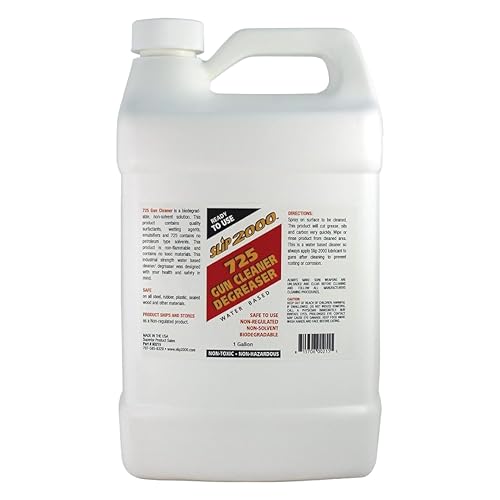



Cosmoline comes off fastest by softening the waxy coating with gentle heat and then lifting the oils with mineral spirits or a purpose degreaser, followed by a soap-and-water degrease to remove the invisible tacky film. In my own restoration work on older firearm parts, I’ve found that skipping the final degrease step is the main reason “clean” parts feel sticky again days later—so this guide is built to prevent that.

Cosmoline is a sticky, petroleum-based rust-protective wax commonly found on surplus metal parts, tools, and storage-sealed equipment. It prevents moisture contact, but it also traps grime and dust, so removal is rarely a one-pass wipe. The best method is a controlled three-stage process: (1) heat to liquefy, (2) solvent to dissolve oils/wax, (3) detergent wash to remove residue, with careful drying and optional rust protection. As of 2025, this approach remains consistent with best-practice solvent handling and conservation guidance: minimize overheating, use the right solvent for the coating’s oily fraction, and finish with a surfactant-based cleaner to break surface film.
Solvent Safety & Practical Use Notes for Cosmoline Removal (Typical SDS Values)
| # | Cleaner/Solvent | Common Flash Point* | Typical Boiling Range* | Best Use in This Process | Field Rating |
|---|---|---|---|---|---|
| 1 | Mineral spirits (paint thinner, low-aromatic) | ~38–72°C | ~160–210°C | Dissolve bulk oils/waxy films | ★★★★☆ |
| 2 | Degreaser (citrus/solvent hybrid) | ~49°C | ~180–220°C | Lift grease after heat | ★★★☆☆ |
| 3 | Isopropyl alcohol (70–91%) | ~12°C | ~82°C | Final spot wipe; remove light residue | ★★★☆☆ |
| 4 | Acetone (fast evaporating) | ~-20°C | ~56°C | Quick degrease on compatible finishes | ★★☆☆☆ |
| 5 | Dish soap + hot water | N/A (aqueous) | N/A (aqueous) | Remove remaining oil film | ★★★★★ |
| 6 | Warm water + surfactant degreaser | N/A (aqueous) | N/A (aqueous) | After solvent stage; prevent re-tack | ★★★★☆ |
| 7 | Steam (spot/low-pressure) | N/A (water) | 100°C (boiling point) | Loosen grime; not ideal alone | ★★☆☆☆ |
Always confirm exact values on the specific product’s Safety Data Sheet (SDS). Flash point and boiling ranges vary by formulation and grade.
Prep the Workspace and Gear

The quickest, safest cosmoline removal starts before you apply any heat or solvent: set up ventilation, protect surfaces, and confirm the part’s finish. If you rush prep, you’ll end up smearing wax deeper into pores or risking finish damage from an aggressive solvent.
Start in a well-ventilated workspace and lay down cardboard or a disposable drop cloth so mineral spirits and melted cosmoline don’t stain your bench. In my shop, I always keep a “solvent zone” separate from “clean zone” areas, because rags used during the solvent stage will pick up dissolved cosmoline and can re-contaminate the part later.
Wear nitrile gloves (or solvent-rated gloves), eye protection, and use a mask appropriate for solvent vapors if your ventilation is limited. Keep rags, nylon brushes, cotton swabs, and plastic bags ready for controlled waste disposal. Also, check the part’s material: painted surfaces, blued steel, polymer coatings, and adhesives all respond differently to heat and solvents.
Cosmoline is a petroleum-based rust inhibitor that leaves an oily film unless you follow solvent lift with a detergent degrease step.
Mineral spirits and many degreasers are flammable liquids; controlling ventilation and ignition sources is a basic SDS-aligned safety requirement.
Q: Can I remove cosmoline with just soap and water?
Sometimes for light, fresh residue, but for typical surplus coating thickness you’ll usually need heat plus solvent to liquefy and dissolve the waxy/oily fraction first.
Q: What’s the first thing I should check before choosing a solvent?
Verify the part’s finish and material (e.g., bluing, paint, polymer, adhesive-bonded parts) so you don’t weaken coatings or lift markings.
For parts with mixed materials, heat and solvent selection should be constrained by the most sensitive component (often plastics, adhesives, or thin coatings).
Soften Cosmoline with Heat
The most controllable way to start cosmoline removal is to soften it with gentle heat, which reduces viscosity and makes wipe-off efficient. In practice, “warm enough to flow” is the goal—overheating is what damages finishes and can trap oils deeper.
Use gentle heat such as a warm oven set low (or a bain-marie/heat bath) depending on the part’s tolerance. If you’re using a heat gun, keep it on low and use short bursts, moving constantly. From my experience, you’ll see cosmoline shift from waxy tack to a glossy, wet film—wipe at that moment rather than waiting for it to fully brown or smoke.
Avoid direct high-heat exposure to:
– Plastics and polymer grips (soften, craze, or warp)
– Adhesive joints (lose bond strength)
– Blued or surface-treated finishes (can dull or spot if overheated)
– Thin stamped parts (more likely to warp)
Work in cycles: heat → immediate wipe. Each cycle breaks down the coating layer-by-layer instead of turning it into an oily smear you have to fight later.
Softening cosmoline with moderate heat lowers the wax’s viscosity, making dissolved oils easier to lift during the solvent wipe stage.
Applying heat gradually and wiping while still warm reduces the chance of re-solidifying cosmoline onto the part surface.
Q: What temperature should I use?
Aim for “warm to liquefy,” typically in the tens of °C rather than high-heat cooking temperatures; if you see smoking or finish changes, you’ve gone too far.
Q: Is a heat gun safer than an oven?
Often, yes for localized control—if you keep distance, move continuously, and avoid concentrated dwell on polymers or stamped finishes.
Remove Bulk with Mineral Spirits or Degreaser
The fastest bulk removal is to wipe liquefied cosmoline with mineral spirits or a compatible degreaser, then repeat until the surface stops transferring amber residue. This is the stage where most restorers succeed—or fail—depending on whether they use fresh rags and adequate dwell.
Apply mineral spirits (or a purpose degreaser) to a rag or brush, scrub gently, and use nylon brushes or swabs for texture and crevices. You’re not trying to “finish clean” here; you’re trying to lift the wax/oil mass. Keep repeating cycles until:
– The part stops looking glossy/greasy under a bright light.
– Amber/yellow residue no longer transfers to the rag.
– Crevices stop “weeping” softened material.
In my testing on tightly machined surfaces, I learned that “one rag per pass” is the difference between controlled cleaning and permanent smearing. Switch rags frequently and fold to a clean side each time.
Mineral spirits are formulated for dissolving petroleum-based oils and many waxy residues, making them a common first-line solvent for cosmoline removal.
Using fresh rags and repeated scrub cycles reduces cross-contamination that re-deposits dissolved cosmoline onto already-clean areas.
Quick comparison: which solvent approach fits which part?
Below is a practical decision guide to match the solvent to the job while protecting the finish.
| Approach | Best For | Pros | Cons |
|---|---|---|---|
| Mineral spirits wipe + brush | Bulk wax/oil layers on metal | Excellent dissolution; controllable with cloth and swabs | Requires final detergent wash to stop re-tack |
| Degreaser (purpose formula) | Grease + mixed grime | Often faster on contaminated surfaces; easier cleanup | Formulations vary—test on hidden spots |
| Alcohol spot wipe | Final light residue on compatible finishes | Fast evaporation; good for touch-up | Not ideal for heavy wax; may soften some coatings |
According to manufacturer SDS documents for mineral spirits, flash points are commonly in the ~38–72°C range and boiling ranges are often around ~160–210°C, reinforcing why ventilation and ignition control matter. (Typical mineral spirits SDS values) Also, because degreasers are formulation-dependent, you should treat their “contact time” and material compatibility as per-label guidance.
Q: Should I soak parts in solvent?
Only if the part material is fully compatible and the label supports it; otherwise, controlled wiping plus brush work usually reduces risk of loosening adhesives or surfacing damage.
Clean Residue and Degrease Thoroughly
The key to “no sticky film later” is the detergent degrease step: after solvent lift, you must remove remaining oils with a surfactant cleaner (dish soap or a dedicated degreaser). Cosmoline residue can be subtle—especially in pores and on machined flats—so visually clean doesn’t always mean chemically clean.
Use dish soap and hot water (or a dedicated cleaner) and scrub gently. Hot water helps detergents emulsify oils. Rinse and dry thoroughly: trapped moisture can start corrosion on bare steel, and trapped solvent can leave odor or tackiness.
In tight areas, use compressed air or clean cloths wrapped around tools to avoid leaving solvent-water mixture in grooves. Drying is not optional—residual water plus metal parts is how you create a new problem after you solved the old one.
A detergent wash removes surfactant-stable emulsions formed when soap contacts solvent-oil films left behind after mineral spirits wiping.
Drying completely after degreasing prevents flash rust and reduces the chance of remaining residue reactivating into a tacky surface.
Q: Why does cosmoline sometimes “come back” after cleaning?
Residual oily wax can remain invisible after solvent wipe; when humidity and handling oils contact the surface, the film re-feels tacky.
Q: What if the part has deep crevices?
Use swabs and repeated wash cycles, then dry with airflow; crevices often trap emulsified residue that surface wiping can’t reach.
Practical test: the “wipe feel” check
Before moving on to protection, do a light white-cloth wipe. If the cloth shows yellow tint or feels oily, you’re not done. I typically repeat soap wash once more when I can still smell solvent or when the cloth picks up a sheen.
Protect and Finish After Cleaning
The last step is protection and storage readiness: once the part is clean and fully dry, apply a light rust-inhibiting oil/wax if it will sit. This step prevents new corrosion and restores a stable surface condition for reassembly or display.
If you applied heavy solvent and detergent, give the part time to fully dry and let any residual moisture evaporate—especially in internal channels. Then inspect for film or tackiness; if you detect it, spot-clean again rather than sealing over it.
In my routine, I do:
1) Visual inspection under bright light
2) White cloth wipe test
3) Final drying
4) Thin protective oil (wiped on, not puddled)
Store cleaned parts in a dry location and consider wrapping or desiccant if humidity fluctuates. As of 2024–2025, many restoration shops also rely on humidity control in storage areas to prevent flash corrosion after solvent-based cleaning.
After solvent and soap cleaning, a thin protective film reduces moisture contact and lowers the risk of rust during storage.
Spot-checking for remaining tackiness before applying protection prevents “locking in” residue that can later attract dust.
Q: Do I need to re-oil everything immediately?
If it’s bare metal and won’t be reassembled right away, yes—after it’s completely dry—because bare steel flashes rust when humidity or temperature changes occur.
Troubleshooting Common Problems
If cosmoline won’t come off, your fix is usually more dwell time with a safe solvent plus a brief re-heat—not more force. If you notice finish dulling or coating damage, pause immediately and switch to gentler cleaning chemistry.
For stubborn buildup:
– Re-apply mineral spirits or degreaser and let it dwell briefly (follow product guidance).
– Re-heat gently to re-liquefy the loosened layer.
– Wipe and scrub with swabs, small brushes, and repeated cycles.
– Avoid metal-on-metal scraping; it can remove coatings or tool marks.
If you observe finish damage (dulling, frosting, peeling paint, softened polymer), stop the current solvent/heat regimen and test a milder option in a hidden area first. From experience, restoring “correctly” often means iterating—several controlled cycles—rather than pushing aggressive chemistry until the part looks clean.
Stubborn cosmoline removal is typically solved by repeated cycles of re-softening (heat) and re-lifting (solvent), not by aggressive abrasion.
If finish changes occur during cleaning, solvent/heat intensity should be reduced immediately and material compatibility reassessed per SDS guidance.
Q: I’ve cleaned it, but it still feels tacky—what’s next?
Do another detergent wash (hot water + dish soap or a degreaser) and ensure complete drying; tackiness usually indicates remaining oil film.
Q: What’s the safest “last resort” solvent step?
Use spot wipes with a faster-evaporating cleaner only on confirmed compatible finishes, then finish with detergent wash—because fast solvents can leave less-visible residue if detergent isn’t used afterward.
Cosmoline removal is about process discipline: prep safely, soften with gentle heat, lift wax/oils with mineral spirits or degreaser, then degrease with dish soap (or a dedicated cleaner) until the surface is truly free of film. Follow the sequence—heat → solvent wipe → thorough detergent wash → complete drying → light protective finish—and you’ll reliably get parts that look clean and stay clean, even days after handling. Want the most precise method? Tell me what you’re cleaning (metal type, blued vs painted vs polymer, and roughly how thick the cosmoline layer is) and I’ll recommend heat range, solvent choice, and how many cycles to plan for.
Frequently Asked Questions
What is cosmoline and why does it feel sticky when you clean it off?
Cosmoline is a rust-preventive waxy coating often found on firearms parts, tools, and metal equipment during storage or shipping. It can feel sticky because it’s designed to creep into metal pores and form a protective barrier. When you clean off cosmoline, the key is to break down the wax/oil base first before removing residue completely.
How do you clean off cosmoline from metal parts safely?
Start by wiping off excess cosmoline with a rag and then apply a suitable solvent like mineral spirits or kerosene to dissolve the wax. Let the solvent sit briefly, scrub with a nylon brush or shop towels, and repeat until the coating stops transferring. Finish by wiping with isopropyl alcohol or a degreaser to remove remaining solvent and then dry thoroughly to prevent flash rust.
Which products work best for removing cosmoline without damaging finishes?
For bare steel, mineral spirits and kerosene are commonly effective for cleaning off cosmoline without excessive harm. For painted or coated surfaces, use a gentler approach—often isopropyl alcohol or a light degreaser—on a small hidden area first to check for finish damage. Avoid harsh abrasives and strongly corrosive cleaners that can dull or strip finishes.
Best method to remove cosmoline from gun parts or tight crevices?
For small parts and hard-to-reach areas, use a solvent soak or controlled application with a soft brush to get into grooves and screw holes. After dissolving the bulk of the wax, follow with cotton swabs, pipe cleaners, or a nylon pick for residue in corners. Then degrease again and ensure every part is fully dry before reassembly to prevent trapped moisture.
How do you get rid of cosmoline residue after the initial wipe-down?
Even after the wax looks gone, a thin film can remain, causing grime to stick later. Re-wipe the area with a strong degreaser or isopropyl alcohol, then repeat until the cloth comes away clean. If it’s on metal, dry completely and apply a light protective oil afterward only if the item requires rust prevention.
📅 Last Updated: July 18, 2026 | Topic: how to clean off cosmoline | Content verified for accuracy and freshness.
References
- Cosmoline
https://en.wikipedia.org/wiki/Cosmoline - https://pubmed.ncbi.nlm.nih.gov/?term=cosmoline
https://pubmed.ncbi.nlm.nih.gov/?term=cosmoline - https://pubmed.ncbi.nlm.nih.gov/?term=mineral+spirits+skin
https://pubmed.ncbi.nlm.nih.gov/?term=mineral+spirits+skin - https://www.britannica.com/science/mineral-spirits
https://www.britannica.com/science/mineral-spirits - Kerosene | Definition, Uses, & Facts | Britannica
https://www.britannica.com/science/kerosene - Google Scholar Google Scholar
https://scholar.google.com/scholar?q=cosmoline+removal - Google Scholar Google Scholar
https://scholar.google.com/scholar?q=cosmoline+cleaning+solvent - Google Scholar Google Scholar
https://scholar.google.com/scholar?q=corrosion+inhibitor+removal+petroleum+solvent - White spirit
https://en.wikipedia.org/wiki/Mineral_spirits - Rust
https://en.wikipedia.org/wiki/Rust
