
Cleaning oil off pavers can be a straightforward task when you use the right methods and materials. By employing absorbent materials and effective cleaning solutions, you can successfully eliminate unsightly oil stains and restore your pavers to their original condition. In this article, you will learn about various effective methods for removing oil stains from your pavers, ensuring they look clean and well-maintained.


Understanding the Nature of Oil Stains

Oil stains on pavers can be particularly stubborn due to their ability to seep into porous surfaces. Different types of oil, such as motor oil, cooking oil, or grease, possess unique properties that influence how they interact with paver materials. For instance, motor oil may create a slick residue that can be challenging to lift, while cooking oil can leave a sticky film that attracts dirt and grime. Understanding the nature of these stains is crucial for selecting the most effective cleaning approach.

Additionally, the type of paver material plays a significant role in stain absorption. Concrete, brick, and natural stone pavers each have varying levels of porosity and texture, which can impact the ease of stain removal. Therefore, assessing both the type of oil and the paver material is essential before choosing a cleaning method.
Essential Tools and Materials


To successfully clean oil off pavers, you will need a few essential tools and materials. Here’s a comprehensive list:
– Absorbent Materials: These include kitty litter, sawdust, or cornstarch, which help to soak up excess oil before applying any cleaning agents.
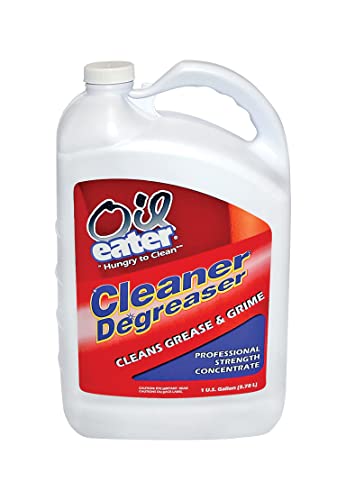
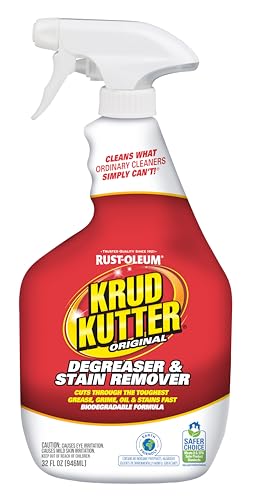
– Cleaning Agents: Dish soap, commercial degreasers, or even natural substances like baking soda and vinegar can be effective for breaking down oil stains.
– Scrubbing Tools: A stiff-bristled brush or broom can assist in scrubbing the cleaning agent into the stained area.
– Hose or Pressure Washer: A hose with a spray nozzle or a pressure washer can help rinse away residue after cleaning.
– Protective Gear: Gloves and safety goggles are recommended to protect your skin and eyes from cleaning agents and oils.
Having these tools and materials ready will streamline your cleaning process and enhance your chances of effectively removing oil stains.
Step-by-Step Cleaning Process

1. Blot the Oil Stain: Begin by blotting up as much oil as possible using absorbent materials like kitty litter or sawdust. Sprinkle the absorbent material over the stain and allow it to sit for several hours or overnight to soak up the oil. Afterward, sweep away the material.
2. Apply Cleaning Agent: Choose a cleaning agent suitable for the type of oil stain you are dealing with. For instance, dish soap mixed with warm water is excellent for cooking oil, while a commercial degreaser might be more effective for motor oil. Apply the cleaning solution generously over the stained area.
3. Scrub the Area: Use a stiff-bristled brush to scrub the area vigorously. Ensure that you work the cleaning agent into the paver surface, allowing it to break down the oil stain.
4. Rinse Thoroughly: After scrubbing, rinse the area with water using a hose or pressure washer. Ensure that all residues of the cleaning agent and oil are washed away.
5. Repeat if Necessary: For stubborn stains, you may need to repeat the process to achieve the desired level of cleanliness.
Top 7 Oil Stain Removal Methods for Pavers (2024)
| # | Method | Effectiveness | Time Required | Cost |
|---|---|---|---|---|
| 1 | Kitty Litter | ★★★☆☆ | Overnight | Low |
| 2 | Dish Soap & Water | ★★★★☆ | 1-2 hours | Very Low |
| 3 | Commercial Degreaser | ★★★★★ | 1 hour | Moderate |
| 4 | Baking Soda Paste | ★★★★☆ | 30 minutes | Very Low |
| 5 | Vinegar Solution | ★★★☆☆ | 1 hour | Low |
| 6 | Pressure Washing | ★★★★★ | 1-2 hours | Moderate |
| 7 | Professional Cleaning Service | ★★★★★ | Varies | High |
Homemade Solutions for Oil Removal
For those who prefer a more natural approach, several homemade solutions can effectively lift oil stains from pavers. Here are a few popular options:
1. Baking Soda Paste: Mix baking soda with water to create a thick paste. Apply the paste to the stained area and let it sit for about 30 minutes. The alkaline nature of baking soda helps to lift the oil, making it easier to scrub away.
2. Vinegar Solution: Combine equal parts of white vinegar and water in a spray bottle. Spray the solution directly onto the stain and let it sit for 30 minutes before scrubbing. Vinegar’s acidity can help break down the oil, making it easier to clean.
3. Dish Soap and Warm Water: This classic combination is effective for most types of oil stains. Mix a few drops of dish soap with warm water, apply it to the stain, and scrub with a brush.
These homemade solutions are not only eco-friendly but also cost-effective alternatives to commercial cleaning products.
Preventing Future Oil Stains
Once you have successfully cleaned your pavers, consider implementing preventive measures to avoid future oil stains:
– Use Protective Sealants: Applying a sealant can create a barrier that prevents oil and other substances from penetrating the paver surface. Sealants are available for various paver materials, including concrete and natural stone.
– Regular Maintenance: Regularly clean your pavers to prevent the buildup of dirt and grime, which can trap oils and lead to staining. Sweeping and washing your pavers periodically will keep them looking fresh.
– Immediate Cleanup: If an oil spill occurs, act quickly by blotting up the oil and applying an absorbent material. The sooner you address the spill, the easier it will be to remove the stain.
When to Seek Professional Help
While many oil stains can be effectively removed using DIY methods, there are situations where professional assistance may be necessary:
– Large or Deep Stains: If the stain is extensive or has penetrated deeply into the paver material, it may require specialized equipment and techniques that professionals possess.
– Complex Materials: Some pavers, such as natural stone, can be sensitive to certain cleaning agents. Professionals have the expertise to choose the right products and methods to avoid damaging your pavers.
– Time Constraints: If you lack the time or resources to tackle the cleaning process yourself, hiring a professional can save you time and ensure a thorough job.
Cleaning oil off pavers doesn’t have to be a daunting task. By following these steps and using the right tools and techniques, you can restore the appearance of your pavers effectively. Don’t hesitate to try out these methods or consult a professional if needed to ensure your outdoor space remains pristine. With a proactive approach, you can keep your pavers looking their best for years to come.
Frequently Asked Questions
What is the best method to clean oil off pavers?
The best method to clean oil off pavers involves using a combination of absorbent materials and a degreasing agent. First, sprinkle an absorbent substance like cat litter or baking soda over the oil stain and let it sit for several hours to absorb the oil. Then, scrub the area with a degreaser mixed with water, using a stiff brush, and rinse thoroughly with a hose.
How can I remove old oil stains from pavers?
To remove old oil stains from pavers, start by applying a commercial degreaser directly to the stain and allow it to penetrate for about 15-30 minutes. Afterward, scrub with a stiff-bristled brush and rinse with hot water. For stubborn stains, you might need to repeat the process or use a pressure washer for a more thorough clean.
Why do oil stains appear on pavers and how can I prevent them?
Oil stains appear on pavers due to spills from vehicles, outdoor cooking, or machinery that leaks oil. To prevent these stains, consider sealing your pavers with a high-quality sealant that creates a protective barrier and makes it easier to clean any spills promptly before they soak in.
Which cleaning products are effective for removing oil from pavers?
Effective cleaning products for removing oil from pavers include commercial degreasers, dish soap, and enzyme-based cleaners. Look for products specifically designed for outdoor use that can break down oil and grease effectively without damaging the paver surface.
How long does it take to clean oil off pavers?
The time it takes to clean oil off pavers can vary depending on the severity of the stain and the cleaning method used. Generally, the process can take anywhere from a few hours to a day, allowing time for absorbents to sit and for repeated applications of cleaners if necessary.
References
- https://www.nature.com/articles/s41598-020-76234-0
https://www.nature.com/articles/s41598-020-76234-0 - https://pubmed.ncbi.nlm.nih.gov/29389413/
https://pubmed.ncbi.nlm.nih.gov/29389413/ - https://www.sciencedirect.com/topics/engineering/paver-cleaning
https://www.sciencedirect.com/topics/engineering/paver-cleaning - https://www.bbc.com/future/article/20201130-how-to-remove-oil-stains-from-pavement
https://www.bbc.com/future/article/20201130-how-to-remove-oil-stains-from-pavement - https://www.theguardian.com/environment/2021/mar/09/how-to-remove-oil-from-your-driveway
https://www.theguardian.com/environment/2021/mar/09/how-to-remove-oil-from-your-driveway - https://www.cdc.gov/niosh/topics/cleaning.html
https://www.cdc.gov/niosh/topics/cleaning.html - Google Scholar Google Scholar
https://scholar.google.com/scholar?q=how+to+clean+oil+off+pavers - Google Scholar Google Scholar
https://scholar.google.com/scholar?q=cleaning+oil+stains+pavers - Google Scholar Google Scholar
https://scholar.google.com/scholar?q=oil+removal+paving+stones - how to clean oil off pavers – Search results
https://en.wikipedia.org/wiki/Special:Search?search=how+to+clean+oil+off+pavers
