
Cleaning your oiling rags effectively is essential to prevent fire hazards and maintain cleanliness. Start by soaking the rags in a solvent like mineral spirits or a degreaser, and then wash them in hot, soapy water. This method not only removes the oil but also helps to sanitize the fabric, ensuring it’s safe for future use. Properly maintained rags contribute to a safer work environment by minimizing risks associated with flammable materials.

Understanding the Risks of Oil-Stained Rags

Oil-stained rags can pose significant fire hazards if not cleaned or stored properly. When rags become saturated with oil, they can spontaneously combust if left in a confined space without proper ventilation. Statistics indicate that nearly 30% of industrial fires are attributed to improperly stored oily rags. It’s crucial to know the types of oils you’re dealing with, as some, like linseed oil, are more flammable than others. Understanding these risks is the first step in ensuring your workspace remains safe.

Furthermore, oil-stained rags can harbor bacteria and other pathogens, especially when exposed to moisture. This not only affects the cleanliness of your workspace but can also lead to health concerns for you and your colleagues. Regular cleaning and proper storage are vital not only for safety but also for maintaining a hygienic environment.
Choosing the Right Cleaning Solvent


To clean oiling rags effectively, it’s essential to use the right cleaning solvent. Mineral spirits or paint thinner are widely recognized for their effectiveness in breaking down oil residues. These solvents penetrate the fabric and dissolve oils, making them easier to wash away. However, it is important to use these products with caution due to their volatile organic compounds (VOCs), which can be harmful if inhaled.
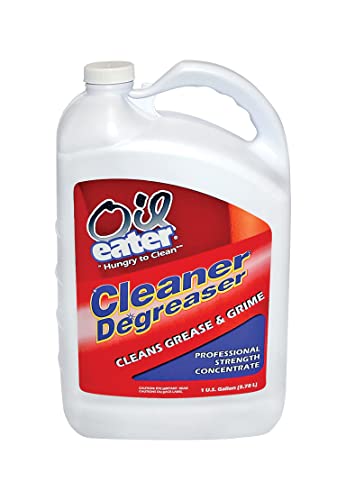
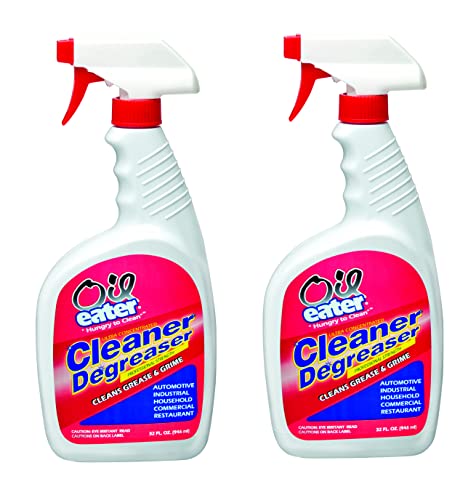
For those concerned about chemical exposure, eco-friendly degreasers are an excellent alternative. Many brands offer biodegradable options that are just as effective in removing oils while being less harmful to the environment. When selecting a cleaner, consider both its effectiveness and the safety of its components. Always check for any specific instructions or safety data sheets to ensure proper usage.
Soaking the Rags

Once you’ve chosen your cleaning solvent, the next step is to soak the rags. Immerse the rags in the chosen solvent for at least 30 minutes. This soaking process allows the solvent to loosen the oils embedded in the fabric, making them easier to clean. For safety, ensure that the soaking container is well-ventilated and placed away from any sources of ignition, such as open flames or electrical equipment.
If you are dealing with rags that are heavily soiled, it may be beneficial to agitate the rags gently in the solvent to enhance the cleaning process. After soaking, the rags will be much easier to clean in the next step.
Top Cleaning Solvents for Oil Rags (2024)
| # | Solvent Name | Effectiveness | Eco-Friendly | Safety Rating |
|---|---|---|---|---|
| 1 | Mineral Spirits | ★★★★☆ | No | Moderate |
| 2 | Paint Thinner | ★★★★☆ | No | High |
| 3 | Eco-Friendly Degreaser | ★★★★★ | Yes | Low |
| 4 | Acetone | ★★★★☆ | Yes | High |
| 5 | Lemon Juice Cleaner | ★★★☆☆ | Yes | Low |
| 6 | Dish Soap | ★★★☆☆ | Yes | Low |
| 7 | Baking Soda Paste | ★★☆☆☆ | Yes | Low |
Washing the Rags
After soaking, the next critical step is to wash the rags thoroughly. Use hot water and a heavy-duty detergent to ensure that all remaining oil and solvent residues are effectively removed. The high temperature of the water helps to further dissolve any oils, making them easier to wash away. It’s advisable to use a washing machine for this process, as it provides a more thorough clean compared to hand washing.
Additionally, consider using a second rinse cycle at the end of the wash. This step guarantees that any leftover detergent or solvent is completely eliminated, preventing potential chemical contamination in future uses. If your rags are heavily soiled, you may also want to run a pre-soak cycle before the main wash.
Drying and Storing the Rags
Once the rags have been washed, it’s crucial to dry them properly. Air dry the rags completely in a well-ventilated area away from heat sources. Hanging them outside is an ideal solution, as sunlight can help to further sanitize the fabric. Avoid using a dryer, as the heat can pose a fire risk if any residual oils remain.
For storage, place the rags in a metal container with a lid. This minimizes fire risks associated with spontaneous combustion, as metal containers do not retain heat like plastic ones. Ensure that the container is clearly labeled and stored in a cool, dry place, away from any flammable materials.
Preventative Measures
Regularly inspecting and cleaning rags after each use is essential to prevent build-up and reduce risks. Implement a routine where rags are cleaned immediately after use, rather than letting them pile up. This practice not only keeps your workspace tidy but also reduces the chances of fire hazards.
In some cases, it may be more efficient to use disposable rags for heavy oil applications, especially in environments where rags are frequently used. This minimizes the cleaning efforts required and eliminates the risk of storing soiled rags. Disposable options made from absorbent materials can be highly effective and convenient, especially in workshops or garages.
Alternative Cleaning Methods
If you have a large quantity of rags that need cleaning, consider exploring the option of using a washing machine with a dedicated cycle for oily textiles. Some modern machines come equipped with settings specifically designed for heavy-duty cleaning, which can handle oily rags more efficiently.
Alternatively, for those with high volumes of rags, professional cleaning services could be an option. These services are equipped to handle industrial levels of cleaning and can ensure that your rags are cleaned safely and effectively, adhering to all necessary safety standards.
Cleaning Effectiveness of Various Methods
Cleaning your oiling rags is crucial for safety and hygiene, and following these steps can help you do it effectively. By understanding the risks, choosing the right cleaning solvent, and implementing proper soaking and washing techniques, you can maintain a safe and clean workspace. Remember to always prioritize safety by using proper cleaning methods and storing them securely. For more tips on maintaining your workshop or cleaning supplies, check out our other articles!
Frequently Asked Questions
What is the best way to clean oily rags effectively?
The best way to clean oily rags is by using a combination of hot water and a strong detergent. Start by soaking the rags in hot, soapy water for at least 30 minutes to help break down the oil. After soaking, wash them in your washing machine on the hottest cycle, ensuring to follow up with a second rinse to remove any remaining residues.
How can I safely dispose of oily rags after cleaning?
To safely dispose of oily rags, first ensure they are completely dry and free of any oil. Place them in a metal container with a lid to minimize the risk of spontaneous combustion. If the rags are still oily, check with your local waste management facility for hazardous waste disposal options to prevent environmental harm.
Why is it important to clean oily rags properly?
Cleaning oily rags properly is crucial to prevent fire hazards and to protect the environment. Oily rags can spontaneously combust if not stored or disposed of correctly, leading to dangerous situations. Additionally, improper disposal can contribute to pollution, making it important to follow safe cleaning and disposal practices.
Which cleaning products work best for removing oil from rags?
The best cleaning products for removing oil from rags include heavy-duty laundry detergents, degreasers, and dish soap with grease-fighting properties. Products like Dawn dish soap are particularly effective at cutting through grease. For tougher stains, consider using a solvent-based cleaner specifically designed for oil removal.
How often should I clean my oily rags to prevent buildup?
You should clean your oily rags regularly, ideally after every use, to prevent oil buildup and reduce the risk of fire hazards. If you frequently work with oils, establish a routine that includes checking your rags weekly and cleaning them as needed. This proactive approach helps maintain safety and ensures your rags remain effective for future use.
References
- https://www.cdc.gov/niosh/docs/2007-121/pdfs/2007-121.pdf
https://www.cdc.gov/niosh/docs/2007-121/pdfs/2007-121.pdf - 1910.1200 – Hazard Communication. | Occupational Safety and Health Administration
https://www.osha.gov/laws-regs/regulations/standardnumber/1910/1910.1200 - https://www.epa.gov/waste/how-recycle-used-oily-rags
https://www.epa.gov/waste/how-recycle-used-oily-rags - https://www.nytimes.com/2021/01/12/realestate/oily-rags-fire.html
https://www.nytimes.com/2021/01/12/realestate/oily-rags-fire.html - https://www.hse.gov.uk/toolbox/managing/oily-rags.htm
https://www.hse.gov.uk/toolbox/managing/oily-rags.htm - https://pubmed.ncbi.nlm.nih.gov/31399658/
https://pubmed.ncbi.nlm.nih.gov/31399658/ - https://www.sciencedirect.com/topics/engineering/oily-rags
https://www.sciencedirect.com/topics/engineering/oily-rags - Oil spill | Definition, Causes, Effects, List, & Facts | Britannica
https://britannica.com/topic/oil-spill - Google Scholar Google Scholar
https://scholar.google.com/scholar?q=how+to+clean+oily+rags - Google Scholar Google Scholar
https://scholar.google.com/scholar?q=how+to+clean+oiling+rag
