
Cleaning old leather requires a careful approach to restore its beauty without causing damage. By using the right techniques and products, you can effectively clean and maintain your leather items, ensuring they last for years to come. In this article, you’ll discover effective methods for cleaning old leather, along with tips to keep it looking its best.



Understanding Leather Types

Different types of leather necessitate distinct cleaning methods due to their unique properties. Common types include smooth leather, suede, and nubuck, each requiring tailored care. Smooth leather, often found in jackets and handbags, typically has a protective finish that allows for easier cleaning. In contrast, suede and nubuck are more porous and can stain easily, requiring specialized products to avoid damage.

Identifying the finish of leather is crucial for selecting the appropriate cleaning products. Leather finishes can be categorized into three main types: aniline, semi-aniline, and pigmented. Aniline leather is dyed using transparent dyes, allowing the natural grain to show but making it more susceptible to stains. Semi-aniline leather has a thin protective coating, offering some resistance to spills while still maintaining a natural look. Pigmented leather, commonly used in furniture and car interiors, is coated with pigments that provide durability and stain resistance, allowing for easier cleaning.
Basic Cleaning Supplies


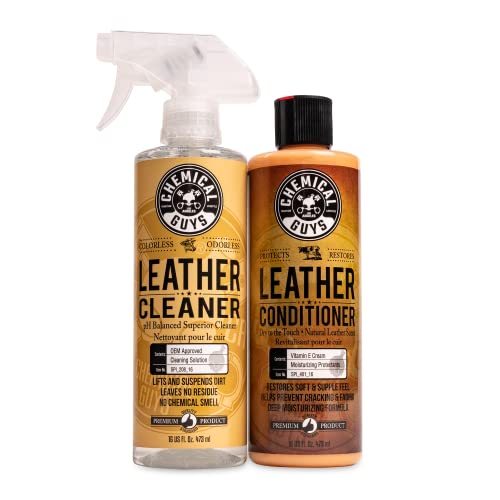
Before embarking on the cleaning process, gather essential supplies to ensure effective results. A soft, lint-free cloth is ideal for dusting off any surface dirt without scratching the leather. Leather cleaners specifically formulated for the type of leather you’re working with are crucial; avoid all-purpose cleaners that can strip the protective layer. Additionally, a leather conditioner should be included in your cleaning kit to maintain the leather’s suppleness after cleaning.
It’s important to avoid harsh chemicals, such as bleach and ammonia, as these can cause irreparable damage to leather. Instead, opt for gentle, leather-safe products, which can be found at most home goods or leather specialty stores. For those who prefer a DIY approach, a mixture of mild soap and water can also serve as a safe cleaning solution, provided it’s used sparingly.
Step-by-Step Cleaning Process

Cleaning old leather doesn’t need to be daunting if you follow a structured process. Start by dusting off any dirt and debris using a dry cloth. This initial step is vital as it prevents scratching during the cleaning phase. Once you’ve removed the surface dust, apply the leather cleaner according to the manufacturer’s instructions. Generally, this involves using a small amount of cleaner on a soft cloth and applying it in circular motions, ensuring even coverage without saturating the leather.
After applying the cleaner, allow it to sit for a few minutes to break down any embedded grime. Wipe off the cleaner with a damp cloth, ensuring no residue is left behind. It’s essential to dry the leather quickly, so use a dry cloth to absorb any excess moisture. Avoid exposing leather to direct heat sources like radiators or hair dryers, as this can cause it to crack.
Top Leather Cleaning Products (2024)
| # | Product | Type | Price | Rating |
|---|---|---|---|---|
| 1 | Lexol Leather Cleaner | Liquid | $12.99 | ★★★★☆ |
| 2 | Bickmore Bick 4 | Cream | $10.99 | ★★★★★ |
| 3 | Leather Honey | Liquid | $14.99 | ★★★★☆ |
| 4 | Weiman Leather Wipes | Wipes | $8.99 | ★★★★☆ |
| 5 | Meguiar’s Gold Class | Foam | $9.99 | ★★★☆☆ |
| 6 | Chemical Guys Leather Cleaner | Spray | $11.99 | ★★★★☆ |
| 7 | Moneysworth & Best Cleaner | Liquid | $15.99 | ★★★★☆ |
Dealing with Stains and Scuffs
Old leather is susceptible to various stains and scuffs, which can detract from its appearance. For minor scuffs, a high-quality leather conditioner can work wonders. Simply apply a small amount to a clean cloth and gently rub the affected area in circular motions. This not only helps to buff out blemishes but also nourishes the leather, restoring its luster.
For tougher stains, such as ink or grease, specialized stain removers may be necessary. It’s crucial to test any stain remover in an inconspicuous area before applying it to the stained area to ensure it does not cause discoloration. If the stain persists, consider consulting a professional cleaner who specializes in leather, as they have access to industrial-grade products that may yield better results.
Conditioning and Protecting Leather
After cleaning, conditioning the leather is essential to restore moisture and suppleness. A good leather conditioner replenishes oils that may have been stripped away during the cleaning process. Apply the conditioner using a clean cloth, ensuring an even distribution across the entire surface. This practice helps to prevent cracking and prolong the lifespan of your leather items.
Additionally, consider using a leather protectant after conditioning. Leather protectants create a barrier that helps guard against future stains and damage. This is especially important for items that are frequently exposed to the elements, such as outdoor furniture or bags. Regular application of both conditioner and protectant can significantly enhance the durability and appearance of leather.
Regular Maintenance Tips
Regular maintenance is key to preserving the look and feel of leather products. Aim to clean your leather items at least once every few months to prevent the buildup of dirt and grime. For everyday upkeep, simply dust off items with a soft cloth and monitor for any signs of wear or discoloration.When storing leather products, keep them in a cool, dry place away from direct sunlight. Exposure to sunlight can cause fading and drying, leading to cracks. It’s also advisable to store leather in breathable bags or covers to avoid moisture build-up, which can lead to mold growth.
When to Seek Professional Help
While many leather cleaning tasks can be performed at home, there are instances when seeking professional help is the best course of action. Significant damage, such as deep stains or cracks, may require specialized treatment that only experts can provide. Additionally, if you are unsure about the type of leather or the appropriate cleaning methods, consulting a professional can save you time and potentially costly mistakes.
Research local leather specialists and read customer reviews to find a reputable professional. Many specialists offer services such as deep cleaning, conditioning, and repairing damaged leather, ensuring that your items receive the best care possible.
Summarizing these steps emphasizes the importance of proper cleaning and maintenance for old leather items. By following these guidelines, you’ll not only restore the look of your leather but also extend its life significantly. For more detailed advice or specific cleaning products, consider exploring additional resources or consulting a professional.
Frequently Asked Questions
What are the best methods for cleaning old leather?
The best methods for cleaning old leather include using a soft, damp cloth to wipe away dirt and dust, followed by a leather cleaner specifically formulated for your type of leather. For tougher stains, a mixture of equal parts vinegar and water can be effective. Always test any cleaner on a small, inconspicuous area first to avoid damage.
How can I remove stains from old leather without damaging it?
To remove stains from old leather without causing damage, first identify the type of stain. For oil-based stains, sprinkle cornstarch or talcum powder on the area and let it sit for a few hours before wiping it away. For ink stains, gently dab the area with rubbing alcohol using a cotton swab, making sure to avoid saturating the leather.
Why is conditioning important after cleaning old leather?
Conditioning is important after cleaning old leather because it helps restore moisture and flexibility, preventing the leather from drying out and cracking. Cleaned leather can lose its natural oils, so using a high-quality leather conditioner will not only protect the leather but also enhance its appearance and longevity.
Which products should I avoid when cleaning old leather?
When cleaning old leather, avoid harsh chemicals, bleach, and ammonia-based cleaners, as they can strip the leather of its natural oils and cause discoloration. Additionally, stay away from products that contain silicones or waxes, as they may create a residue that can make the leather look dull and lifeless.
How often should I clean and condition old leather items?
You should clean and condition old leather items every 3 to 6 months, depending on usage and exposure to elements like humidity and sunlight. Frequent use or exposure to harsh conditions may require more regular cleaning and conditioning to keep the leather in good condition and to prevent deterioration over time.
References
- Leather
https://en.wikipedia.org/wiki/Leather - Leather | History & Facts | Britannica
https://www.britannica.com/topic/leather - https://www.archives.gov/preservation/cleaning-leather
https://www.archives.gov/preservation/cleaning-leather - https://www.nationalparkservice.gov/articles/caring-leather
https://www.nationalparkservice.gov/articles/caring-leather - https://www.sciencedirect.com/topics/agricultural-and-biological-sciences/leather
https://www.sciencedirect.com/topics/agricultural-and-biological-sciences/leather - https://www.cdc.gov/niosh/topics/leather.html
https://www.cdc.gov/niosh/topics/leather.html - https://www.abc.net.au/education/life-skills/how-to-clean-leather/12345678
https://www.abc.net.au/education/life-skills/how-to-clean-leather/12345678 - Google Scholar Google Scholar
https://scholar.google.com/scholar?q=how+to+clean+old+leather - Google Scholar Google Scholar
https://scholar.google.com/scholar?q=leather+cleaning+techniques - Google Scholar Google Scholar
https://scholar.google.com/scholar?q=leather+care+and+maintenance
