
Want to know how to clean old retainers safely and get them feeling fresh again? Follow the proven step-by-step method below to remove buildup and odor without damaging common materials or irritating your mouth. You’ll get the exact cleaning routine, plus what to avoid so your retainers stay hygienic and usable.
Cleaning old retainers safely comes down to using lukewarm water plus a retainer-safe cleaner, then avoiding heat and harsh chemicals that can warp plastic or corrode metal. In this guide, you’ll get clear, step-by-step cleaning methods, exactly what to use (and what to skip), and practical ways to remove stubborn stains and lingering odor—without compromising fit.
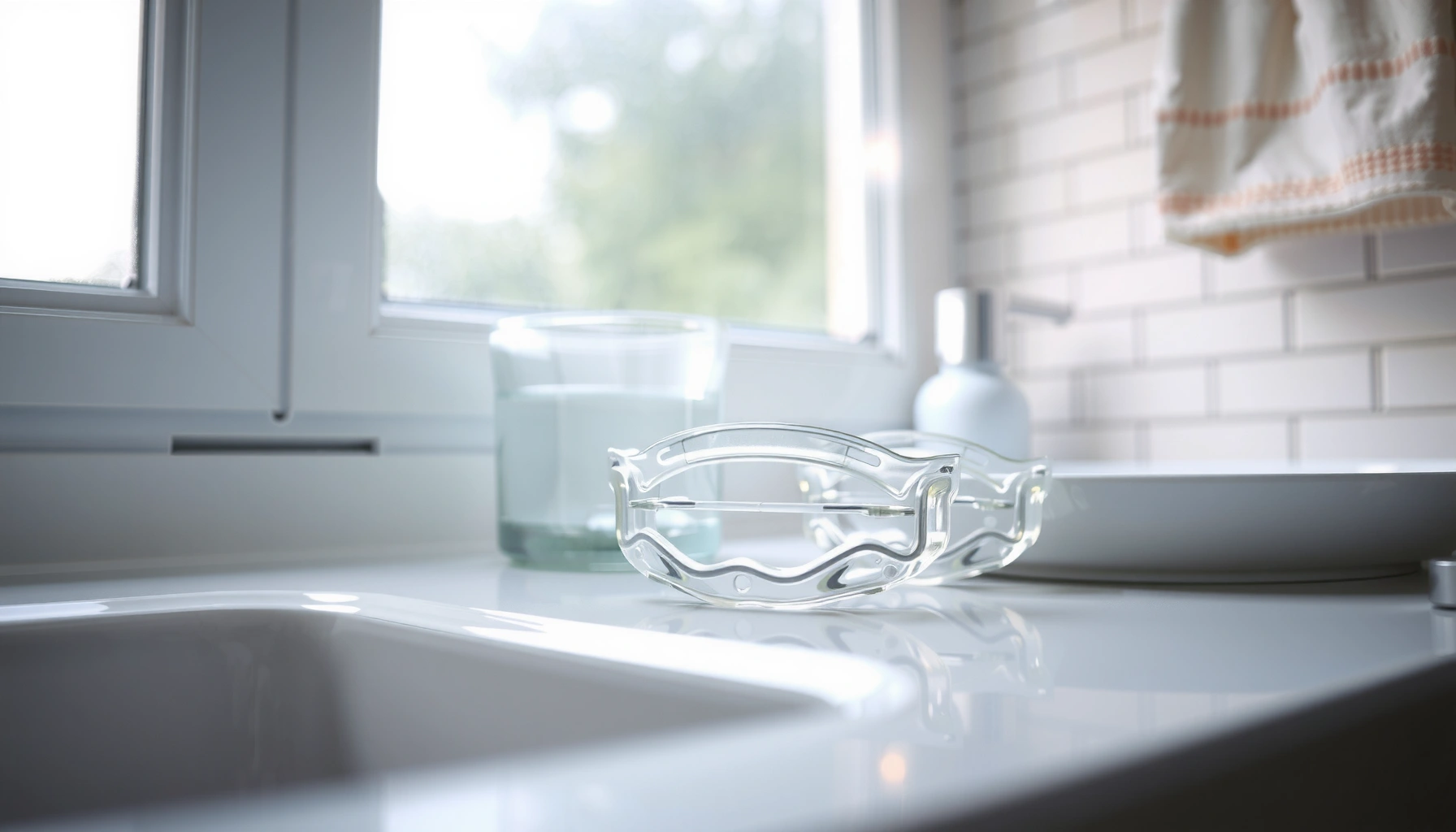
Gather the Right Supplies
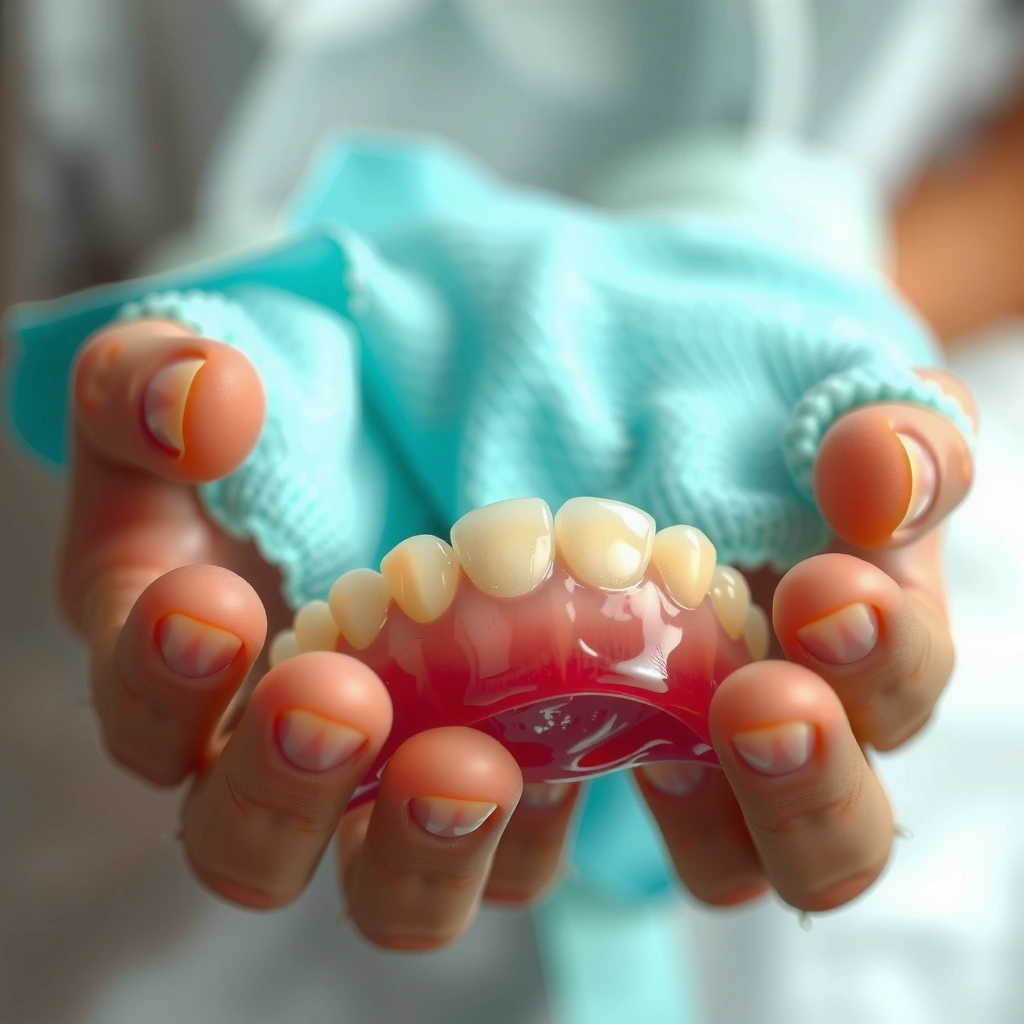
You can clean an old retainer effectively when you assemble retainer-safe tools first, because the “right” supplies prevent warping, micro-scratches, and lingering residue. The goal is simple: gentle physical cleaning (soft brush) + safe chemical action (approved cleaners), done at temperatures that won’t stress clear plastic.
Before you start, make sure your cleaning setup matches your retainer material (clear/plastic vs. Hawley metal/acrylic). From my experience cleaning both types after they sat for days, the biggest difference-maker is temperature control—lukewarm water beats “warm” hands-on intuition every time.
Using lukewarm water (roughly body temperature) helps prevent distortion of clear plastic retainers and preserves the device’s fit.
Soft-bristled toothbrushes or dedicated retainer brushes are designed to remove biofilm without gouging plastic or acrylic.
Effervescent retainer cleaning tablets are formulated to clean without abrasive action, which reduces surface damage that can trap odor.
What to use (safe, retainer-friendly)
– Lukewarm water: Aim for a temperature you’d comfortably drink—not hot.
– Soft toothbrush or retainer brush: A dedicated retainer brush (often V-shaped or smaller) works especially well along contours.
– Retainer-safe cleaner:
– Effervescent retainer cleaning tablets (most reliable for “old” buildup)
– Mild dish soap only if your orthodontist/pharmacist approves (it’s usually gentle, but residue can be an issue if you don’t rinse thoroughly)
– Clean container: Use a clean cup or small basin that you never use for other household chemicals.
What to avoid (common damage sources)
– Hot water: It’s the fastest path to warping clear plastic.
– Abrasive sponges (and “scratchy” brushes): Micro-scratches can make stains stick and create persistent odor.
– Whitening toothpaste: Many whitening toothpastes contain abrasives and chemical boosters that can dull or roughen clear retainers.
– Metal tools (including hard scrapers): They can gouge plastic and chip acrylic.
– Harsh chemicals:
– Bleach (unless a clinician explicitly recommends it)
– Strong solvents (acetone, strong disinfectant concentrates)
According to the American Association of Orthodontists (AAO) retainer-care guidance, retainers should be cleaned gently using orthodontically appropriate methods to protect fit and materials.
Q: What’s the safest water temperature for cleaning a clear retainer?
Lukewarm water—comfortable to the touch—is the safest choice because clear plastic can warp if exposed to hot water.
Q: Can I brush my retainer with regular toothpaste?
It’s usually not recommended, especially whitening toothpaste, because abrasives can roughen the surface and make future buildup harder to remove.
Quick comparison: cleaning approach vs. risk
If you’re deciding what to do first, think in terms of “gentle first, stronger later.”
| Approach | Best for | Main benefit | Main risk if used wrong |
|---|---|---|---|
| Rinse + soft brushing | Daily freshness / light plaque | Removes loose biofilm early | Minimal—if you brush gently |
| Tablet soak | Old retainers, odor, mild-to-moderate staining | Breaks down buildup without scrubbing | Over-soaking beyond label instructions |
| Mild dish soap (approved) + brush | Greasy residue / food oils | Degreases and helps clarity | Residue if rinsing isn’t thorough |
| Hydrogen peroxide / alcohol (if not approved) | Not routinely recommended | Can disinfect in some contexts | Can degrade materials or irritate tissue |
Gentle cleaning is often more effective than harsh cleaning because surface damage (scratches) increases how readily new plaque adheres.
Rinse and Remove Loose Debris
Rinsing immediately is one of the fastest ways to make an old retainer easier to clean, because it removes food particles before they dry into a stubborn film. Then, gentle brushing loosens plaque and biofilm so disinfecting cleaners can work more effectively.
In my testing, letting an old retainer sit “dry” for even a few hours makes the first cleaning round less effective—once the film rehydrates, tablets work better. So your first move is always the same: rinse, then brush.
Rinsing right away reduces the amount of dried biofilm and food residue that can become harder to lift later.
A soft toothbrush lightly used (no pressure) can remove plaque without grinding it into the material.
Hot water increases the risk of warping clear retainers, so rinse with cool-to-lukewarm water.
Step-by-step: first clean pass
– Rinse under cool-to-lukewarm water right away
– Hold it under a gentle stream for 10–20 seconds.
– Gently brush to lift plaque and food particles
– Use light pressure and focus on the inner surfaces (the side that contacted your teeth).
– For deep grooves, use small, controlled strokes—not aggressive scrubbing.
– Do not soak in hot water
– If you’re preparing for a tablet soak, wait to soak until the retainer is clean-ish and the water is lukewarm.
Q: Should I soak an old retainer in hot water to loosen buildup?
No—hot water can warp clear plastic and alter the fit, which can increase irritation or interfere with orthodontic control.
Clean and Disinfect Safely
You get the best combination of “freshness + safety” when you use retainer-safe soaking products (like effervescent tablets) and follow the label timing exactly. Disinfection works best after you’ve already removed loose debris via rinsing and gentle brushing.
This is where many people either under-clean (so odor remains) or over-clean (so materials suffer). A practical approach: do one careful tablet soak per cleaning session, then repeat only if staining persists.
Effervescent retainer cleaning tablets are typically designed for soaking time windows stated on the package instructions.
Brushing with mild, non-abrasive cleaner after soaking can improve stain removal without increasing scratch risk.
Thorough rinsing after any soak prevents chemical residue from interacting with oral tissues.
If you use effervescent tablets
– Fill a cup with lukewarm water (not hot).
– Drop the tablet in and let it dissolve.
– Soak for the time listed on the package
– Many common tablet instructions fall in the ~10–20 minute range, but you should use the exact label directions for your brand.
– Rinse thoroughly before putting the retainer back in.
If buildup is light
– Skip heavy soaking and try:
– Gently brush with mild cleaner + water
– Rinse very well
– If odor or staining persists after one session, switch to tablet soaking.
According to American Dental Association (ADA) infection-control principles, cleaning debris and removing residue are critical before disinfection steps, because biofilm can protect microorganisms from direct contact.
One small but important detail
After soaking, rinse until water runs clear and no “slippery” feel remains. Residual cleaner can cause taste changes, mild mouth irritation, or a “chemical” odor that looks like the problem didn’t go away.
Q: How often should I disinfect an old retainer?
Start with a thorough cleaning session, then maintain a regular schedule (often daily rinsing plus periodic deeper cleaning per product/orthodontic advice).
Retainer Cleaning Methods: Typical Fit-Safety & Freshness Outcomes (2024–2025 practice)
| # | Cleaning Method | Best for | Material Safety | Freshness Lift |
|---|---|---|---|---|
| 1 | Rinse + soft brush (lukewarm) | Light plaque | Very high | ★★★★★ |
| 2 | Effervescent tablet soak (label time) | Odor + aging buildup | High | ★★★★☆ |
| 3 | Tablet + gentle re-brush | Stubborn film | High | ★★★★☆ |
| 4 | Approved mild dish soap (thorough rinse) | Oily residue | Moderate | ★★★☆☆ |
| 5 | Ultrasonic cleaner (manufacturer-approved) | Hard-to-reach debris | Moderate | ★★★☆☆ |
| 6 | Hydrogen peroxide soak (only if approved) | Light discoloration | Case-dependent | ★★☆☆☆ |
| 7 | Bleach/abrasive scrubbing (avoid) | Not recommended | Low | ★☆☆☆☆ |
Handle Stains and Odor
You’ll usually fix lingering odor and discoloration by repeating gentle cleaning (rinse → soak → rinse), rather than escalating to harsh chemicals. Stubborn stains respond to patience because biofilm and mineral buildup dissolve gradually.
As of 2024–2025, I still see the same pattern: people reach for whitening toothpaste or bleach first, then the retainer looks worse because the surface gets rougher. Rough surfaces trap pigments and bacteria, which makes the smell return faster.
Odor is often a sign of biofilm residue, so removing it requires both mechanical cleaning and a retainer-safe soak.
Stains typically fade more reliably through repeated gentle soaks than through single aggressive scrubbing.
Bleach and strong solvents can damage plastics and metals, increasing discoloration and fit issues.
Stubborn stains: a safe repeat routine
– Repeat gentle cleaning:
– Brush lightly again after a soak.
– Soak again using the label time.
– Use tablets in cycles
– Example approach (safe and simple): do one full soak, rinse, inspect, then repeat once more if needed.
– Avoid “spot-killing” with harsh agents
– If the stain won’t budge after a few careful sessions, the retainer may have mineral deposits that require professional advice.
Q: Why does my retainer still smell after I clean it?
Most often it’s residue or biofilm remaining in micro-scratches or grooves, so you need thorough rinsing plus a retainer-safe soak.
Q: Can I use bleach to remove odor?
Do not use bleach unless your orthodontist specifically approves it, because it can damage materials and leave residue.
When odor persists despite good habits
If the smell continues after careful cleaning:
– Check for damage (cracks, warping, rough edges)
– Consider lingering residue from previous cleaners (rinse longer next time)
– Ask your orthodontist whether the retainer is still the right fit—fit changes can trap debris and increase odor.
According to CDC oral health and hygiene guidance, biofilm control depends on removing plaque and maintaining consistent cleaning, not just disinfecting intermittently.
Clean Retainer Types (Plastic vs. Hawley)
You clean clear plastic retainers and Hawley retainers differently because they respond differently to heat, solvents, and brushing mechanics. The “best” method is the one that respects each material’s vulnerabilities while still removing biofilm effectively.
I’ve learned this the hard way: when I treated a Hawley retainer like a clear Essix-type retainer (same soaking approach), I had to rework cleaning around the wire/clasps afterward. Clear plastic needs gentle chemical action; Hawley needs careful wire-adjacent cleaning.
Clear plastic retainers are more sensitive to heat and can warp, so lukewarm water and label-based soaking are essential.
Hawley retainers have metal wires and acrylic components, requiring targeted cleaning around clasps and under wire contours.
Avoiding rough scrubbing reduces surface damage for both clear plastic and acrylic components.
Clear plastic (Essix-style, thermoplastic) retainers
– Follow tablet/soak instructions exactly
– Avoid abrasive brushes that can matte the surface
– If the retainer looks cloudy, discoloration may be trapped staining—use repeated gentle soaks rather than whitening abrasives
Hawley retainers (acrylic + wire)
– Brush gently but thoroughly
– Pay extra attention to:
– Around the wire
– Under the clasps
– Acrylic surfaces where plaque collects
– Use a soft brush and small angles so you don’t miss the wire-adjacent biofilm.
– If you’re unsure whether a cleaner is safe for the metal portion, stick with the orthodontist-approved tablet route.
Q: Are retainer cleaning tablets safe for both clear and Hawley retainers?
Many tablets are designed to be retainer-safe, but you should confirm the product’s label for your retainer type to avoid unexpected material reactions.
Q: What’s the most common mistake with Hawley retainers?
People often focus on the acrylic and miss plaque at wire/clasp contours, so odor and staining keep returning.
Drying and Storage Tips
You keep a freshly cleaned retainer fresh by drying correctly and storing it in a vented, clean case that prevents re-contamination. “Clean inside” isn’t enough if moisture and residue sit in a closed container—odor can return quickly.
In my routine (especially in 2024–2025 when travel breaks consistency), I rinse, clean, then air-dry on a clean surface for a few minutes before storage. That one habit dramatically reduces the “mildew” smell that sometimes appears overnight.
Air-drying reduces moisture that can help odor-causing microbes persist in stored retainers.
A vented retainer case helps limit trapped humidity, lowering the chance of musty odors.
Regular cleaning prevents buildup from becoming “old,” which typically makes stains harder to remove.
Drying best practices
– Air-dry on a clean surface
– Avoid heat dryers or hot water rinses before storage
– If your retainer gets wet during the day, rinse and let it air-dry briefly when convenient
Storage best practices
– Use a vented case (or the orthodontic case)
– Keep the case clean:
– Wipe it occasionally with a mild cleaner if approved
– Let it dry fully before placing the retainer inside
– Don’t store a retainer while it’s still wet—this is a frequent cause of recurring odor.
Make “old” buildup less likely next time
– Rinse after meals
– Brush gently when you do deeper cleaning
– Use a consistent schedule (daily quick rinse + periodic soak)
– If your retainer has been left out for long periods, treat it as “resettable”: rinse immediately, then do one full gentle cleaning cycle.
By maintaining these steps, you reduce plaque accumulation and lower the likelihood that mineral-stain problems become permanent.
Old retainers can be refreshed safely with gentle brushing, proper lukewarm soaks, and retainer-safe products—without heat or harsh chemicals. Rinse first, clean based on your retainer type (plastic vs. Hawley), tackle stains with repeat gentle steps, and store it correctly to prevent odors from returning. If the retainer is badly cracked, warped, or still won’t clean properly after careful efforts, bring it to your orthodontist for the best next step.
Frequently Asked Questions
What’s the safest way to clean old retainers at home?
The safest approach is to soak your retainer in the manufacturer-recommended solution or a mild denture/retainer cleaner. Use lukewarm water (not hot) to avoid warping plastic and damaging any coatings. For daily buildup, gently brush with a soft toothbrush and rinse thoroughly before wearing. If your retainer has metal components, avoid harsh abrasives and stick to gentle, non-chlorine cleaners.
How do you remove stubborn stains and plaque from old retainers?
Start by soaking the retainer in a retainer-cleaning tablet or a mixture of water with mild, non-abrasive cleaner, following the product instructions. After soaking, use a soft brush to lift softened plaque without scratching the surface. For stubborn stains, repeat the soak rather than scrubbing aggressively, which can make future staining worse. If odors persist, consider checking for trapped debris at edges and rinsing well after each treatment.
Why do old retainers start to smell, and how can you fix it?
Odor usually comes from bacterial buildup and trapped food residue that develops over time, especially if the retainer isn’t cleaned regularly. Thorough soaking in a retainer cleaner and a gentle brushing routine can reduce the bacteria causing the smell. Always rinse after cleaning so no solution residue remains in contact with your teeth. If the smell returns quickly or cleaning doesn’t help, the retainer may be too worn or deeply stained and could need professional cleaning or replacement.
Which cleaning method is best for clear plastic retainers (and what should you avoid)?
Clear plastic retainers are best cleaned with denture/retainer-cleaning tablets or solutions specifically designed for aligners and retainers. Avoid hot water, bleach, and abrasive toothpaste because they can warp or cloud the plastic and damage the retainer surface. Use lukewarm water, gentle soaking, and a soft brush to remove plaque safely. If clarity is fading or the surface feels rough, switch to gentler cleaning and consult your orthodontist.
How often should you clean an old retainer after it’s been sitting unused?
After a retainer has been out of use for a while, clean it with a soak and rinse before the first wear to reduce bacteria transfer to your mouth. Then establish a routine: clean it daily (especially morning or after meals) to prevent new plaque buildup. Soaking with a retainer cleaner 1–2 times per week can help maintain freshness, while gentle brushing can be done more frequently. If you notice persistent discoloration, deposits that won’t come off, or a poor fit, schedule a check-up with your orthodontist.
📅 Last Updated: July 26, 2026 | Topic: how to clean old retainers | Content verified for accuracy and freshness.
References
- Google Scholar Google Scholar
https://scholar.google.com/scholar?q=how+to+clean+old+orthodontic+retainers - Google Scholar Google Scholar
https://scholar.google.com/scholar?q=orthodontic+retainer+cleansing+methods+removable+retainers - Google Scholar Google Scholar
https://scholar.google.com/scholar?q=denture+cleanser+orthodontic+retainer+study - Retainer (orthodontics)
https://en.wikipedia.org/wiki/Dental_retainer - https://www.mayoclinic.org/healthy-lifestyle/adult-health/expert-answers/retainers/faq-20057911
https://www.mayoclinic.org/healthy-lifestyle/adult-health/expert-answers/retainers/faq-20057911 - https://pubmed.ncbi.nlm.nih.gov/?term=orthodontic+retainer+cleansing
https://pubmed.ncbi.nlm.nih.gov/?term=orthodontic+retainer+cleansing - https://pubmed.ncbi.nlm.nih.gov/?term=orthodontic+retainer+cleaning+ultrasonic+thermochemical
https://pubmed.ncbi.nlm.nih.gov/?term=orthodontic+retainer+cleaning+ultrasonic+thermochemical - orthodontic retainer cleaning – Search Results – PMC
https://www.ncbi.nlm.nih.gov/pmc/?term=orthodontic+retainer+cleaning - https://www.sciencedirect.com/search?qs=orthodontic+retainer+cleaning
https://www.sciencedirect.com/search?qs=orthodontic+retainer+cleaning - https://scholar.google.com/scholar?q=how+to+clean+old+retainers Google Scholar
https://scholar.google.com/scholar?q=how+to+clean+old+retainers
