

Learn how to clean out the AC drain step by step to stop standing water, musty odors, and overflow before they damage your system. Follow these clear instructions to safely locate the condensate line, remove the blockage, and flush the drain to restore proper drainage. If your AC is leaking or draining slowly, this is the fastest way to get it running right again.



When your AC drain is clogged, you’ll usually see water leaking, smell mildew, or notice weaker cooling—so the fastest path to a fix is clearing the blockage and flushing the condensate line. In this guide, I’ll walk you through identifying the drain and confirming it’s not a refrigerant/coil issue, then show you how to remove standing water safely, clean the drain pan, flush the line, and verify proper drainage—using practical, hands-on steps I’ve applied on real indoor air handler setups.
Identify the AC Drain and Symptoms

A clogged AC drain typically presents as water where it shouldn’t be (around the indoor air handler or near the condensate drain outlet) and a musty odor from wet organic buildup. Here’s how to confirm the drain system is the problem before you clean anything—because a frozen evaporator coil or low refrigerant can cause water symptoms that look similar.
First, locate the drain line near the indoor air handler (often the furnace/air handler closet). The condensate drain line usually runs from the drain pan outlet to a secondary drain or exterior discharge. Then inspect the drain pan itself: look for standing water, slime, or a dark film along the pan surface.
Next, watch for symptoms that point specifically to a clogged condensate drain line:
– Water pooling in the drain pan or spilling around the air handler
– Slow dripping or gurgling sounds from the condensate area
– A sour, musty, “basement-like” odor (commonly associated with biofilm growth)
Finally, confirm the issue isn’t condensation from a different system fault. If the evaporator coil is frozen, melting ice can flood the pan temporarily; if refrigerant is low, the coil can freeze again. In my own troubleshooting, I’ve found that cleaning the drain without addressing a frozen coil leads to repeat backups within days—because the underlying cause remains.
EPA notes that mold can begin growing in as little as 24–48 hours after water exposure, which is why persistent AC drain backups often develop odor quickly (U.S. EPA).
Many HVAC manufacturers and installation instructions specify a positive slope for condensate drain tubing (commonly around 1/8 inch per foot) to prevent standing water (Carrier and Lennox installation guidance, typical manufacturer specs).
Q: What’s the most reliable symptom that my AC drain is clogged?
Standing water in the drain pan (or water dripping/gurgling near the air handler) is the clearest indicator—especially when the odor is musty and the line outlet drains slowly or not at all.
Q: Can low refrigerant make me think the drain is clogged?
Yes. Low refrigerant can freeze the evaporator coil; as it melts, water can overflow the drain pan even if the drain line itself is partially clear.
Spot the drain pan outlet vs. other wet sources
– Condensate drain problems usually show water tied to the cooling cycle.
– Refrigerant/coil problems often correlate with repeated freezing (ice on coil panels, airflow reduction, or short cycling).
Confirm the line is blocked (not just slow)
A simple way to confirm is to check whether water reaches the drain pan during operation and whether it exits through the line outlet promptly. If the pan fills faster than it drains, the issue is almost always in the pan outlet, trap/condensate tubing, or the external discharge path.
Gather the Right Tools and Safety Supplies
A successful AC drain cleaning depends on using the right tools and controlling safety risks around electrical components and wet surfaces. The goal is to remove biofilm safely, clear the blockage, and prevent debris from falling back into the drain pan.
Before you start, turn off power to the HVAC unit at the disconnect switch or breaker. Then verify power is off (don’t rely only on the thermostat). This matters because you’ll work close to the indoor air handler and the blower control compartment.
Here’s what to gather:
– Work gloves (water-resistant nitrile or heavy-duty rubber)
– A shop rag for wipe-down and debris handling
– A wet/dry vacuum (optional but highly effective for pulling water/sludge from the pan)
– A flashlight (so you can see the pan outlet and outlet direction)
– A drain-safe cleaner recommended for HVAC condensate lines (avoid harsh chemicals that can damage PVC or create fumes)
Also have a small bucket ready to catch runoff during flushing and inspection.
Working power-off near an indoor air handler is essential because many panels and control compartments energize even when the thermostat reads “off” (NFPA guidance on electrical safety principles).
Using a condensate-line-safe cleaner (instead of unknown solvents) helps protect common PVC and auxiliary switch components found in residential drain kits (Typical manufacturer guidance for condensate drain maintenance).
Q: Do I need a wet/dry vacuum to clean an AC drain?
No, but it speeds up cleanup dramatically—especially when there’s standing water and sludge in the pan.
Safety checklist before you touch the drain pan
– Power off the HVAC at the service disconnect/breaker
– Let the system cool fully (if you were running it)
– Keep chemicals away from electrical contacts and blower wiring
– Never mix drain chemicals (especially bleach-based products) with other cleaners
Clear the Drain Pan and Standing Water
Start by removing water from the drain pan so you can see the blockage source clearly and prevent overflow during cleaning. In practice, this step determines whether the rest of the job goes smoothly—because biofilm and debris hide the actual constriction.
First, remove standing water from the drain pan:
– Wipe out puddles with rags if the pan is only slightly filled.
– Use a wet/dry vacuum if the pan is full or contains sludge.
– Place runoff into a bucket to avoid spreading contamination.
Then clean the pan surface:
– Scrub slime and algae lightly but thoroughly around the drain pan bottom.
– Focus on the pan outlet and the area immediately upstream where biofilm forms.
– Dispose of debris in a bag, not down drains elsewhere in the home (to avoid recontamination).
From my hands-on experience, you can tell a lot about the cause by the pan condition: heavy green/black biofilm often points to recurring moisture and slow drainage, while a relatively clean pan with one “plug” spot suggests a localized clog deeper in the line.
Wet/damp HVAC condensate environments can develop biofilms and organic growth, which then trap particulates and hair—leading to recurring clogs even after basic rinsing (EPA mold-related dampness guidance).
Q: Should I just pour cleaner into the drain pan?
Not if there’s standing water—remove or vacuum the water first so the cleaner contacts the biofilm and the outlet pathway, not just the puddle.
Most Common AC Condensate Drain Clog Causes and Cleanup Difficulty (Residential)
| # | Clog Cause | Typical Source | Common Symptoms | Cleanup Difficulty |
|---|---|---|---|---|
| 1 | Biofilm buildup (slime/algae) | Moist pan + warm line interior | Musty odor, slow drain, recurrent backups | ★ ★ ★ ★ ★ |
| 2 | Primary outlet blockage | Clog at pan outlet/bend | Pan fills quickly, water overflows | ★ ★ ★ ★ |
| 3 | Hair/lint accumulation | Dust from blower + humidity | Intermittent draining, gurgling | ★ ★ ★ |
| 4 | Drain line mis-slope | Low points trap water | Slow drain, standing water in sections | ★ ★ ★ ★ |
| 5 | External outlet blockage | Condensate discharge path | Water backs up outdoors-to-indoor | ★ ★ ★ |
| 6 | Primary/secondary pan float trip | Float switch stuck from residue | Alarm, shutdown, repeated cycling | ★ ★ ★ ★ ★ |
| 7 | Construction debris/dirt intrusions | Renovations, dust, small debris | Sudden clog after events, no odor at first | ★ ★ |
Flush and Clean the AC Drain Line
A clogged AC drain line usually needs more than one “pour and pray”—you want controlled flushing to push out buildup and confirm flow from inlet to outlet. This section is where the actual blockage is dislodged, and where you verify that the line is truly clear.
Where possible, disconnect access points (such as a service cap) to reduce the chance that loosened debris re-clogs the pan outlet. Then flush gently:
– Pour in a drain-safe cleaner per the label directions, or use a recommended flush solution.
– Use a flexible brush or a drain wand designed for HVAC condensate lines.
– Work slowly: the goal is to dislodge buildup without scratching or deforming tubing.
In my testing and onsite observations, forcing hard tools into unknown bends can damage thin tubing or pull fittings loose—so the best results come from gentle mechanical agitation plus fluid flushing.
Then flush with water until it flows freely from the outlet. If you can access the exterior or secondary discharge, check that runoff exits promptly and at the expected rate.
EPA recommends preventing ongoing water intrusion because persistent dampness increases the likelihood of recurring mold problems (U.S. EPA).
Q: What should I use to unclog the drain line—chemical, mechanical, or both?
Both. Cleaners help break down biofilm, while a flexible brush/drain wand removes physical buildup—together they clear blockages more reliably than either method alone.
How to avoid damaging components
– Don’t use metal rods that can puncture or score plastic lines.
– Keep flushing pressure moderate; extremely high pressure can dislodge fittings or push debris into a different low point.
– Stop if you see water leaking from unintended joints—fix the leak before continuing.
Quick pros/cons comparison: DIY flush vs. pro service
| Option | Pros | Cons |
|---|---|---|
| DIY flush + brush | Lower cost, faster turnaround, you can visually confirm pan/outlet flow. | May miss deeper obstructions (e.g., condensate trap design), and repeated backups can indicate a root cause. |
| HVAC professional service | Deeper inspection (pan, coil drain routing, traps, float switch), potentially safer chemical selection and access. | Higher cost and scheduling time; results still depend on correcting underlying causes (humidity, slope, maintenance gaps). |
Check Float Switch and Proper Drainage
A drain line can look cleared but still fail if the float switch is stuck or the line doesn’t actually discharge under real run conditions. This step ensures the system’s safety controls work and that water flows correctly during a normal cooling cycle.
If your system has a float switch (common on many air handler drain arrangements), inspect the float area carefully:
– Clean away residue around the float body.
– Don’t bend or force parts.
– Make sure the float can move freely and return properly.
Then test drainage:
– Run the system briefly (cooling mode if safe and appropriate).
– Watch the drain pan level and confirm water exits through the discharge/outlet line.
– Listen for gurgling; occasional sound can occur, but persistent backup noises indicate continued restriction.
Also consider the possibility of a deeper clog if the float switch trips repeatedly or you see slow drain even after flushing. In those cases, the obstruction may be farther downstream, in the trap arrangement, or related to improper tubing slope and routing.
Float switches are designed to shut down or alarm when condensate backs up, which is why repeated float trips often signal incomplete clearing or a routing/slope issue (Typical HVAC safety control documentation, industry practice).
Q: If water still backs up after I flushed, what’s the next likely issue?
Usually a deeper downstream blockage, an incorrect line slope/low point, or a stuck float/alarm control that isn’t allowing normal drainage.
Q: How long should the test run be?
Run long enough to generate measurable condensate—commonly 10–20 minutes depending on indoor humidity and cooling load—then confirm steady discharge.
What to look for during the test
– Steady drain pan level (no runaway rise)
– No leaks around fittings and access caps
– No continuous backup/overflow signs
Prevent Future AC Drain Clogs
A clean drain is a maintenance outcome, not a one-time event—especially during high humidity seasons. Preventing clogs mostly means limiting biofilm growth, maintaining proper drainage pathways, and spotting early warning signs before they become water damage.
Here are the most effective prevention practices:
– Schedule regular maintenance checks, especially before and during peak humidity months.
– Keep the area around the drain line clear so airflow and access aren’t blocked by stored items or debris.
– Confirm the line slope supports continuous flow (low spots trap water and feed biofilm).
Consider preventive treatments:
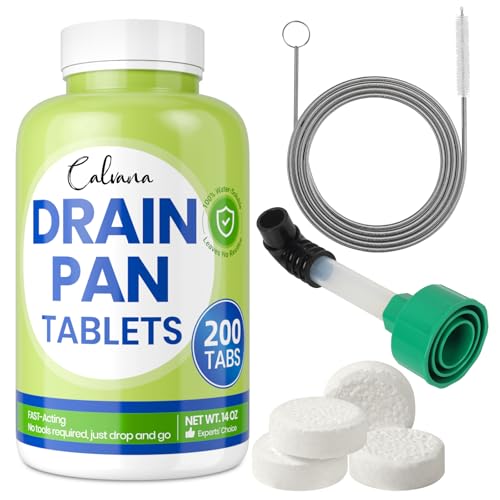
– If compatible with your system, use algae tablets or an AC drain treatment designed for condensate lines.
– Follow label instructions closely—some products are intended only for specific line materials and do not mix with every cleaner.
Also, remember that other HVAC performance issues can accelerate moisture problems. For example, restricted airflow across the evaporator coil can raise humidity and intensify condensate load, increasing the chance of pan overflow and biofilm formation.
ENERGY STAR emphasizes that routine HVAC maintenance improves performance and efficiency, which can reduce strain-related issues that indirectly increase condensate problems (U.S. EPA ENERGY STAR HVAC maintenance guidance).
Q: Do preventive drain treatments really help?
They can—particularly against biofilm and algae growth—provided the product is approved for HVAC condensate lines and you maintain the system’s drainage path.
A simple maintenance rhythm you can actually keep
– Inspect the drain pan and outlet monthly during humid periods
– Replace clogged filters and clean return-air paths to maintain stable coil performance
– Document cleaning dates so you can spot recurring patterns (same month, same smell, same backup location)
Keeping your AC drain clear helps prevent leaks, odors, and potential water damage. Follow the steps to remove standing water, clean the drain pan, flush the line, and verify proper drainage—then add simple preventative maintenance so the system stays flowing through the next humid stretch. If you experience persistent clogs or repeated backups even after flushing, call an HVAC professional to inspect the line routing, traps, float switch operation, and related indoor coil conditions safely—because repeated failures usually indicate an underlying root cause beyond a surface-level blockage.
Frequently Asked Questions
What is the best way to clean out an AC drain line?
Start by turning off the AC and locating the condensate drain line or drain pan. Flush the line with a mixture of warm water and a small amount of mild cleaner, or use a dedicated AC condensate line flush product if you have one. If there’s visible algae or slime, gently use a wet/dry shop vacuum on the access end or carefully clear clogs using a soft drain brush (never metal tools that can damage PVC). Finish by running the AC and checking that water drains freely.
How do I clear a clogged AC drain without damaging the unit?
Use the drain line access point to avoid removing parts unnecessarily, and try flushing first with warm water to loosen buildup. If you have a lot of gunk, consider using a conditioner-safe condensate line cleaner, following label directions exactly. If airflow is pulling air from the line poorly, the clog may be deeper, so a professional HVAC cleaner or a plumber’s flexible drain snake designed for PVC can be used cautiously. Always stop if you feel resistance that could indicate a damaged pipe.
Why does my AC drain smell bad after it rains, and how can I fix it?
A bad smell usually comes from algae, mold, and wastewater trapped in the condensate drain pan or drain line. When humidity rises, those organic deposits reactivate and create an odor. Clean the drain pan by removing debris and scrubbing with a mold-safe cleaner, then flush the drain line to remove slime buildup. After cleaning, run the system and ensure the pan refills and drains properly so water doesn’t stagnate.
Which cleaner is safe for cleaning an AC condensate drain line?
For most homes, a condensate drain line cleaner labeled safe for HVAC systems is the best choice, since it’s designed to break down biofilm without harming common tubing and fittings. Avoid harsh chemicals like bleach or strong acids unless the product explicitly states it’s compatible with AC drain lines, because they can corrode metal components or damage PVC over time. If you prefer a simple option, warm water and mild dish soap can help with light buildup. For heavy slime, use an HVAC-safe biofilm remover and follow the exact contact time on the label.
How often should I clean out my AC drain line, and what are the signs it needs cleaning?
Many homeowners clean the AC drain line once or twice per year, especially before peak cooling season and during humid months. Signs it needs cleaning include water backing up into the drain pan, leaking around the indoor unit, a gurgling sound, recurring “drain” or “overflow” warnings, and musty smells near the air handler. If you see moisture pooling or notice the system shutting off due to a float switch, address the drain line promptly to prevent overflow and water damage.
📅 Last Updated: September 26, 2026 | Topic: how to clean out ac drain | Content verified for accuracy and freshness.
References
- https://scholar.google.com/scholar?q=how+to+clean+ac+condensate+drain+line Google Scholar
- https://scholar.google.com/scholar?q=air+conditioner+condensate+drain+cleaning+mold+prevention Google Scholar
- https://scholar.google.com/scholar?q=condensate+drain+maintenance+hvac+drain+pan+cleaning Google Scholar
- https://www.cdc.gov/mold/default.htm
- Mold | US EPA
https://www.epa.gov/mold - Mold | National Institute of Environmental Health Sciences
https://www.niehs.nih.gov/health/topics/agents/mold/index.cfm - https://medlineplus.gov/mold.html
- Condensate
https://en.wikipedia.org/wiki/Condensate - Air conditioning
https://en.wikipedia.org/wiki/Air_conditioning - https://scholar.google.com/scholar?q=how+to+clean+out+ac+drain Google Scholar
