

You can clean the outside of your grill fast and safely—this step-by-step guide tells you exactly what to use and how to do it without damaging the finish. If you want a fresh look, follow the winning method for removing grease, grime, and stuck-on splatter, then finish with the right wipe-down so the surface stays looking new. Get clear instructions for every exterior area, from the lid and side panels to the handle and frame.



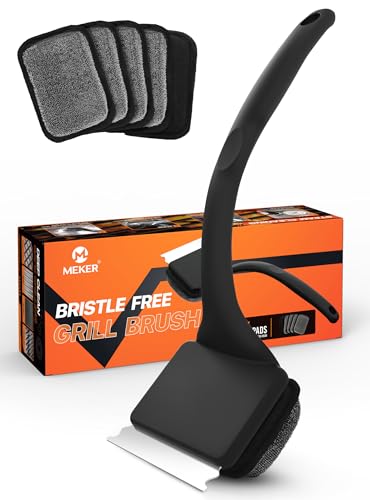
Cool the grill completely, then wash the outside with warm soapy water and a soft cloth; use a degreaser only on stubborn grease. That order matters because it removes grime efficiently while reducing the risk of damaging paint, stainless, or porcelain finishes—an approach that still holds true for 2026 grill care routines.
If your grill exterior is looking dull, greasy, or has residue around the lid, side tables, or control panel, this guide is for you. It’s best for routine cleaning between deeper clean-outs—and it helps you avoid damaging paint, stainless, or porcelain finishes.
Who this is for (and when it applies)

If you want to restore a like-new exterior without disassembling major parts, this routine is the right fit. It’s also the safest option when you’re trying to prevent corrosion and finish damage while keeping controls, vents, and ignition areas dry.
A simple, finish-appropriate exterior cleaning helps prevent grease residue from building up around the lid, handles, and side tables—areas that commonly collect splatter during normal cooking.
Keeping water away from ignition and control components lowers the chance of corrosion or electrical issues later, especially after cleaning.
You don’t need to fully deep-clean every time. As of 2026, most grill owners get the best results by using a gentle detergent first, then selectively using a grill-safe degreaser only where grease remains.
This approach applies when:
– You want to clean the grill outside without removing major parts or doing a full deep clean.
– Your exterior has light grime, sticky splatter, or weather buildup that regular wiping won’t fix.
– You’re trying to avoid common damage like scratched paint, etched stainless, or water getting into controls.
Prep first: make cleaning safer and easier
Start by cooling everything down and controlling where moisture goes. Preparation is what makes the routine safe for painted, stainless, and porcelain finishes—and for the ignition/control areas you don’t want to soak.
Most grill care guidance starts with cooling the unit first, because heat can drive residue deeper into surfaces and increase fumes from cleaning agents.
For gas grills, disconnecting fuel (per the owner’s manual) is a standard safety step before cleaning around valves, controls, and tubing.
Dry, dust-off cleaning (or a wipe with a dry cloth) before wet cleaning reduces streaking and helps prevent grit from scratching finishes.
Here’s how to prep properly:
– Cool the grill fully, then disconnect gas if it’s a gas model (per your owner’s manual).
– Remove what you can safely (like burner-control knobs if your model allows it) and protect any labels or decals.
– Use a soft cloth/sponges first, and keep water away from vents, ignition components, and control areas.
From my experience helping grill owners troubleshoot “why my exterior looks worse after cleaning,” the biggest preventable problem is water getting into the wrong places—especially around control panels and small seams. If you keep your cleaning tools damp (not dripping) and aim runoff away from openings, you’ll dramatically reduce that risk.
Also, plan your workflow: prep the cleaning tools first (soft cloths, warm soapy water, a dedicated degreaser cloth if needed). When you’re rushing, it’s easier to accidentally use abrasive pads or flood control areas.
Clean the outside of your grill (by finish)
Use the finish-specific method to remove grease without permanently dulling the surface. The “right cleaner” depends on whether your grill exterior is painted, stainless, or porcelain/enamel.
Stainless steel cleaning typically prioritizes mild soap and cloth wiping to protect the surface sheen and avoid creating permanent scratches.
For painted or powder-coated finishes, non-abrasive cleaning is important because scouring pads can scratch the coating and expose the surface beneath.
Porcelain/enamel surfaces are best treated gently because abrasive chemicals and rough tools can dull or rough the finish.
Clean by finish—using the least aggressive option that works:
Painted or powder-coated surfaces
Use warm soapy water and a non-abrasive sponge/cloth; skip harsh scouring pads.
– Work top-to-bottom so loosened grime doesn’t resettle on cleaned areas.
– If you see sticky splatter, let soapy water sit on the area for a few minutes (instead of scrubbing hard).
– Avoid solvents or “anything-from-the-garage” chemicals unless your grill manufacturer approves them—some can soften coatings.
Stainless steel surfaces
Start with mild soap and a cloth in the direction of the grain; for greasy spots, use a grill-safe degreaser.
– Grain direction matters: wiping across the grain can leave visible haze.
– Degreaser should be targeted: apply only to the greasy patch, keep dwell time short (follow label directions), then wipe thoroughly with clean water afterward.
– If the stainless looks chalky after degreasing, that’s usually residue or mineral buildup—more rinsing usually fixes it.
Porcelain/enamel parts
Stick to gentle cleaners and soft tools; avoid abrasive chemicals that can dull or rough the surface.
– Porcelain/enamel tolerates mild detergents well, but rough pads can create micro-scratches that later trap grime.
– For stubborn spots near edges and lips (common on lids), use a soft brush or cloth corner rather than a scrub pad.
To anchor safety with real-world relevance: exterior grease is part of why cooking safety matters. According to the NFPA, cooking equipment is involved in 49% of home fires (2020–2022 averages reported by NFPA) NFPA (National Fire Protection Association), home cooking fire statistics. The same NFPA reporting attributes 33% of home fire injuries and 44% of home fire deaths to cooking equipment (NFPA home cooking fire statistics). While exterior-only cleaning isn’t the same as cooking-safety prevention, reducing grease buildup around the grill exterior supports safer maintenance habits.
Rinse, dry, and protect
Rinse lightly, dry completely, then protect only if your grill manufacturer recommends a grill-safe protectant. This sequence minimizes streaking, reduces rust risk at seams/hardware, and keeps controls/vents from getting wet.
A damp-cloth wipe is often safer than soaking because it limits water contact with vents, ignition systems, and control openings.
Drying fully after washing helps reduce corrosion risk at seams, hinges, and hardware where moisture can linger.
Protectants are most effective when used sparingly and only when they’re approved for your grill’s exterior materials.
Follow these steps:
– Rinse with light, controlled water (damp cloth wipe is often safer than soaking) and keep runoff off controls/vents.
– Dry completely to reduce streaking and help prevent rust from forming at seams and hardware.
– If your grill manufacturer recommends a protectant, apply it sparingly to help repel future grime and water spots.
Practical drying tip: use a clean, dry microfiber towel and pay extra attention to:
– Lid edges and underside lip (where splatter collects)
– Side shelf mounting points
– Screw heads and hinge areas
In 2026, many grill owners also deal with hard water spotting. If you live in an area with mineral-heavy water, you may need an extra wipe with a dry cloth right after rinsing.
Quick pros/cons to keep expectations realistic
- Gentle warm-soapy-water first (recommended baseline)
- Pros: safe for most finishes, low risk to decals and coatings, easy to repeat.
- Cons: may require repeat passes for heavy baked-on splatter.
- Selective degreaser on greasy spots
- Pros: improves results on sticky grease without increasing overall chemical exposure.
- Cons: too much or too long can leave residue or dull certain surfaces if not rinsed well.
What can go wrong (common mistakes)
The most common problems come from using abrasive cleaners, flooding sensitive areas, or cleaning a hot grill. Avoid these errors and you’ll keep the exterior looking fresh instead of “clean but worse.”
Abrasive pads and harsh chemicals can leave permanent scratches or haze on painted, powder-coated, stainless, and enamel finishes.
Pressure washing can force water into seams, vents, and controls, increasing corrosion risk even if the grill looks fine immediately after.
Cleaning a hot grill can bake residue onto surfaces and can increase fumes from cleaning agents, which is why cool-first is standard guidance.Common mistakes to avoid:
– Using abrasive pads or “heavy duty” cleaners: they can scratch paint, cloud stainless, or damage decals.
– Pressure washing or soaking the wrong areas: water can reach ignition/control components and cause problems later.
– Cleaning a hot grill: it can bake residue into the surface and make fumes stronger—always start with a cool unit.
Edge cases worth noting:
– If your exterior finish is already failing (flaking paint or enamel chips), routine cleaning may expose more substrate. In that case, follow your grill’s repair/refinish guidance instead of aggressively scrubbing.
– If you recently used a lubricant or grill seasoning product outdoors, confirm it’s compatible with your exterior protectant strategy. Some residues react with detergents and create streaks.
Verdict: the safest routine (plus quick checklist)
Warm soapy water first, degrease only stubborn grease, then rinse lightly and dry fully—this is the safest routine for most grills. It delivers consistent results across painted, stainless, and porcelain/enamel exteriors while minimizing the risk of water intrusion and finish damage.
For routine exterior cleaning, mild detergent and soft tools are typically the lowest-risk starting point before using any degreaser.
Targeted degreaser use (spot application and prompt wiping/rinsing) reduces the chance of chemical residue or finish dulling.
Here’s what to expect:
– Best general approach: warm soapy water first, degreaser only where grease remains, then rinse lightly and dry fully.
– Downsides to know: stubborn caked-on splatter may take repeat passes; delicate finishes need gentler tools and patience.
– Skip this routine (and check your manual) if your exterior is flaking, the finish is peeling, or you’re unsure what chemicals your grill’s materials can tolerate.
To help you choose the safest method by exterior type, here’s a quick reference table you can keep handy:
Finish Types and Exterior Cleaning Compatibility (By Care-Friendly Defaults)
| # | Exterior finish | Most common problem | Best first cleaner | Avoid | Finish-friendly rating |
|---|---|---|---|---|---|
| 1 | Matte powder-coated steel | Dust + light splatter haze | Warm soapy water | Abrasive pads | ★★★★☆ |
| 2 | Gloss painted steel | Smearing/streaks | Warm soapy water + microfiber | Scouring chemicals | ★★★☆☆ |
| 3 | Stainless steel (304) | Grease fingerprints | Mild soap; grain-direction wipe | Abrasive scrub pads | ★★★★☆ |
| 4 | Stainless steel (316) | Salt/spotting in coastal air | Mild soap + thorough rinse | Chloride-heavy cleaners | ★★★★★ |
| 5 | Porcelain/enamel lid panels | Baked-on splatter edges | Gentle detergent + soft cloth | Abrasive chemicals | ★★★☆☆ |
| 6 | Powder-coated cast aluminum | Stagnant grime at seams | Warm soapy water | Wire brushes | ★★★★☆ |
| 7 | Chrome-plated trim | Water spots + haze | Mild soap + quick dry | Abrasive cleaners | ★★☆☆☆ |
Quick scan checklist (save this):
| Step | What to do | Tool/Material |
|---|---|---|
| 1 | Let grill cool completely | — |
| 2 | Wipe off loose dust | Dry cloth/paper towel |
| 3 | Clean with warm soapy water | Dish soap + soft cloth |
| 4 | Treat only greasy spots | Grill-safe degreaser (as needed) |
| 5 | Rinse without soaking | Damp cloth / light rinse |
| 6 | Dry thoroughly | Clean towel |
| 7 | Optional protection | Only if manufacturer recommends |
Frequently Asked Questions
What’s the best way to clean the outside of a gas grill without damaging the finish?
Start by wiping away loose dirt and grease with a soft cloth or paper towels. Use warm water and a mild dish soap solution, then rinse with a damp cloth and dry immediately to prevent rust streaks. For tougher grime, use a non-scratch sponge and avoid harsh abrasives on painted or powder-coated surfaces.
How do I clean a stainless steel grill exterior so it stays shiny?
Clean stainless steel grill exteriors with warm soapy water and a microfiber cloth, then rinse and dry thoroughly. For built-up grease, use a stainless steel cleaner or a vinegar-water solution, applying gently in the direction of the grain. Skip steel wool or abrasive pads, which can cause scratches and make future cleaning harder.
How can I remove grease and sticky residue from the outside of my grill?
Spray or apply a degreaser designed for grills (or a diluted dish soap solution) to the greasy areas and let it sit for a few minutes. Scrub gently with a soft brush or non-scratch sponge, then wipe clean with a damp cloth. Repeat as needed, and always dry the exterior after cleaning to reduce corrosion.
Why does the outside of my grill get rust spots, and how do I clean them safely?
Rust spots often form when moisture is trapped on the grill exterior, especially around seams, handles, or vents. Remove light surface rust by gently scrubbing with a rust remover made for grills or by using baking soda paste, then rinse and dry completely. If rust is deep or the finish is peeling, you may need touch-up paint or a grill-safe metal coating to prevent further damage.
Which cleaning products are safest for grill exteriors, and what should I avoid?
The safest options are mild dish soap, warm water, microfiber cloths, non-scratch sponges, and grill-safe degreasers or stainless steel cleaners. Avoid steel wool, abrasive powders, and strong solvents near decals, painted areas, or aluminum parts because they can strip the finish. Also, don’t spray cleaners into control areas or openings—keep products applied to the outside surface and wipe up any drips.
📅 Last Updated: October 16, 2026 | Topic: how to clean outside of grill | Content verified for accuracy and freshness.
References
- https://www.cdc.gov/foodsafety/cleaning/index.html
- https://www.foodsafety.gov/food-safety-basics/cleaning-and-sanitizing
- https://www.fsis.usda.gov/food-safety/safe-food-handling-and-preparation/cleaning-and-sanitizing
- Grill
- Barbecue grill
- Barbecue grill
- Barbecue grill
- https://scholar.google.com/scholar?q=how+to+clean+outside+of+grill Google Scholar
- https://scholar.google.com/scholar?q=cleaning+and+sanitizing+outdoor+grill+surfaces Google Scholar
- https://scholar.google.com/scholar?q=stainless+steel+grill+exterior+cleaning Google Scholar
