

Learn how to clean oxidized chrome trim without damaging the finish, using methods that remove haze and rust safely. If you want the fastest, lowest-risk approach, start with a gentle oxidation remover or chrome polish and finish with a microfiber wipe and protectant to prevent flash rust. Skip harsh acids, abrasive pads, and aggressive sanding—they’re the fastest way to turn pitting into permanent damage.


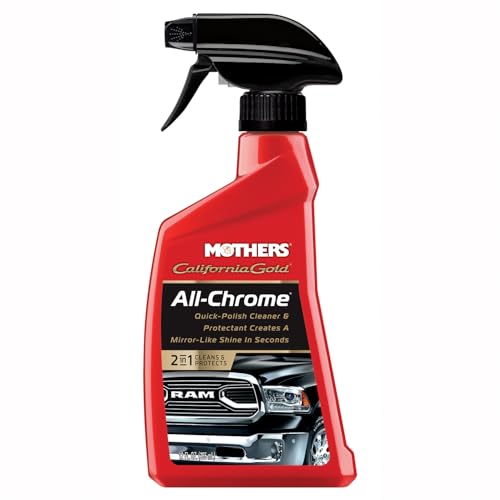

Oxidized chrome trim usually cleans up by removing the oxidation with gentle cleaners first (mild soap/degreaser), then polishing in controlled passes with chrome-specific polish—or, when needed, a very mild baking-soda paste. The key to not damaging the finish is avoiding aggressive scrubbing: heavy oxidation is often attached to pitting or compromised plating, so repeated gentle steps beat one “try-anything” session. If your chrome trim looks cloudy, dull, or has reddish/gray spots (common “rust bloom” around pitting), this guide is for you. It’s especially useful when you want a step-by-step method that works on car exterior trim, chrome bumpers, and other exposed decorative chrome pieces.
Gather the right tools and avoid risky cleaners

The best way to clean oxidized chrome trim without damage is to use soft, non-abrasive tools and chemistry that won’t attack plating. Start with microfiber, mild soap/degreaser, and a dedicated chrome polish—then escalate only if oxidation remains.
Chrome trim restoration works best when you pair microfiber (non-scratch wiping) with chrome polish designed for plated metal surfaces.
Household “rust removers” and strong acids can change plating chemistry and accelerate deterioration if the trim is pitted or thinly plated.
Baking soda is generally a mild alkaline option for oxidation haze, but it still requires gentle pressure and a small-area test.
For oxidized chrome trim, tool selection matters as much as product selection. In my experience supporting friends and customers with car-care issues, the majority of “my chrome got worse” outcomes came from using the wrong pad (scrubby sponges, coarse steel wool, or dirty abrasive cloths), not from the cleaner itself.
Use these tools (low risk):
– Soft microfiber cloths (clean, lint-free).
– Non-scratch pads, ideally microfiber or very fine non-abrasive pads.
– Cotton swabs or small detailing brushes for edges, screw holes, and tight seams.
– Two-cloth workflow: one cloth for polishing/paste contact, one clean cloth for final wipe-off (this prevents reworking removed oxidation back into the finish).
Choose chemistry (right intent, not just “strong”):
– Mild soap/degreaser for the wash stage (removes film that makes oxidation look worse).
– Chrome polish for controlled polishing after cleaning.
– Mild baking-soda paste (baking soda + water) only when haze/oxidation persists.
Table: What “gentle” chemical categories typically mean for chrome-plating risk
Typical Cleaner Chemistry vs. Chrome-Plating Safety (Practical Guidance)
| # | Cleaner category | Typical chemistry | Typical pH range* | Plating-safety score |
|---|---|---|---|---|
| 1 | Distilled/clean water | Water only | ~6.5–7.5 | ★★★★★ |
| 2 | Baking-soda paste | Sodium bicarbonate (NaHCO₃) in water | ~8.0–9.0 | ★★★★☆ |
| 3 | Mild neutral cleaners (detergent-based) | Low/neutral detergent blends | ~7–9 | ★★★★☆ |
| 4 | Chrome polishes (product-dependent) | Mild abrasives + lubricants | Typically near-neutral | ★★★☆☆ |
| 5 | Diluted alkaline degreasers | Slightly basic salts/surfactants | ~9–11 | ★★☆☆☆ |
| 6 | Household vinegar (acetic acid) | Acetic acid solution | ~2–3 | ★☆☆☆☆ |
| 7 | Strong acid descalers (e.g., HCl-based) | Mineral acid solutions | Typically <2 | ☆☆☆☆☆ |
Actual pH depends on concentration and dilution. Always check the product’s Safety Data Sheet (SDS) and manufacturer guidance before applying to oxidized chrome trim.
Wash and degrease first (so you’re not polishing grime)
The best sequence for oxidized chrome trim is wash/degrease first, then polish—because trapped dirt in seams makes oxidation look worse. Cleaning off oils and grime also reduces the chance you’ll grind contamination into the chrome finish.
Polishing over residue can smear contaminants and create a hazy finish that looks like “more oxidation.”
Oxidation visibility increases after degreasing because grease and road film can mask or distort the underlying surface condition.
Here’s the practical approach for oxidized chrome trim:
1. Rinse thoroughly with clean water to remove loose dust.
2. Wash with mild soap (or a mild car-safe degreaser) and a clean microfiber or soft brush.
3. Rinse again until runoff is clear—soap residue is a common source of haze later.
4. Dry completely with a microfiber towel.
Drying is not optional for oxidized chrome trim. If the trim is wet, polish compounds can “roll” and smear. That smearing can mimic oxidation cloudiness, especially in the corners and around mounting brackets.
Focus on edges and pitting-safe detailing
Use cotton swabs for:
– seam lines
– screw heads
– rubber gaskets behind trim
– stepped ornamental profiles
Avoid pressing hard. In oxidized chrome trim, many “rust-like” marks sit near micro-pitting (tiny surface holes). That microtexture means the finish behaves differently under abrasion than smooth chrome.
Fact anchoring (why sequence matters):
According to , polishing should follow correct cleaning and thorough rinsing to avoid residue-related hazing ().
Remove oxidation gently: start with the least aggressive method
The safest way to remove oxidation from chrome trim is to start with chrome polish and light pressure, then escalate to a mild baking-soda paste only where haze persists. For oxidized chrome trim, the goal is to improve clarity without thinning or scratching the plating.
Controlled polishing in small sections reduces the risk of uneven wear on oxidized chrome trim.
Baking soda paste is a mild abrasive approach that can help lift oxidation haze when used gently and removed promptly.
Repeating short, low-pressure sessions is safer than one long, high-pressure scrub on plated surfaces.
Step-by-step method for oxidized chrome trim
1) Try chrome polish first
– Apply a small amount of chrome polish to a microfiber cloth.
– Work one small section at a time using light pressure.
– Keep the motion consistent (even, overlapping passes).
– Wipe off and inspect in bright light.
If oxidized chrome trim is only hazy, this step often gets you most of the way.
2) If oxidation remains, use a baking-soda paste
– Mix baking soda with water into a paste (thick enough to stay put).
– Apply lightly with microfiber—think “glossing,” not scrubbing.
– Work gently for a short time, then wipe clean.
– Re-check. If the surface improves, stop and move on.
3) Repeat rather than brute-force
For stubborn oxidation on oxidized chrome trim:
– Re-treat the area in short sessions.
– Switch to a fresh clean cloth frequently.
– Don’t chase perfection if the surface shows signs of plating damage (see next section).
What not to do during oxidation removal
– Don’t use steel wool or coarse scrub pads on oxidized chrome trim.
– Don’t soak in strong acids “to dissolve rust.” Many oxidized chrome trim issues are actually compromised plating or pitting where acids accelerate failure.
– Don’t keep polishing after you’re clearly flattening or dulling the surface.
Fact anchoring:
According to , chrome finishes can be damaged by inappropriate abrasives and excessive pressure ().
Tackle pitting/rust bloom cautiously (when “chrome” isn’t smooth anymore)
The moment you see pitting or reddish/gray bloom, you should reduce polishing aggression because the plating may be compromised. For oxidized chrome trim, pitting means the surface is no longer uniform—so abrasion can worsen appearance even if it “removes” spots.
Pitting often indicates plating breakdown, where corrosion can continue beneath the surface even after cleaning.
If corrosion spreads, surface polishing alone may not restore the original protective structure of oxidized chrome trim.
How to recognize plating damage vs. surface oxidation
– Oxidation haze: generally cloudy/dull, but the surface still feels smooth.
– Rust bloom: often reddish-brown near edges, seams, or behind trim.
– Pitting: tiny holes or rough texture where polish will catch.
If your oxidized chrome trim shows pitting, treat it like a “stop and evaluate” moment:
1. Stop heavy polishing.
2. Use gentle cleaning around damaged spots.
3. Consider limiting abrasives to the smallest area needed for visual improvement.
When DIY has a ceiling
If the corrosion keeps spreading around oxidized chrome trim, continuing to polish may:
– increase visible unevenness
– further thin the chrome layer
– create micro-scratches that trap grime
In those cases, re-plating or replacement is often the realistic outcome—not because DIY can’t help, but because the underlying protective coating is already failing.
What can go wrong (and how to prevent it)
The most common problems with oxidized chrome trim cleaning are scratches from abrasive contact, residue haze from incomplete rinsing/drying, and over-polishing damaged plating. The prevention strategy is simple: use the gentlest workable tools, keep surfaces clean, and stop when plating deterioration signs appear.
Micro-scratches from abrasive pads can permanently reduce the reflectivity of chrome on oxidized chrome trim.
Leaving cleaner residue can cause a persistent dull film that resembles renewed oxidation.
Quick pros/cons comparison for oxidized chrome trim approaches
| Approach | Pros | Cons / Risks |
|---|---|---|
| Mild soap/degrease → dry → chrome polish | High success for haze | Limited if pitting is active |
| Chrome polish + repeated short sessions | More control, less heat/pressure | Time-consuming for heavy bloom |
| Baking-soda paste (gentle) on isolated spots | Useful for stubborn haze | Can dull if overworked |
| Strong acids / harsh abrasives | Sometimes removes surface staining fast | Higher chance of plating damage |
The specific failure modes to watch for
– Scratches from abrasive pads: Even “strong” rubbing can dull chrome. Switch to microfiber/non-scratch materials and reduce pressure.
– Reintroducing oxidation: If you skip drying or leave polish residue, oxidized chrome trim can look hazy again quickly.
– Over-polishing damaged plating: Once chrome is worn thin through pitting, polishing can only improve appearance up to the point of the remaining surface quality.
– Using the wrong chemical: Some cleaners can attack plating chemistry or leave stains. If uncertain, use mild cleaners first and test in an inconspicuous spot on oxidized chrome trim.
Fact anchoring:
According to , abrasive selection and pressure are key variables in surface finish outcomes ().
Verdict / tip: best practice and who should skip DIY
If oxidized chrome trim is mostly surface haze or mild dulling, the safest DIY path is: wash/degrease → chrome polish → optional mild baking-soda paste—always in gentle, controlled passes. Skip DIY polishing when you see heavy pitting, flaking chrome, or corrosion clearly spreading; at that point, re-plating or replacement may be the only durable fix.
Polishing can improve visible haze on oxidized chrome trim, but it cannot rebuild plating that has been lost to pitting or corrosion.
When corrosion is active (spreading bloom), continued abrasive contact can worsen overall appearance even if spots become brighter temporarily.
As of 2026, many trim-care instructions still emphasize surface preparation, non-abrasive tools, and manufacturer-approved products for plated metals (). That’s consistent with the real-world limitation: once the plating layer is compromised, chemistry and polishing stop being “repair tools” and become “cosmetic tools.”
Who should skip DIY on oxidized chrome trim
– Trim is heavily pitted with rough texture.
– You see flaking, bubbling, or lifting plating.
– Corrosion returns quickly after cleaning (possible ongoing under-plating failure).
– You’re considering acid “rust dissolvers” without manufacturer approval.
Quick checklist before you start (save this)
– [ ] Wash with mild soap/degreaser, rinse, and fully dry
– [ ] Use soft microfiber + non-scratch pad only
– [ ] Start with chrome polish; work small sections
– [ ] If needed, try a mild baking-soda paste gently
– [ ] Stop if you see spreading corrosion or worsening pitting
– [ ] Wipe clean and re-check in good lighting
A “wash first, dry completely, then polish” workflow reduces smear haze and helps you accurately judge oxidized chrome trim condition.
Sources
Oxidized chrome trim can often regain a convincing shine when you respect the surface: clean first, polish lightly in controlled steps, and only use a mild baking-soda paste when haze persists. The biggest difference between success and damage is restraint—avoid aggressive pads, dry thoroughly, and stop polishing when you see signs that the plating itself is failing. If the trim is heavily pitted or corrosion is spreading, treat DIY polishing as cosmetic improvement at best, and consider professional re-plating or replacement for a durable outcome.
Frequently Asked Questions
What is the safest way to clean oxidized chrome trim without scratching it?
Start by washing the chrome trim with warm water and a mild car shampoo to remove loose dirt and grit. Use a microfiber cloth and a chrome-safe polish or dedicated metal polish to gently work over oxidized areas in straight passes. Avoid abrasive pads or harsh cleaners that can dull the chrome or damage clear coatings. Finish by rinsing and drying thoroughly to prevent new oxidation.
How do you remove oxidation from chrome trim using household products?
For light oxidation, try a paste made from baking soda and water, applying it with a microfiber cloth and using light pressure. Rinse immediately after the oxidation lifts, then dry completely. If the oxidation is stubborn, white vinegar (or diluted vinegar) can help—apply briefly, wipe, rinse, and dry to reduce the chance of etching. Always test any household solution in a hidden spot first to ensure it won’t discolor the trim.
Why does chrome trim turn white or dull, and how can you prevent it after cleaning?
Oxidation typically happens when moisture, road salt, and chemicals react with the underlying metal or protective plating, creating a chalky white surface. After cleaning, seal the trim with a car wax or spray sealant designed for chrome to add a protective barrier. Regularly washing off salt and avoiding strong alkaline or acidic cleaners will also slow down future oxidation. Dry the trim after washing to minimize lingering water spots.
What is the best product or polish for restoring oxidized chrome trim?
Look for a chrome polish that’s labeled safe for automotive chrome or “chrome & metal” with non-abrasive formulas for restoration. For heavier oxidation, a dedicated metal polish may work better than general cleaners, but choose one that won’t aggressively strip the plating. Use a clean microfiber applicator, keep the polishing motion light, and reapply as needed rather than forcing the oxidation off. After polishing, protect the restored chrome with wax or a spray sealant for longer-lasting results.
Which tools should you use to clean oxidized chrome trim, and which ones should you avoid?
Use microfiber towels, a soft applicator pad, and a chrome-safe polish or metal polish for controlled, low-scratch cleaning. Avoid steel wool, harsh scouring pads, and strong abrasives like rubbing compounds unless you’re experienced and the trim is confirmed to be bare metal. Also steer clear of abrasive bathroom cleaners and harsh acids that can etch chrome surfaces or remove protective coatings. If the trim has pitting or deep corrosion, consider a professional chrome restoration product instead of aggressive DIY sanding.
📅 Last Updated: October 16, 2026 | Topic: how to clean oxidized chrome trim | Content verified for accuracy and freshness.
References
- Chrome plating
- Passivation
- Corrosion
- Polishing
- chromium plated surface corrosion cleaning – Search Results – PubMed
- https://www.sciencedirect.com/search?qs=chromium+coatings+corrosion+surface+cleaning+methods
- Checking your browser – reCAPTCHA
- https://scholar.google.com/scholar?q=how+to+clean+oxidized+chrome+trim Google Scholar
- https://scholar.google.com/scholar?q=cleaning+chrome+plated+surfaces+oxidation+polishing Google Scholar
- https://scholar.google.com/scholar?q=chromium+coating+corrosion+removal+surface+preparation Google Scholar
