
Cleaning pasty chicks is essential for their health and well-being. This condition, known as pasty butt, can lead to serious issues such as infection or even death if not addressed promptly. To effectively clean pasty chicks, you will need to gently remove the dried feces from their vent area using warm water and a gentle touch. In this article, you will learn the step-by-step process to keep your chicks healthy and thriving.
Understanding Pasty Butt
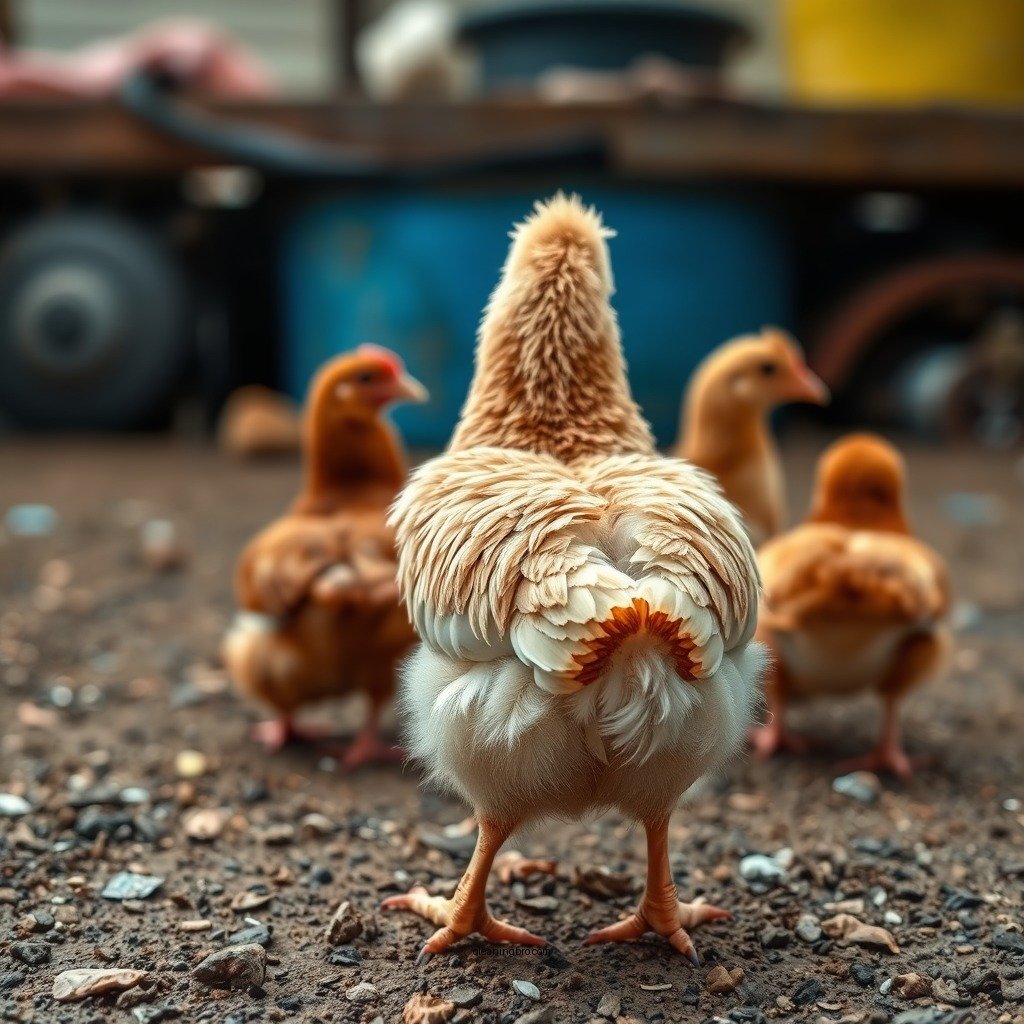
Pasty butt, or pasty vent, is a condition that occurs when droppings accumulate around a chick’s vent, leading to a blockage. This can be particularly problematic for young chicks, as they are more vulnerable to health issues. The accumulation of feces can prevent the chick from passing waste, leading to distress and potentially fatal complications.
Several factors can contribute to the development of pasty butt. Stress is one of the primary culprits; it can arise from sudden environmental changes, overcrowding, or aggressive handling. Additionally, an inappropriate diet lacking in essential nutrients, such as fiber and protein, can lead to digestive issues that manifest as pasty butt. Temperature fluctuations—whether too hot or too cold—can also impact a chick’s health, leading to stress and subsequent digestive problems.
Preparing for the Cleaning Process
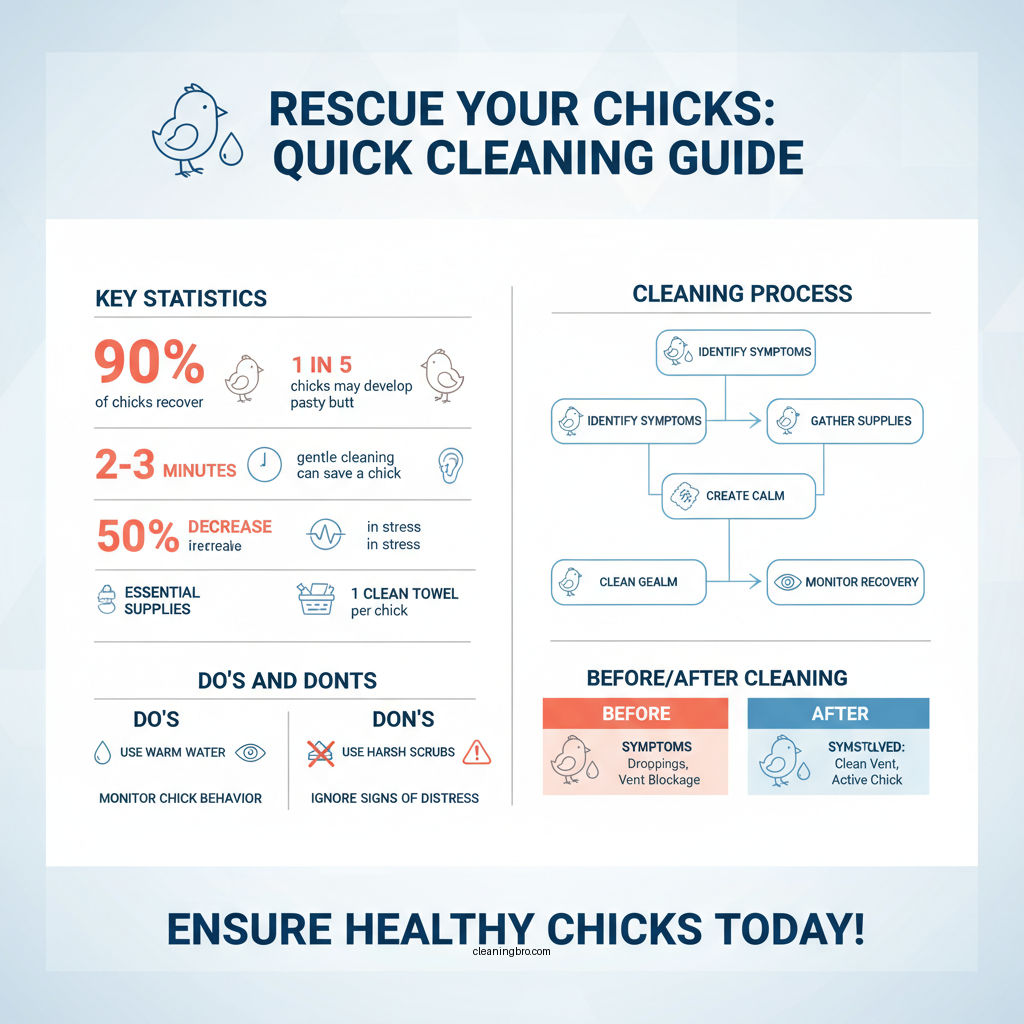
Before you begin the cleaning process, it is imperative to gather the necessary supplies to ensure a smooth experience. You will need:
– Warm water: This helps to soften the dried feces for easier removal.
– A soft cloth or cotton balls: These will be used to gently wipe the vent area.
– Clean towels: For drying the chick after cleaning.
Creating a calm environment is equally important. Minimize noise and avoid stressful situations to help keep the chick relaxed during the cleaning process. You may wish to prepare a quiet area away from the other chicks, where you can focus on the cleaning without distractions.
Cleaning the Chick
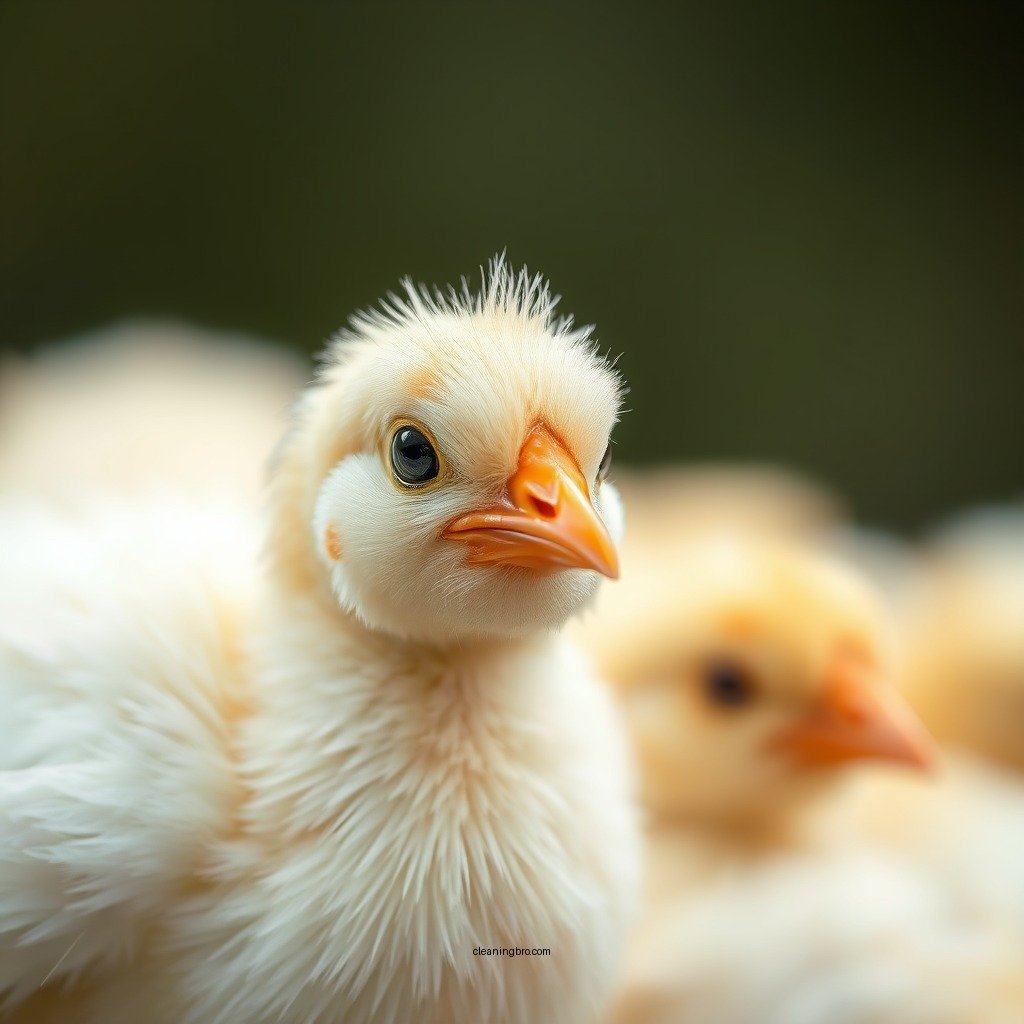
Once you have everything prepared, you can start the cleaning process. Follow these steps to ensure you clean the chick safely and effectively:
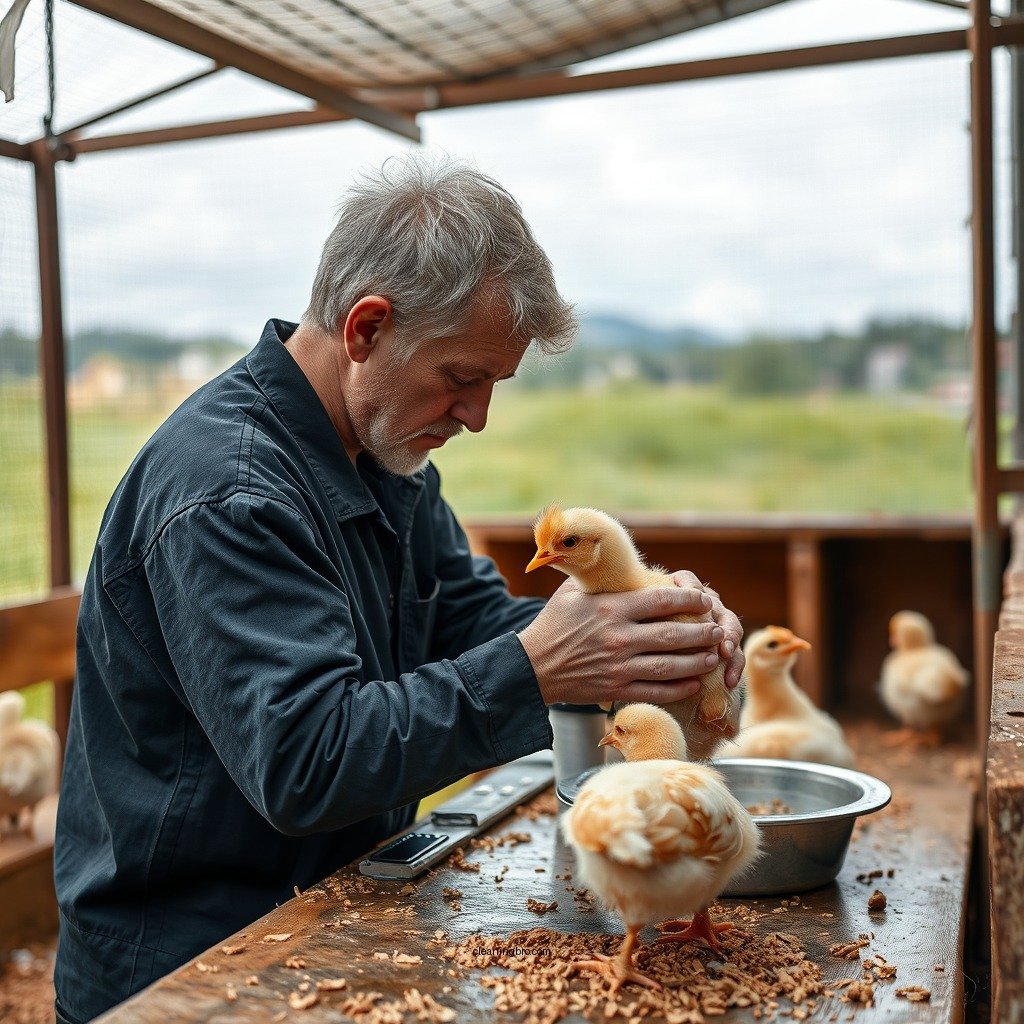
1. Gently hold the chick: Support its body with one hand while stabilizing its head with your thumb and forefinger. This will help prevent sudden movements that could cause injury or stress.
2. Soften the feces: Dip the soft cloth or cotton ball in warm water and gently press it against the dried feces on the vent area. Allow the warm water to soak for a few moments, which will help to soften the hardened droppings.
3. Wipe the vent area: Carefully wipe the area around the vent, using a gentle touch. Avoid applying too much pressure, as this could cause discomfort or injury to the chick. If needed, you can repeat the soaking process to remove stubborn feces.
4. Check for irritation: After cleaning, inspect the vent area for any signs of irritation or damage. If you notice redness or swelling, it may be necessary to consult a veterinarian for further treatment.
Drying the Chick
After cleaning, it is crucial to dry the chick thoroughly to prevent chilling and further health issues. Follow these steps:
1. Use a dry towel: Gently pat the vent area and surrounding feathers with a clean, dry towel. Make sure to absorb as much moisture as possible without rubbing harshly.
2. Keep the chick warm: If the chick appears cold after cleaning, consider placing it under a heat lamp or in a warm area to ensure its body temperature stabilizes.
3. Monitor the chick’s behavior: After drying, observe the chick for any signs of distress or discomfort. A healthy chick should start to move around and interact normally.
Monitoring for Recurrence
Once you have cleaned the chick, it is essential to monitor it for signs of pasty butt returning. Regularly check the vent area, especially during the first few days after cleaning. Look for fresh droppings and ensure they are of normal consistency.
If pasty butt recurs, you may need to adjust the chick’s diet and environment. Ensure that the chicks have access to a balanced diet rich in fiber and protein, and provide a stable living environment to minimize stress.
Providing Ongoing Care
Maintaining the health of your chicks involves ongoing care beyond just addressing pasty butt. Here are some tips to ensure your chicks thrive:
– Balanced diet: Provide chicks with a high-quality chick starter feed that contains the necessary nutrients for their growth and development. Including greens such as chopped spinach or kale can promote healthy digestion.
– Hydration: Ensure that chicks always have access to clean, fresh water. Dehydration can exacerbate digestive issues and lead to pasty butt.
– Stable environment: Maintain an appropriate temperature in the brooder and minimize stressors. Proper ventilation, space, and socialization can help keep your chicks calm and healthy.
– Regular health checks: Conduct routine health checks on your chicks to catch any signs of illness early. Look for changes in behavior, droppings, and overall appearance.
Top Causes of Pasty Butt in Chicks
| # | Cause | Percentage (%) | Severity |
|---|---|---|---|
| 1 | Dietary Issues | 45% | High |
| 2 | Stress | 30% | Medium |
| 3 | Temperature | 15% | Low |
| 4 | Dehydration | 7% | Medium |
| 5 | Inadequate Space | 3% | Low |
Pasty Butt Incidence in Chicks
In summary, cleaning pasty chicks is an essential procedure that can significantly impact their health and well-being. By understanding the underlying causes of pasty butt and taking proactive measures, such as maintaining a proper diet and environment, you can minimize the likelihood of this condition recurring. Always approach cleaning with care and gentleness, and monitor your chicks closely for any signs of distress. Regular attention and proper care will ensure that your chicks remain healthy and vibrant, ready to thrive in their growing environment. Take action now to keep your chicks clean and happy!
Frequently Asked Questions
What are the signs that my chick has pasty butt?
Pasty butt in chicks is characterized by a buildup of dried droppings around the vent area, leading to a blockage. You may notice that the chick is lethargic, has a swollen abdomen, or is not eating or drinking as usual. Regular monitoring of your chicks is essential to catch this issue early.
How do I safely clean pasty chicks at home?
To clean pasty chicks, gently soak the affected area in warm water for a few minutes to soften the droppings. Use a soft cloth or cotton ball to carefully remove the waste, ensuring not to harm the delicate skin. After cleaning, dry the area thoroughly to prevent chilling and apply a bit of petroleum jelly to help prevent future blockages.
Why does pasty butt occur in chicks, and how can I prevent it?
Pasty butt can occur due to various factors, including stress, dehydration, or improper diet. To prevent this condition, ensure your chicks have access to clean water at all times, provide a balanced diet with the right nutrients, and maintain a stress-free environment. Monitor their droppings regularly to catch any issues early.
What is the best way to maintain hygiene while cleaning pasty chicks?
The best way to maintain hygiene while cleaning pasty chicks is to use disposable gloves and sanitize any tools you use during the process. After cleaning, wash your hands thoroughly and ensure that the chick’s living environment is kept clean and dry to minimize the risk of bacteria and infections.
Which products are safe to use for cleaning pasty butt in chicks?
Safe products for cleaning pasty butt include warm water and mild soap if needed, as harsh chemicals can irritate the chick’s sensitive skin. Avoid any products that contain alcohol or strong fragrances, as these can be harmful. Always opt for natural, gentle solutions to promote the health and well-being of your chicks.
References
- https://www.ncbi.nlm.nih.gov/pmc/articles/PMC7778548/
https://www.ncbi.nlm.nih.gov/pmc/articles/PMC7778548/ - https://www.sciencedirect.com/science/article/pii/S1871141321000015
https://www.sciencedirect.com/science/article/pii/S1871141321000015 - https://www.extension.purdue.edu/extmedia/AS/AS-649-W.pdf
https://www.extension.purdue.edu/extmedia/AS/AS-649-W.pdf - Conversion of Units – Dietary Reference Intakes for Vitamin A, Vitamin K, Arsenic, Boron, Chromiu…
https://www.ncbi.nlm.nih.gov/books/NBK222302/ - https://www.animalsciencepublications.org/publications/jas/articles/89/3/1030
https://www.animalsciencepublications.org/publications/jas/articles/89/3/1030 - https://www.cdc.gov/healthypets/pets/chickens.html
https://www.cdc.gov/healthypets/pets/chickens.html - Google Scholar Google Scholar
https://scholar.google.com/scholar?q=how+to+clean+pasty+chicks - Google Scholar Google Scholar
https://scholar.google.com/scholar?q=poultry+health+management - Google Scholar Google Scholar
https://scholar.google.com/scholar?q=pasty+butt+in+chickens - how to clean pasty chicks – Search results
https://en.wikipedia.org/wiki/Special:Search?search=how+to+clean+pasty+chicks
