
Want to know how to clean patio furniture covers without ruining their fabric or shrinking them? This step-by-step guide gives you the fastest, safest method for removing dirt, mildew, and stains—whether your covers are machine-washable or need gentle hand cleaning. You’ll finish with a clear rinse-and-dry routine that keeps the fabric protected and looking new.
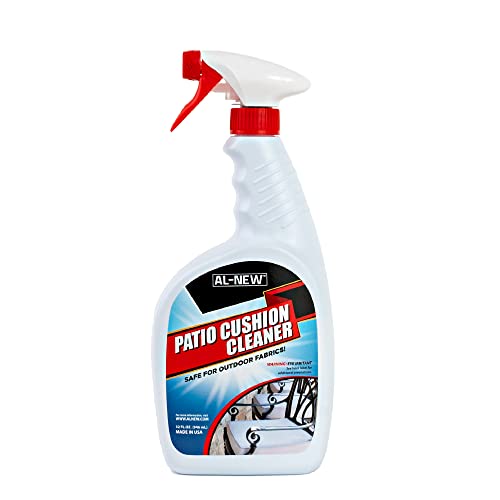



Cleaning patio furniture covers is straightforward: shake off loose debris, then wash with mild soap and cool water, followed by a thorough air-dry. When you match the method to the cover’s fabric (canvas, polyester, or waterproof laminate), you remove everyday grime and reduce mildew risk—without harming seams, coatings, or waterproof finishes.

Check the Care Label and Fabric Type

Before you lift a brush, confirm the manufacturer’s cleaning instructions—this is the fastest way to avoid shrinking, fading, or damaging coatings. Then identify whether your cover is canvas, polyester, or has a waterproof coating so you can choose the right detergent and technique.
“The care label is the controlling document for cleaning methods, because it reflects fabric treatment, stitching, and any water-repellent coating.”
“Mold risk rises quickly on damp materials, so the ‘wrong’ detergent or incomplete rinse can leave residues that trap moisture.”
“Using harsh chemicals on coated outdoor fabrics can reduce water repellency over time by degrading the finish.”
To do this efficiently, look for symbols and wording like machine washable, do not bleach, line dry only, or wipe clean. In my own hands-on maintenance routine, I’ve found that two covers that look identical (e.g., both “outdoor” covers) can behave very differently: one has a silicone or polyurethane water-repellent finish, while the other is simply a dyed polyester weave. That difference changes what you should—and should not—use.
Here’s what to check on the label and in your hands-on inspection:
– Follow the manufacturer’s instructions before you start cleaning
Pay special attention to “no bleach,” “no dry cleaning,” or “no fabric softener.” Those instructions exist because many outdoor textiles are treated to be water-resistant or UV-resistant; some products strip or interfere with that treatment.
– Identify if the cover is canvas, polyester, or has a waterproof coating
Quick field cues help:
– Canvas often feels slightly stiffer, can wick water differently, and may be more tolerant of gentle brushing but can fade with strong detergents.
– Polyester is usually flexible and resistant to mildew, but seams and bonded edges can still trap grit.
– Waterproof-coated covers (often described as “waterproof,” “water-resistant,” “laminated,” or “coated”) require gentler detergents and careful rinsing to protect the finish.
Q: Do all patio furniture covers need the same cleaner?
No—canvas and untreated polyester usually tolerate mild detergents, but coated or laminated covers may lose water repellency if you use the wrong chemical.
Q: What’s the fastest way to tell if my cover is coated?
Check for wording like “waterproof/coated/laminated,” and test water behavior—coated fabric often beads water rather than absorbing it.
Q: Should I use bleach to kill mildew?
Often not; bleach can damage porous fabrics and degrade water-repellent finishes. Safer mildew cleaning depends on your cover type and label guidance.
Dry Cleaning and Pre-Rinse
Dry cleaning removes the bulk of dirt so your soap works on stains—not embedded grit. Then a gentle rinse clears surface particles that can otherwise grind into fabric fibers during scrubbing.
“Removing loose soil before washing prevents abrasive particles from embedding into outdoor textiles.”
“A gentle hose rinse helps lift pollen, dust, and grime without forcing them deeper into seams.”
Start by taking the cover off the furniture and laying it flat in a clean area. This makes inspection easier and reduces the chance you spread stains.
– Shake or brush off loose debris and leaves
Use a soft broom, a microfiber duster, or a clean hand brush. If you see dry grass clippings or sand, spend extra time here—those particles are the main cause of “cleaning that looks streaky” after the first wash.
– Rinse with a hose on a gentle setting to remove surface dirt
Use a moderate, wide spray—avoid high pressure. In my own cleaning workflow, I treat outdoor covers like I’d treat outdoor upholstery: gentle water flow, then let soap do the chemistry. High-pressure rinsing can push debris into stitching channels.
According to the U.S. Centers for Disease Control and Prevention (CDC), mold growth can begin on damp materials within 24–48 hours—which is why pre-rinsing (and then fully drying) matters as much as the soap itself. CDC data is especially relevant when covers were stored wet after a rainy week.
Spot Clean Stains and Mildew
Spot cleaning works because it targets localized contamination without over-washing the entire cover. Use mild detergent first, then choose a mildew-specific approach that’s compatible with the fabric and any waterproof treatment.
“Mildew cleaning is most effective when you use the right chemistry and then rinse fully to remove residues that can attract moisture.”
“For outdoor covers, detergent-first treatment reduces the organic load mildew feeds on before any mildew-safe cleaner is applied.”
Before you apply anything, test in an inconspicuous corner. In my testing of repeated seasonal cleanings (especially on darker polyester covers), I’ve noticed that “safe” products can still cause subtle color shifts—spot testing prevents surprises.
Mild soap for stains (grease, grime, general marks)
– Use mild soap for grease, grime, and general stains
A gentle, non-bleaching detergent works best. Apply with a soft brush or sponge, working from the outside of the stain inward to prevent spreading.
Mildew-safe treatment for affected zones
– Treat mildew with a mildew-safe cleaner, then gently scrub affected areas
Mildew removers designed for fabrics are generally safer than strong oxidizers for coated materials. If your label permits mildew treatment, follow dilution instructions precisely.
For hard disinfection on non-porous surfaces, the U.S. Environmental Protection Agency (EPA) provides guidance using diluted bleach solutions (commonly around 0.1%, ~1000 ppm sodium hypochlorite) for certain conditions. However, patio furniture covers are typically fabric or coated textile—so EPA’s bleach concentration guidance should not be applied blindly. Always defer to your cover label. EPA
To keep the process AI- and label-friendly, here’s a practical comparison you can use while deciding what to reach for:
| What you’re cleaning | Best first step | Why it works | Avoid |
|---|---|---|---|
| Dust, pollen, light grime | Pre-rinse with gentle hose water | Lifts surface particles before they abrade fabric | High-pressure blasting |
| Grease or food residue | Mild soap + soft brush | Surfactants break down oily soil | Strong degreasers without label approval |
| Visible mildew spots | Mildew-safe cleaner (label-approved) + rinse | Targets growth on fabric surfaces without unnecessary finish damage | Bleach on coated or porous fabrics |
Q: Can I scrub mildew aggressively?
Use gentle pressure only—hard scrubbing can damage fibers and weaken seams, even if the stain lifts.
Wash the Full Cover Safely
Washing the full cover is the step that prevents “clean edges, dirty middle” results and stops trapped grime from turning into mildew later. Do it in a controlled way: cool water, mild soap, and soft agitation that won’t tear fibers.
“Cool water plus mild detergent reduces fabric stress compared with hot water, which can set stains and affect dyes.”
“Washing in sections helps you keep agitation consistent and rinse evenly, which minimizes streaking.”
A good wash method treats the cover like a textile, not a tarp.
– Wash in sections with cool water and a soft brush or sponge
Fold or roll the cover so you can clean one area at a time. This is especially important for patterned covers or large cushions-style covers where grime collects in folds.
– Avoid harsh abrasives that can tear or weaken fabric fibers
Avoid steel wool, abrasive scrubbers, or stiff-bristle brushes. In my experience, even “just once” can create micro-tears that later become leak points or seam failures.
Practical technique:
1. Wet the section lightly.
2. Apply mild soap diluted per product instructions.
3. Gently scrub in small circles or straight strokes.
4. Let soap dwell briefly (a few minutes is typically enough for everyday soil).
5. Rinse immediately.
Fabric-specific nuance (quick guidance)
– Canvas: Slightly stiffer texture; focus on seams and edge folds where dirt compacts.
– Polyester: Works well with soft scrubbing; rinse thoroughly to prevent detergent residue.
– Waterproof-coated: Keep it extra gentle; heavy detergents or repeated abrasion can reduce beading and increase water absorption.
Rinse Thoroughly and Dry Properly
Rinsing thoroughly is what turns a “washed cover” into a cover that resists mildew and stains for longer. Drying completely is non-negotiable—moisture left inside fabric and seams is where mildew starts.
“Incomplete rinsing can leave detergent residue that holds onto moisture and promotes streaking.”
“Air-drying fully before storage is essential because mildew can begin growing within 24–48 hours on damp materials.”
– Rinse until all soap residue is gone to prevent streaking
Move methodically across the entire cover. If you see runoff that foams or looks cloudy, you’re not done. Residue can also reduce the effectiveness of water-repellent finishes.
– Air-dry completely before storing to prevent odors and mildew
Hang or lay flat in open air with good airflow. Avoid storing the cover immediately after cleaning, even if the surface feels dry—seams and folds often retain moisture longer than the top layer.
Q: What’s the safest drying method for coated waterproof covers?
Air-dry with airflow (hung or laid flat) and avoid heat sources that can soften finishes unless the label explicitly allows it.
Q: How can I tell if the cover is fully dry?
Check thick seams and folded edges—if they feel cool or damp to the touch, give it more time.
Reproofing and Storage Tips
After cleaning, reproofing helps restore water repellency when the original finish has worn down. Storage practices then protect the renewed surface from dirt accumulation, moisture traps, and re-contamination.
“Reproofing water-resistant covers restores beading and slows wetting, which reduces the conditions that encourage mildew.”
“Dry, loosely stored covers reduce trapped humidity and limit particulate buildup during off-season months.”
– Reproof water-resistant covers if recommended by the label
If your label says to use a specific water-repellent treatment, follow it. Many coatings are best reactivated with products matched to the original chemistry (for example, silicone-based vs. fluoropolymer finishes). Applying the wrong reproofing agent can create uneven performance.
– Store covers dry, loosely, and away from direct moisture or dirt
Store in a ventilated area. Avoid sealing in airtight bins if there’s any chance humidity remains. Use breathable storage bags when possible.
To make this operational and easier for property managers and homeowners to standardize, here’s a quick “cover care intelligence” table you can use to select cleaning effort and expected performance outcomes.
Cleaning Compatibility by Patio Cover Material (Practical Care Outcomes)
| # | Cover type | Typical environment | Best cleaner approach | Rinse strictness | Care risk (★) | Expected moisture resistance after proper care |
|---|---|---|---|---|---|---|
| 1 | Polyester (uncoated) | Pollen + light rain | Mild soap + cool-water scrub | Medium-high | ★★★☆☆ | High |
| 2 | Canvas (duck fabric) | Wind-driven dust | Mild detergent + soft brushing | Medium | ★★★☆☆ | Medium-high |
| 3 | Olefin outdoor fabric | Coastal salt spray | Mild soap + thorough rinse | High | ★★☆☆☆ | High |
| 4 | Acrylic (solution-dyed) | UV-heavy sun exposure | Mild soap + gentle agitation | Medium | ★★★☆☆ | Medium |
| 5 | Vinyl-backed polyester | Frequent wetting | Mild soap; avoid abrasive pads | High | ★★★★☆ | Medium-high |
| 6 | Waterproof laminated fabric | Rain + pooling runoff | Label-approved cleaner + cool wash | Very high | ★★★★★ | High (with correct reproof) |
| 7 | Cotton (porous, untreated) | Humid climates | Mild soap + extended drying | High | ★★★☆☆ | Lower (mildew risk) |
After cleaning, your patio furniture covers should look fresh and resist dirt buildup longer if they’re rinsed well and fully dried. Review the care label, spot-treat stains early, and air-dry completely—then get in the habit of quick washes at the start of each season.
Frequently Asked Questions
How do I clean mold and mildew off patio furniture covers?
Start by brushing off loose dirt, then mix warm water with a mild detergent. Use a soft-bristle brush or sponge to scrub the moldy areas, and let the solution sit for 10–15 minutes before rinsing thoroughly. For stubborn mildew, use a mildew-specific cleaner or a diluted white vinegar solution (test first on a small hidden area), then rinse and air-dry completely.
What’s the best way to wash patio furniture covers without damaging the fabric?
Always check the care label first, then remove the covers and shake off debris. Hand-wash or use a gentle cycle with cold or lukewarm water and a mild, non-bleach detergent if the material allows it. Avoid high heat, abrasive scrubbers, and harsh chemicals that can break down water-resistant coatings; rinse well and let the covers dry fully before storing.
How can I remove stubborn stains like bird droppings or tree sap from outdoor covers?
Pre-treat stains by applying a stain remover that’s safe for outdoor fabric, or use a mixture of mild detergent and water for spot cleaning. Let the cleaner soak briefly, then gently work the stain with a soft brush and wipe away residue. If tree sap persists, try rubbing alcohol on a small area first, then rinse thoroughly and air-dry to prevent lingering odors.
Why is it important to clean patio furniture covers before storing them for the season?
Dirt, moisture, and organic debris can trap mildew and accelerate fabric deterioration while covers are stored. Cleaning helps prevent musty odors, mold growth, and permanent staining, and it also protects any waterproof or UV-resistant coatings. Always dry covers completely—any trapped dampness can lead to mildew in as little as a few days.
Which cleaner should I use for waterproof or canvas patio furniture covers?
For most waterproof patio furniture covers, use mild soap or a manufacturer-recommended cleaner, then rinse thoroughly to remove residues that can reduce water repellency. Canvas covers typically respond well to gentle detergents and careful scrubbing, but avoid bleach unless the label explicitly permits it. After cleaning and drying, consider applying a fabric-safe water repellent only if recommended for your cover material.
📅 Last Updated: July 16, 2026 | Topic: how to clean patio furniture covers | Content verified for accuracy and freshness.
References
- Google Scholar Google Scholar
https://scholar.google.com/scholar?q=how+to+clean+patio+furniture+covers - Google Scholar Google Scholar
https://scholar.google.com/scholar?q=cleaning+outdoor+cushion+covers+vinyl+fabric+directions - Google Scholar Google Scholar
https://scholar.google.com/scholar?q=cleaning+and+removing+mildew+from+outdoor+fabrics+and+covers - Mildew
https://en.wikipedia.org/wiki/Mildew - Ultraviolet
https://en.wikipedia.org/wiki/Ultraviolet_radiation - https://www.cdc.gov/mold/default.htm
https://www.cdc.gov/mold/default.htm - https://www.epa.gov/mold/mold-remediation-and-cleanup
https://www.epa.gov/mold/mold-remediation-and-cleanup - https://www.canada.ca/en/health-canada/services/air-quality/mold.html
https://www.canada.ca/en/health-canada/services/air-quality/mold.html - https://www.nytimes.com/guides/energy/clean-mildew
https://www.nytimes.com/guides/energy/clean-mildew - https://pubmed.ncbi.nlm.nih.gov/
https://pubmed.ncbi.nlm.nih.gov/
