
To clean photo negatives effectively, you should use a gentle approach that avoids damaging the film. Start by gathering the necessary materials, such as a soft brush, microfiber cloths, and a cleaning solution designed specifically for film. In this article, you will learn the best techniques and tools to ensure your photo negatives are restored to their original clarity without risking damage.



Understanding Your Photo Negatives

Photo negatives are the foundation of traditional photography, capturing moments in a way that can be reproduced in prints. Understanding the different types of negatives—black and white, color, and slide—is essential for choosing the right cleaning method. Black and white negatives are generally more robust and less prone to damage from cleaning agents, while color negatives have sensitive emulsion layers that can be easily harmed if handled improperly. Slide film, often requiring even more delicate treatment, can be particularly prone to scratching and chemical damage.

Improper cleaning can lead to scratching the surface of the negatives or causing chemical reactions that degrade image quality. Therefore, it’s crucial to familiarize yourself with the specific characteristics of your negatives before embarking on the cleaning process. Always assess the condition and type of film you are dealing with to ensure you are using the most appropriate techniques.
Gather the Right Materials


Before you begin the cleaning process, it’s important to gather the necessary materials:
– Soft Brush or Air Blower: A soft brush or an air blower can help remove loose dust and particles without scratching the film surface. Avoid using any hard bristle brushes.
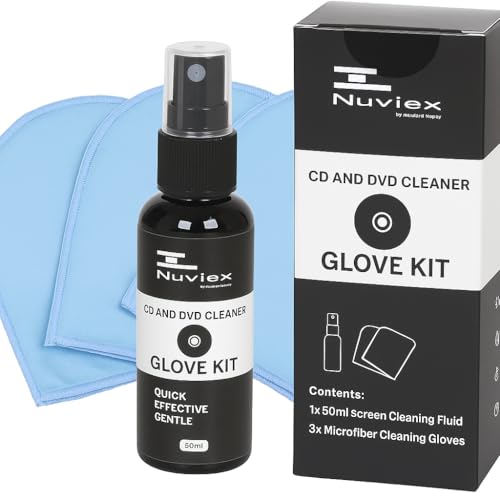
– Microfiber Cloths: These are ideal for cleaning as they are gentle and less likely to leave lint or scratches on the negatives.
– pH-Balanced Cleaning Solution: Look for a cleaning solution specifically designed for photographic film that is pH-balanced. Avoid household cleaners, as they may contain harsh chemicals that can harm your negatives.
– Distilled Water: If you need to dilute your cleaning solution or create a rinse, use distilled water to prevent mineral deposits.
Having these materials on hand will ensure that you are fully prepared to clean your photo negatives effectively while minimizing the risk of damage.
Cleaning Techniques for Negatives

When it comes to cleaning your photo negatives, following the proper techniques is vital:
1. Dust Removal: Begin by using your soft brush or air blower to gently remove any dust or loose debris from the surface of the negatives. Work in a clean, dust-free environment to prevent new particles from settling on the film.
2. Cleaning Process: Next, dampen a microfiber cloth with your pH-balanced cleaning solution. Make sure the cloth is not soaking wet; it should only be slightly damp to avoid excess moisture coming into contact with the film. Lightly wipe the negatives from the center outward, applying minimal pressure to avoid scratching.
3. Stubborn Marks: For stubborn spots, consider using a cotton swab lightly moistened with the cleaning solution. This allows for more precision in cleaning without risking the entire negative.
4. Final Rinse (if needed): If your cleaning solution requires rinsing, use distilled water. Lightly rinse the negatives by holding them under running distilled water (not soaking) and gently moving them to remove any remaining solution.
By applying these techniques, you can effectively clean your photo negatives while ensuring their longevity.
Common Types of Photo Negatives and Recommended Cleaning Methods
| # | Type of Negative | Recommended Method | Cautions |
|---|---|---|---|
| 1 | Black and White | Soft Brush & Microfiber Cloth | Less prone to damage |
| 2 | Color Negative | Microfiber Cloth with Cleaning Solution | Avoid excess pressure |
| 3 | Slide Film | Air Blower & Microfiber Cloth | Handle with extreme care |
| 4 | Instant Film | Gentle Wipe with Cloth | Avoid moisture exposure |
| 5 | Developed Negatives | Soft Brush & Light Damp Cloth | Ensure they are dry |
| 6 | Unprocessed Negatives | Avoid Cleaning | Can be damaged by any liquid |
| 7 | Expired Film | Gentle Handling Only | Highly fragile |
Drying Your Negatives
Once you have completed the cleaning process, it is crucial to dry your negatives properly to prevent water spots or further damage:
– Air Drying: Allow the negatives to air dry completely in a dust-free environment. Hang them using clips or lay them flat on a clean, dry surface. Ensure that they are completely dry before storing them.
– Avoid Heat Sources: Do not use hairdryers or other heat sources, as high temperatures can warp the film or cause the emulsion to separate from the base.
Proper drying is as important as the cleaning process itself, as residual moisture can lead to mold or mildew, which could ruin your negatives.
Storing Cleaned Negatives
After cleaning and drying your photo negatives, proper storage is essential to maintain their condition:
– Archival-Quality Sleeves: Use archival-quality sleeves or boxes designed specifically for photographic materials. These will protect your negatives from dust, light, and physical damage.
– Cool, Dry Environment: Store your negatives in a cool, dry place. Avoid areas with high humidity or temperature fluctuations, as these can lead to deterioration over time.
– Organized System: Consider organizing your negatives chronologically or by subject matter to make them easier to locate in the future. This will also help minimize handling, reducing the risk of damage.
By ensuring your negatives are stored correctly, you can prolong their lifespan and preserve your treasured memories.
Common Mistakes to Avoid
While cleaning photo negatives, it is essential to avoid common pitfalls that can lead to damage:
– Using Abrasive Materials: Never use paper towels, rough fabrics, or any abrasive materials, as they can scratch the film surface. Stick with microfiber cloths and soft brushes.
– Household Cleaners: Avoid using household cleaners that are not specifically formulated for photographic materials. These can contain chemicals that may react adversely with the film.
– Excessive Pressure: Apply minimal pressure when cleaning to prevent scratching or damaging the emulsion layer.
Being aware of these common mistakes will help you preserve the integrity of your photo negatives during the cleaning process.
When to Seek Professional Help
In some cases, cleaning your photo negatives may require professional assistance:
– Heavily Soiled Negatives: If your negatives are heavily soiled or stained, it may be best to consult a professional conservator. They have access to specialized tools and cleaning solutions that are not available to the average consumer.
– Damaged Negatives: If you notice any signs of physical damage, such as tears or significant scratches, a professional can help restore them without risking further harm.
– Irreplaceable Memories: For very old or irreplaceable negatives, it’s prudent to seek expert help. Professionals can often employ advanced techniques to ensure that your photographs are preserved for future generations.
Seeking professional assistance can provide peace of mind, especially when dealing with invaluable memories captured on film.
Cleaning photo negatives can greatly enhance their longevity and clarity. By following the proper techniques and using the right materials, you can ensure your treasured memories are well-preserved. Take the time to care for your negatives, and consider sharing your results or experiences with fellow photography enthusiasts.
Frequently Asked Questions
What is the best method to clean old photo negatives?
The best method to clean old photo negatives involves using a lint-free microfiber cloth and a specialized film cleaner or a diluted solution of distilled water and isopropyl alcohol. Gently wipe the surface of the negatives with the cloth to remove dust and fingerprints, ensuring you do not apply too much pressure to avoid scratching.
How can I safely remove dust from my photo negatives?
To safely remove dust from photo negatives, use a can of compressed air to blow away loose particles or a soft brush designed for cleaning film. Avoid using your fingers or rough cloths, as these can leave oils or scratches on the delicate surface of the negatives.
Why is it important to clean photo negatives before scanning?
Cleaning photo negatives before scanning is crucial because dust, fingerprints, and smudges can lead to poor-quality scans, affecting image clarity and detail. Properly cleaned negatives help ensure that the scanned images are sharp and free of unwanted artifacts, making your digital preservation efforts more effective.
Which cleaning solutions are safe for photo negatives?
Safe cleaning solutions for photo negatives include a mixture of distilled water and a small amount of isopropyl alcohol, or commercial film cleaning solutions specifically designed for photographic materials. Always test any solution on a small area first to ensure it does not damage the film.
What should I avoid when cleaning my photo negatives?
When cleaning your photo negatives, avoid using paper towels, tissues, or any abrasive materials that can scratch the film. Additionally, refrain from using household cleaners, as they may contain chemicals that can harm the emulsion layer of the negatives.
References
- https://www.archives.gov/preservation/cleaning-film
https://www.archives.gov/preservation/cleaning-film - Museums & Collections (U.S. National Park Service)
https://www.nps.gov/museum/publications/conserveogram/cons_toc.html - https://www.sciencedirect.com/science/article/pii/S2351978917300459
https://www.sciencedirect.com/science/article/pii/S2351978917300459 - https://www.nytimes.com/2022/05/23/style/photo-negatives.html
https://www.nytimes.com/2022/05/23/style/photo-negatives.html - https://www.theguardian.com/artanddesign/2021/jul/15/how-to-preserve-old-photos-and-negatives
https://www.theguardian.com/artanddesign/2021/jul/15/how-to-preserve-old-photos-and-negatives - History of photography | History, Inventions, Artists, & Facts | Britannica
https://www.britannica.com/art/photography - Google Scholar Google Scholar
https://scholar.google.com/scholar?q=cleaning+photo+negatives - Google Scholar Google Scholar
https://scholar.google.com/scholar?q=preserving+film+negatives - Google Scholar Google Scholar
https://scholar.google.com/scholar?q=film+negative+cleaning+methods - Google Scholar Google Scholar
https://scholar.google.com/scholar?q=how+to+clean+photo+negatives
