

Cleaning pleated cloth blinds is a straightforward process that can restore their original beauty and functionality. To effectively clean them, you can use a combination of dusting, spot cleaning, and deeper washing techniques. This article will guide you through the best methods to ensure your pleated cloth blinds stay fresh and vibrant.



Dusting the Blinds

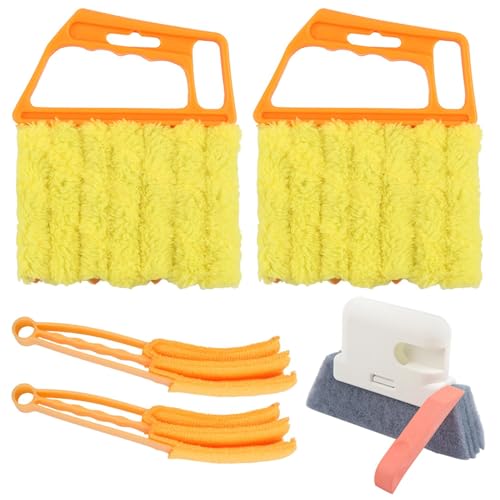
Dusting pleated cloth blinds is the first step in keeping them clean. Regular dusting helps prevent the accumulation of dirt and allergens. To dust your blinds effectively, use a soft feather duster or a microfiber cloth. These tools are gentle on the fabric and effective in capturing dust without causing damage.
Start from the top of the blinds and work your way down. This method prevents dirt from falling onto areas you have already cleaned. If your blinds are particularly dusty, it may be beneficial to close them slightly to expose more surface area. For those hard-to-reach spots, consider using a vacuum cleaner with a brush nozzle attachment, which can help dislodge dust particles that may be clinging to the fabric.
Implementing a regular dusting routine, ideally every few weeks, can significantly enhance the longevity and appearance of your pleated cloth blinds.
Spot Cleaning Stains


Accidents happen, and stains on pleated cloth blinds can be a common issue. It’s crucial to address any stains promptly to prevent them from setting. Begin by identifying the type of stain and treating it with a mild detergent solution. A simple mixture of warm water and a few drops of dish soap can often suffice for most marks.
Before applying the solution to the stain, it’s wise to test it on a small, inconspicuous area of the fabric. This ensures that the cleaning solution won’t alter the color or damage the fabric. Once you confirm it is safe, use a clean cloth to dab the stained area gently, working from the outer edges toward the center to avoid spreading the stain.
For tougher stains, consider using a fabric-specific cleaner recommended for delicate materials. Always follow the manufacturer’s instructions to avoid damaging the blinds.
Deep Cleaning Techniques

If your pleated cloth blinds are heavily soiled, a more thorough cleaning approach may be necessary. One effective method involves submerging the blinds in a bath of warm water mixed with a mild detergent. Start by carefully removing the blinds from their brackets to prevent any accidental damage.
Fill a bathtub or large basin with warm water and add a suitable detergent. Gently agitate the water to mix the detergent evenly. Next, submerge the blinds and allow them to soak for about 15-20 minutes. During this time, you can use a soft sponge or cloth to gently scrub any particularly dirty areas.
After soaking, rinse the blinds thoroughly with clean water to remove any soap residue. It’s essential to ensure all detergent is washed away, as lingering soap can attract more dirt. Finally, hang the blinds to air dry fully, avoiding direct sunlight which could fade the fabric.
Top Cleaning Techniques for Pleated Cloth Blinds
| # | Method | Effectiveness | Time Required | Frequency |
|---|---|---|---|---|
| 1 | Dusting | High | 5 min | Every 2 weeks |
| 2 | Spot Cleaning | Medium | 10 min | As needed |
| 3 | Deep Cleaning | Very High | 30 min | Every 6 months |
| 4 | Vacuuming | Medium | 7 min | Every month |
| 5 | Professional Cleaning | High | Varies | Yearly |
| 6 | Use of Fabric Protector | Medium | 5 min | As needed |
Using a Vacuum Cleaner
A vacuum cleaner can be a valuable tool in the cleaning arsenal for pleated cloth blinds. When dusting alone isn’t enough, using a vacuum with a brush nozzle attachment can help remove embedded dirt and allergens. The brush nozzle allows for gentle suction that is effective without being abrasive on the fabric.
To use the vacuum cleaner, first, lower the blinds slightly to expose more fabric. Begin at the top and work your way down, moving the nozzle along the pleats. Ensure you’re not pressing too hard against the fabric to avoid damage. This method not only removes dust but also helps in maintaining the shape and pleating of the fabric.
Incorporating vacuuming into your cleaning routine can significantly reduce allergens in your home while prolonging the lifespan of your blinds.
Maintenance Tips
Regular maintenance is key to keeping pleated cloth blinds looking their best. Here are several tips to ensure longevity and cleanliness:
1. Regular Dusting: As mentioned, dusting every few weeks is essential for preventing buildup. Consider setting a reminder to ensure you stay on top of this task.
2. Fabric Protectants: Applying a fabric protectant can help repel stains and dirt. This not only makes the blinds easier to clean but can also enhance their appearance over time.
3. Avoid Direct Sunlight: Prolonged exposure to direct sunlight can fade the fabric. If possible, rotate your blinds or use UV-protective window films to mitigate this issue.
4. Prompt Stain Treatment: Addressing stains as soon as they occur can prevent them from setting, making your cleaning efforts much more effective.
5. Professional Cleaning: If your blinds are heavily soiled or have stubborn stains, don’t hesitate to seek professional help. Regular professional cleaning can extend the lifespan of your pleated cloth blinds significantly.
When to Seek Professional Help
While many cleaning tasks can be handled at home, there are instances when professional help is warranted. If your pleated cloth blinds have stubborn or extensive stains that don’t respond to home cleaning methods, it may be time to consult a professional cleaner. These experts have specialized equipment and cleaning solutions that can effectively address challenging issues without damaging your blinds.
Additionally, consider seeking professional cleaning services on a regular basis, perhaps once a year. This can help maintain the cleanliness and condition of your blinds, ensuring they remain looking fresh and vibrant for years to come.
Effectiveness of Cleaning Methods for Pleated Cloth Blinds
By following these methods, you can effectively clean and maintain your pleated cloth blinds, ensuring they remain a stylish and functional part of your home decor.
Cleaning pleated cloth blinds may seem daunting, but with the right techniques and regular maintenance, you can keep them looking their best. From simple dusting to deep cleaning and professional services, each method plays a vital role in preserving the beauty and functionality of your blinds. By implementing these practices, you’ll not only enhance the appearance of your blinds but also improve the overall ambiance of your living space. So, try these methods and enjoy the renewed look of your pleated cloth blinds.
Frequently Asked Questions
How do I clean pleated cloth blinds without damaging them?
To clean pleated cloth blinds, start by gently dusting them with a soft microfiber cloth or a vacuum cleaner with a brush attachment. For deeper cleaning, mix a solution of mild detergent and water, dampen a cloth in it, and gently wipe the fabric in the direction of the pleats. Avoid soaking the blinds to prevent damage.
What is the best way to remove stains from pleated cloth blinds?
The best way to remove stains from pleated cloth blinds is to first identify the type of stain. For light stains, a mixture of warm water and mild soap can be applied with a soft cloth. For tougher stains, consider using a fabric-safe stain remover, testing it on a small, inconspicuous area first to ensure it doesn’t affect the color or texture.
Why do pleated cloth blinds attract dust, and how can I minimize this?
Pleated cloth blinds attract dust due to their fabric texture, which can hold onto particles more than harder surfaces. To minimize dust accumulation, regularly dust your blinds with a microfiber cloth or use a vacuum with a soft brush attachment. Additionally, consider placing them in areas with less foot traffic or using an air purifier to reduce airborne particles.
Which cleaning solution is safe for pleated cloth blinds?
A safe cleaning solution for pleated cloth blinds consists of a mixture of lukewarm water and a few drops of mild liquid dish soap. Always avoid harsh chemicals or bleach, as these can damage the fabric. After applying the solution, rinse with a clean damp cloth to remove any soap residue.
How often should I clean my pleated cloth blinds?
It is recommended to clean your pleated cloth blinds at least once every three to six months to prevent dust buildup and maintain their appearance. However, if you live in a dusty environment or have allergies, you may want to clean them more frequently. Regular light dusting can also help keep them looking fresh between deep cleans.
References
- https://www.mayoclinic.org/healthy-lifestyle/cleaning/in-depth/cleaning-your-home/art-20045568
https://www.mayoclinic.org/healthy-lifestyle/cleaning/in-depth/cleaning-your-home/art-20045568 - https://www.hgtv.com/how-to/how-to-clean-blinds-and-shades
https://www.hgtv.com/how-to/how-to-clean-blinds-and-shades - https://www.britannica.com/technology/blind-window
https://www.britannica.com/technology/blind-window - Google Scholar Google Scholar
https://scholar.google.com/scholar?q=cleaning+pleated+cloth+blinds - Google Scholar Google Scholar
https://scholar.google.com/scholar?q=how+to+clean+window+blinds - Google Scholar Google Scholar
https://scholar.google.com/scholar?q=cleaning+methods+for+pleated+blinds - Google Scholar Google Scholar
https://scholar.google.com/scholar?q=how+to+clean+pleated+cloth+blinds - how to clean pleated cloth blinds – Search results
https://en.wikipedia.org/wiki/Special:Search?search=how+to+clean+pleated+cloth+blinds - https://www.ncbi.nlm.nih.gov/search/research-articles/?term=how+to+clean+pleated+cloth+blinds
https://www.ncbi.nlm.nih.gov/search/research-articles/?term=how+to+clean+pleated+cloth+blinds
