How to Clean Pontoon Boat Pontoons: A Step-by-Step Guide
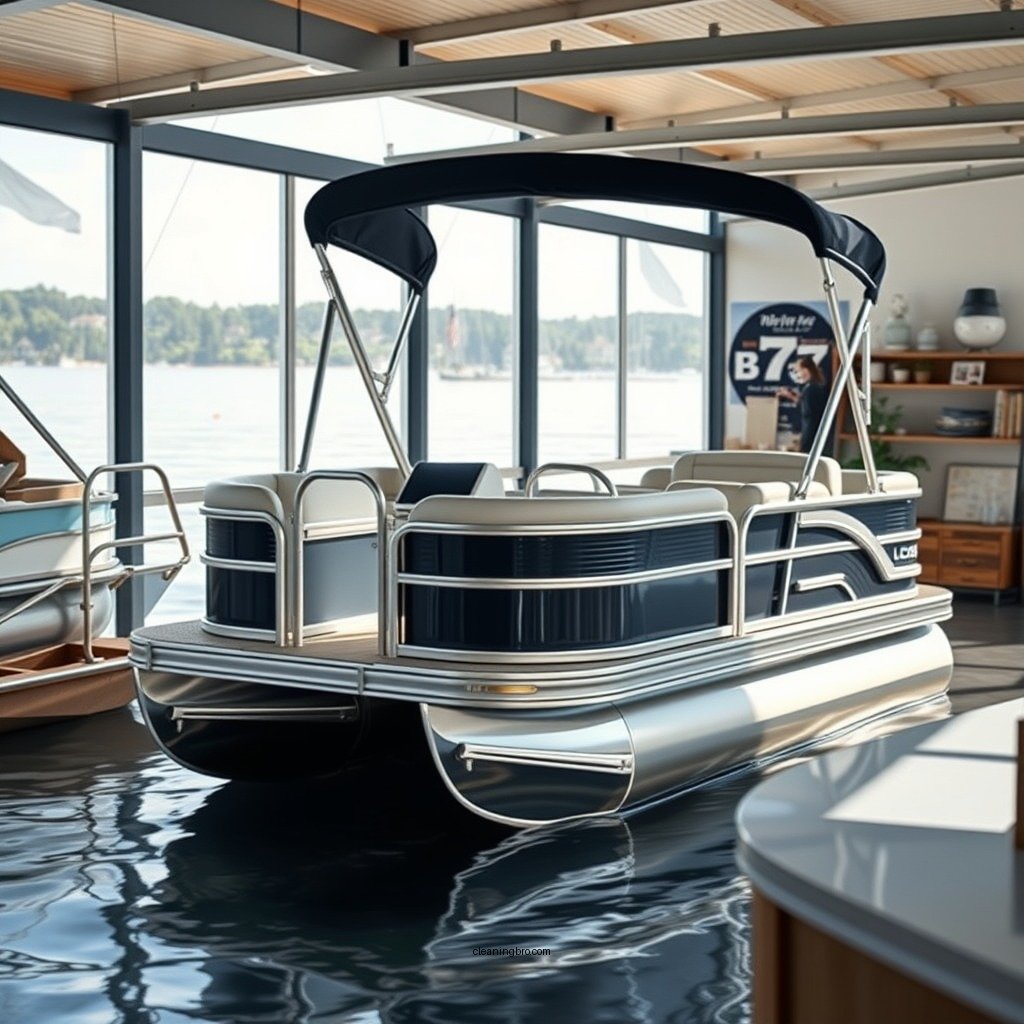
Cleaning the pontoons of your pontoon boat is essential for maintaining its appearance and performance. A well-maintained pontoon not only enhances the aesthetic appeal of your vessel but also ensures optimal performance on the water. In this guide, we will provide a systematic approach to effectively clean your pontoons, removing dirt, algae, and stains while ensuring they look great and function well.
Gather Your Cleaning Supplies
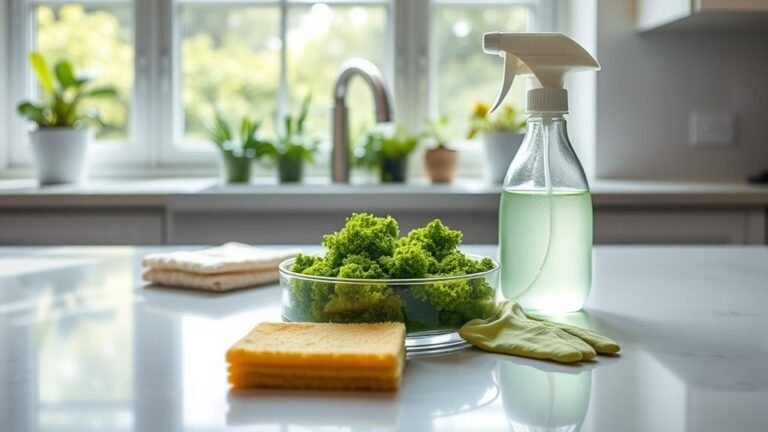
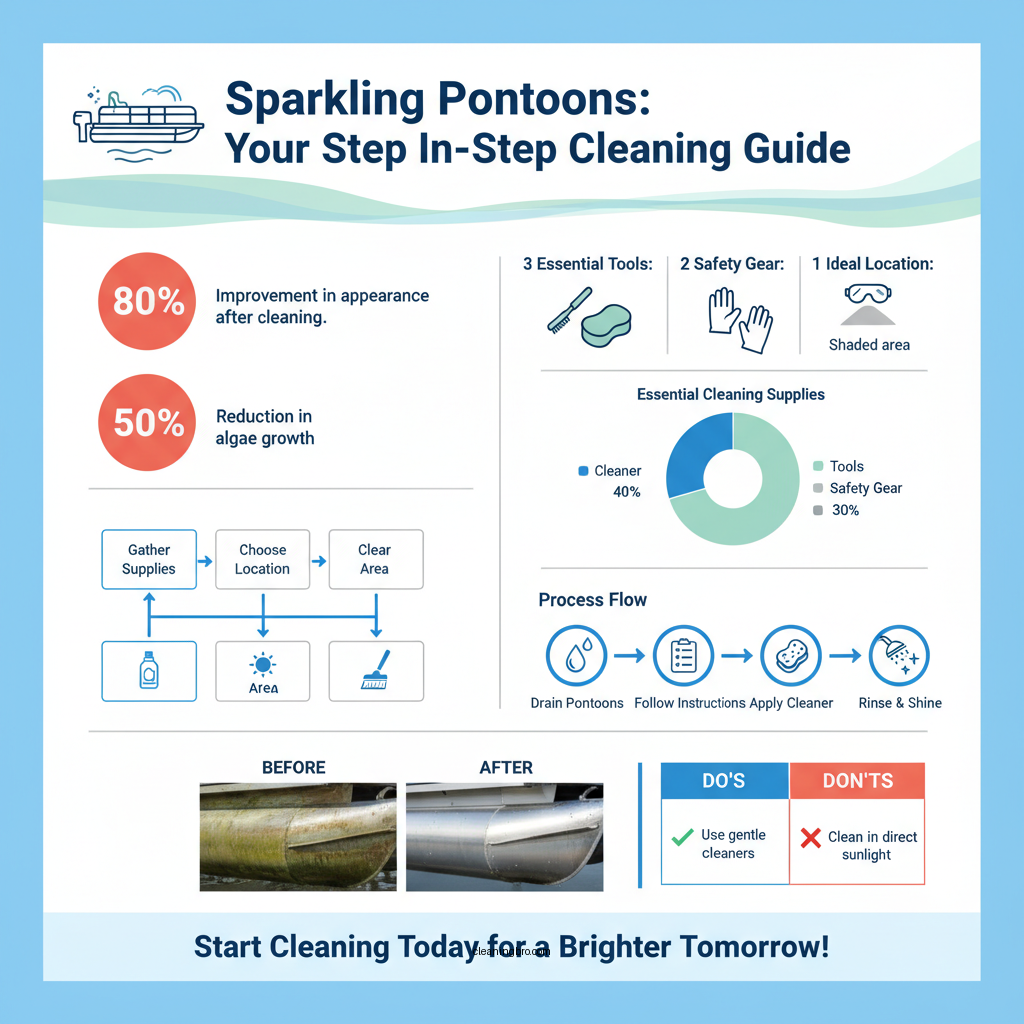
To start, it’s imperative to have the right cleaning supplies on hand. Selecting an appropriate cleaner is crucial; opt for a specialized pontoon cleaner designed for aluminum surfaces, or a mild soap solution that won’t damage the surface finish. Here’s a list of essential items you should collect:
– Pontoon Cleaner: Choose a specialized cleaner or a gentle soap solution.
– Scrubbing Tools: Gather soft-bristle brushes, sponges, and microfiber cloths. These tools are effective for scrubbing without scratching the surface.
– Rinsing Supplies: Have a bucket and hose available for rinsing off the cleaner thoroughly.
– Protective Gear: Safety should always come first. Wear gloves and goggles to protect your skin and eyes from chemicals.
Having these supplies ready will streamline the cleaning process and ensure you can work efficiently.
Prepare the Area for Cleaning
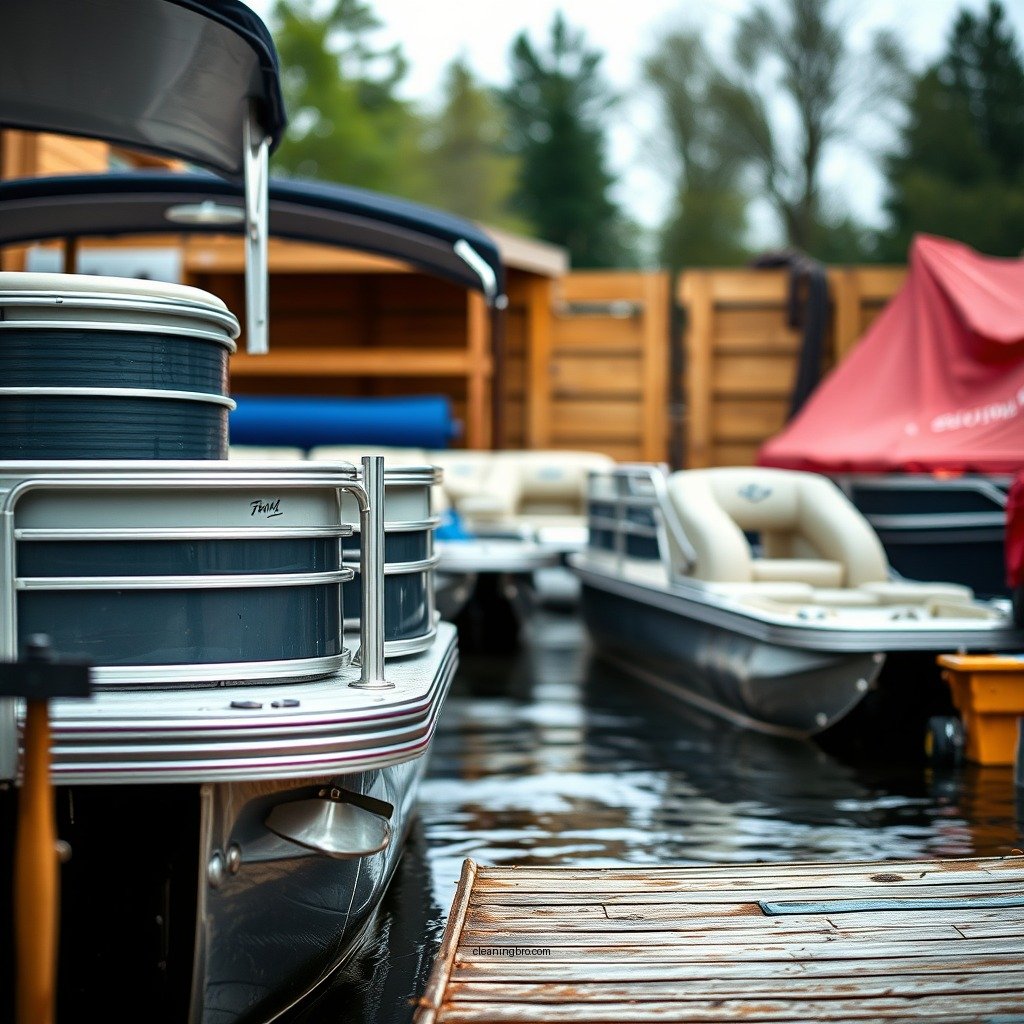
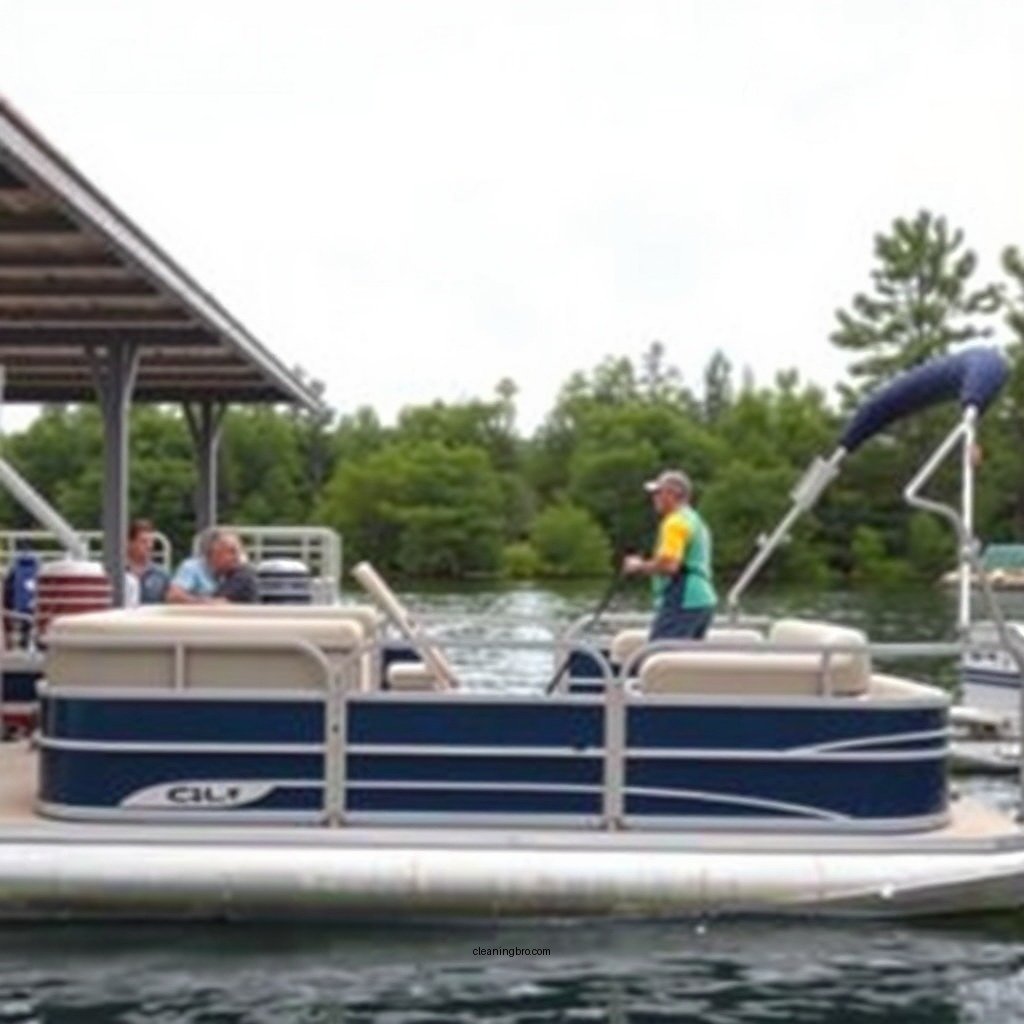
Before you start cleaning, it’s important to prepare the area effectively. Choose a well-ventilated space or a dock with easy access to fresh water. Here are some key considerations:
– Location: Position your boat in a place where you can easily access water for rinsing. Avoid cleaning in direct sunlight, as this can cause cleaning solutions to dry too quickly and leave streaks.
– Safety First: Clear the area of any debris or obstacles to minimize the risk of accidents. This includes removing any items that could potentially fall or get in the way during the cleaning process.
– Drain the Pontoons: If possible, drain any water from the pontoons. This will make it easier to clean and prevent muddy water from interfering with the cleaning solutions.
By preparing the area properly, you can ensure a more efficient and safe cleaning experience.
Apply the Cleaner
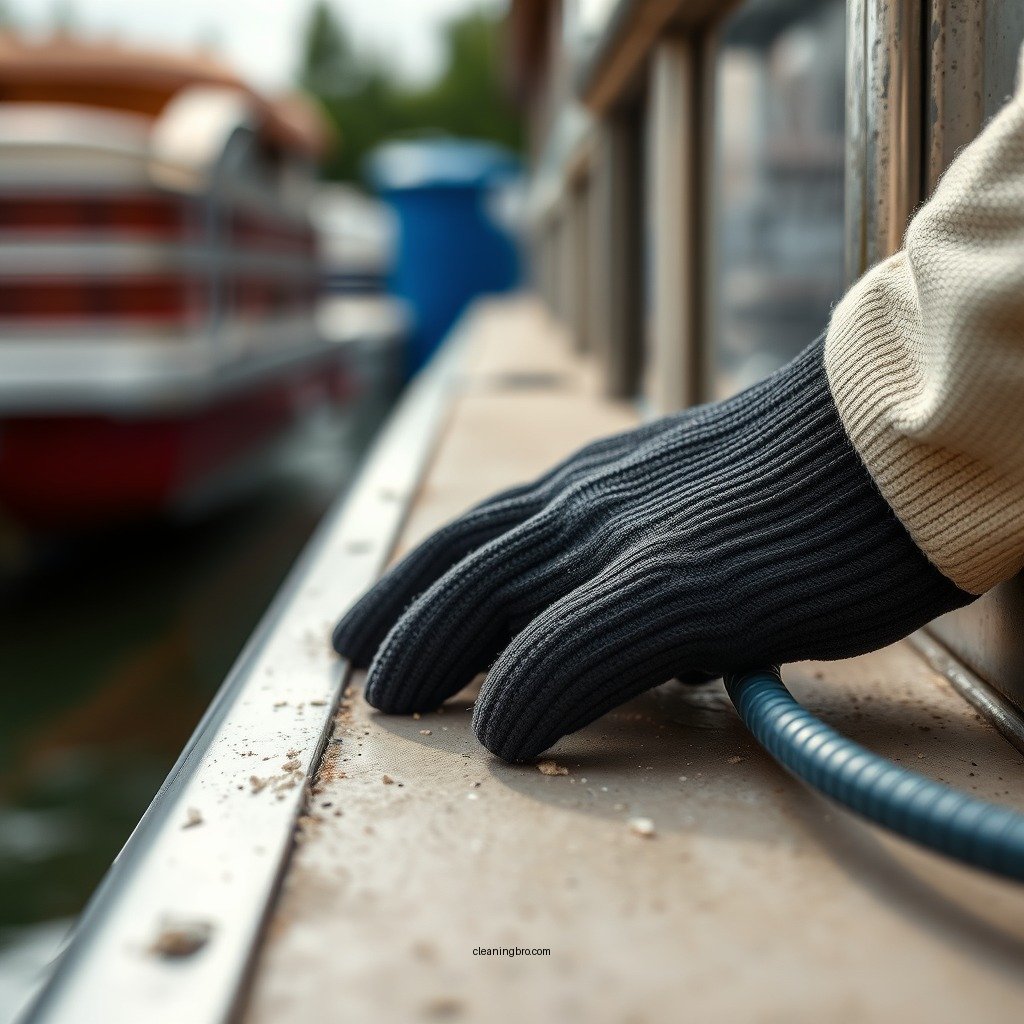
With your supplies gathered and the area prepared, it’s time to apply the cleaner. Follow these steps for effective application:
– Read Instructions: Always consult the product instructions for specific guidelines on application. Different cleaners may have varying requirements for dilution or application methods.
– Even Application: Use a sponge or brush to apply the cleaner evenly across the pontoons. Focus on areas with heavy staining or algae buildup, as they may require more attention.
– Dwell Time: Allow the cleaner to sit for the recommended amount of time as specified on the label. This waiting period is crucial for breaking down grime effectively and ensuring a thorough clean.
Proper application of the cleaner sets the foundation for an effective cleaning process.
Top 7 Pontoon Cleaners for Effective Maintenance (2023)
| # | Cleaner Brand | Type | Application Method | Effectiveness |
|---|---|---|---|---|
| 1 | Star Brite | Aluminum Cleaner | Spray | Highly Effective |
| 2 | Millennium | Multi-Surface | Wipe | Effective |
| 3 | Star brite Non-Skid | Non-Slip Cleaner | Scrub | Highly Effective |
| 4 | Yamaha | Heavy Duty | Spray | Effective |
| 5 | 3M Marine | Aluminum Cleaner | Scrub | Moderately Effective |
| 6 | Boat Bling | All-in-One | Spray | Highly Effective |
| 7 | Meguiar’s | Detailer | Wipe | Effective |
Scrub the Pontoons
After applying the cleaner and allowing it to sit, it’s time to scrub the pontoons. This step is crucial for effectively removing stubborn stains and dirt buildup:
– Scrubbing Technique: Use a soft-bristle brush to scrub the pontoons in a circular motion. This technique is effective in loosening dirt without scratching the surface. For any stubborn spots, apply slightly more pressure while scrubbing.
– Rinse the Brush: Make sure to rinse your brush frequently to prevent spreading dirt around. This will ensure that you are effectively removing grime instead of just redistributing it.
– Focus on Grooves and Seams: Pay particular attention to any grooves, seams, and other areas where dirt tends to accumulate. These spots often require extra effort to clean thoroughly.
By following these scrubbing techniques, you can ensure that your pontoons are cleaned effectively, enhancing both their appearance and functionality.
Rinse Thoroughly
Once you’ve scrubbed the pontoons, it’s important to rinse thoroughly:
– Rinsing Process: Use a hose to rinse off all cleaning solutions. Ensure that no residue is left behind as this can cause discoloration and damage over time.
– Inspect for Remaining Stains: After rinsing, inspect the pontoons closely for any remaining stains or dirt. If necessary, repeat the cleaning process on any problem areas.
– Consider Power Washing: For particularly tough stains, a power washer can be an effective tool. However, use it with caution to avoid damaging the surface of the pontoons. Maintain a safe distance and use a wide spray pattern.
Thorough rinsing is essential to ensure that all cleaning agents are removed and to maintain the integrity of the pontoon material.
Power Washing vs Manual Scrubbing vs Chemical Cleaning
| Feature | ⭐ Power Washing | Manual Scrubbing | Chemical Cleaning |
|---|---|---|---|
| Effectiveness | Highly Effective | Moderately Effective | Effective |
| Ease of Use | Requires Equipment | Easy | Requires Safety Measures |
| Time Required | Short | Long | Varies |
| Cost | Equipment Cost | Low | Chemical Cost |
| Surface Safety | May Damage | Safe | Safe |
| Environmental Impact | Varies | Low | Potential High |
| Skill Required | Moderate | Basic | Moderate |
| Best For | Heavy Residue | General Maintenance | Stain Removal |
| 🏆 Verdict | Best for Quick Cleaning | Best for Regular Maintenance | Best for Heavy Stains |
Dry and Inspect
After rinsing, it’s crucial to dry the pontoons properly and conduct a thorough inspection:
– Air Dry: Allow the pontoons to air dry completely. This step prevents water spots and further buildup of dirt and grime.
– Inspect for Damage: While the pontoons are drying, take the opportunity to inspect them for any signs of damage or wear, such as dents, corrosion, or paint chipping. Addressing these issues early can save you from more extensive repairs down the line.
– Protective Coating: If desired, apply a protective coating specifically designed for aluminum surfaces. This can help maintain shine and prevent future stains, making future cleaning easier.
This final step ensures that your pontoons remain in optimal condition, extending their lifespan and enhancing their visual appeal.
Regularly cleaning your pontoon boat’s pontoons will not only keep them looking pristine but also enhance their longevity. Following the steps outlined in this guide will ensure that your pontoons are well-maintained and ready for your next outing on the water. Start today to give your boat the care it deserves! Don’t hesitate to reach out for professional help if needed, especially for tougher cleaning jobs. Proper maintenance is crucial for enjoying your time on the water and ensuring your pontoon boat remains a source of pleasure for years to come.
Frequently Asked Questions
What are the best cleaning products for pontoon boat pontoons?
The best cleaning products for pontoon boat pontoons include biodegradable boat cleaners and specialty aluminum cleaners designed to remove oxidation and stains. Look for non-toxic options that are safe for aquatic environments, such as marine-grade soap and specific aluminum restoration products, to maintain the integrity of your boat while ensuring effective cleaning.
How often should I clean my pontoon boat pontoons?
You should clean your pontoon boat pontoons at least once a month during the boating season to prevent buildup of algae, dirt, and grime. For boats that are frequently used in murky waters or saltwater, more regular maintenance may be necessary to ensure optimal performance and appearance.
Why is it important to clean pontoon boat pontoons regularly?
Regular cleaning of pontoon boat pontoons is essential to prevent corrosion and enhance the boat’s longevity. Accumulated dirt, algae, and mineral deposits can lead to structural damage and decreased performance, making routine maintenance vital for keeping your boat in top condition.
Which tools do I need to effectively clean my pontoon boat pontoons?
To effectively clean your pontoon boat pontoons, you will need a soft-bristle brush, a bucket, and a high-pressure water hose. Additionally, consider using a sponge or a microfiber cloth for detailed areas and a marine-grade cleaner specific for aluminum surfaces to ensure a thorough clean without damaging the pontoons.
How can I remove tough stains from my pontoon boat pontoons?
To remove tough stains from pontoon boat pontoons, start by applying a specialized aluminum cleaner that targets oxidation and stains. For exceptionally stubborn stains, you may need to use a fine-grit sandpaper or a polishing compound, but always follow up with a protective coating to maintain shine and prevent future stains.
References
- https://www.boats.com/how-to/how-to-clean-pontoon-boat-pontoons/
https://www.boats.com/how-to/how-to-clean-pontoon-boat-pontoons/ - Google Scholar Google Scholar
https://scholar.google.com/scholar?q=cleaning+pontoon+boats - Google Scholar Google Scholar
https://scholar.google.com/scholar?q=pontoon+boat+maintenance - Google Scholar Google Scholar
https://scholar.google.com/scholar?q=cleaning+methods+for+pontoons - https://www.pontoonsonline.com/how-to-clean-your-pontoon-boat/
https://www.pontoonsonline.com/how-to-clean-your-pontoon-boat/ - Meet the dog who survived a blizzard and a wildfire to reunite with its owner
https://www.nbcnews.com/news/us-news/pontoon-boat-captain-charged-accidentally-drowning-2-girls-rcna12345 - https://www.fisheries.noaa.gov/feature-story/boat-cleaning-tips-prevent-invasive-species
https://www.fisheries.noaa.gov/feature-story/boat-cleaning-tips-prevent-invasive-species - https://www.sciencedirect.com/science/article/pii/S2352146517300300
https://www.sciencedirect.com/science/article/pii/S2352146517300300 - Google Scholar Google Scholar
https://scholar.google.com/scholar?q=how+to+clean+pontoon+boat+pontoons - how to clean pontoon boat pontoons – Search results
https://en.wikipedia.org/wiki/Special:Search?search=how+to+clean+pontoon+boat+pontoons