

To effectively clean pontoon tubes, start by using a mild soap solution along with a soft-bristle brush to remove dirt and grime without scratching the surface. Regular maintenance not only enhances the appearance of your tubes but also extends their lifespan. In this article, you’ll learn the best techniques, tools, and tips for keeping your pontoon tubes in pristine condition.
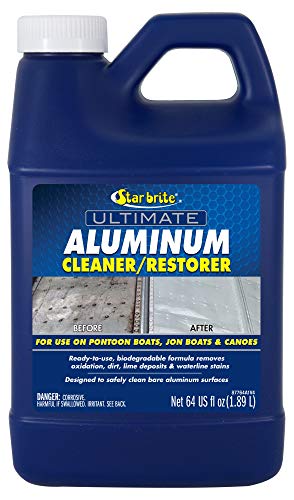

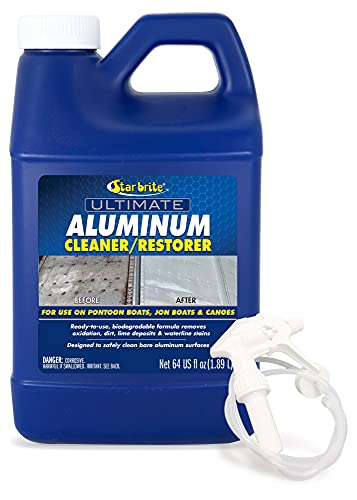

Gather Necessary Supplies

Before diving into the cleaning process, it’s crucial to gather all the necessary supplies. Proper preparation ensures a more efficient and effective cleaning session. Here’s a list of items you’ll need:
– Mild soap or specialized boat cleaner: Choose a product that is specifically formulated for marine use, as these cleaners are designed to effectively remove grime without damaging the aluminum or vinyl surfaces of your pontoon.
– Soft-bristle brush or sponge: The brush should have soft bristles to avoid scratching the surface of the tubes while still being effective in lifting dirt and stains.
– Buckets and hose for rinsing: A hose with a spray nozzle allows for an easy rinse-off of soap and debris, while buckets can be used to mix your cleaning solution.
Having these supplies on hand will streamline your cleaning process and help ensure that your pontoon tubes look their best.
Prepare the Area


Preparing the area is an often overlooked but essential step in the cleaning process. Here’s how to set up effectively:
– Choose a shaded area to avoid direct sunlight: Cleaning in direct sunlight can cause soap and water to dry too quickly, potentially leaving streaks on your tubes. A shaded area will give you more time to scrub and rinse without worrying about residue.
– Ensure the pontoon is securely docked or on a stable trailer: Safety is paramount. Before starting, make sure your pontoon is anchored securely to prevent it from moving while you clean. If it is on a trailer, ensure the trailer is stable and locked into place.
By ensuring your area is well-prepared, you set the stage for a thorough and effective cleaning experience.
Cleaning the Tubes

Now that you have your supplies and area ready, it’s time to clean the pontoon tubes:
– Apply the soap solution generously to the tubes: Start by mixing your mild soap with water in a bucket, following the manufacturer’s instructions for dilution. Use a sponge or soft-bristle brush to apply the solution liberally to the tubes, ensuring that you cover all areas, especially spots that are heavily soiled.
– Scrub gently with the soft-bristle brush to avoid damage: Use gentle, circular motions to scrub the tubes. Pay particular attention to areas with stubborn stains or algae buildup. Avoid using excessive force, as this can scratch or damage the aluminum surface of the tubes.
This step is crucial for restoring the luster of your pontoon tubes and preparing them for a thorough rinse.
Top 7 Pontoon Tube Cleaners (2024)
| # | Cleaner Brand | Type | Price | Effectiveness |
|---|---|---|---|---|
| 1 | Star Brite | Liquid | $19.99 | ★★★★☆ |
| 2 | 3M Marine | Spray | $15.99 | ★★★★★ |
| 3 | Meguiar’s | Liquid | $17.49 | ★★★★☆ |
| 4 | Star Brite Vinyl Cleaner | Spray | $13.99 | ★★★★★ |
| 5 | 303 Marine | Liquid | $21.49 | ★★★★☆ |
| 6 | Star Brite Boat Wash | Liquid | $12.99 | ★★★★☆ |
| 7 | Rejex | Liquid | $24.99 | ★★★★★ |
Rinse Thoroughly
After scrubbing the tubes, it’s essential to rinse them thoroughly to remove all soap and dirt:
– Use a hose with a spray nozzle to rinse off all soap: Start at the top of the tubes and work your way down, ensuring that all soap is washed away. Pay attention to corners and crevices where soap might cling.
– Ensure no residue is left behind to prevent streaks: Inspect the tubes after rinsing to ensure there are no soap streaks or spots. If necessary, go over areas that may need additional rinsing.
A thorough rinse will help maintain the clean appearance of your pontoon tubes and prevent any buildup of soap residue.
Inspect for Damage
Cleaning is also an excellent opportunity to inspect your pontoon tubes for any damage:
– Check for scratches, dents, or corrosion after cleaning: Use a cloth to wipe the tubes down and look closely for any imperfections. The cleaning process can often reveal hidden damage that needs attention.
– Address any issues promptly to maintain integrity: If you notice scratches, consider using touch-up paint or a sealant specifically designed for aluminum. For corrosion, consult a marine professional to assess the damage and recommend appropriate repairs.
Regular inspections not only help maintain the aesthetic appeal of your pontoon but also ensure its structural integrity.
Apply Protective Coating
Once your pontoon tubes are clean and inspected, consider applying a protective coating to enhance their longevity:
– Consider using a UV protectant specifically designed for pontoons: Many marine products offer UV protection, which can safeguard the aluminum from sun damage and oxidation.
– Reapply every few months to ensure lasting protection: Regular application of a protective coating will help maintain the shine and integrity of your pontoon tubes, extending their lifespan.
Incorporating a protective coating into your maintenance routine can save you time and money in the long run by preventing more significant damage.
Maintenance Tips
To keep your pontoon tubes in top shape, consider the following maintenance tips:
– Clean your pontoon tubes regularly, ideally after each use: Regular cleaning helps prevent the buildup of algae, dirt, and grime, making future cleanings easier.
– Avoid using harsh chemicals or abrasive materials that can damage the surface: Always opt for products that are safe for marine use and specifically designed for aluminum or vinyl surfaces.
By following these tips, you can maintain the appearance and functionality of your pontoon tubes, ensuring they remain a source of pride and enjoyment for years to come.
Maintaining clean pontoon tubes is essential for both aesthetics and longevity. By following these steps, you can keep your pontoon looking great and functioning well. For best results, incorporate regular cleaning into your boating routine and address any damage as soon as it occurs.
Frequently Asked Questions
What are the best methods to clean pontoon tubes effectively?
The best methods to clean pontoon tubes include using a mixture of water and mild soap, along with a soft-bristle brush to scrub away dirt and grime. For tougher stains, a specialized marine cleaner or a mixture of vinegar and baking soda can be effective. Always rinse thoroughly with fresh water to prevent any residue from damaging the aluminum.
How often should I clean my pontoon tubes to maintain their condition?
It’s recommended to clean your pontoon tubes at least once a month during the boating season, especially if they are exposed to saltwater or muddy environments. Regular cleaning not only keeps the tubes looking good but also prevents oxidation and buildup of harmful substances that could compromise the integrity of the aluminum.
Why is it important to clean the underside of pontoon tubes?
Cleaning the underside of pontoon tubes is crucial because it prevents the accumulation of algae, barnacles, and other marine growth that can affect performance and fuel efficiency. Regular cleaning helps maintain the overall health of the boat and can prolong the lifespan of the pontoon tubes by reducing corrosion.
Which cleaning products are safe to use on pontoon tubes?
Safe cleaning products for pontoon tubes include biodegradable marine cleaners, mild dish soap, and natural options like vinegar. Avoid using harsh chemicals or abrasive materials that can scratch or damage the aluminum surface. Always check the manufacturer’s recommendations for specific cleaning products suitable for your pontoon.
What tools do I need to clean pontoon tubes properly?
To clean pontoon tubes properly, you will need a soft-bristle brush, a bucket, a hose for rinsing, and possibly a marine cleaner or a homemade solution of vinegar and baking soda. Additionally, wearing gloves can protect your hands from any harsh cleaners, and using a sponge can help reach tight spots effectively.
References
- Pontoon
https://en.wikipedia.org/wiki/Pontoon - Pontoon | novel by Keillor | Britannica
https://www.britannica.com/topic/pontoon - Google Scholar Google Scholar
https://scholar.google.com/scholar?q=how+to+clean+pontoon+tubes - Google Scholar Google Scholar
https://scholar.google.com/scholar?q=pontoon+boat+maintenance - Google Scholar Google Scholar
https://scholar.google.com/scholar?q=pontoon+tube+cleaning+techniques - https://www.extension.umn.edu/garden/yard-garden/landscaping/cleaning-your-boat/
https://www.extension.umn.edu/garden/yard-garden/landscaping/cleaning-your-boat/ - https://www.purdue.edu/hla/sites/boating/boat-maintenance-cleaning/
https://www.purdue.edu/hla/sites/boating/boat-maintenance-cleaning/ - https://www.boats.com/how-to/cleaning-your-boat/
https://www.boats.com/how-to/cleaning-your-boat/ - how to clean pontoon tubes – Search results
https://en.wikipedia.org/wiki/Special:Search?search=how+to+clean+pontoon+tubes - https://www.ncbi.nlm.nih.gov/search/research-articles/?term=how+to+clean+pontoon+tubes
https://www.ncbi.nlm.nih.gov/search/research-articles/?term=how+to+clean+pontoon+tubes
