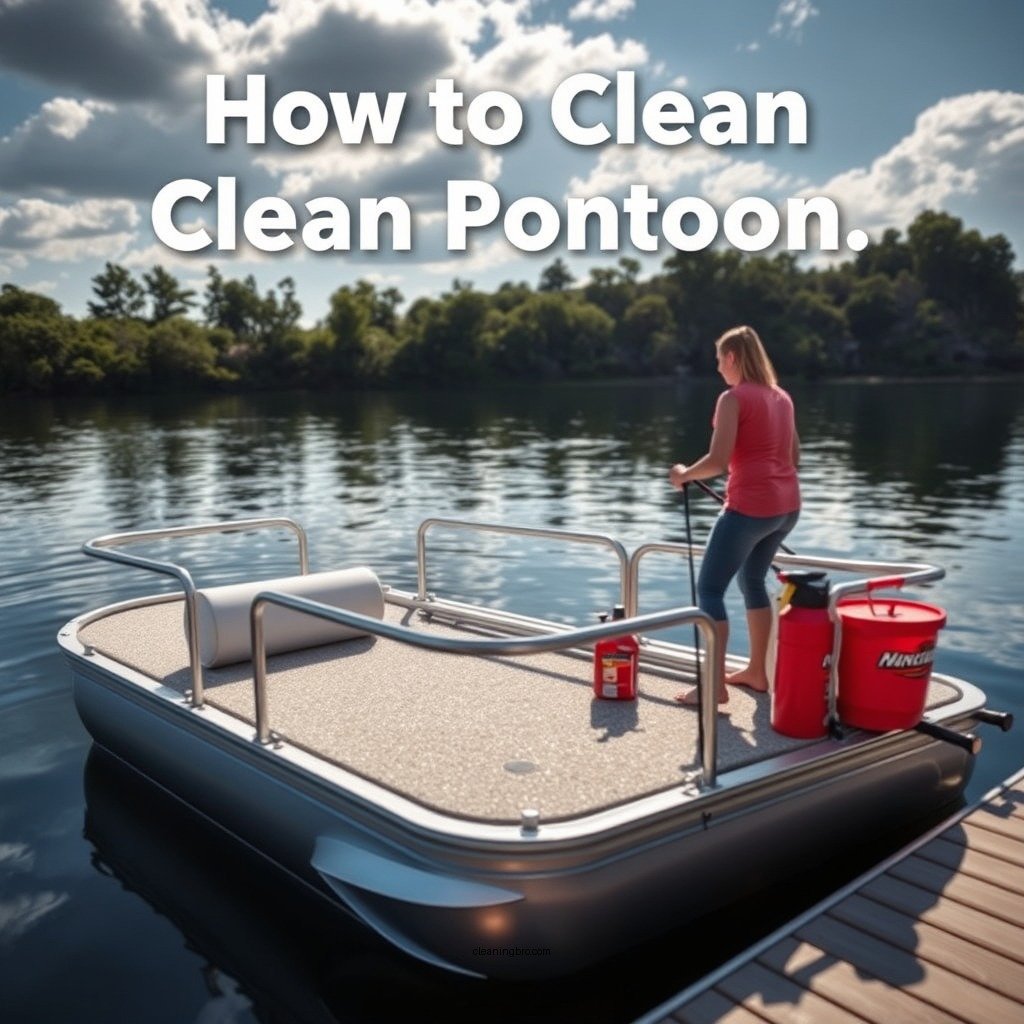
How to Clean Pontoons: A Step-by-Step Guide
Cleaning pontoons is essential for maintaining their performance and appearance, and it can be done effectively with the right approach. In this guide, you will learn the best methods and tips for cleaning your pontoons, ensuring they remain in top condition and free from algae, dirt, and stains.
Understanding the Importance of Cleaning Pontoons
Regular cleaning prevents long-term damage and deterioration. Pontoons are exposed to various environmental elements, including water, sunlight, and debris, which can lead to algae growth, corrosion, and discoloration. By routinely cleaning your pontoons, you safeguard against these issues, which can significantly reduce the lifespan of your vessel.
Clean pontoons enhance the boat’s overall performance and fuel efficiency. When pontoons are dirty or covered in algae, they create drag in the water, making your boat work harder to move. This not only affects its speed but also increases fuel consumption. A well-maintained pontoon, free from grime and buildup, allows for smoother navigation and an overall more enjoyable boating experience.
Tools and Supplies Needed for Cleaning
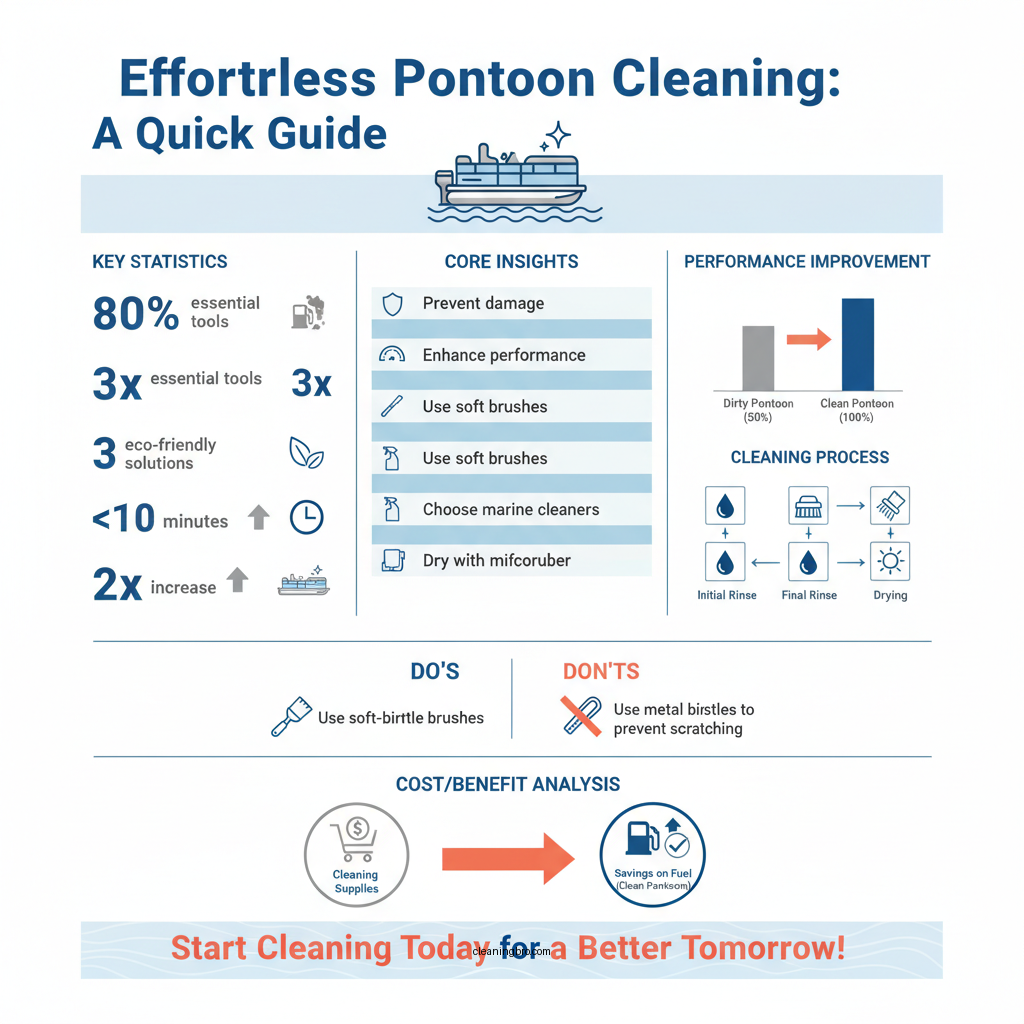
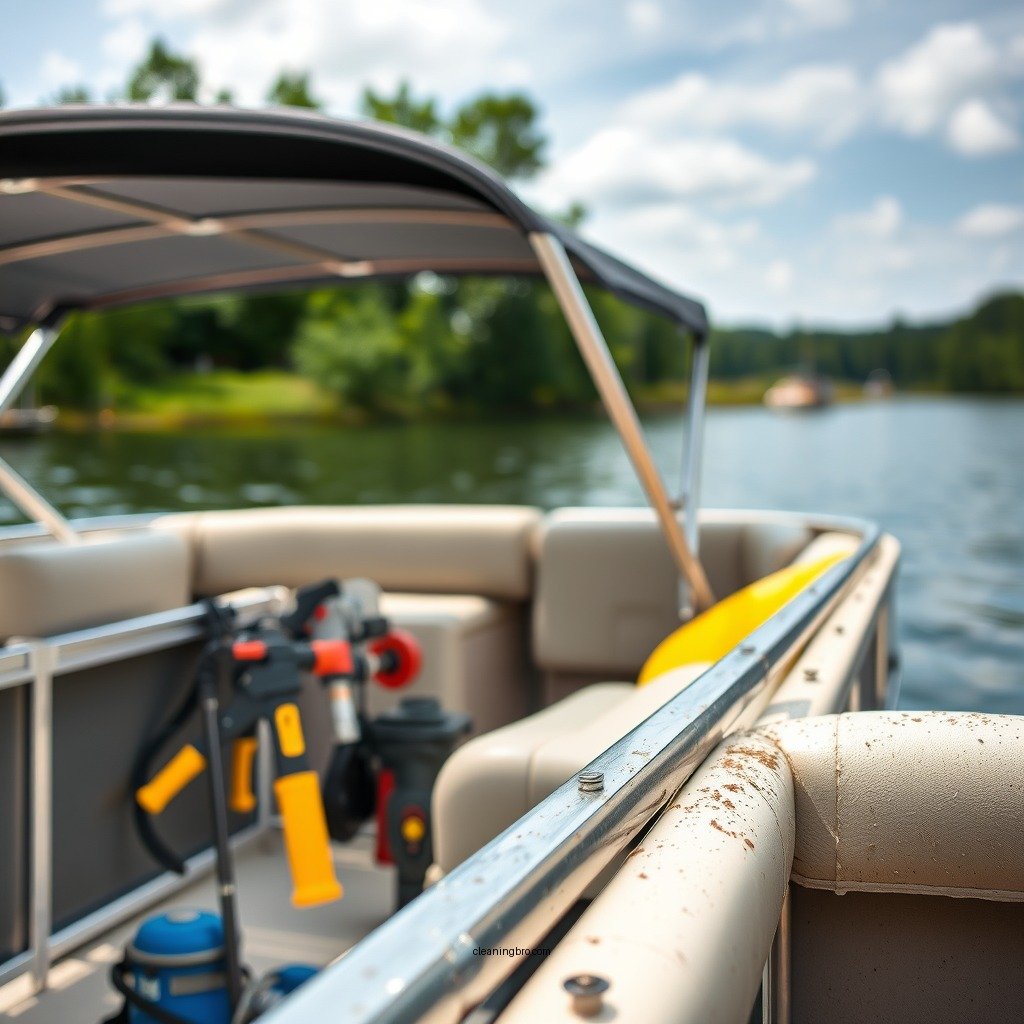
Before embarking on your cleaning journey, ensure you have the right tools and supplies. Here’s a comprehensive list of what you’ll need:
– Soft-bristle brush (avoid metal bristles to prevent scratching)
– Scrubbing pad (non-abrasive)
– Hose with a spray nozzle
– Bucket
– Sponge or microfiber cloth
– Recommended Cleaning Solutions:
– Marine-specific cleaners (designed to break down algae and stains)
– Bleach alternatives (such as vinegar or baking soda for eco-friendliness)
– Boat soap (gentle on surfaces yet effective in removing grime)
Having these items ready will streamline your cleaning process, making it efficient and thorough.
Step-by-Step Cleaning Process
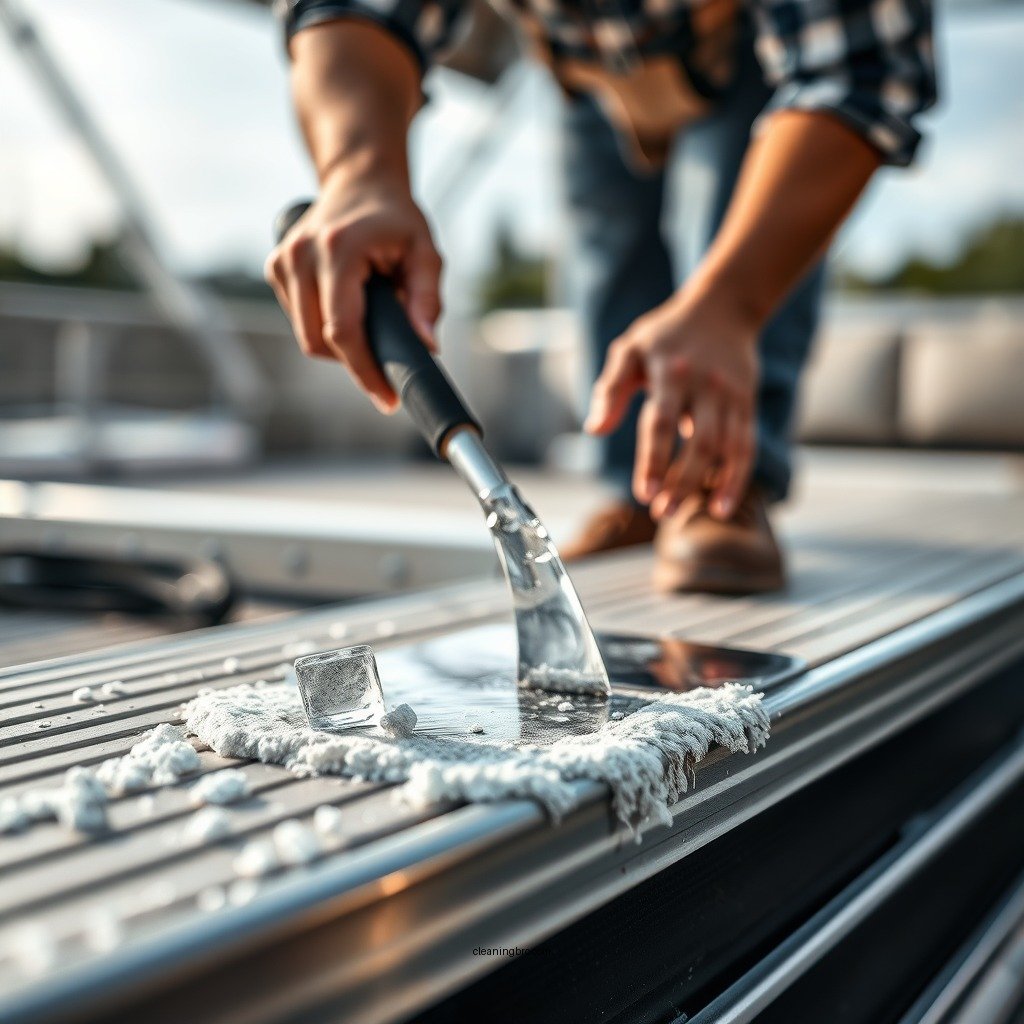
1. Initial Rinsing: Start by using a hose to rinse off any loose debris and dirt from the pontoons. This step helps to prevent scratching the surface during the scrubbing process.
2. Detailed Scrubbing Techniques:
– Apply your marine-specific cleaner to the pontoon surfaces, focusing on areas with visible stains or algae growth.
– Using a soft-bristle brush, scrub the pontoons in a circular motion. Pay special attention to the seams and crevices where grime tends to accumulate.
– For stubborn stains, allow the cleaner to sit for a few minutes before scrubbing to give it time to penetrate the grime.
3. Final Rinse: After scrubbing, rinse the pontoons thoroughly with fresh water to remove any residual cleaner or debris.
4. Drying: Use a microfiber cloth to dry the pontoons and prevent water spots.
Top 7 Marine Cleaners for Pontoons (2023)
| # | Cleaner Brand | Type | Eco-friendly | Price |
|---|---|---|---|---|
| 1 | Star Brite | Liquid | Yes | $24.99 |
| 2 | Marine 31 | Gel | No | $29.99 |
| 3 | Star Brite Hull Cleaner | Liquid | Yes | $21.99 |
| 4 | 3M Marine Cleaner | Aerosol | Yes | $16.99 |
| 5 | Star Brite Deck Cleaner | Liquid | Yes | $27.99 |
| 6 | Boat Juice | Spray | Yes | $19.99 |
| 7 | Rejex | Liquid | Yes | $32.99 |
Tips for Removing Stubborn Stains
Even with regular cleaning, stubborn stains such as rust or heavy algae growth can be particularly challenging. Here are some effective strategies to tackle these issues:
– Use Specialized Cleaners: For tough stains, consider using specialized marine cleaners. These products are formulated to penetrate and break down hard-to-remove substances effectively.
– Test Products First: Before applying any cleaner to a large area, always test it on a small, inconspicuous part of the pontoon. This precaution ensures that the product won’t damage the surface or finish.
– Homemade Solutions: For a more eco-friendly approach, consider making your own cleaning solutions with vinegar or baking soda, both of which can effectively combat stains without harming the environment.
Maintenance Tips to Keep Pontoons Clean Longer
Post-use maintenance plays a crucial role in keeping your pontoons clean and extending the time between deep cleaning sessions. Here are some best practices:
– Rinse After Use: After each outing, rinse your pontoons with fresh water to remove salt, dirt, and debris. This quick action can prevent buildup and staining.
– Cover Your Pontoons: When not in use, consider using a cover for your pontoons. This protects them from UV rays and environmental contaminants, reducing the need for frequent cleanings.
– Regular Inspection: Schedule regular inspections to look for any signs of wear, corrosion, or dirt accumulation. Early detection can save you time and effort in the long run.
Environmental Considerations
When cleaning your pontoons, it is essential to consider the environmental impact of the products you use. Opt for eco-friendly cleaners that won’t harm aquatic ecosystems. Additionally, be mindful of how you dispose of waste and runoff.
– Choose Eco-Friendly Products: Select cleaning solutions that are biodegradable and free from harmful chemicals. This choice not only protects the environment but also ensures the safety of marine life.
– Proper Waste Disposal: Make sure to dispose of any waste and runoff properly to prevent contamination of local waterways. Avoid washing your pontoons in areas where runoff can flow directly into lakes or rivers.
When to Seek Professional Help
While regular cleaning can often be managed by boat owners, certain signs may indicate that it’s time to seek professional cleaning services:
– Significant Staining or Damage: If you notice extensive staining, corrosion, or other damage that you cannot remove with standard cleaning methods, consider hiring a professional.
– Time Constraints: If you find that cleaning your pontoons is too time-consuming or challenging, professional services can save you time and ensure a thorough job.
– Benefits of Professional Help: Professionals have access to specialized equipment and cleaners that can effectively restore your pontoons to their original condition, ensuring they look great and perform optimally.
Keeping your pontoons clean not only extends their life but also enhances your boating experience. By following the outlined steps and tips, you can ensure your pontoons remain in pristine condition. Don’t wait—grab your supplies and get started on your pontoon cleaning today!
Frequently Asked Questions
How do you effectively clean algae off pontoons?
To effectively clean algae off pontoons, start by scrubbing the affected areas with a soft-bristle brush and a mixture of water and mild detergent. For stubborn algae, consider using a dedicated marine cleaner that is safe for aluminum surfaces. Rinse thoroughly with fresh water to prevent any residue from damaging the pontoon’s finish.
What is the best way to remove stains from pontoons?
The best way to remove stains from pontoons is to use a specialized aluminum cleaner or a mixture of baking soda and vinegar. Apply the cleaner to the stained area, let it sit for a few minutes, and then scrub with a non-abrasive pad. Rinse well to ensure all cleaning agents are washed away, leaving your pontoons looking pristine.
Why is regular cleaning important for pontoons?
Regular cleaning is important for pontoons because it prevents the buildup of dirt, algae, and other contaminants that can lead to corrosion and damage over time. Keeping your pontoons clean not only enhances their appearance but also prolongs their lifespan and maintains their performance in the water. Additionally, regular maintenance can improve safety and reduce the risk of slips and accidents.
Which products are recommended for cleaning pontoons?
Recommended products for cleaning pontoons include marine-grade aluminum cleaners, biodegradable boat soaps, and specialized stain removers. Look for products specifically designed for marine use that are safe for aluminum and environmentally friendly. Always read the labels to ensure compatibility with your pontoon’s materials and follow the manufacturer’s instructions for best results.
How often should you clean your pontoons?
You should clean your pontoons at least once a month during the boating season, and more frequently if they are exposed to heavy algae growth or staining. After each use, especially in saltwater or muddy conditions, rinsing them with fresh water can also help minimize buildup. Regular cleaning helps maintain the aesthetic and structural integrity of your pontoons.
References
- Pontoon | novel by Keillor | Britannica
https://www.britannica.com/technology/pontoon - https://www.sciencedirect.com/topics/agricultural-and-biological-sciences/pontoon
https://www.sciencedirect.com/topics/agricultural-and-biological-sciences/pontoon - https://www.nws.noaa.gov/om/education/boating.htm
https://www.nws.noaa.gov/om/education/boating.htm - https://www.extension.purdue.edu/extmedia/ID/ID-410-W.pdf
https://www.extension.purdue.edu/extmedia/ID/ID-410-W.pdf - Homepage | National Sea Grant College Program – NOAA Sea Grant
https://www.seagrant.noaa.gov/clean-boats/ - Google Scholar Google Scholar
https://scholar.google.com/scholar?q=how+to+clean+pontoons - Google Scholar Google Scholar
https://scholar.google.com/scholar?q=pontoon+boat+maintenance - Google Scholar Google Scholar
https://scholar.google.com/scholar?q=boat+cleaning+techniques - Google Scholar Google Scholar
https://scholar.google.com/scholar?q=how+do+you+clean+pontoons - how do you clean pontoons – Search results
https://en.wikipedia.org/wiki/Special:Search?search=how+do+you+clean+pontoons