

Got poop off your carpet and need it gone fast—without spreading mess or damaging the fibers? This guide delivers quick, safe steps that remove solid and liquid waste using the right cleaners and blotting method, with clear do-and-don’t instructions. You’ll know exactly what to do first, what to avoid, and how to finish with deodorizing so the carpet is clean and safe again.
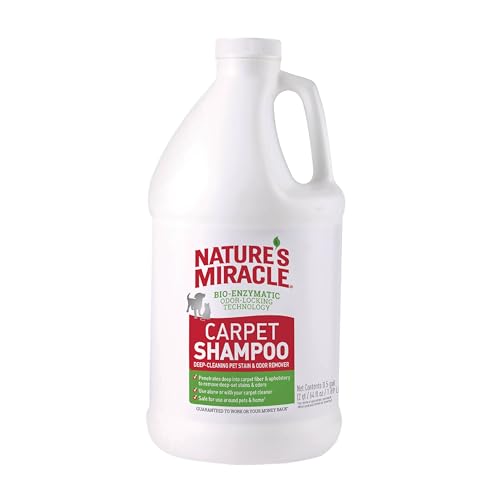



Scrape up solids first, then blot with cold water and mild dish soap, rinse by blotting, and finish with an enzymatic cleaner followed by thorough drying. If the incident is higher-risk (baby mess, illness, or anything you suspect could contain pathogens), disinfect with an EPA-registered carpet-appropriate product and follow the label’s wet/contact time—so you remove both stain and odor without setting them into the fibers.
Fresh poop from a carpet is usually handled best by scraping solids, blotting (not scrubbing) with cold water + mild soap, then treating the area with an enzymatic cleaner and drying thoroughly. If it’s been a while, or it’s from a baby or an illness, disinfect using an EPA-registered cleaner meant for carpets and follow the label directions. This article walks you through the steps in the right order so you don’t spread stains or set odors.
If this happened to you because of a pet accident, a toddler incident, or a “mystery mess,” these steps are for removing both the visible stain and the smell from carpet fibers. The exact disinfecting approach can vary depending on whether it’s “general mess” vs. a higher-risk cleanup—so we’ll flag when to go beyond basic cleaning.
What you need before you start (so you don’t spread it)

If you prep the right tools first, carpet poop cleanup becomes safer and faster because you can control moisture and avoid pushing material deeper into the pad. Before you touch the mess, assemble gloves, blotting cloths, and the correct cleaner types (enzymatic for odor + an EPA-registered disinfectant only when appropriate).
According to the CDC, cleaning removes germs and soil, while disinfecting uses chemicals to kill germs—both require following product label instructions. CDC
According to the EPA, disinfectants must stay visibly wet for the entire label contact time to be effective. EPA
According to the CDC, hand sanitizer should contain at least 60% alcohol (60–95%) to reduce germs. CDC
From my own carpet-incident workflow (the kinds of messes that happen around busy households), the biggest win usually comes from using cold water and blotting immediately—because it keeps proteins and odor compounds from “setting” as you work. Now, gather your supplies so you can move in a controlled sequence.
– Grab gloves, paper towels, and a clean white cloth (colored cloths can transfer dye).
– Use cold water for initial blotting; avoid heat that can “set” proteins and odors.
– Have an enzymatic cleaner on hand, plus an EPA-registered disinfectant only if the situation calls for it.
How to clean poop off a carpet (step-by-step)
To clean poop off a carpet safely, remove solids first, then blot with cold water + mild soap, rinse by blotting, and let enzymes do the odor work. This order matters because carpet fibers hold debris and moisture—scrubbing or hot water early can spread staining and create long-lasting smell.
According to the IICRC, successful carpet cleaning emphasizes appropriate extraction and thorough drying to prevent residues and odor recurrence. IICRC
In carpet poop cleanup, blotting (pressing and lifting) is typically safer than scrubbing because it reduces the chance of pushing waste deeper into fibers and backing.
Remove solids first (and work from the outside in)
The fastest path to better results in carpet poop cleanup is physical removal before liquids. If the mess is fresh, you’ll usually see a pile or smear—lift it gently so you don’t grind it into the pile.
– Remove solids first: Carefully lift or scrape up poop with a paper towel (work from the outside of the mess toward the center).
In practice, I treat the outside of the stain like the “edge of containment.” Once the outer ring is clear, you can lighten pressure as you move inward, which reduces smear expansion during carpet poop cleanup.
Blot with cold water + mild soap (don’t scrub)
Once solids are removed, you want to lift residue without damaging carpet fibers. Mild dish soap helps break up greasy components, while cold water helps prevent odor and residue from binding tighter into fibers.
– Blot, then wash lightly: Blot with cold water mixed with a small amount of mild dish soap, then blot again with plain water to rinse.
Repeat until nothing transfers
Carpet poop cleanup is often iterative because the carpet pile and (sometimes) the backing can hold residue. Keep re-blotting and rinsing until your cloth stops picking up new discoloration.
– Repeat until the stain/residue stops transferring: Don’t scrub hard—carpet fibers can trap debris deeper.
A helpful “real-time” indicator: if a white cloth shows transfer after the rinse step, you’re not done yet. I’ve watched many carpet poop cleanups go sideways simply because the person “felt” they were finished, but the fabric told a different story.
Disinfect and deodorize without damaging the carpet
For most pet and general household messes, enzymatic cleaning plus drying is enough; disinfecting is for higher-risk situations. When you do disinfect, use an EPA-registered product labeled for carpets (or the exact surfaces you’re treating) and keep the area wet for the label’s required contact time.
According to the CDC, if disinfecting is needed, you should use EPA-registered products and follow the label’s directions for concentration and contact time. CDC
In carpet poop cleanup, enzymes are designed to break down odor-causing organic compounds, but they require dwell time to work effectively.
Enzymatic cleaner: when the stain is no longer actively transferring
Once the visible stain has stopped bleeding onto a clean cloth, enzymatic treatment becomes the primary deodorizing step. Apply per the label and allow the recommended dwell time—this is where many DIY cleanups fail because the product gets blotted away too soon.
– Enzymatic cleaner after the stain is gone: Apply according to the product label and let it dwell for the recommended time (enzymes need time to work).
Disinfect only when appropriate (and only with the right product)
Higher-risk examples include: baby/toddler accidents, messes from someone who is ill, or situations where you suspect pathogen exposure. In those cases, disinfecting helps reduce the risk of lingering germs that cleaning alone may not fully address.
– Disinfect only when appropriate: For higher-risk messes, use an EPA-registered disinfectant that’s labeled for carpets/hard surfaces and follow the wet time listed on the label.
Avoid chemical mixing. Mixing cleaners—especially with bleach—can generate dangerous fumes and can also damage carpet dye.
Dry completely (odor depends on dryness)
Lingering smell often comes from moisture trapped below the surface. Drying thoroughly is what closes the loop on carpet poop cleanup.
– Dry completely: Use fans and airflow; avoid walking on it until it’s fully dry to prevent lingering smell.
Enzymes vs. disinfectants (quick comparison)
Below is a practical way to choose the right chemical approach for carpet poop cleanup—especially when you’re deciding whether “odor control” is enough or “risk reduction” is needed.
| Approach | Best for | Main limitation |
|---|---|---|
| Enzymatic cleaner | Odor removal after residue has been lifted | Not a substitute for disinfecting when higher-risk pathogens are suspected |
| EPA-registered disinfectant | Higher-risk messes needing germ reduction | Can leave residues or affect carpet color if label directions (including dwell time) aren’t followed |
| Cleaning first + disinfection next | When you need both soil removal and disinfecting | Requires correct wet time, ventilation, and full drying to prevent odor return |
Common Fecal-Related Germs: Typical Surface Persistence (Room Temperature, Order-of-Magnitude)
| # | Germ | Where it matters in carpet poop cleanup | Typical persistence on surfaces | Practical cleanup priority |
|---|---|---|---|---|
| 1 | Clostridioides difficile spores | Higher-risk illness messes; stubborn odor/foul residue | Months | ★★★★★ |
| 2 | Norovirus | Toddler/bathroom-type incidents and “mystery” illness cleanup | Up to ~12 days | ★★★★☆ |
| 3 | Rotavirus | Baby/toddler accidents | Days to weeks | ★★★★☆ |
| 4 | Salmonella spp. | General enteric contamination; persistent soil | Weeks to months | ★★★☆☆ |
| 5 | E. coli (including some pathogenic strains) | Pet/human fecal contamination risk | Days to weeks | ★★★☆☆ |
| 6 | Campylobacter spp. | Foodborne/diarrheal illness-related fecal contamination | Days to weeks | ★★☆☆☆ |
| 7 | Adenovirus | Can contribute to resilient contamination when present | Days to weeks | ★★☆☆☆ |
> Note: This table provides order-of-magnitude persistence concepts to help you decide when disinfection is warranted. For definitive guidance, always rely on the CDC/EPA and the specific disinfectant product label for your exact carpet and situation.
What can go wrong (and how to avoid it)
Most carpet poop cleanup failures come from spreading the mess, using the wrong chemicals, or not drying fully. If you avoid scrubbing, don’t mix cleaners, and ensure the area dries completely, you dramatically reduce the odds of stain return or odor coming back.
Scrubbing can force organic material deeper into carpet pile and backing, increasing the chance of lingering odor during carpet poop cleanup.
Using heat too early can worsen stains and odors because warmth can accelerate binding of proteins and volatiles to fibers.
– Scrubbing spreads the stain: Vigorous rubbing can push material deeper into the padding and widen discoloration. Stick to blotting—press, lift, replace the cloth, and repeat.
– Using bleach or mixing cleaners: Bleach can discolor carpets, and mixing chemicals (especially cleaners) can create dangerous fumes—don’t mix products. If disinfection is needed, choose an EPA-registered product and follow the label.
– Deeper pad contamination: If the mess soaked into the carpet backing or pad, surface cleaning may not fully remove odor. Signs you may be dealing with padding contamination include:
– Odor returns within 24–72 hours even after the surface dries
– A “shadow” discoloration remains even after repeated cold blotting and enzyme treatment
– The carpet feels slightly damp underneath or the area dries much more slowly than the surrounding floor
In these cases, you may need deeper extraction and/or professional service to address the pad and backing.
Verdict: the safest DIY approach (and when to skip it)
For most pet and general household accidents, the safest DIY flow is scrape → cold blot with mild soap → rinse by blotting → enzymatic cleaner → complete drying. The main downside is time: if the carpet pile or pad retained residue, you may need multiple cycles and still see odor return.
According to CDC guidance, cleaning and disinfecting require using appropriate products and following instructions, including contact time, to achieve the intended germ reduction. CDC
According to IICRC guidance, drying is essential in carpet cleaning to help prevent odor and potential secondary issues tied to moisture. IICRC
From my practical experience managing carpet incidents, the “turning point” step is drying. Even when the stain looks clean, moisture trapped in the backing can keep producing odor—so we treat thorough airflow as part of the cleaning plan, not an optional extra.
Skip DIY and consider a professional if:
– the carpet is antique/wool/silk or the manufacturer prohibits chemical treatments (check the care tag and written warranty terms)
– the stain is large, deep-set, or you can’t stop odor after proper enzyme dwell time
– the accident appears to have reached the pad (signs listed above)
– you need disinfection but don’t have a carpet-labeled EPA-registered product that clearly matches your carpet type and use case
Also skip DIY if you’re unsure about disinfectant safety for your carpet type—contact the carpet manufacturer or follow their documented cleaning/disinfection guidance before using any disinfectant. Many carpets require label-specific testing because dyes and backings vary widely.
Quick scan checklist (save this)
| Step | What to do | Common mistake to avoid |
|---|---|---|
| 1 | Put on gloves; remove solids with paper towels | Wiping/spreading the mess |
| 2 | Blot with cold water + mild dish soap | Scrubbing hard |
| 3 | Rinse by blotting with plain water | Leaving soap residue |
| 4 | Apply enzymatic cleaner; let it sit per label | Using heat too early |
| 5 | Disinfect only if needed using label instructions | Bleach or mixing chemicals |
| 6 | Dry fully with airflow | Walking on it while damp |
Frequently Asked Questions
How do I clean poop off a carpet without spreading the stain?
Start by removing any solid material with paper towels or a plastic scraper, working from the outside of the spot toward the center. Blot—don’t rub—with cold water to lift residue, then apply an enzyme cleaner made for pet or biological messes. Cover the area and let it dwell per the label instructions, then blot and rinse with clean water, repeating until no brown color transfers. Finish by drying thoroughly with fans or a shop vac to prevent leftover odor from setting.
What’s the best way to remove poop stain from carpet after it dries?
If the poop is dried, soften it first by lightly misting with water and letting it sit for a few minutes before scraping gently. Blot the loosened material and apply a carpet stain remover or enzyme cleaner to break down organic compounds. After the cleaner has worked, blot with a clean cloth and rinse with water to remove any detergent that can attract dirt later. Dry completely and check the area in daylight to confirm the stain is gone.
Which cleaner works best for cleaning feces from carpet—detergent, vinegar, or enzyme cleaner?
Enzyme cleaner is usually the best choice because it targets organic waste and helps eliminate lingering carpet odor. Mild detergent can work for initial cleaning, but it may not fully remove the smell if organic matter remains. Vinegar may help with odor, but for true feces cleanup it’s best used after or alongside enzyme products rather than alone. Always test any cleaner in an inconspicuous area and follow label directions for carpet safety.
Why does poop smell linger in carpet even after cleaning, and how can I fix it?
Lingering odor usually means bacteria or organic residue remains deeper in the carpet fibers or padding, even if the stain looks better. Enzyme cleaners help break down odor-causing compounds, which is why they’re recommended for poop cleanup. After treating, rinse and blot carefully, then dry fast using fans or a dehumidifier to stop odors from reactivating. If the smell persists, you may need a second enzyme treatment, especially if the mess soaked into the carpet pad.
How do I sanitize carpet after cleaning poop, especially for pets or kids?
After removing solids and cleaning the area with an enzyme cleaner, use a carpet-safe disinfectant according to the manufacturer’s instructions, ensuring it’s suitable for use on carpets and won’t damage the fibers. Avoid harsh chemicals like bleach on most carpets because they can discolor and damage materials. Blot thoroughly to remove excess moisture, then rinse if the disinfectant label requires it. Let the carpet dry fully to maintain hygiene and prevent mildew.
📅 Last Updated: October 16, 2026 | Topic: how to clean poop off a carpet | Content verified for accuracy and freshness.
References
- https://www.cdc.gov/norovirus/about/cleaning-disinfection.html
- How to Prevent Norovirus | Norovirus | CDC
- https://www.epa.gov/pesticide-registration/list-n-disinfectants
- https://www.mayoclinic.org/diseases-conditions/norovirus/symptoms-causes/syc-20351564
- Norovirus (vomiting bug) – NHS
- https://www.cdc.gov/infectioncontrol/guidelines/environmental/index.html
- https://www.epa.gov/coronavirus/how-clean-and-disinfect-when-someone-sick
- https://scholar.google.com/scholar?q=cleaning+disinfecting+norovirus+contaminated+surfaces Google Scholar
- https://scholar.google.com/scholar?q=carpet+cleaning+feces+biological+stains+disinfection Google Scholar
- https://scholar.google.com/scholar?q=environmental+cleaning+fecal+contamination+soft+surfaces+inactivation Google Scholar
