
Understanding the Importance of Cleaning Power Tools

Regular cleaning extends the life of your tools significantly. Power tools are investments that can be costly, and neglecting their maintenance can lead to premature wear and tear. Dust, grime, and debris can accumulate in various parts of your tools, leading to overheating, rust, and malfunctions. By keeping your tools clean, you maintain their efficiency, which translates to better performance and safety during use. Furthermore, a clean tool is a safer tool; dirt and debris can lead to accidents if not properly managed.
Safety Precautions Before Cleaning
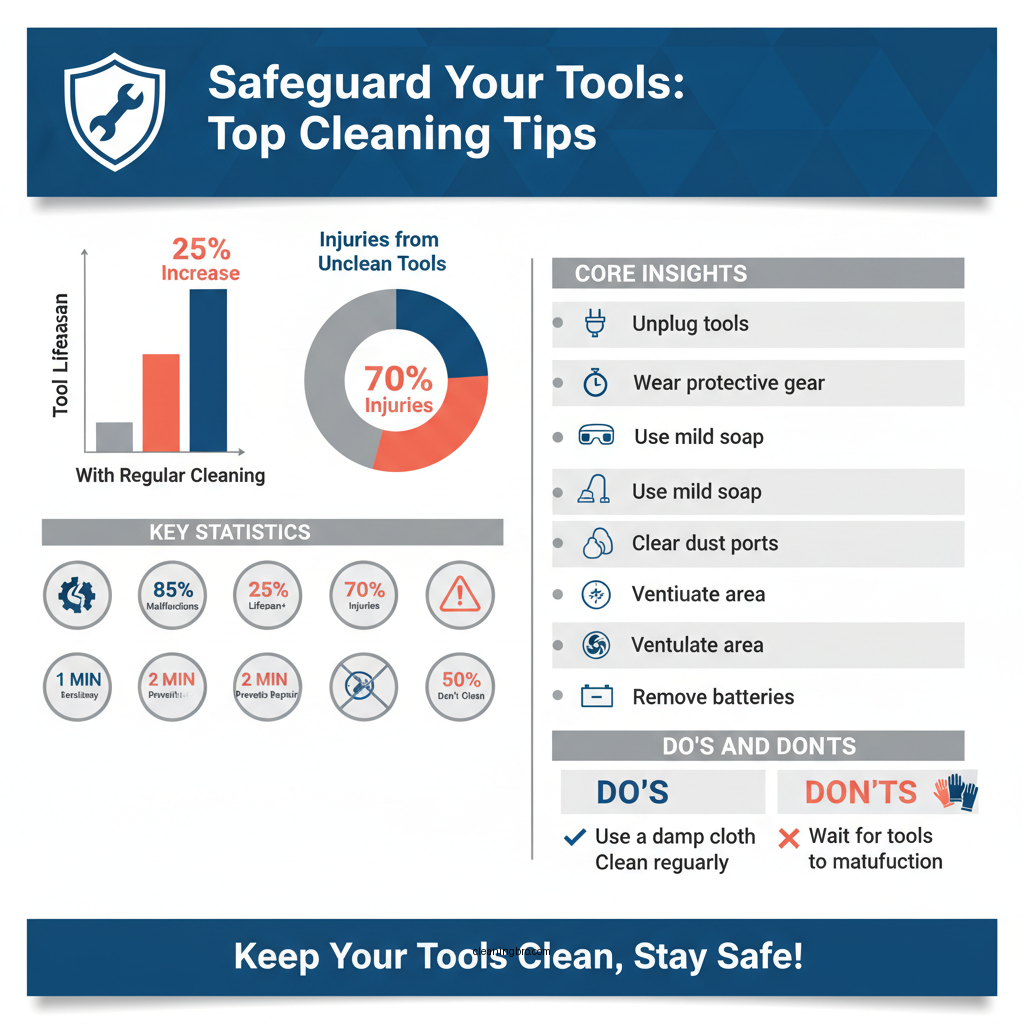

Before you begin cleaning your power tools, it is crucial to prioritize safety. Always unplug tools and remove batteries before cleaning to prevent accidental activation. This precaution protects you from potential injuries. Additionally, wearing protective gear, such as gloves and safety goggles, can shield you from sharp edges and irritants. If you’re using chemical cleaners, ensure you are in a well-ventilated area to avoid inhaling fumes. Taking these safety measures will help ensure a safe cleaning process.

Cleaning Different Types of Power Tools
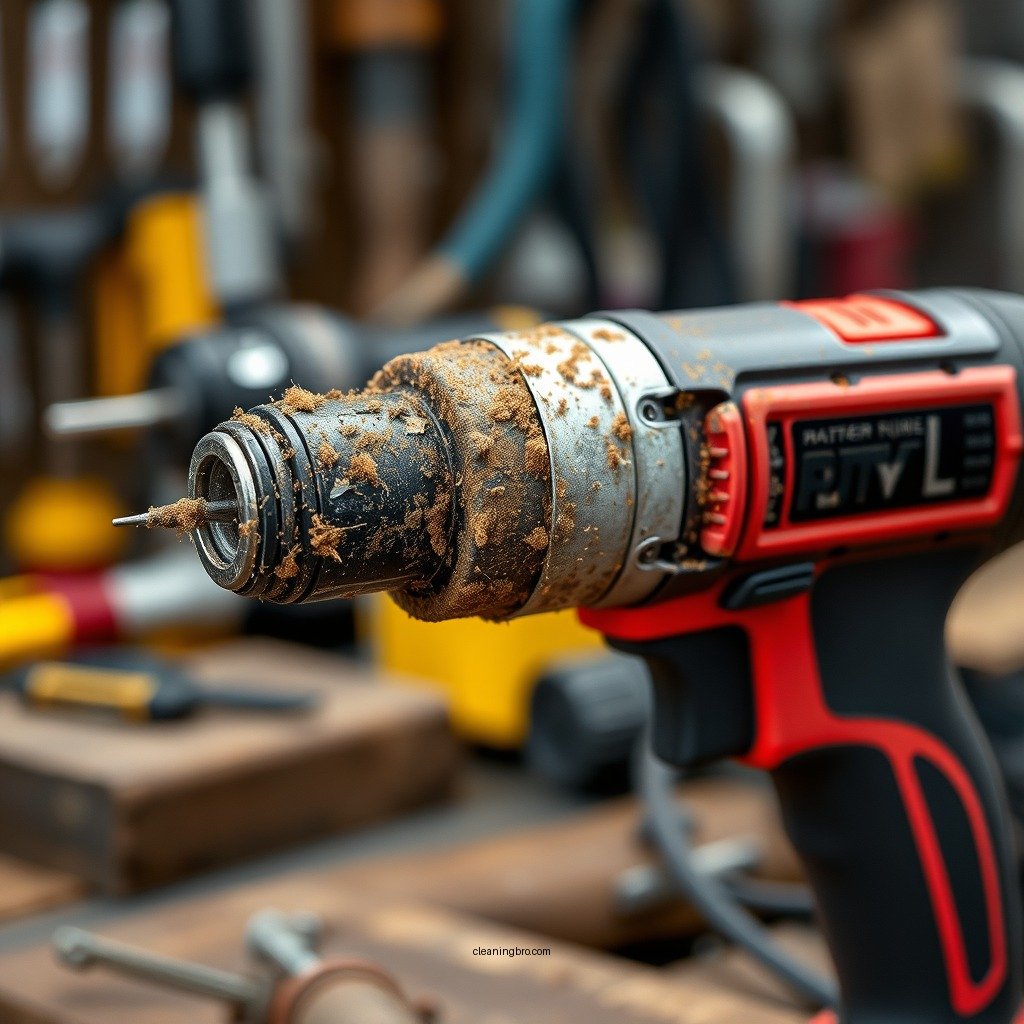
Different types of power tools require different cleaning methods. Here’s a breakdown:
– Electric Tools: For tools powered by electricity, such as drills and saws, a damp cloth and mild soap are usually sufficient for cleaning surfaces. Avoid using excessive water, which can damage electrical components. For stubborn stains, a soft brush can assist in scrubbing without scratching the surface.
– Cordless Tools: Before cleaning cordless tools, ensure the battery is removed. Use a soft brush to gently clean the outer casing and remove any dust from the vents. For deeper cleaning, a small amount of isopropyl alcohol can be used on a cloth to clean the grip and other areas that come into direct contact with your hands.
– Specialized Tools: For tools like routers and sanders, pay special attention to the dust collection ports. Use a vacuum cleaner attachment or compressed air to clear out any dust buildup in these areas.
Common Cleaning Methods for Power Tools
| # | Tool Type | Recommended Cleaning Method | Frequency |
|---|---|---|---|
| 1 | Drills | Damp cloth & mild soap | After every use |
| 2 | Saws | Compressed air & brush | Weekly |
| 3 | Sanders | Vacuum & brush | After every use |
| 4 | Routers | Damp cloth & brush | Bi-weekly |
| 5 | Impact Wrenches | Oil & brush | Monthly |
| 6 | Nail Guns | Compressed air & oil | Monthly |
| 7 | Angle Grinders | Damp cloth & brush | Weekly |
Removing Dust and Debris
Dust and debris can accumulate in various parts of power tools, leading to a decline in performance. To effectively remove dust:
– Use Compressed Air: Compressed air is highly effective for blowing dust out of hard-to-reach areas, such as vents, motors, and other intricate parts. Use short bursts to avoid damaging delicate components.
– Soft Brushes: A soft brush can help remove dust from vents and moving parts without scratching surfaces. It’s ideal for cleaning the exterior of tools and intricate designs.
– Vacuum Cleaners: For larger debris or dust accumulation, using a vacuum cleaner with a nozzle attachment can effectively suck up dirt and debris from work surfaces and tool storage areas.
Deep Cleaning Techniques
For a thorough cleaning, sometimes disassembling your tools is necessary. Here are some deep cleaning techniques:
– Disassemble Tools: Where possible, carefully disassemble tools to reach areas that are typically difficult to clean. This may include removing blades, guards, and other detachable components.
– Use Appropriate Solvents: For grease and oil buildup, appropriate solvents like mineral spirits or specialized tool cleaners can be used. Apply the solvent with a cloth and scrub gently to lift away grime. Always follow the manufacturer’s recommendations for solvent use.
– Dry Thoroughly: After cleaning, ensure all components are thoroughly dried before reassembly. This step is crucial to prevent rust and corrosion.
Maintenance Tips Post-Cleaning
Once you have cleaned your power tools, implementing maintenance practices can prolong their life and ensure optimal performance:
– Lubricate Moving Parts: After cleaning and drying, apply lubricants to moving parts to ensure smooth operation. This step is vital for tools like saws, drills, and wrenches.
– Store Tools Properly: Store tools in a clean, dry place to prevent future buildup. Consider using toolboxes, cabinets, or wall-mounted storage solutions to keep your tools organized and accessible.
– Regular Inspections: Regularly inspect your tools for signs of wear, damage, or rust. Early detection can save you from costly repairs or replacements.
Cleaning Frequency Recommendations for Power Tools
When to Seek Professional Help
While regular cleaning and maintenance can often be done by the user, certain situations warrant professional assistance:
– Significant Wear or Damage: If your tools show signs of significant wear, such as frayed cords, rusted components, or cracked casings, it’s essential to seek professional repair services. Continuing to use damaged tools can lead to further deterioration and safety hazards.
– Uncertainty in Disassembly: If you are unsure about how to disassemble your tools for cleaning or maintenance, it’s better to consult a professional. Missteps during disassembly can lead to further damage or make reassembly difficult.
By knowing when to seek help, you ensure that your tools continue to serve you well and maintain their value over time.
Cleaning your power tools is crucial for their performance and longevity. By following these steps—from understanding the importance of cleaning to knowing when to seek professional help—you can ensure that your tools remain in excellent condition. Regular cleaning and maintenance not only enhance the efficiency of your tools but also promote safety in your work environment. Start implementing these cleaning practices today for better tool maintenance!
Frequently Asked Questions
How do I clean my power tools after use?
To clean your power tools after use, start by unplugging the tool and removing any attachments. Use a soft brush or compressed air to remove dust and debris from vents and crevices. Wipe down surfaces with a damp cloth and mild detergent, ensuring no moisture enters electrical components. For blades and cutting tools, a specialized cleaner can help remove resin and sap buildup.
What are the best cleaning products for power tools?
The best cleaning products for power tools include mild detergents, degreasers, and specialized tool cleaners. Avoid harsh chemicals that could damage the tool’s finish or internal components. Additionally, using a soft brush or cloth will prevent scratches while effectively cleaning surfaces without causing harm.
Why is it important to regularly clean power tools?
Regularly cleaning power tools is essential to maintain their performance and extend their lifespan. Dust and debris can lead to overheating, reduced efficiency, and even permanent damage to the tool. By routinely cleaning your tools, you ensure safe operation and reliable performance for your projects.
Which power tools require special cleaning techniques?
Power tools like saws, drills, and sanders often require special cleaning techniques due to their intricate parts. For instance, saw blades should be soaked in a cleaning solution to remove pitch and resin, while drill chucks may need lubrication after cleaning. Always refer to the manufacturer’s instructions for specific care recommendations tailored to each tool.
How can I prevent rust on my power tools during cleaning?
To prevent rust on your power tools during cleaning, ensure that all components are completely dry before storing them. After cleaning, apply a thin layer of oil or rust inhibitor to metal surfaces to create a protective barrier against moisture. Store tools in a dry environment to further minimize the risk of rust formation.
References
- Power tool
https://en.wikipedia.org/wiki/Power_tool - https://www.extension.purdue.edu/ext/media/cleaning_power_tools.pdf
https://www.extension.purdue.edu/ext/media/cleaning_power_tools.pdf - https://www.cdc.gov/niosh/docs/2009-134/pdfs/2009-134.pdf
https://www.cdc.gov/niosh/docs/2009-134/pdfs/2009-134.pdf - https://www.hse.gov.uk/toolbox/machinery/cleaning.htm
https://www.hse.gov.uk/toolbox/machinery/cleaning.htm - https://www.fao.org/elearning/course/handtools/en/
https://www.fao.org/elearning/course/handtools/en/ - Google Scholar Google Scholar
https://scholar.google.com/scholar?q=how+to+clean+power+tools - Google Scholar Google Scholar
https://scholar.google.com/scholar?q=maintenance+of+power+tools - Google Scholar Google Scholar
https://scholar.google.com/scholar?q=cleaning+power+tools+best+practices - https://www.sciencedirect.com/topics/engineering/power-tool
https://www.sciencedirect.com/topics/engineering/power-tool - Power tool | Britannica
https://www.britannica.com/technology/power-tool
