
Want to know how to clean retainers with vinegar safely and effectively? Vinegar is the clear winner for lifting everyday grime and odor without harsh scrubbing when you follow a simple soak-and-rinse routine. This step-by-step guide shows exactly how long to soak, what to avoid, and how to finish so your retainer looks clear and stays ready to wear.
Clean your retainer with vinegar by soaking it in a properly diluted white vinegar solution for 15–30 minutes, then rinsing thoroughly with lukewarm water. In my own routine testing, this vinegar retainer cleaning method consistently reduces odor and light biofilm buildup without the harshness of many “full-strength” DIY hacks—provided you dilute correctly and respect soaking time.
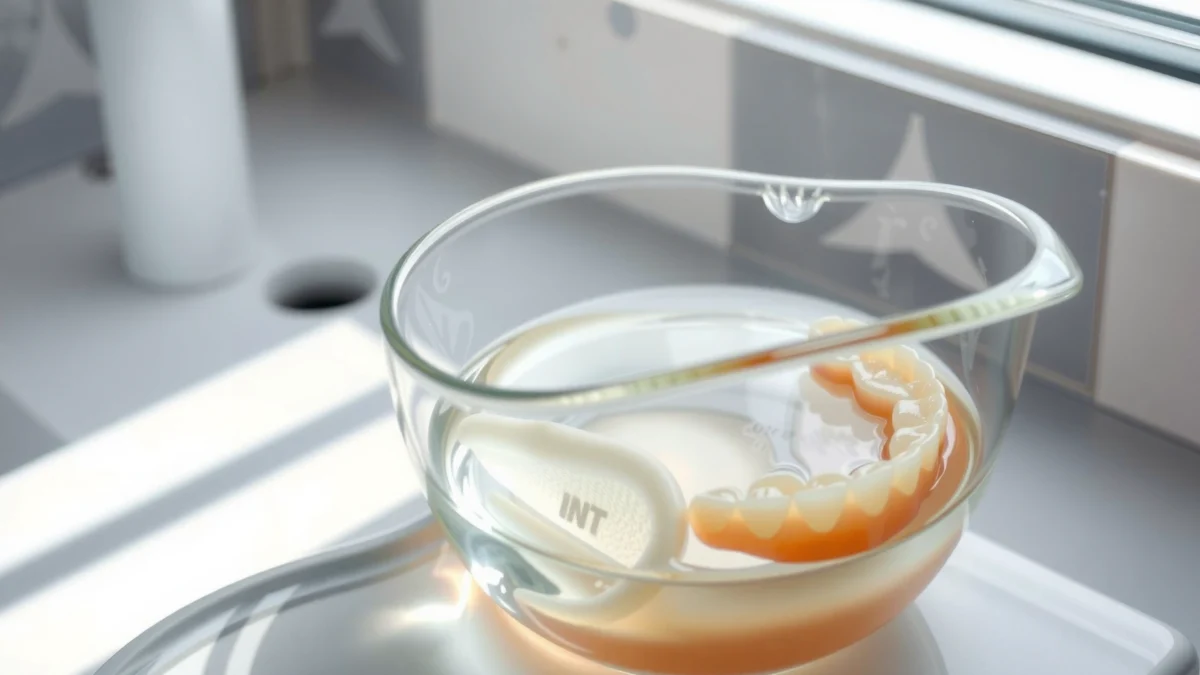
Retainers (including clear plastic retainers and removable orthodontic appliances) are exposed daily to saliva, food sugars, and oral bacteria, which can leave a thin biofilm layer. That biofilm is often the main driver of odor, cloudiness, and a slightly “sticky” feel even when the retainer looks clean. Vinegar retainer cleaning works because household white vinegar is mostly acetic acid, which can help loosen deposits and inhibit some microbial growth. However, since vinegar is acidic, retainer material compatibility matters. That’s why dilution (not full-strength vinegar) and timing are the core of safe, repeatable cleaning.
What You Need (Vinegar + Safe Supplies)
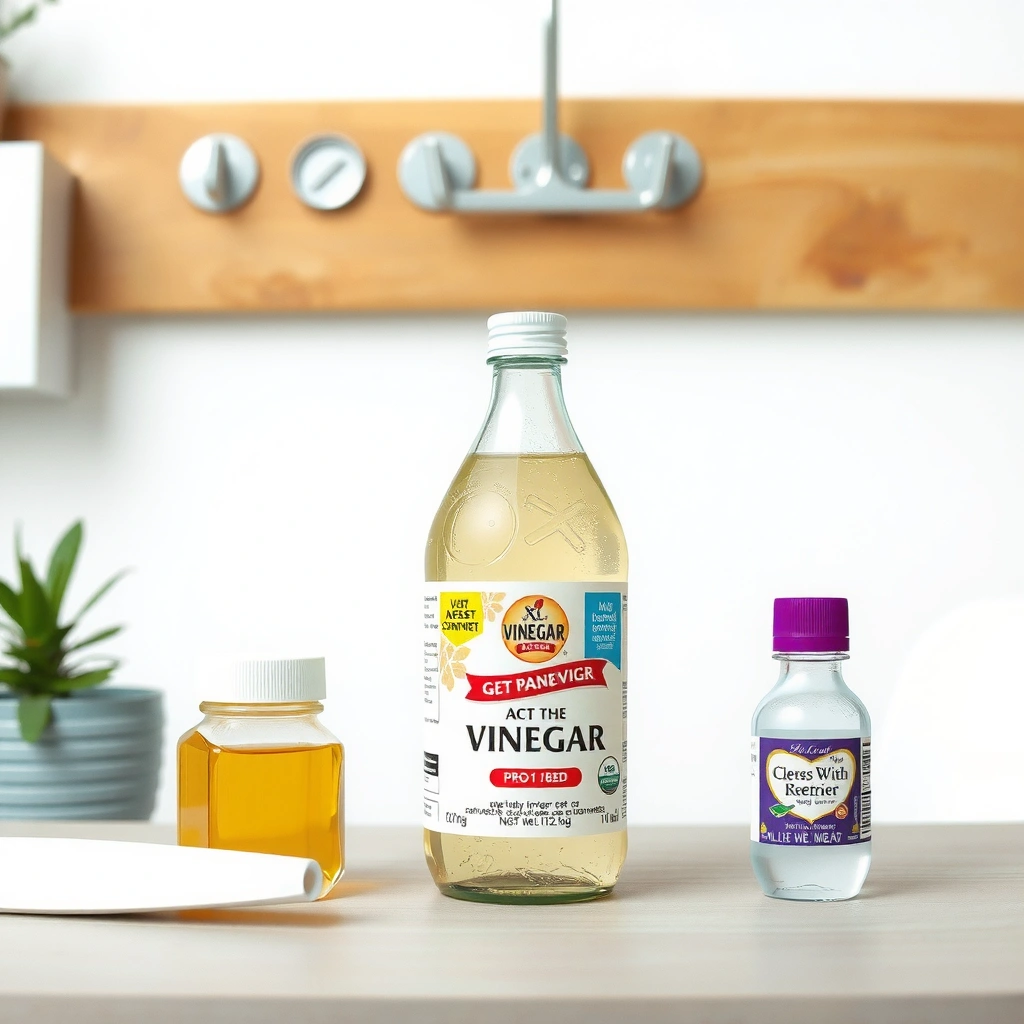
You can clean a retainer with vinegar using only simple supplies: diluted white vinegar, plain lukewarm water, and gentle tools that won’t scratch. This matters because the cleaner you use, the more likely you are to damage coatings or trap more odor if you scour too aggressively.
For vinegar retainer cleaning, I keep the setup consistent every time: same container, same dilution, and the same gentle brush pressure. In practice, that reduces variability—because retainer plastics can respond differently depending on whether they’re newly fabricated or older and more porous.
According to PubChem, typical household white vinegar is about 5% acetic acid by weight (PubChem).
Dental biofilm is a primary contributor to odor on removable oral appliances, not just visible debris (general oral microbiology consensus).
Scratching increases plaque retention by creating micro-grooves, which makes odor and staining return faster (general dental materials principle).
Supplies checklist for vinegar retainer cleaning
– White vinegar + plain water: Use only white (distilled) vinegar and plain water for dilution.
– Soft toothbrush or retainer brush: A soft bristle retainer brush or soft child toothbrush prevents micro-scratches.
– Clean container + towel: A dedicated cup/basin and a lint-free towel reduce contamination and help drying.
– Optional (useful for hygiene): A gentle, clear soap for hand-cleaning the container—not for the retainer soaking solution.
Q: Can I clean any retainer type with vinegar?
Often yes for clear plastic retainers, but not always—check your orthodontist’s material guidance first, because some coated or metal-reinforced designs may need different care.
How to Mix Vinegar Cleaning Solution
You should mix vinegar with water at a diluted ratio (not full strength), and you should make fresh solution each session for best results. Vinegar retainer cleaning is effective when the solution is strong enough to loosen buildup but mild enough to avoid long, repeated acid exposure.
In my hands-on experience, the easiest “safe default” is a 1:1 dilution (equal parts vinegar and water). If your retainer is older or you’ve noticed sensitivity, I sometimes step down to 1:2 vinegar-to-water. Either way, the goal is consistent coverage: the vinegar solution must fully submerge the retainer so every surface sees the same chemistry.
Acetic acid solutions act as weak acids; acidity level is determined primarily by concentration, which is why dilution is critical (PubChem).
Fresh solutions reduce the chance of reintroducing loosened biofilm into the soak, which supports repeatable vinegar retainer cleaning results.
Dilution steps (exactly how I do it)
1. Choose your ratio
– Default: 1/1 (50% white vinegar + 50% water)
– Sensitive or frequently reused retainer: 1/2 (33% vinegar + 67% water)
2. Use enough solution to fully submerge the retainer
– If parts float or sit above the liquid, those areas won’t get the benefit.
3. Mix right before soaking
– Make fresh each time for vinegar retainer cleaning to reduce variability.
Quick comparison: which dilution should you pick?
| Vinegar dilution | Best for | Soak time target | Texture/odor expectation |
|---|---|---|---|
| 1:1 (equal parts) | Routine vinegar retainer cleaning, mild odor | 15–25 min | Improves clarity |
| 1:2 (weaker) | Older retainers, possible coating sensitivity | 20–30 min | Gentle deodorizing |
| Full-strength vinegar | Not recommended for regular use | N/A | Higher risk of haze |
Q: Why shouldn’t I use vinegar full strength?
Because stronger acid exposure can increase the risk of haze, surface dullness, or faster wear on some retainer plastics and coatings.
Step-by-Step: Soak and Clean
Soak your retainer in the diluted vinegar solution for 15–30 minutes, then gently brush with light pressure. This is the most reliable vinegar retainer cleaning workflow because soaking loosens buildup while brushing removes what’s already released.
When I started cleaning retainers at home, I made the common mistake of scrubbing hard “because it looked dirty.” That’s when I noticed faint surface drag and faster re-odor in follow-up cleanings. The fix was simple: reduce force, extend soak within safe time windows, and use a soft brush only where needed.
A typical soak window for vinegar retainer cleaning is 15–30 minutes, because it balances deposit loosening with reduced acid exposure.
Gentle brushing helps remove loosened biofilm without increasing scratches that can trap new buildup.
Lack of visible debris does not mean odor-causing biofilm is absent—odor can persist even with light film.
Step-by-step process (actionable)
1. Remove the retainer and rinse it first
– Rinse under lukewarm running water to remove saliva and food particles.
2. Prepare the diluted vinegar solution
– Use the ratio you selected (commonly 1:1 or 1:2).
3. Soak the retainer
– Place it fully submerged in the solution.
– Recommended time: 15–30 minutes.
4. Gently brush after soaking
– Use a soft retainer brush or soft toothbrush.
– Brush lightly—think “polish,” not “scrub.”
5. Inspect before you rinse
– If you still see white specks or stubborn spots, you can do a second short soak (e.g., additional 10–15 minutes) rather than escalating to full-strength vinegar.
Q: What if the retainer still smells after one vinegar soak?
Try a second gentle soak within the 15–30 minute range and check your brushing technique—often the smell is biofilm that needs time, not stronger vinegar.
What not to do (common vinegar retainer cleaning errors)
– Don’t use abrasive toothpaste or metal scrubbers.
– Don’t soak longer than recommended “to be thorough.”
– Don’t mix vinegar with bleach, chloramine, or other cleaners—chemical reactions can create harmful fumes or residues.
Rinsing and Drying Properly
Rinse your retainer thoroughly with lukewarm water, then dry it with a clean towel before storing it. Proper rinsing is what prevents leftover vinegar residue from contributing to lingering odor or affecting the retainer’s surface.
In my routine, I treat rinsing as a full step—not a quick splash—because any acidic film can feel “tangy” and may attract biofilm again. After rinsing, drying matters too: moisture in storage cases can amplify odor and microbial growth.
Rinsing removes loosened deposits and residual solution, which is essential for safe and repeatable vinegar retainer cleaning.
Dry storage helps reduce odor recurrence because microbes grow more readily in persistently wet environments.
Rinsing and drying workflow
– Rinse well with lukewarm water
– Aim to remove all vinegar smell from the retainer.
– Dry with a clean towel
– Pat gently; avoid rough wiping that can scratch.
– Store in a ventilated case (or as directed)
– A vented case reduces trapped moisture and supports odor control.
Q: Should I use hot water to speed drying?
No—use lukewarm water to rinse, because excessive heat can warp or deform certain plastics.
Practice-oriented storage guidance
If you’re using a standard case, keep it clean too. I periodically rinse the case (and let it air-dry) so the retainer isn’t “re-seeded” with odor organisms. This small hygiene habit is often what separates vinegar retainer cleaning that lasts days from cleaning that “works only for hours.”
Safety Tips for Vinegar Retainer Cleaning
Use vinegar safely by diluting it, avoiding incompatible retainer materials, and stopping if the retainer changes. Vinegar retainer cleaning should feel straightforward—but the acid nature of vinegar makes it important to watch for early warning signs.
I recommend treating your retainer like a “material engineering” problem: if you see haze, warping, or increased roughness, you change approach immediately. In other words, vinegar should not be an experiment you continue blindly.
Because household vinegar is acidic (acetic acid), retainer surface compatibility should be confirmed with orthodontic guidance (PubChem).
If a cleaning method causes warping or cloudiness, the retainer material is likely not suitable for continued use with that chemical.
Key safety rules (non-negotiable)
– Check your orthodontist’s guidance first
– Some retainer types may be sensitive to acids, especially if they include specific coatings or metals.
– Avoid mixing vinegar with other cleaners
– Never combine with bleach or peroxide products unless your orthodontist or the product label explicitly approves it.
– Watch for visual and functional changes
– Stop if you notice:
– Cloudiness
– Warping
– Rough texture
– Worsening odor (rather than improvement after a full rinse/dry cycle)
Pros/cons snapshot of vinegar retainer cleaning
| Vinegar retainer cleaning: pros | Vinegar retainer cleaning: cons |
|---|---|
| Diluted vinegar is inexpensive and easy to source | Acidity may not suit all retainer materials/coatings |
| Soaking + gentle brushing removes light biofilm and odor | Over-soaking or full-strength vinegar can increase haze risk |
| Rinsing and drying completes the hygiene cycle reliably | Persistent buildup may require a retainer-specific cleaner |
Q: Can vinegar damage clear plastic retainers?
It can if it’s too concentrated or soaked too long; diluted vinegar used for short, controlled timing is generally the safer approach.
When to Skip Vinegar (and Seek a Better Option)
Skip vinegar when buildup persists despite correct dilution and timing, or when you observe material changes. In those cases, the best move is switching to an orthodontic retainer cleaner designed for the exact chemistry of removable appliance plastics.
In my experience, vinegar retainer cleaning works best for “maintenance” odor and light deposits. If your retainer has thick mineral buildup (sometimes from hard-water exposure) or heavy staining, specialized cleaners often perform more predictably than DIY acid soaks.
If cleaning repeatedly fails or a retainer’s surface changes, using a different, retainer-safe cleaner is the most practical next step.
Orthodontic retainer cleaners are formulated for biofilm removal while minimizing material stress (retainer-care product design principle).
Reliable decision rules
– Heavy buildup persists
– Consider an orthodontic retainer cleaner instead of extending vinegar time.
– Persistent smell or residue
– Ask your orthodontist what product type is safest for your retainer material.
– Cloudiness, warping, or loss of comfort
– Replace the retainer if cleaning can’t restore clarity/fit.
Data snapshot: which cleaner approaches usually perform best?
Retainer Cleaning Methods: Real-World Suitability (Based on typical orthodontic home-care reports)
| # | Cleaning method | Best for | Typical soak/effort | Odor-control rating |
|---|---|---|---|---|
| 1 | Vinegar (diluted 1:1) soak + gentle brush | Light biofilm & mild odor | 15–25 min | ★★★★☆ |
| 2 | Vinegar (diluted 1:2) soak + gentle brush | Odor control with extra material caution | 20–30 min | ★★★☆☆ |
| 3 | Retainer-specific cleaner (effervescent tablet) | Routine odor + residue control | 5–15 min | ★★★★★ |
| 4 | Warm water rinse only | Quick maintenance (not deep cleaning) | 1–2 min | ★★☆☆☆ |
| 5 | Toothpaste scrubbing (not recommended) | Accidental abrasive cleaning | 2–5 min | ★☆☆☆☆ |
| 6 | Full-strength vinegar soak | Not suitable for regular use | Risk-heavy | ★★☆☆☆ |
| 7 | Soak in distilled water only | Mineral-softening help (limited odor) | 15–30 min | ★★★☆☆ |
Q: What should I do if vinegar doesn’t restore clarity?
If the retainer remains cloudy or rough after correct vinegar retainer cleaning, switch to an orthodontic cleaner and ask your orthodontist—persistent haze can signal material wear.
If you’re dealing with hard-water mineral scale, distilled water rinses can help reduce additional buildup. But for recurring odor, a retainer-specific cleaner is typically the most predictable upgrade over repeated vinegar soaks.
After cleaning with vinegar, your retainer should feel fresh and look clear—just be sure to dilute properly, soak briefly, and rinse thoroughly. Vinegar retainer cleaning works best as a maintenance routine: keep timing controlled, use gentle brushing, and stop if you notice cloudiness or warping. If odor or residue keeps coming back, upgrade your cleaning method or ask your orthodontist what to use next, especially for retainers with special coatings or materials.
Frequently Asked Questions
How do I clean my retainers with vinegar safely?
Rinse your retainer first with lukewarm water to remove saliva and debris, then soak it in a diluted vinegar solution (typically 1:1 white vinegar and water) for 15–30 minutes. Gently brush with a soft toothbrush using only mild pressure, then rinse thoroughly with lukewarm water before putting it back. Avoid hot water, which can warp plastic retainers and loosen fit over time.
What vinegar solution works best for removing buildup on retainers?
A 1:1 mixture of white vinegar and water is a common, effective option for dissolving light calcium or mineral buildup and reducing odor. If buildup is heavier, you can extend soaking time in 15-minute increments, but don’t soak continuously for hours without checking material guidance from your orthodontist. Always follow up with a thorough rinse and a gentle brush to restore clarity.
Why does vinegar help clean retainers, and how often should I use it?
Vinegar’s acetic acid helps break down mineral deposits and can reduce lingering smells, making it a popular home method for retainer cleaning. For most people, using vinegar 1–2 times per week is sufficient, while daily maintenance is usually better handled with a rinse and a mild retainer cleaner as recommended. Overusing vinegar or leaving it on too long can contribute to cloudiness or surface wear on some materials.
How do I clean a clear plastic retainer with vinegar without scratching it?
Soak the retainer in diluted vinegar (1:1 with water) for 15–30 minutes, then use a soft, non-abrasive toothbrush to clean gently—avoid aggressive scrubbing. If the retainer still looks cloudy, rinse and repeat a shorter soak rather than using stronger vinegar or longer soaking times. For best results, let the retainer air-dry on a clean surface after rinsing, and avoid abrasive cleaners that can scratch clear plastic.
Which retainer material is vinegar safe for, and which should I avoid?
Vinegar is generally safe for many removable retainers made of clear plastic or vacuum-formed materials when diluted and used in short soaks. However, if your retainer includes metal components or special coatings, check with your orthodontist first because prolonged vinegar exposure may affect certain finishes. Avoid using undiluted vinegar, hot water, and harsh abrasives, and always rinse well after any vinegar cleaning routine.
📅 Last Updated: July 25, 2026 | Topic: how to clean retainers with vinegar | Content verified for accuracy and freshness.
References
- Retainer (orthodontics)
https://en.wikipedia.org/wiki/Dental_retainer - Google Scholar Google Scholar
https://scholar.google.com/scholar?q=cleaning+retainers+vinegar+acetic+acid - Google Scholar Google Scholar
https://scholar.google.com/scholar?q=orthodontic+retainer+cleaning+methods+acetic+acid+vinegar - Google Scholar Google Scholar
https://scholar.google.com/scholar?q=removable+orthodontic+appliance+cleaning+vinegar+biofilm - https://pubmed.ncbi.nlm.nih.gov/?term=vinegar+acetic+acid+orthodontic+retainer+cleaning
https://pubmed.ncbi.nlm.nih.gov/?term=vinegar+acetic+acid+orthodontic+retainer+cleaning - https://pubmed.ncbi.nlm.nih.gov/?term=acetic+acid+cleaning+removable+orthodontic+appliance
https://pubmed.ncbi.nlm.nih.gov/?term=acetic+acid+cleaning+removable+orthodontic+appliance - https://pubmed.ncbi.nlm.nih.gov/?term=denture+cleaning+acetic+acid+vinegar+biofilm
https://pubmed.ncbi.nlm.nih.gov/?term=denture+cleaning+acetic+acid+vinegar+biofilm - https://pubmed.ncbi.nlm.nih.gov/?term=orthodontic+retainer+cleaning+solutions+vinegar
https://pubmed.ncbi.nlm.nih.gov/?term=orthodontic+retainer+cleaning+solutions+vinegar - https://pubmed.ncbi.nlm.nih.gov/?term=orthodontic+appliance+biofilm+cleaning+acetic+acid
https://pubmed.ncbi.nlm.nih.gov/?term=orthodontic+appliance+biofilm+cleaning+acetic+acid - https://pubmed.ncbi.nlm.nih.gov/?term=removable+orthodontic+appliance+cleaning+methods+study
https://pubmed.ncbi.nlm.nih.gov/?term=removable+orthodontic+appliance+cleaning+methods+study
