
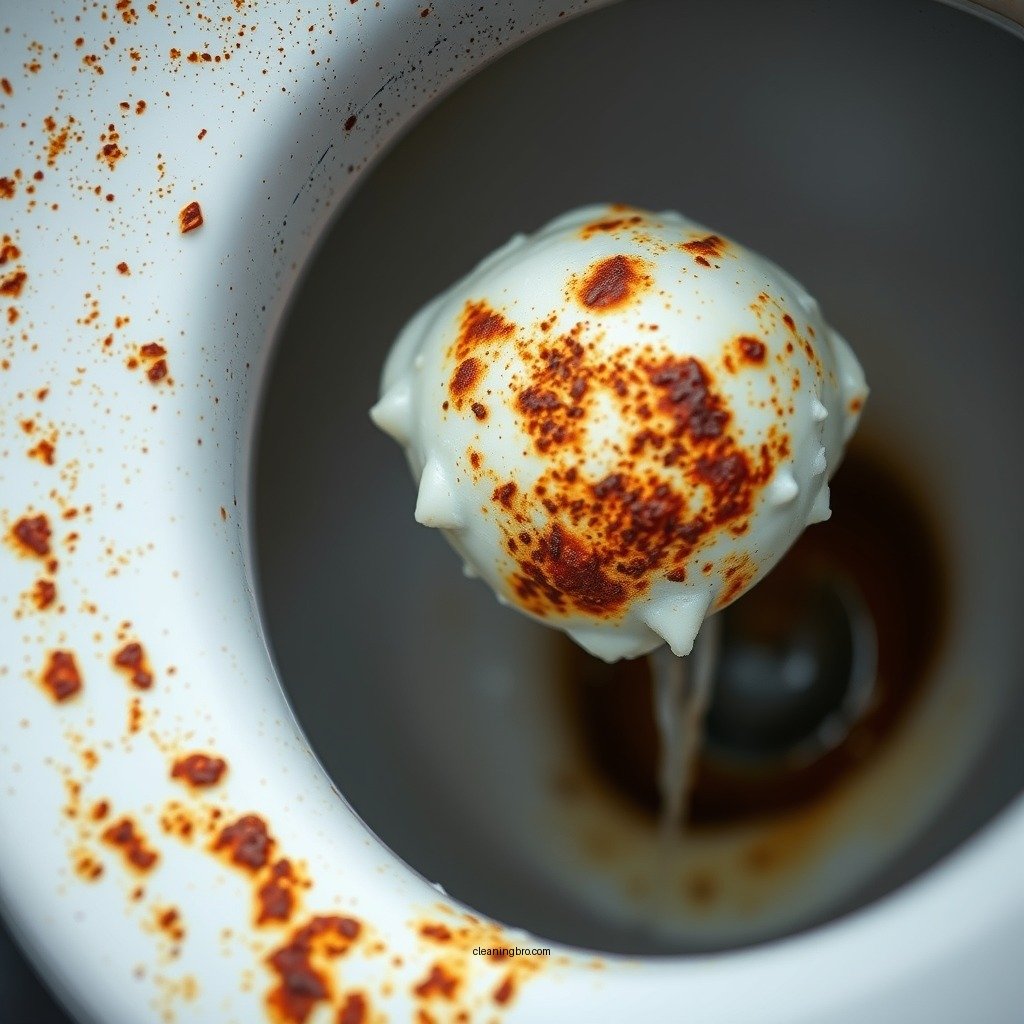
Cleaning rust from your toilet bowl can be effectively done using simple household items. The most common solutions include using baking soda, vinegar, or commercial rust removers. This guide will walk you through the necessary steps to restore your toilet to its original shine and prevent future rust stains.
Rust stains in toilet bowls can be unsightly and often indicate a deeper issue related to your plumbing or water supply. Understanding the causes and implementing regular cleaning and maintenance can significantly improve the longevity and appearance of your toilet. With the right materials and methods, you can easily tackle rust stains and maintain a clean and hygienic bathroom environment.
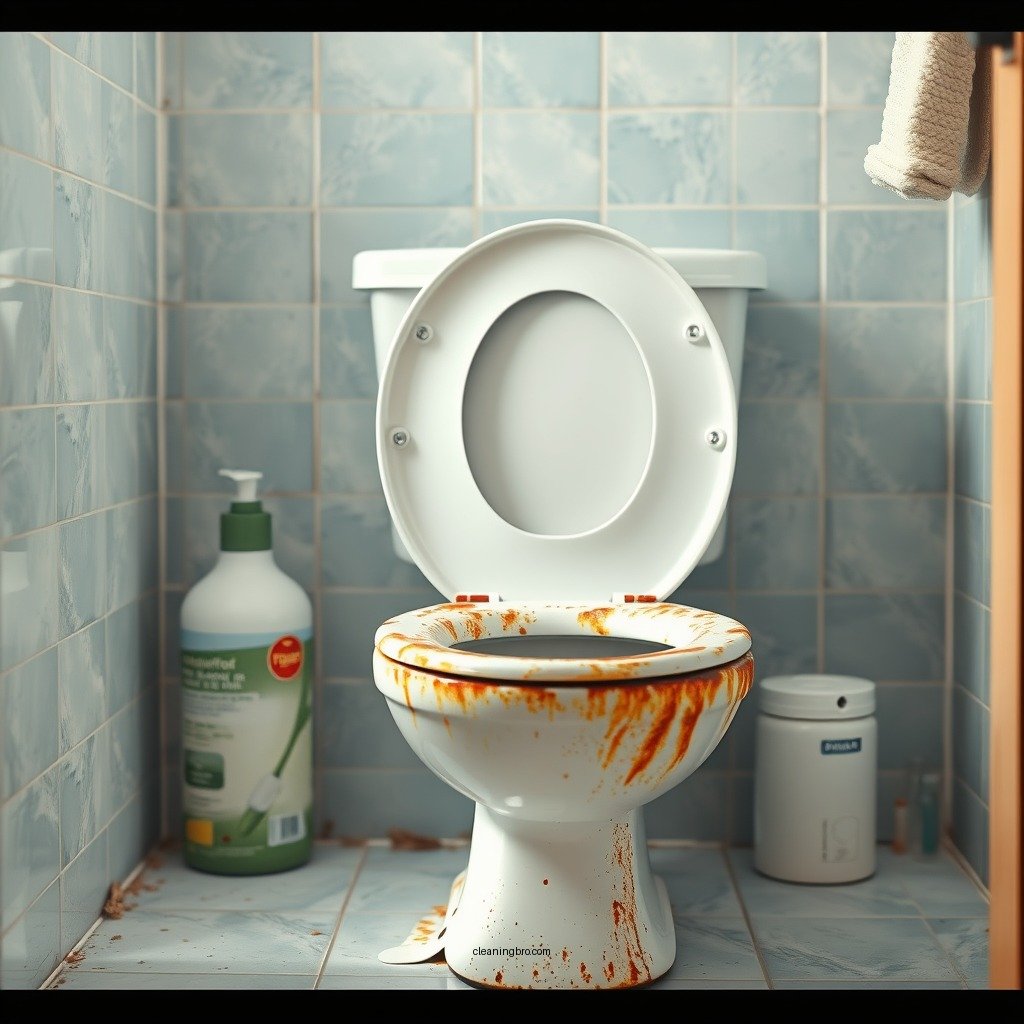
Understanding the Causes of Rust in Toilets
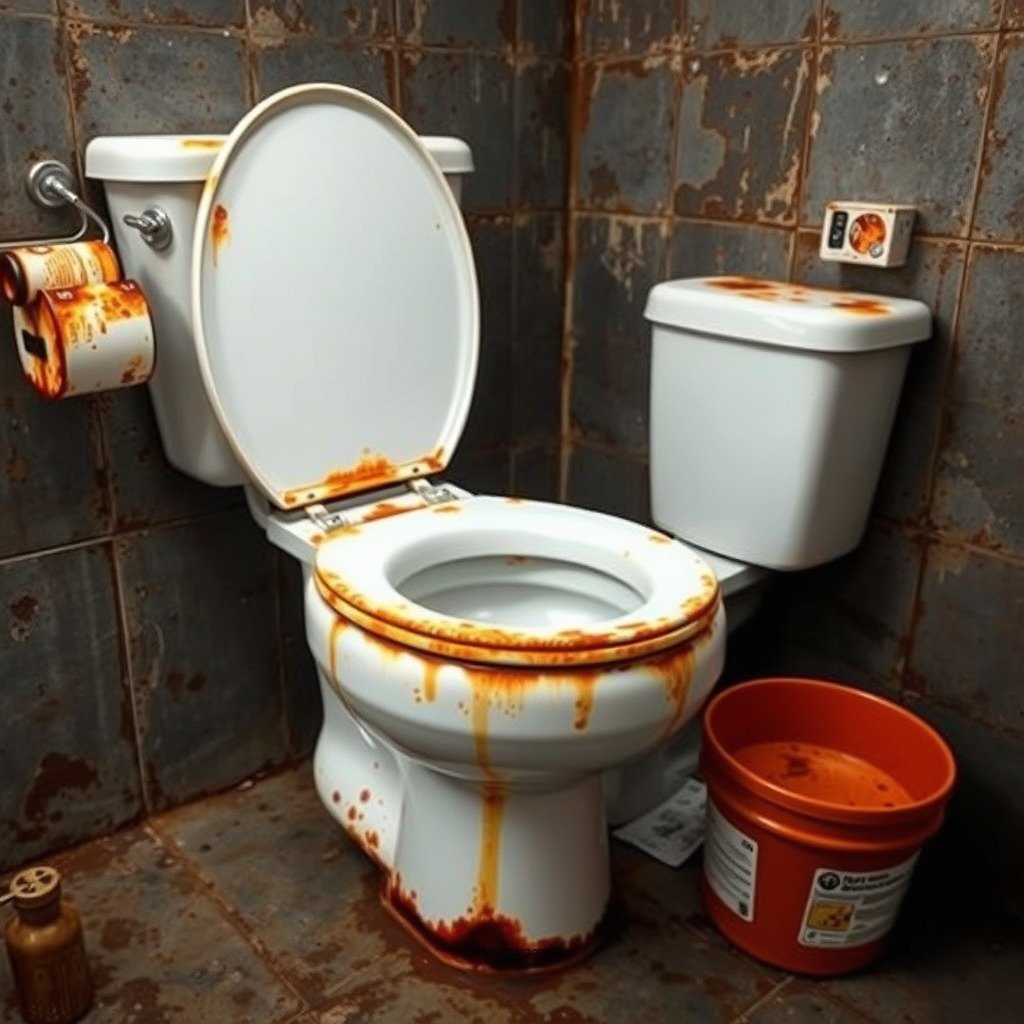
Rust stains typically occur due to iron in the water supply. When water containing a high concentration of iron sits in the toilet bowl, it can react with oxygen and create rust deposits. This is especially common in areas with hard water, where minerals can accumulate and lead to discoloration.
Moreover, poor drainage or leaks can exacerbate rust problems by allowing water to stagnate. When water lingers in the toilet bowl or tank, it not only fosters rust formation but can also create an ideal environment for bacteria growth. Therefore, it is crucial to address any plumbing issues promptly and maintain regular cleaning routines.
Essential Supplies for Rust Removal
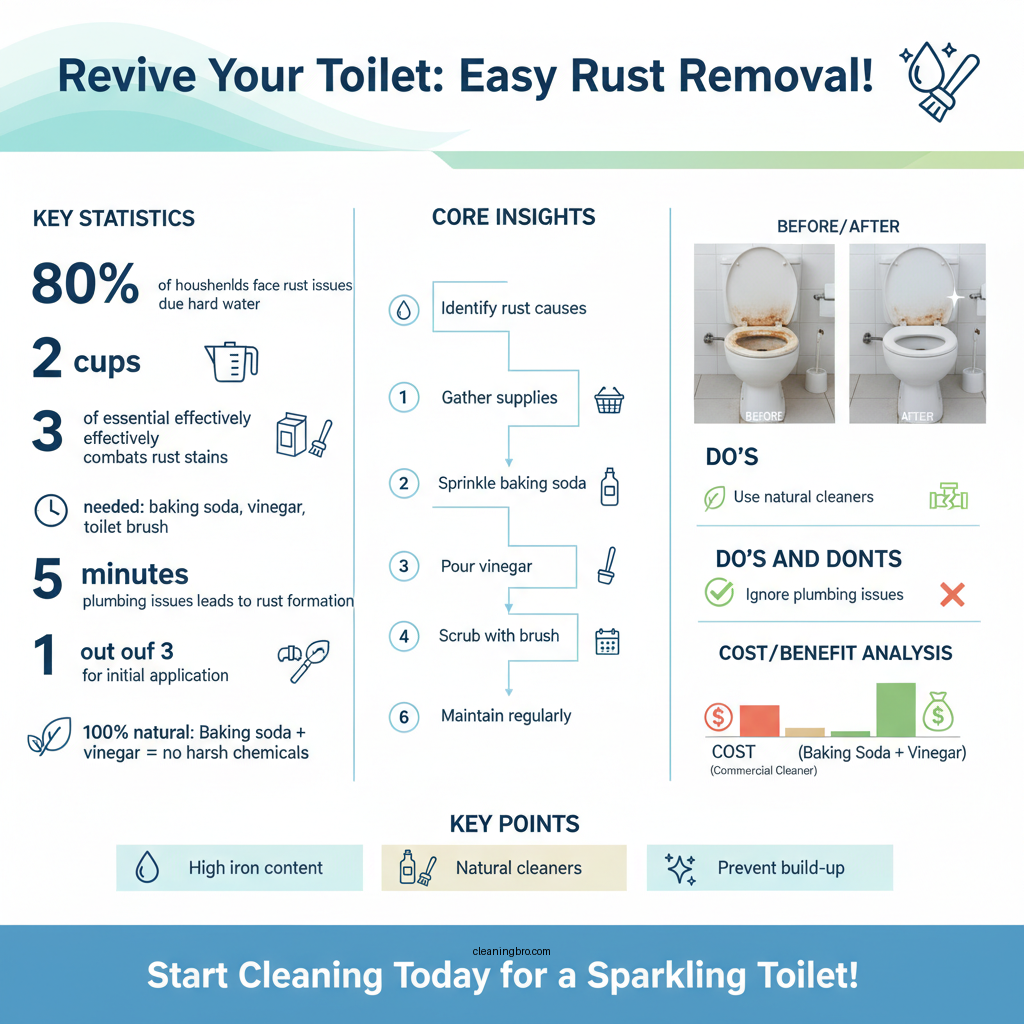
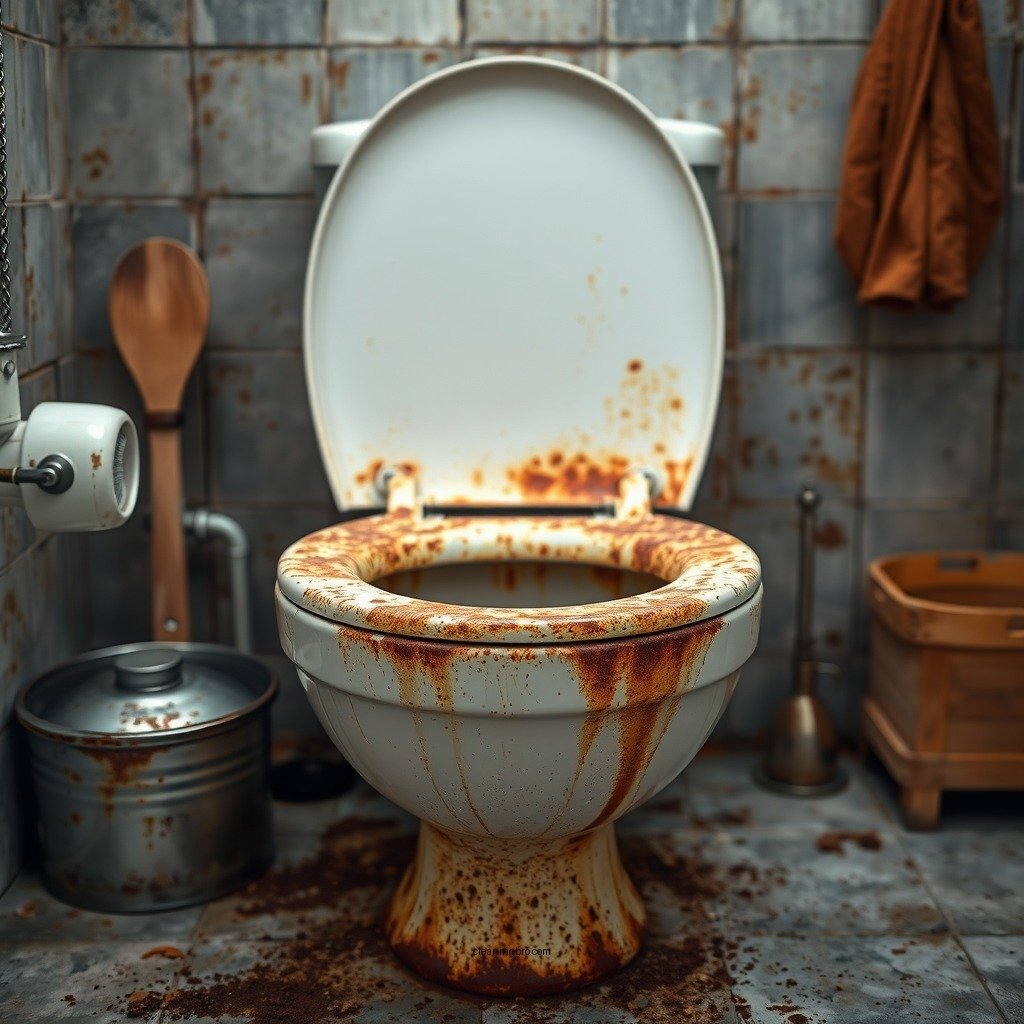
To effectively remove rust from your toilet bowl, you will need the following supplies:
– Baking Soda and Vinegar: A natural solution that is safe and effective. These two ingredients, when combined, create a powerful cleaning reaction that can help lift rust stains without harsh chemicals.
– Commercial Rust Remover: Specialized products designed for tough stains. These are particularly useful for older or more severe rust deposits that may not respond to natural solutions.
– Toilet Brush: A durable brush is essential for scrubbing the bowl and ensuring that the stains are removed effectively. Choose a brush with stiff bristles to tackle tougher deposits.
Step-by-Step Guide to Remove Rust
Preparation
Start by ensuring the toilet is not in use and gather your supplies. This includes baking soda, vinegar, a toilet brush, and any commercial rust remover if needed. It’s also advisable to wear gloves to protect your hands from any chemicals.
Application
1. Sprinkle Baking Soda: Generously sprinkle baking soda around the inside of the toilet bowl, focusing on areas with visible rust stains.
2. Pour Vinegar: Next, pour approximately two cups of vinegar into the bowl. The combination of baking soda and vinegar will create a fizzing reaction that helps to break down rust.
3. Let it Sit: Allow the mixture to sit for at least 30 minutes. This will give it time to penetrate and loosen the rust stains.
Scrubbing
After the mixture has had time to work, use the toilet brush to scrub the bowl thoroughly. Pay special attention to the areas with rust stains, applying extra pressure if necessary. For stubborn stains, you may need to repeat the process or use a commercial rust remover as directed.
Top 7 Natural Methods for Toilet Rust Removal (2024)
| # | Method | Effectiveness | Time Required | Safety |
|---|---|---|---|---|
| 1 | Baking Soda & Vinegar | Moderate | 30 min | Safe |
| 2 | Commercial Rust Remover | High | 15 min | Moderate |
| 3 | Lemon Juice & Borax | Moderate | 40 min | Safe |
| 4 | Pumice Stone | High | 15 min | Safe |
| 5 | Bleach Solution | High | 30 min | Caution |
| 6 | Hydrogen Peroxide | Moderate | 20 min | Safe |
| 7 | Coca-Cola | Low | 60 min | Safe |
Preventing Future Rust Build-Up
To prevent future rust build-up in your toilet bowl, consider implementing the following strategies:
– Regular Cleaning: Schedule weekly cleaning to prevent stains from setting in. Regular use of baking soda and vinegar can help maintain a rust-free bowl while also keeping your toilet hygienic.
– Install a Water Softener: If hard water is a recurring issue in your home, consider installing a water softener. This will reduce the mineral content in your water, subsequently decreasing rust formation and other mineral deposits.
– Check for Leaks: Ensure there are no leaking pipes or fittings that can lead to rust formation. Regularly inspect your plumbing, and address any leaks promptly to maintain optimal water flow and minimize stagnation.
Alternative Methods for Stubborn Stains
For particularly stubborn rust stains that resist conventional cleaning methods, consider the following alternatives:
– Use a Pumice Stone: Gently scrub tough stains with a pumice stone. This method is effective without scratching the porcelain surface of your toilet bowl, making it a safe option.
– Try Using a Bleach Solution: Dilute bleach with water for a more potent cleaning solution. However, ensure proper ventilation and safety measures. Always follow the manufacturer’s instructions, and never mix bleach with ammonia or vinegar to avoid toxic fumes.
Rust Removal Products Comparison: Natural vs. Commercial
| Feature | ⭐ Natural Method | Commercial Cleaner | DIY Method |
|---|---|---|---|
| Effectiveness | Moderate | High | Moderate |
| Time Required | 30 min | 15 min | 40 min |
| Safety | Safe | Caution | Safe |
| Cost | Low | Moderate | Low |
| Environmental Impact | Eco-friendly | Chemical Waste | Eco-friendly |
| Ease of Use | Easy | Moderate | Easy |
| Fumes | None | Strong | None |
| Stain Prevention | Yes | Limited | Yes |
| Cleaning Frequency | Weekly | Bi-weekly | Weekly |
| 🏆 Best For | Eco-conscious users | Quick results | Budget-friendly |
Tips for Maintaining a Rust-Free Toilet
To maintain a rust-free toilet, consider the following tips:
– Regular Maintenance Checks: Incorporate regular checks into your cleaning routine. Look for any signs of rust or leaks and address them immediately to prevent worsening conditions.
– Use Toilet Cleaners with Rust Inhibitors: Consider using toilet cleaners that contain rust inhibitors. These products are designed to actively prevent rust formation and keep your toilet looking pristine.
– Monitor Water Quality: If your water supply has high iron content, regularly test your water quality. Consider using filtration systems or water softeners to manage mineral levels.
Cleaning rust from your toilet bowl doesn’t have to be a daunting task. By following these steps and using the right materials, you can restore your toilet’s cleanliness and prevent future rust issues. Remember to incorporate these preventive measures into your cleaning routine for the best results. Regular maintenance not only ensures a sparkling clean toilet but also contributes to a healthier bathroom environment. For more tips and tricks on household maintenance, stay tuned for our upcoming articles!
Frequently Asked Questions
What are the best methods to clean rust from a toilet bowl?
The best methods to clean rust from a toilet bowl include using a combination of vinegar and baking soda, a commercial rust remover, or pumice stone. Vinegar and baking soda create a natural abrasive that can effectively lift rust stains, while commercial rust removers are specifically designed for tough stains. Always follow the manufacturer’s instructions for any product you use.
How do I remove stubborn rust stains from my toilet bowl?
To remove stubborn rust stains from your toilet bowl, you can try applying a paste made of baking soda and water directly to the stains and letting it sit for 20-30 minutes before scrubbing with a toilet brush. Alternatively, using a pumice stone can help scrub away tough rust without scratching the porcelain. For extremely stubborn stains, consider using a commercial rust stain remover that is safe for toilets.
Why does rust appear in my toilet bowl, and how can I prevent it?
Rust appears in your toilet bowl primarily due to iron in your water supply, which oxidizes and creates rust stains. To prevent rust from forming, consider installing a water softener to reduce the iron content in your water or regularly cleaning your toilet with rust inhibitors. Additionally, maintaining your plumbing system can help minimize rust buildup.
Which products are effective for cleaning rust from a toilet bowl?
Effective products for cleaning rust from a toilet bowl include CLR (Calcium, Lime, and Rust Remover), Iron Out, and vinegar combined with baking soda. These products are specifically formulated to tackle rust stains and can be found at most grocery or hardware stores. Always ensure that the product you choose is safe for use on porcelain surfaces.
How often should I clean my toilet bowl to prevent rust buildup?
To prevent rust buildup in your toilet bowl, it is recommended to clean it at least once a week. Regular cleaning helps to remove any minerals and stains before they become entrenched and harder to remove. Additionally, conducting a deeper clean monthly with a rust remover can further help maintain a sparkling toilet bowl.
References
- Rust
https://en.wikipedia.org/wiki/Rust - https://www.ncbi.nlm.nih.gov/pmc/articles/PMC6029345/
https://www.ncbi.nlm.nih.gov/pmc/articles/PMC6029345/ - https://www.mayoclinic.org/diseases-conditions/iron-deficiency-anemia/expert-answers/iron-in-your-water/faq-20057714
https://www.mayoclinic.org/diseases-conditions/iron-deficiency-anemia/expert-answers/iron-in-your-water/faq-20057714 - https://www.sciencedirect.com/topics/earth-and-planetary-sciences/rust
https://www.sciencedirect.com/topics/earth-and-planetary-sciences/rust - https://www.epa.gov/waterquality/what-iron-and-manganese-and-why-are-they-problem
https://www.epa.gov/waterquality/what-iron-and-manganese-and-why-are-they-problem - https://www.cdc.gov/nceh/lead/tips/toilets.htm
https://www.cdc.gov/nceh/lead/tips/toilets.htm - Rust | Description, Causes, & Life Cycle | Britannica
https://www.britannica.com/science/rust - Google Scholar Google Scholar
https://scholar.google.com/scholar?q=clean+rust+toilet+bowl - Google Scholar Google Scholar
https://scholar.google.com/scholar?q=rust+removal+methods - Google Scholar Google Scholar
https://scholar.google.com/scholar?q=iron+in+toilet+bowl+cleaning
