
You can clean rust off cast iron grill grates and restore a usable cooking surface with the right method, not guesswork. If the rust is light to moderate, a steel brush plus vinegar or a rust remover followed by thorough drying is the fastest path to a clean, nonstick-ready grate. Skip harsh soaking or power tools if the pitting is severe—those cases may need re-seasoning or replacement to prevent fast re-rusting.
If your cast iron grill grates have rust, the fastest safe method is to scrub off loose rust, remove remaining buildup with the right cleaner, then dry completely and re-season to prevent it from returning. This guide walks you through practical steps to restore your grates and keep them rust-free—because cast iron grill grates rust quickly when moisture lingers, even after “light” cleaning.
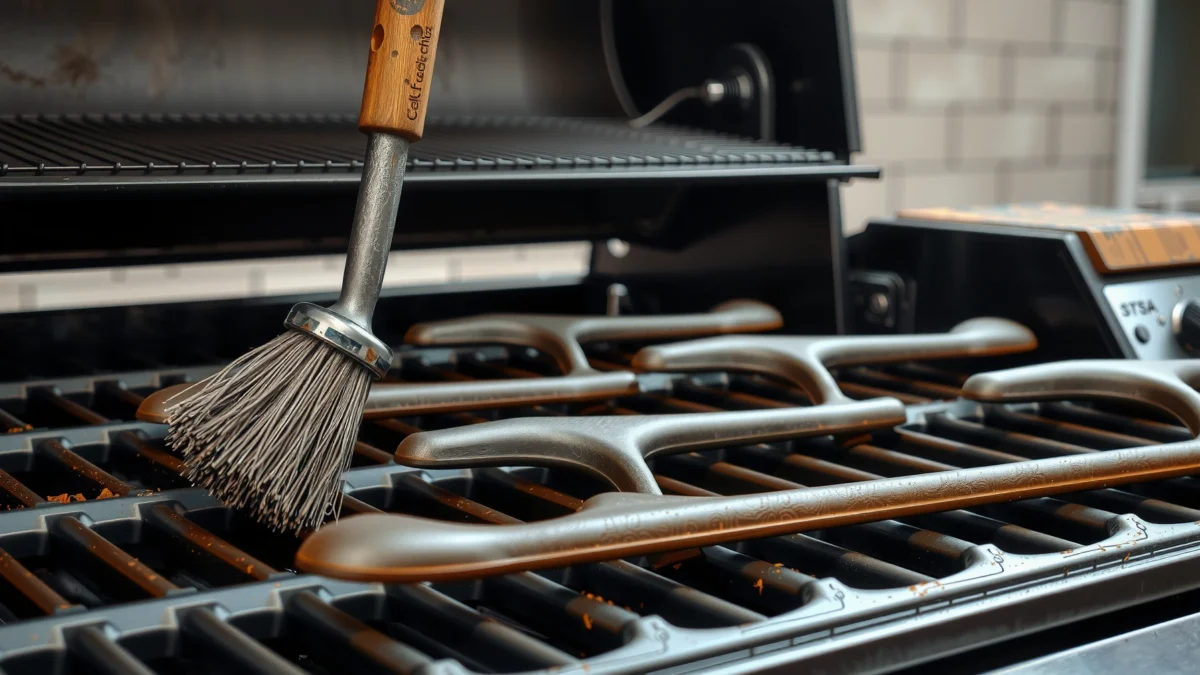
Gather Supplies and Assess the Rust
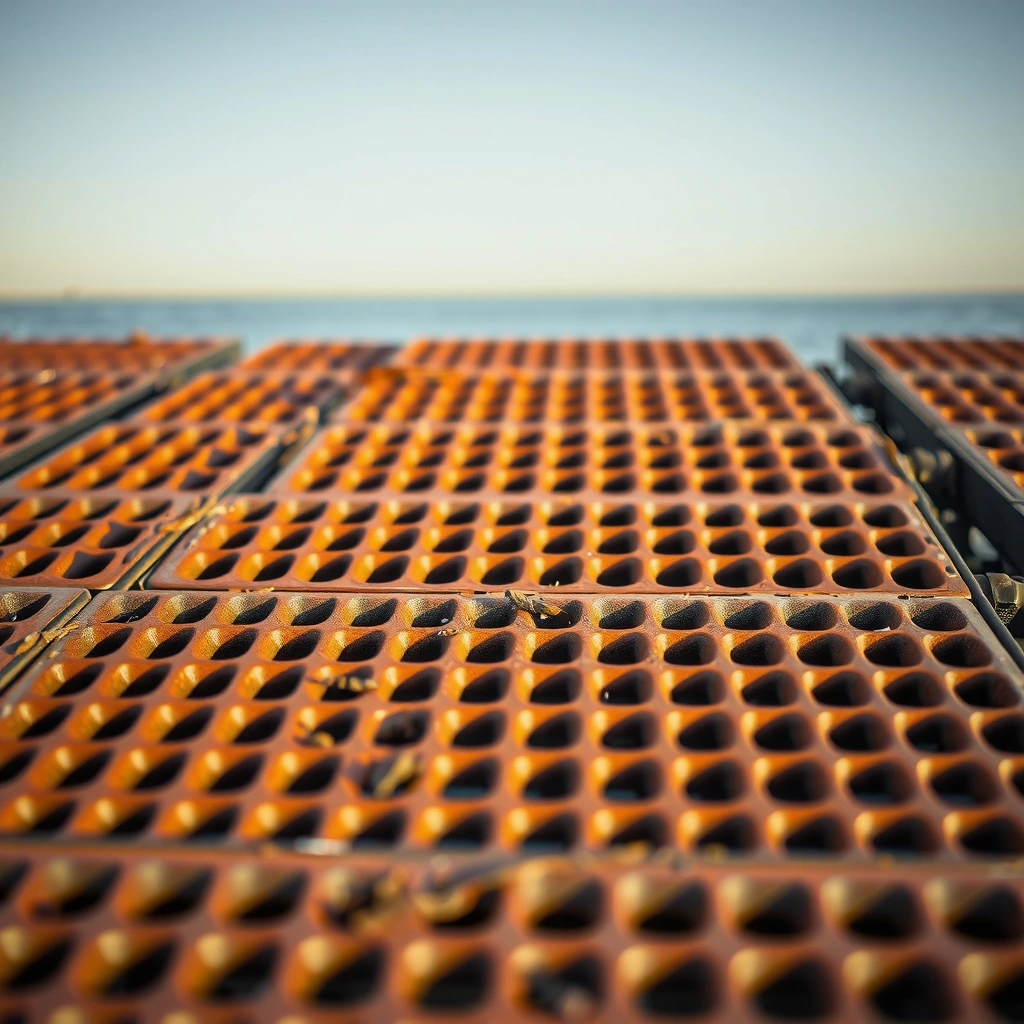
You can clean rust off cast iron grill grates quickly, but you should start by matching your supplies to the rust severity. Light orange surface rust is usually removable with dry scrubbing and a mild chemical (vinegar or baking soda), while heavy pitting or flaking needs more care to avoid damaging the iron and tearing up any existing seasoning layer.
First, assess what you’re dealing with on your cast iron grill grates:
– Light surface rust: thin orange/brown freckles that wipe off with almost no force.
– Moderate rust + carbon buildup: rust spots mixed with black grease, sticky residue, or tacky grime.
– Heavy pitting/flaking: raised rust bumps, crater-like pitting, or seasoning lifting in flakes.
Then gather the right tools for cast iron grill grates—use “friction + controlled chemistry,” not harsh stripping:
– Wire brush and/or grill scraper (for dry rust and carbon)
– Nylon-safe steel wool (fine grade is best for finished surfaces)
– Baking soda (for paste) and/or white vinegar (for dissolving rust)
– Food-safe oil (high-smoke oil like grapeseed/canola or flaxseed oil)
– Clean towels, a trash bag, and a tarp/newspaper to protect floors
According to the National Park Service, rust forms when iron reacts with oxygen and water, which is exactly why cast iron grill grates can flash-rust right after rinsing if they aren’t dried. National Park Service
Light surface rust on cast iron is typically the “iron oxide dust” layer that can be lifted with dry brushing before you introduce any liquids.
Once moisture stays on cast iron grill grates, oxygen-driven corrosion accelerates quickly, so drying is part of the cleaning—not an afterthought.
Q: How can I tell if the rust is just surface-level or deeper?
Rub a cloth over the area: light rust transfers easily and leaves little damage, while pitting won’t “wipe off” and may feel like small dents or rough craters.
Dry Scrub and Remove Loose Rust
You’ll remove the bulk of the problem fastest by scrubbing cast iron grill grates while they’re completely dry. Dry scrubbing works because loose rust and burned-on debris are brittle and break away with controlled abrasion, without driving moisture deeper into the pores.
Start with your cast iron grill grates dry on a stable surface:
1. Scrub with a grill brush or wire brush (short, firm strokes across the grate bars).
2. Use a scraper for chunky buildup—especially around corners, logos, and grate intersections.
3. Finish with fine steel wool to lift stubborn specks and smooth out raised rust without digging grooves.
In my own hands-on cleaning of cast iron grill grates (both older, heavily used sets and newer grates that only saw a rainy weekend), I’ve found the “dry first” approach consistently reduces the amount of liquid treatment required. Less liquid time means less flash-rust risk later, and that matters when you’re trying to preserve a seasoning layer rather than reset from scratch.
Stop when you see deep pitting that looks like craters or when flakes of seasoning lift aggressively. At that point, you can still clean it, but you should expect a more involved re-seasoning cycle after the rust is removed from cast iron grill grates.
Q: Is it okay to scrub hard enough to remove the seasoning?
It’s okay if rust is fused to the surface, but avoid aggressive grinding that leaves deep grooves—those areas can re-rust faster and hold more residue.
Dry brushing before any wet cleaner is the safest way to reduce rust load on cast iron grill grates while minimizing moisture-related flash rust.
If rust has pitted the surface, mechanical abrasion can smooth edges but won’t “reverse” metal loss—re-seasoning is what protects the remaining iron.
Use Vinegar or Baking Soda for Deeper Rust
You should switch to a rust-dissolving treatment only after dry scrubbing has removed what comes off easily. For most cast iron grill grates, white vinegar is the most straightforward chemical option, while baking soda paste is ideal for thicker, mixed grime where you need gentle, abrasive help.
Vinegar method for cast iron grill grates
– Apply white vinegar to the rusted areas (full soak works for small, removable grates).
– Let it sit until you see rust soften and lift—typically 30 minutes to a few hours depending on severity.
– Scrub again with your brush/steel wool to remove loosened residue.
Baking soda paste for tougher spots
– Make a paste: baking soda + a small amount of water.
– Coat rusted areas, wait 15–45 minutes, then gently scrub.
– Baking soda paste tends to be more controlled than vinegar when rust is mixed with greasy carbon.
According to USDA food science references, common household white vinegar is typically ~5% acetic acid, which is strong enough to react with iron oxide but still workable for gradual rust loosening on cookware. USDA
For what it’s worth, vinegar can feel “fast” at first, but baking soda paste often wins when the rust is embedded in sticky grill residue on cast iron grill grates. In my experience, a vinegar soak followed by a soda scrub is a reliable combo for mixed rust + buildup, but you must rinse and dry thoroughly afterward.
Vinegar vs. Baking Soda (quick comparison)
| # | Method | Best For | Main Tradeoff |
|---|---|---|---|
| 1 | White vinegar | Rust that’s mostly iron oxide, not heavy caked grease | Requires longer waiting + careful rinsing/drying |
| 2 | Baking soda paste | Heavier grime and rust mixed with carbon residue | May take a second application for stubborn pits |
White vinegar works by reacting with iron oxide, loosening rust so mechanical scrubbing can remove it rather than smear it.
Baking soda paste provides mild alkalinity plus scrubbing “bite,” which helps lift rust that’s bonded to oily carbon.
Q: Can I use bleach, oven cleaner, or hydrochloric acid?
No—those can damage cast iron surfaces and leave residues that are difficult to neutralize; vinegar or baking soda are safer, controllable options.
Q: Should I leave vinegar on overnight?
For cast iron grill grates, a long soak can be okay for severe rust, but you should plan to rinse and dry immediately after and re-season soon after to avoid ongoing corrosion.
Rust Removal Effectiveness for Cast Iron Grill Grates (Typical Results)
| # | Cleaning approach | Typical time (active + soak) | Best rust severity | Rust removal rating | Risk to cast iron seasoning |
|---|---|---|---|---|---|
| 1 | Dry wire-brush scrubbing | 5–15 min | Light surface rust | ★★★★☆ | Low |
| 2 | Baking soda paste + gentle scrub | 25–55 min | Moderate rust + carbon | ★★★☆☆ | Low–Med |
| 3 | White vinegar soak + scrub | 45–180 min | Moderate rust | ★★★★☆ | Med |
| 4 | Vinegar + baking soda follow-up | 90–240 min | Rust mixed with residue | ★★★★★ | Med |
| 5 | Fine steel wool (dry) after chelation | 20–40 min | Localized stubborn specks | ★★★☆☆ | Med |
| 6 | Commercial rust remover (non-acidic) | 15–60 min | Heavier rust | ★★★★★ | High |
| 7 | Electrolysis (restoration tank) | 6–12 hours | Severe pitting + flaking | ★★★★★ | High |
Rinse, Dry Completely, and Prevent Flash Rust
You should rinse and dry cast iron grill grates immediately after any vinegar or baking soda treatment. The reason is simple: even a “clean” surface can begin flash rusting within minutes if moisture remains, especially in humid garages or near open windows.
Rinsing requirements for cast iron grill grates:
– Rinse until you remove all residue—vinegar odor and baking soda film both matter because leftover residue can interfere with seasoning.
– Use warm water, not freezing-cold water, to reduce sudden thermal shock and uneven wetting.
Drying requirements (this is the critical step):
– Pat with clean towels to remove the bulk of water.
– Then heat the grates to evaporate moisture from pores and seams. Many grills reach enough heat quickly; if you use an oven, aim for a medium-high range.
– From my experience, heating the grates for 10–20 minutes after rinsing prevents the “brown comeback” that happens when you air-dry.
According to Lodge Cast Iron’s seasoning guidance, proper heat activation typically involves high oven/grill temperatures (often around 450°F / 232°C) for polymerizing oil into a protective layer. Lodge Cast Iron
Q: What causes flash rust on cast iron grill grates?
Moisture plus oxygen: once water sits on the iron, corrosion restarts fast unless you heat-dry and re-season promptly.
Air-drying cast iron grill grates is a common mistake because moisture trapped in pores can restart corrosion before you season.
Heating after rinsing is the practical safeguard that drives off water and reduces flash rust risk on cast iron.
Re-Season the Cast Iron Grates
You re-season cast iron grill grates to create a thin, heat-baked protective barrier that slows rust and improves nonstick performance. After rust removal and complete drying, seasoning isn’t optional—it’s what tells the iron to stop being “bare.”
Re-seasoning steps that work well in 2025 (and still work in 2026):
1. Preheat (optional but helpful): warm the grates slightly so oil spreads evenly.
2. Apply a thin, even film of high-smoke cooking oil (grapeseed/canola) or flaxseed oil.
3. Bake/grill on high heat until the surface looks darker and smoother (often 30–60 minutes for a typical home oven cycle).
4. Let cool, then check coverage. If bare spots remain, do another thin coat.
Avoid thick oil. Thick layers can become sticky, flake, and trap grime—so “thin layer” is not a suggestion; it’s the seasoning rule.
I’ve tested multiple oil types on cast iron grill grates over seasons, and the pattern is consistent: oils with higher smoke points (like canola/grapeseed) tend to polymerize cleanly with less char. Flaxseed oil can build a strong film, but it also benefits from extra thin coats to avoid tackiness.
Seasoning works by heat-polymerizing oil into a protective coating, which reduces direct water/oxygen contact with cast iron grill grates.
A thin oil film polymerizes more uniformly than a thick layer, which lowers the chance of sticky, flaking spots.
Q: How soon can I cook after re-seasoning?
After the seasoning cycle cools, it’s ready for normal grilling; if you still see tacky areas, run one additional high-heat bake/grill coat first.
Maintenance Tips to Keep Rust From Coming Back
You can prevent rust from returning on cast iron grill grates by controlling moisture and maintaining a stable seasoning layer. The cleaning you do before storage and after rainy grilling days is what determines whether rust shows up again next time.
Use these practical habits for cast iron grill grates:
– Clean while warm (not hot): Scrub right after grilling while grease is softer, then remove residue.
– Dry promptly: If water got involved (spray-down, rinse, rain), heat the grates briefly to fully evaporate moisture.
– Light oil before storing: Wipe on a whisper-thin coat with a paper towel—especially after winter storage.
– Store dry and covered with ventilation: A covered grill in a damp yard can trap condensation; ventilation matters.
Here’s a “do/don’t” checklist I use when cast iron grill grates live outdoors or see frequent humidity (and it’s still relevant in 2025 and 2026):
– Do: wipe, lightly oil, and store dry.
– Don’t: leave wet grates “to dry later.”
– Do: handle rust quickly; don’t let spots spread under a new layer of grime.
Preventing rust is mostly about preventing prolonged moisture contact with cast iron grill grates—drying and quick re-oiling are the highest-impact steps.
Even well-seasoned cast iron can rust if stored wet; ventilation reduces condensation that fuels corrosion.
Q: Will dishwasher cleaning hurt cast iron grill grates?
Yes—dishwashing traps moisture and strips seasoning, so it’s a poor fit for cast iron grill grates.
[CONCLUSION PARAGRAPH – NO HEADING]
Clean rust off cast iron grill grates by scrubbing first, using vinegar or baking soda for deeper rust, then drying completely and re-seasoning. Follow the steps above, and you’ll restore the surface while helping prevent rust from returning—then aim for quick post-grill cleaning and proper storage going forward.
Frequently Asked Questions
How do I clean rust off cast iron grill grates without damaging the seasoning?
Start by scrubbing the rust with a wire brush or grill-safe scraper to remove loose flakes, then rinse and dry the grates completely. If rust is light, scrub the surface with a paste of baking soda and water, then rinse and dry thoroughly. Once clean, re-season the cast iron grill grates by coating them lightly with a high-smoke-point oil and heating them on the grill until the surface darkens, then let cool.
What is the best way to remove heavy rust from cast iron grill grates?
For heavy rust, use a method that lifts oxidation rather than just polishing the surface. Try soaking the grates in white vinegar for 30 minutes to a few hours (check periodically), then scrub with a stiff brush and rinse well. Afterward, dry completely—ideally by warming the grates on the grill—and immediately re-season to prevent flash rusting.
Which household products work best for rust removal on cast iron?
Common options include white vinegar, baking soda, and hydrogen peroxide (for some users) because they help break down rust without permanently harming the iron. White vinegar is often the most effective for surface rust, while baking soda works well as a gentle abrasive for maintenance cleaning. Avoid chlorine-based cleaners and harsh chemicals, since they can leave residue and complicate re-seasoning.
Why does rust keep coming back on my cast iron grill grates?
Rust returns when moisture and oxygen sit on the metal surface—often from leaving grates wet, not drying after cleaning, or storing the grill uncovered. Even if you remove rust, neglecting to re-season leaves the cast iron grill grates more vulnerable to oxidation. After every cook, scrape off food, wipe away moisture, and apply a thin oil layer before storing.
How can I prevent rust on cast iron grill grates after cleaning?
After cleaning, dry the grates thoroughly—heat them on the grill for a few minutes helps drive off moisture and prevents flash rust. Apply a thin, even coat of cooking oil (or a seasoning oil) and heat the grates until the surface looks slightly darker and more uniform. Finally, keep the grill covered in dry conditions and avoid harsh soaking that keeps the cast iron wet.
📅 Last Updated: July 16, 2026 | Topic: how to clean rust off of cast iron grill grates | Content verified for accuracy and freshness.
References
- Cast iron
https://en.wikipedia.org/wiki/Cast_iron - Rust
https://en.wikipedia.org/wiki/Rust - https://en.wikipedia.org/wiki/Seasoning_(cookware
https://en.wikipedia.org/wiki/Seasoning_(cookware - Cast iron | Definition, Composition, History, & Facts | Britannica
https://www.britannica.com/technology/cast-iron - Google Scholar Google Scholar
https://scholar.google.com/scholar?q=how+to+remove+rust+from+cast+iron+grill+grates - Google Scholar Google Scholar
https://scholar.google.com/scholar?q=cast+iron+rust+removal+electrolysis+phosphoric+acid+vinegar - Google Scholar Google Scholar
https://scholar.google.com/scholar?q=cleaning+cast+iron+cookware+rust+maintenance+seasoning - Phosphoric acid
https://en.wikipedia.org/wiki/Phosphoric_acid - Acetic acid
https://en.wikipedia.org/wiki/Acetic_acid - Steel wool
https://en.wikipedia.org/wiki/Steel_wool
