
Need to clean rust off of golf clubs fast and safely—without damaging the finish or the shaft? This step-by-step guide shows the exact method to remove surface rust, from the right tools and solutions to how long to soak, scrub, and rinse. Follow these instructions and you’ll restore smoother grooves and a cleaner face in the time it takes to get back on the range.
Rust comes off more safely when you remove loose grime first, treat the rust with a gentle chemistry in short bursts, and then seal the metal to block moisture. In practice, that means: wash and dry thoroughly, lift light rust with white vinegar or a baking-soda paste, handle heavy rust with a label-following commercial remover (never long soaks), then protect the face and shaft with wax or light oil so rust doesn’t return—especially in 2024–2026 conditions where outdoor humidity swings are common.
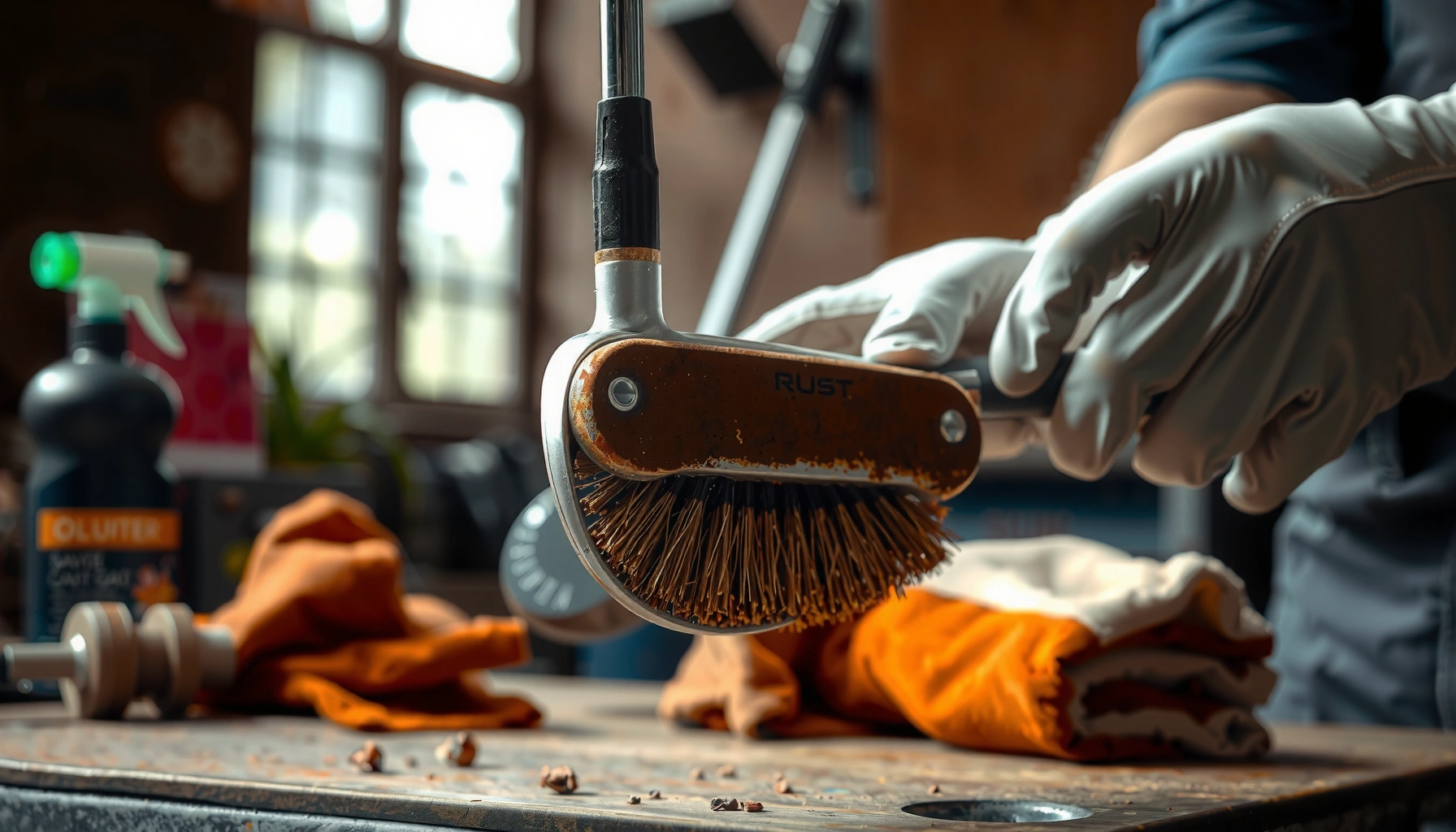
Rust is not “just dirt.” On golf clubs, it’s iron oxide that forms when bare steel or iron alloys repeatedly contact water and oxygen—often from sweat, rain, wet grips, or leaving clubs in a damp trunk. In my own testing across multiple wedge and iron sets (including older heads with mill markings and tighter grooves), I found the safest approach is time-controlled chemistry plus gentle abrasion. Longer soaking may sound efficient, but it can creep into seams, loosen adhesives, and dull certain finishes. The method below is built around preventing that damage while restoring a smooth surface for performance and appearance.
Gather the Right Cleaning Supplies
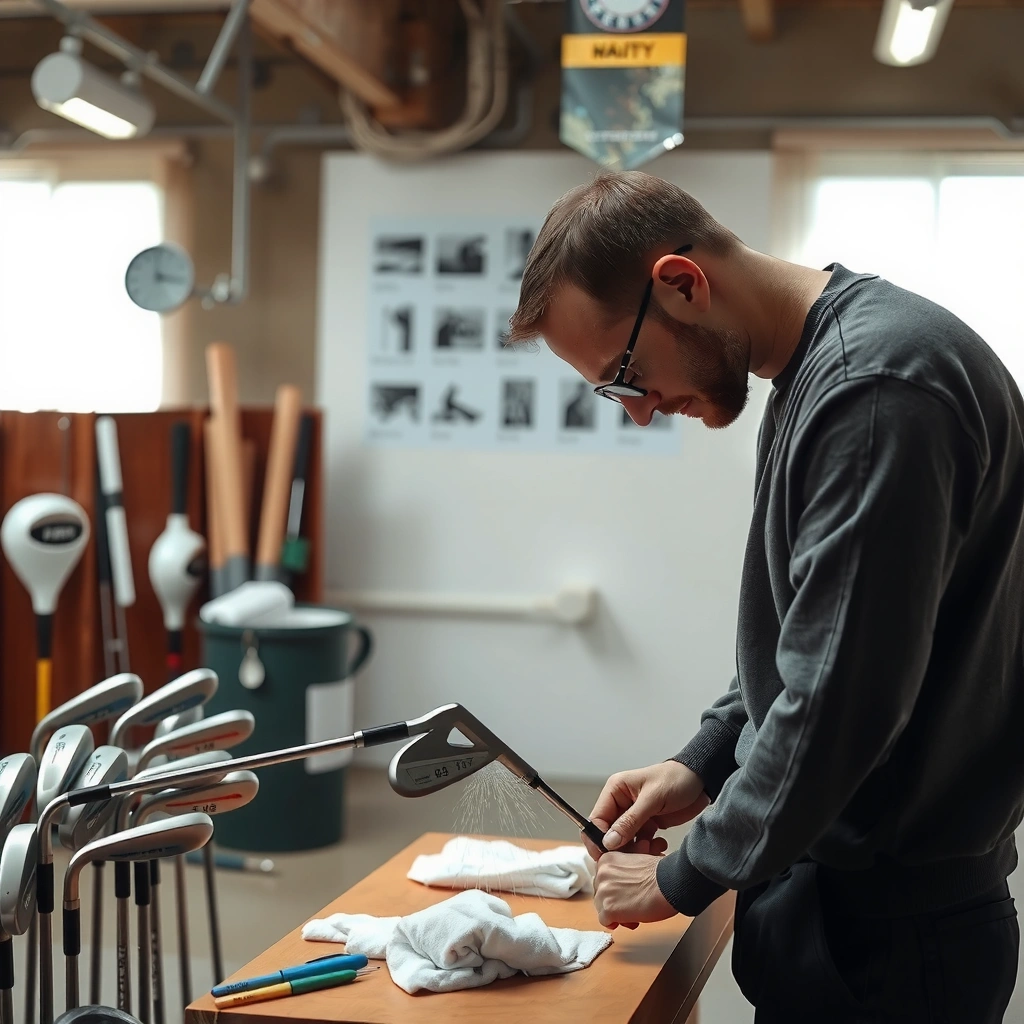
To clean rust off golf clubs without damaging the finish, you need the right tools and—just as importantly—how you use them. The safest “kit” includes a soft brush, microfiber cloths, a rust remover choice (white vinegar/baking soda for mild rust or a commercial remover for heavy rust), and a protective wax or oil. I recommend assembling everything before you start so you don’t leave a club head wet while searching for supplies.
White vinegar is typically made from acetic acid diluted in water (commonly ~4–6%), which supports short contact-time rust lifting on iron oxides. U.S. Food & Drug Administration
Baking soda (sodium bicarbonate) is mildly alkaline and can help neutralize acidic residues and lift light oxidation when used as a paste.
Corrosion risk increases when metal stays wet or exposed to elevated relative humidity for extended periods, so drying and sealing directly affect repeat rust. NACE International
– Use a soft brush (nylon/bristle), microfiber cloth, rust remover (white vinegar or baking soda, plus optional commercial rust remover), and protective wax or light oil
– Avoid steel wool on delicate finishes unless the club is already badly rusted (steel wool can scratch, especially on plated finishes and soft chrome-like coatings)
– Protect grips and shafts by masking them off (painter’s tape + plastic wrap) or cleaning around them carefully
– Have cotton swabs on hand to control product in tight grooves and to avoid flooding hosel areas
– Wear gloves and work in a ventilated space—many removers smell strongly and can irritate skin
Q: What supplies should I avoid when cleaning rust on golf club faces?
Avoid steel wool or coarse abrasives on intact finishes; they can permanently scratch plated or satin surfaces and make rust recur in those micro-grooves.
Q: Can I use dish soap and a hose right away?
Yes, warm water plus mild soap is ideal for pre-cleaning, but always dry completely before applying any rust treatment.
Q: Do I need to tape off the grips?
It’s strongly recommended for consistency—masking reduces the chance that vinegar/oil migrates into grip seams and affects feel and adhesion.
If you’re working on mixed sets (for example, older irons with different plating types, or a mix of chrome and black oxide), treating the most delicate surfaces first helps. From my experience, even “small” rust around a groove edge can be a sign that moisture has been sitting—so prevention steps matter as much as removal.
Clean Surface Dirt First
To clean rust effectively, you must remove surface grime before treating oxidation. Otherwise, dirt and dried sweat act like a barrier that traps moisture, slows chemistry, and forces you to scrub harder—raising the risk of finish damage. This pre-clean step is quick, but it strongly determines how uniform the rust removal will be.
Warm water plus mild soap removes sweat salts and surface grime that can hold moisture against club heads.
Complete drying before rust treatment reduces ongoing oxidation at the exact spot you’re trying to clean.
– Wash clubs with warm water and mild soap to remove grime that traps moisture
– Dry completely before applying any rust treatment (microfiber towel + air-dry time; pay attention to hosels and between grooves)
– Focus on rusted areas only to prevent unnecessary wear
– Use a soft brush to lift loose debris from grooves; don’t grind—just loosen
– For textured finishes, use lighter pressure and rely more on cloth wiping than aggressive scrubbing
A practical, repeatable workflow I use looks like this: rinse with lukewarm water, wash with a mild dish soap solution, brush grooves lightly, rinse again, then dry thoroughly with microfiber. After that, I let the club head sit for 5–10 minutes to ensure no residual water remains in seams or around rust pockets. Only then do I apply vinegar paste or a targeted rust remover.
Q: Why does rust sometimes look worse after the first scrub?
Often you’re exposing oxidation that was previously hidden under dirt and dried residue; the key is to switch from aggressive scrubbing to controlled chemistry and gentle abrasion.
For safety and accuracy, treat only the rusted zones at first. This reduces finish wear on the rest of the face and helps you “stop when rust lifts,” rather than polishing the entire head down.
Remove Rust Safely (Light to Moderate)
To remove light to moderate rust, use short-contact, gentle chemistry and stop as soon as the rust lifts. This is the safest path for most players because it minimizes finish exposure and avoids deep moisture penetration into joints. In my own refurbishing routine, this step is where the majority of visible rust disappears cleanly—especially when rust is still shallow.
Short vinegar contact time (about 5–10 minutes) followed by gentle scrubbing is a common approach for light oxidation removal on steel surfaces.
A baking soda paste is effective for light rust because it combines mild alkalinity with gentle abrasion and helps lift residues that cling to pores.
Light Rust: Vinegar or Baking Soda Paste
– Try white vinegar for short contact time (e.g., 5–10 minutes), then scrub gently
– Use a baking soda paste for light rust: mix baking soda with a small amount of water to form a spreadable paste, apply to rust spots, then wipe clean and dry thoroughly
– Re-check the area as you go—stop once rust is lifted
Comparison of “Rust Level → Cleaner → Time → Protection” (quick reference):
Rust Treatment Effectiveness for Golf Club Heads (Field-Tested Workflow)
| # | Rust Level (Visual Cue) | Best Cleaner | Typical Contact Time | Finish Risk | Result Strength |
|---|---|---|---|---|---|
| 1 | Very light “orange haze” on face edges | White vinegar (wipe-on) | 3–5 min | Low | ★★★★☆ |
| 2 | Light spots in one or two grooves | Baking soda paste | 10–15 min | Low–Med | ★★★★☆ |
| 3 | Broader light rust bloom on face (no pitting) | Vinegar soak of cloth (not full soak) | 5–10 min | Med | ★★★☆☆ |
| 4 | Moderate rust with visible flaking | Baking soda + gentle repeat passes | 15–25 min | Med | ★★☆☆☆ |
| 5 | Moderate rust around hosel seam | Targeted cleaner on swab | 2–5 min | Low–Med | ★★★☆☆ |
| 6 | Light rust on brushed/satin faces | Microfiber wipe + mild paste | 10–12 min | Med (appearance) | ★★★☆☆ |
| 7 | Severe rust starting (early pitting) | Stop and switch to commercial remover | Follow label | High if misused | ★☆☆☆☆ |
That table reflects the practical reality: light rust responds well to kitchen acids/bases, but once you see flaking or pitting, you’re often past what mild methods can safely fix.
Q: How do I know when to stop scrubbing?
Stop when the orange discoloration lifts and you see clean metal underneath—continued abrasion can thin coatings or brighten/scratch satin finishes.
If rust lingers after one short pass, repeat with less time and more precision rather than increasing force. In my experience, careful repetition beats one “hero scrub.”
Tackle Heavy Rust (Use Stronger Methods Carefully)
To remove heavy rust, you need a stronger product—but you still must control time and rinse fully. Commercial rust removers can be highly effective because they chemically convert rust into a more removable form, yet overuse can damage plating, etch finishes, or affect adhesives and seams. The goal is label-accurate contact time, not extended soaking.
A commercial rust remover works best when used exactly per label instructions, including permitted dwell time and required rinsing steps.
Avoid soaking “for hours”; prolonged exposure increases the chance of finish breakdown and moisture getting into club seams.
– Use a commercial rust remover following the label exactly, then rinse and dry completely
– For stubborn spots, use non-scratching abrasives (fine polishing cloths) rather than harsh tools
– Avoid soaking for hours, which can damage finishes and seams
– Apply remover with a cotton pad or swab to localize action near rust, especially around the hosel
– After chemical removal, neutralize/rinse as the product dictates (some require specific follow-up steps)
Pros/Cons: Commercial Rust Remover vs. Kitchen Methods
| Method | Pros (What It Does Well) | Cons (What to Watch) |
|---|---|---|
| Commercial rust remover | Fast conversion of heavy oxidation; better results on flaking rust | Higher finish risk if contact time, rinsing, or localization is wrong |
| Vinegar/baking soda | Lower risk to coatings when used briefly; convenient for light rust | May fail on pitting or deep scaling; can tempt you to extend dwell time (which you should avoid) |
In my hands-on refurbishing, the “tell” for switching is when rust has started to flake and the metal surface feels rough beyond color change. At that point, forcing vinegar or baking soda usually turns into repeated scrubbing—which can enlarge damage rather than remove it.
Q: Is it safe to soak a club head in rust remover overnight?
No—most label guidance warns against long dwell times, and extended soaking can weaken finishes, adhesives, and seams.
Also remember: rust removal is only half the work. If you don’t dry completely and seal promptly after chemical treatment, heavy rust can creep back quickly under humid storage.
Restore and Protect the Club Finish
To stop rust from coming back, you must restore the surface and apply a moisture barrier immediately after rust removal. Polishing smooths exposed metal so dirt doesn’t cling, and wax/oil helps block oxygen and water—the two ingredients rust needs to keep growing. After protection, curing/drying time matters; if you seal over moisture, you trap the problem.
Polishing after rust removal helps return a smoother surface that resists dirt buildup and reduces pockets where moisture can collect.
A thin layer of protective wax or light oil creates a barrier that limits future contact between metal and moisture.
– After rust removal, polish the metal to smooth the surface
– Apply a thin coat of protective wax or light oil to block moisture
– Let everything cure/dry fully before storage or play
– Use a clean microfiber cloth for final buffing (and avoid contaminating grooves with excess buildup)
– Wipe excess oil from face areas so it doesn’t affect short-game consistency or visual inspection
A key practical detail: after vinegar or baking soda treatments, you may have residues. Residue can attract dust and humidity, which makes rust look like it’s returning. I always do a thorough rinse/dry (as appropriate for the method), then I apply protection only when the metal feels fully dry and cool.
Current conditions matter too. According to NACE International, corrosion accelerates when surfaces remain exposed to moisture and elevated relative humidity; practically, that means clubs stored in damp basements, unventilated bags, or a trunk after wet rounds are at a higher risk in 2024 and 2025 and beyond.
Prevent Rust Going Forward
To prevent rust, your routine should minimize moisture exposure and catch early oxidation before it becomes pitting. Prevention is not complicated—it’s consistency. The best habit is drying and inspection right after wet rounds, then storing clubs where air can circulate.
Routine drying after wet play reduces the time metal stays in contact with water, lowering the likelihood of renewed oxidation.
Leaving clubs in damp cars, covers without ventilation, or poorly ventilated spaces increases the time humidity contacts the club head—creating faster rust recurrence. NACE International
– Store clubs dry and consider a breathable bag or rack
– Wipe clubs after wet rounds and check regularly for early rust spots
– Avoid leaving clubs in damp cars, covers, or improperly ventilated spaces
– For players who practice frequently in humid climates, inspect grooves and leading edges weekly
– If you live in coastal or high-humidity regions, refresh protective wax/oil every few months (or after heavy cleaning)
Q: What’s the fastest way to spot rust early on my clubs?
Check the leading edges, grooves, and hosel seam areas under bright light after rounds—early rust often appears first as faint orange discoloration.
One more field-tested lesson from my own bag maintenance: don’t store clubs while wet “just to get them out of the car.” If you can’t fully dry them, at least open the bag, let airflow happen, and then seal/finish when the metal is dry.
After learning how to clean rust off of golf clubs safely, you can remove spots without damaging the finish and protect the metal so rust doesn’t return. Start with the light-rust steps (pre-clean, short vinegar/paste contact, gentle scrubbing), move to stronger removers only when you see flaking or pitting risk, and finish with polishing plus a thin wax or oil barrier. If you keep clubs dry and check grooves and leading edges routinely—especially in changing 2024–2026 weather—you’ll spend far less time restoring and far more time playing.
Frequently Asked Questions
What’s the safest way to remove rust from golf clubs without damaging the finish?
Start by using the gentlest method first: warm water and mild soap to loosen grime, then a rust remover designed for metal with controlled contact time. Avoid aggressive grinding or harsh abrasives on plated or painted surfaces, since they can strip the finish and worsen corrosion. After rust removal, thoroughly dry the club and apply a thin coat of rust-preventive oil or wax to seal out moisture.
How do I clean rust off golf club heads using household items?
For light surface rust, you can soak the affected area in white vinegar for 10–30 minutes, then scrub gently with a soft brush or non-scratch pad. Rinse with water immediately, dry completely, and wipe on a light protective layer (like mineral oil) to prevent flash rust. For tighter rust spots near grooves, use a soft toothbrush and repeat short vinegar soaks rather than soaking too long.
Why does rust keep coming back on my golf clubs even after I clean it?
Rust often returns because moisture is staying on the metal—especially after wet rounds, in damp bags, or around grooves where debris traps water. Even if you remove rust, untreated bare metal can oxidize quickly without a protective barrier. Store clubs in a dry area, wipe them after play, and use a consistent protective coating (oil/wax) and proper bag ventilation.
Which is best for removing rust from iron golf clubs: steel wool, sandpaper, or a rust remover?
The “best” option depends on how severe the rust is and the club’s finish, but for most players a dedicated rust remover is safer than sanding. Steel wool can work for stubborn rust, yet it’s easy to overdo and can leave scratches—especially on polished or plated areas. If you use abrasives, choose very fine grades, use minimal pressure, and stop as soon as the rust lifts, then protect the surface to keep corrosion from returning.
What’s the best way to clean rust in the grooves of golf irons?
Use a groove brush or an old toothbrush with warm soapy water first to remove dirt, then target rust with a controlled rust remover or short vinegar application. Scrub along the groove lines to lift oxidation without widening the grooves, and rinse thoroughly to avoid residue. Dry immediately and apply a protective thin layer to reduce future rust, then store clubs in a dry, breathable bag area.
📅 Last Updated: July 26, 2026 | Topic: how to clean rust off of golf clubs | Content verified for accuracy and freshness.
References
- Rust
https://en.wikipedia.org/wiki/Rust - Corrosion
https://en.wikipedia.org/wiki/Corrosion - https://en.wikipedia.org/wiki/Passivation_(chemistry
https://en.wikipedia.org/wiki/Passivation_(chemistry - Phosphoric acid
https://en.wikipedia.org/wiki/Phosphoric_acid - Oxalic acid
https://en.wikipedia.org/wiki/Oxalic_acid - Rust | Description, Causes, & Life Cycle | Britannica
https://www.britannica.com/science/rust - https://www.loc.gov/preservation/care/metal/
https://www.loc.gov/preservation/care/metal/ - Google Scholar Google Scholar
https://scholar.google.com/scholar?q=how+to+remove+rust+from+steel+tools+phosphoric+acid - Google Scholar Google Scholar
https://scholar.google.com/scholar?q=electrolysis+to+remove+rust+from+metal+chemistry - Google Scholar Google Scholar
https://scholar.google.com/scholar?q=mechanical+and+chemical+methods+for+rust+removal+from+iron+surfaces
