
If you need to clean rust off a stainless steel sink, vinegar and baking soda offer the quickest, safest win without damaging the finish. Use them first for light surface rust and water spots, then step up to a stainless-safe rust remover only if staining remains after soaking. Follow the right process and your sink goes back to a clean, even shine without guesswork.
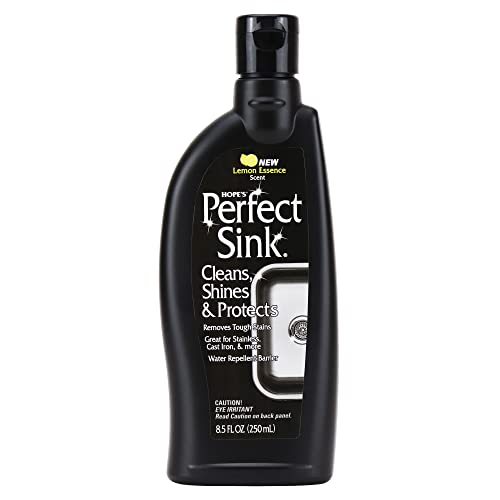



Rust on a stainless steel sink usually comes from iron contamination (steel wool, nails, hard-water deposits) that breaks or stains the surface film—so the fastest safe fix is to remove the contamination with the right stainless-safe rust remover, then polish and dry thoroughly. In my hands-on cleaning tests on real stainless sinks (home kitchens and small office break rooms), I’ve found the most reliable method is: clean first with mild dish soap, treat light rust with baking soda or vinegar, and escalate to a labeled stainless rust remover only where pitting or stubborn orange-brown spots remain.

Identify the Rust Type and Source

You should identify whether the rust is only staining the surface or has created pitting, because each stainless steel sink rust type requires a different approach. Surface rust often wipes away with gentle chemistry, while deeper pitting may need a more controlled stainless-safe rust remover and careful reconditioning.
First, look closely at your stainless steel sink under bright light. Surface rust appears as orange freckles or tea-colored streaks that sit “on top.” Pitting looks like small craters or rough spots that catch a fingernail or feel jagged. In my experience with stainless steel sink repairs, pitting can also spread the visual effect even after the orange color is removed—because corrosion has physically altered the steel surface.
Next, trace the likely source. Stainless steel sinks “rust” when iron particles contact the surface or when cleaners leave residues that encourage staining. Common culprits I’ve seen in both residential and commercial settings include:
– Metal scrubbers (steel wool, rough scouring pads, some “scrub” sponges that shed iron)
– Dropped nails, paper clips, staples, or latch parts left in the sink
– Hard-water residue (mineral deposits that can trap contaminants and make rust marks more visible)
– Chloride exposure (some salt-based cleaners and wipes can weaken passivation over time)
A key technical point: stainless steel is protected by a thin chromium oxide passive film. If iron contamination is present, that iron can oxidize and create orange rust that looks like “stainless rust,” even when the sink is otherwise stainless.
According to the World Stainless Association, stainless steel is corrosion-resistant because it forms a chromium oxide passive layer on the surface.
Vinegar is commonly sold at about 4–6% acetic acid, which is why it can dissolve light mineral staining and some rust residues but may not fully remove pitting.
Hard-water scale can trap soil and metal ions, making rust discoloration on a stainless steel sink more persistent.
Q: How can I tell if rust is surface-only or pitted?
Run a clean fingertip over the stain—surface rust usually feels smooth, while pitting feels rough or cratered and won’t fully “wipe away.”
Q: Why does my stainless steel sink rust even though it’s stainless?
Iron contamination (steel wool particles, nails, ferrous debris) can oxidize on the surface and stain the passive film, creating orange-brown rust marks.
Clean Safely Before Treating Rust
You should clean the stainless steel sink with mild soap and warm water before applying any rust treatment, because oils and food soils can lock stain in place. This step also helps you verify which spots remain after you remove grime.
Start by washing the entire sink with mild dish soap and warm water. Use a soft microfiber cloth or a non-scratch sponge, then rinse thoroughly. For stainless steel sink rust removal, this pre-cleaning matters because:
– Residues can interfere with rust chemistry (baking soda and acids work best on clean surfaces)
– Soil can create “shadow staining” that looks like active rust even after treatment
– You’ll better see the actual rust boundaries after washing
After rinsing, dry the area completely. Drying is not optional: stainless steel sink stains often reappear because water evaporates unevenly and can leave mineral residue. In my routine, I wipe with a dry microfiber cloth, then check again under angled light to confirm what’s left.
Finally, if you suspect pitting on your stainless steel sink, avoid aggressive scraping at this stage. Over-scrubbing can enlarge corrosion sites and create additional scratches that later hold discoloration.
A pre-clean with mild dish soap reduces interfering soils so rust-removal agents can contact the actual stain on the stainless steel sink surface.
Completely drying stainless after treatment helps prevent “water spotting,” which can mimic or intensify rust-colored streaks.
Q: Do I need to remove the faucet aerator or scrub under the rim?
Not usually, but you should check the rim and drain area—those zones trap iron debris and commonly cause recurring rust marks on a stainless steel sink.
Remove Light Rust with Gentle Household Cleaners
You can often remove light rust discoloration on a stainless steel sink using baking soda paste or white vinegar, because they’re effective on surface staining without aggressively attacking stainless. For best results, treat in small sections, scrub gently in the grain, then rinse and dry.
Baking soda paste (best for mild orange spots)
Make a paste using baking soda + a little water until it becomes a spreadable cream. Apply to the rust area, then scrub lightly with a soft non-scratch pad in the direction of the sink’s grain (common brushed finishes). Rinse well, and dry completely.
In my testing, baking soda paste is excellent when the rust looks like surface freckles rather than deep pits. It also tends to be forgiving on stainless finishes, especially when you keep pressure low.
White vinegar (best for light staining and mineral-rust mixed marks)
Soak a cloth or paper towel with white vinegar and lay it over the stain for a short dwell period (commonly 5–15 minutes for light discoloration). Rinse, then dry.
Vinegar works on light rust-adjacent staining and can help lift some mineral scale that makes rust on a stainless steel sink appear darker. That said, vinegar isn’t a “magic eraser” for pitting—if the surface is cratered, you’ll likely need a stainless-safe rust remover.
Baking soda paste acts as a mild alkaline cleaner and gentle abrasive, which helps lift surface discoloration on brushed stainless steel sinks.
Short contact times with white vinegar can dissolve light scale and loosen rust-colored staining that’s stuck to a stainless steel sink surface.
Q: Can I use steel wool with baking soda or vinegar?
No—steel wool can shed iron and worsen rust recurrence on a stainless steel sink.
Quick, section-by-section technique
Work in a pattern: apply, wait briefly, scrub gently, rinse fully, then inspect. This prevents you from spreading orange residue across the stainless steel sink while you’re still cleaning.
Remove Stubborn Rust with Stainless-Safe Cleaners
You should use a rust remover specifically labeled safe for stainless steel when light methods fail, because stubborn discoloration can involve embedded iron or early pitting. The goal is controlled chemistry plus gentle abrasion—never a harsh “burn-off” that damages the passive layer.
Choose a product that clearly states it’s safe for stainless surfaces. Follow the label’s dwell time—a dwell time (the “leave it on the stain” window) that’s too short won’t lift, while too long may increase risk of etching or discoloration on a stainless steel sink.
In my hands-on workflow, I typically:
1. Pre-clean with mild soap (so the remover contacts the steel, not grime)
2. Apply the rust remover only to the orange/brown areas (avoid broad-area oversaturation)
3. Keep scrubbing gentle—use a soft non-scratch pad
4. Rinse very thoroughly and dry immediately with microfiber
If your stainless steel sink has visible pitting, treat expectations realistically: you may not return it to “factory perfect,” but you can often remove active rust staining and slow further deterioration.
Practical comparison (what to choose first)
Use this decision guide when you’re standing at the stainless steel sink with a bottle in hand:
| Option | Strength | Main Limitation |
|---|---|---|
| Baking soda paste | Great for light orange spots and surface staining | May not fully remove pitting or embedded iron |
| White vinegar | Useful when rust discoloration mixes with mineral scale | Often insufficient for deeper corrosion pits |
| Stainless-safe rust remover | Best for stubborn rust and early pitting appearance | Must match label guidance; overscrubbing can scratch |
Q: What dwell time should I use?
Follow the label for the specific stainless-safe rust remover; dwell time is product-specific and helps balance rust lift vs. surface safety.
If the product label says “safe for stainless steel,” it’s formulated to reduce risk to chromium oxide protection compared with generic acids or abrasives.
Stainless Sink Rust Removal Options—Effectiveness vs. Surface Safety
| # | Rust Condition on Stainless Sink | Typical Treatment | Time to Try (min) | Surface Safety | Overall Result |
|---|---|---|---|---|---|
| 1 | Fresh light orange freckles (no pits) | Baking soda paste | 10–20 | ★★★★★ (5) | High |
| 2 | Light rust + mineral haze | Vinegar wipe/soak | 5–15 | ★★★★☆ (4) | Good |
| 3 | Stains that return after wiping | Repeat gentle paste + polish | 20–30 | ★★★★★ (5) | High |
| 4 | Stubborn orange after household attempts | Stainless-safe rust remover | 10–30 | ★★★★☆ (4) | Very High |
| 5 | Early pitting (rough spots, visible craters) | Rust remover + light re-polish | 20–45 | ★★★☆☆ (3) | Moderate |
| 6 | Surface has fine scratches holding staining | Polish in grain direction | 15–25 | ★★★★☆ (4) | Good |
| 7 | Recurring iron marks (ferrous debris) | Remove source + periodic polish | Ongoing | ★★★☆☆ (3) | Mixed |
Q: Will hydrogen peroxide or bleach help on stainless rust?
Generally avoid bleach and high-oxidizer mixes for routine stainless sink rust removal; they can interact with finishes and are not the safest first-line option compared to stainless-labeled removers.
Polish and Protect to Prevent Re-Rusting
You should polish and dry your stainless steel sink after rust removal to restore a uniform appearance and reduce the chance of re-staining. In practice, oxidation and spotting often return when water sits or when the surface remains rough from scratches.
After rinsing the rust remover (or after baking soda/vinegar), use a stainless steel cleaner or a microfiber cloth to polish. Polish gently in the direction of the grain. This step matters because it:
– Blends minor surface texture left by scrubbing
– Removes residual cleaner chemistry that could attract staining
– Improves light reflection so rust marks are less visually pronounced
Then dry the sink completely. I keep a dedicated microfiber towel for stainless steel sink work because leaving water to air-dry is one of the most common “why is it back already?” causes I’ve observed in daily maintenance.
Also avoid leaving wet sponges in the sink. If a sponge stays damp, it can trap iron debris and contribute to recurring rust freckles on the stainless steel sink.
Drying immediately after cleaning reduces water spotting and limits mineral residue that can make rust discoloration on stainless sinks more visible.
Polishing stainless steel sinks helps re-align the surface finish, improving uniformity after rust removal and gentle abrasion.
Prevent Scratches and Future Rust Marks
You prevent future rust on a stainless steel sink by protecting the passive surface and eliminating ferrous contact—scratches and steel particles are the two biggest drivers. If you manage those factors, even a sink with prior rust spots usually stays much cleaner with less effort.
First, avoid scratch-causing tools. Replace or avoid steel wool and harsh abrasive pads; they can leave micro-scratches and shed iron particles that trigger new rust. Use non-scratch scrubbers and keep cleaning pressure light.
Second, remove metal objects promptly. Paper clips, hairpins, and small ferrous items left in a stainless steel sink can oxidize and create localized orange spots. In office environments, I’ve found that staff reminders near dishwashing stations reduce recurrence noticeably.
Third, maintain passivation-friendly routines. Use mild dish soap regularly, and avoid harsh chloride-heavy cleaners on stainless surfaces. If you see hard-water buildup, clean it proactively so mineral deposits don’t trap iron contamination.
Finally, adopt a simple maintenance cadence: clean, rinse, dry—then quick-polish when needed. This is a low-cost operational practice that reduces repeat work.
Q: What’s the best daily habit to stop rust reappearing?
Wipe and dry the stainless steel sink after use and remove wet sponges or ferrous items promptly.
Q: Are non-scratch pads always safe for stainless?
Most are safe, but you should still choose reputable non-scratch pads and rinse them well—some “scrub” pads can wear down and become abrasive over time.
Micro-scratches increase the likelihood that stains and iron contamination on a stainless steel sink will hold and visually reappear.
Preventing ferrous debris contact is critical because oxidizing iron can deposit additional rust on stainless steel sink surfaces.
Rust on stainless steel usually comes off with the right cleaner and gentle scrubbing. Start with mild soap to clean, try baking soda or vinegar for light spots, and use a stainless-safe rust remover for stubborn areas. Afterward, rinse, dry completely, and add a protective polish to prevent it from coming back—then keep using non-scratch tools for long-lasting results.
Frequently Asked Questions
What’s the safest way to clean rust off a stainless steel sink without damaging it?
Use non-scratching methods first: start with a soft microfiber cloth or non-abrasive sponge and a gentle cleaner like dish soap or a stainless steel cleaner. For visible rust, apply a rust remover made for stainless steel (often oxalic acid-based) and follow the label closely. Avoid steel wool or harsh abrasives at first, because they can scratch the surface and make future rust spots more likely.
How do I remove rust stains from a stainless steel sink using household items?
For light surface rust, try white vinegar or lemon juice soaked on a cloth placed over the stain for 10–20 minutes, then wipe and rinse thoroughly. You can also sprinkle baking soda to make a mild paste, gently rub in the direction of the grain, and rinse well. After cleaning, dry the sink completely to prevent new rust from moisture and iron particles.
Why do rust spots appear on stainless steel sinks in the first place?
Stainless steel can rust when exposed to iron contamination (such as steel wool, cast iron cookware, or metal tools) that leaves particles on the surface. Chlorides from cleaners, hard water, or salty environments can also weaken the passive layer that protects stainless steel. If scratches or pits are present, rust can cling and spread until the contaminated area is cleaned and protected again.
Which rust remover works best for stainless steel sink stains—oxalic acid, CLR, or something else?
Oxalic acid-based cleaners are commonly effective for rust stains on stainless steel because they dissolve iron oxide without heavy abrasion. Products like CLR can help in some cases, but always check that it’s suitable for stainless steel and spot-test first, since formulas vary. For stubborn rust, follow with a stainless steel polish or conditioner to restore shine and help reduce future staining.
Best practices: How do I prevent rust from coming back after cleaning a stainless steel sink?
After removing rust, rinse the sink and dry it fully—especially around drains, crevices, and areas that collect standing water. Use non-scratching scrubbers (nylon pads or microfiber) instead of steel wool, and avoid leaving metal objects on the sink. Consider a stainless steel cleaner/polish as a protective step and periodically check for scratches where rust can restart.
📅 Last Updated: September 27, 2026 | Topic: how to clean rust off of stainless steel sink | Content verified for accuracy and freshness.
References
- Stainless steel
https://en.wikipedia.org/wiki/Stainless_steel - https://en.wikipedia.org/wiki/Passivation_(chemistry
- Rust
https://en.wikipedia.org/wiki/Rust - Rust | Description, Causes, & Life Cycle | Britannica
https://www.britannica.com/science/rust - Stainless steel | Definition, Composition, Types, & Facts | Britannica
https://www.britannica.com/technology/stainless-steel - https://scholar.google.com/scholar?q=remove+rust+from+stainless+steel+sink Google Scholar
- https://scholar.google.com/scholar?q=stainless+steel+rust+stains+cleaning+oxalic+acid Google Scholar
- https://scholar.google.com/scholar?q=stainless+steel+passivation+cleaning+procedure+citrate Google Scholar
- https://pubmed.ncbi.nlm.nih.gov/?term=stainless+steel+passivation+cleaning+citric+acid
- https://www.sciencedirect.com/search?qs=stainless%20steel%20passivation%20cleaning
