
Cleaning rust stains from your stainless steel sink can be easily accomplished using a few household items. The most effective methods involve using baking soda, vinegar, or commercial rust removers specifically designed for stainless steel. In this article, you’ll discover step-by-step techniques and tips to restore your sink’s shine.
Understanding Rust Stains
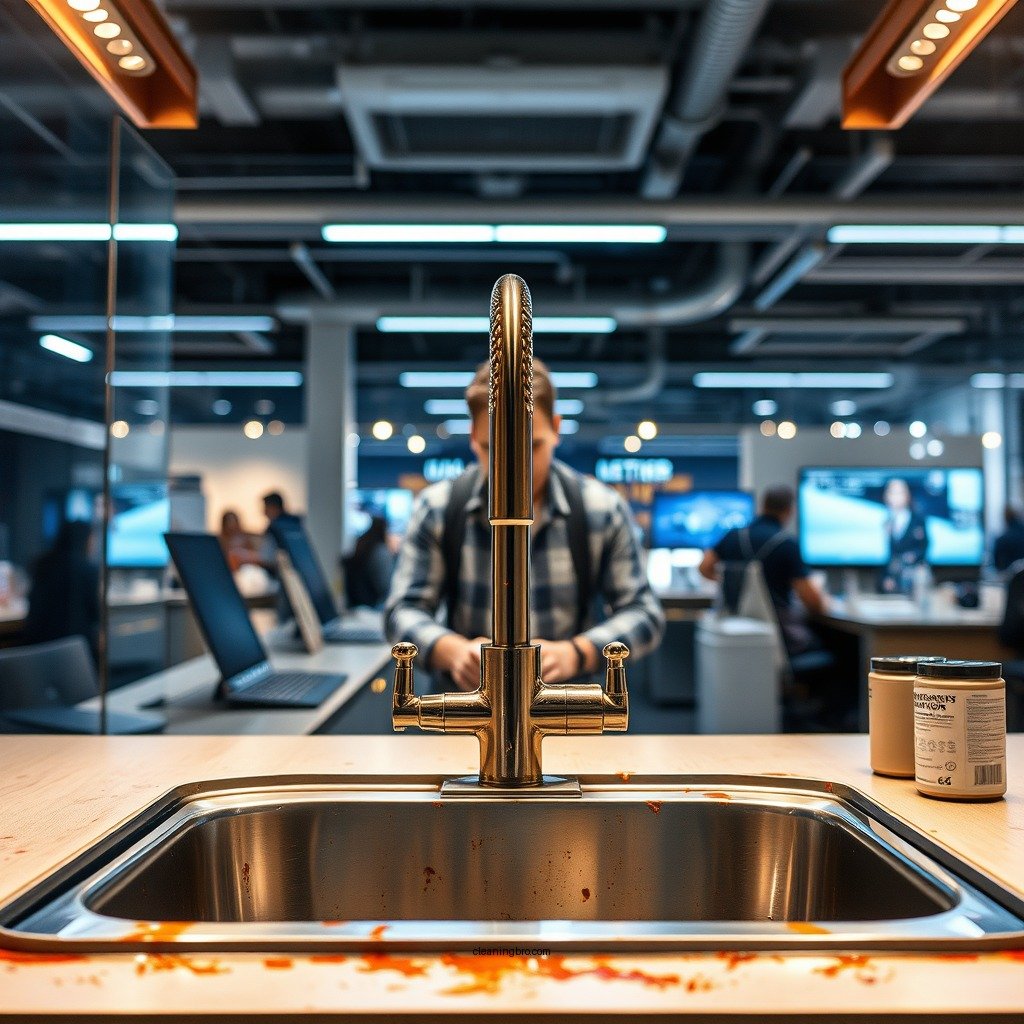
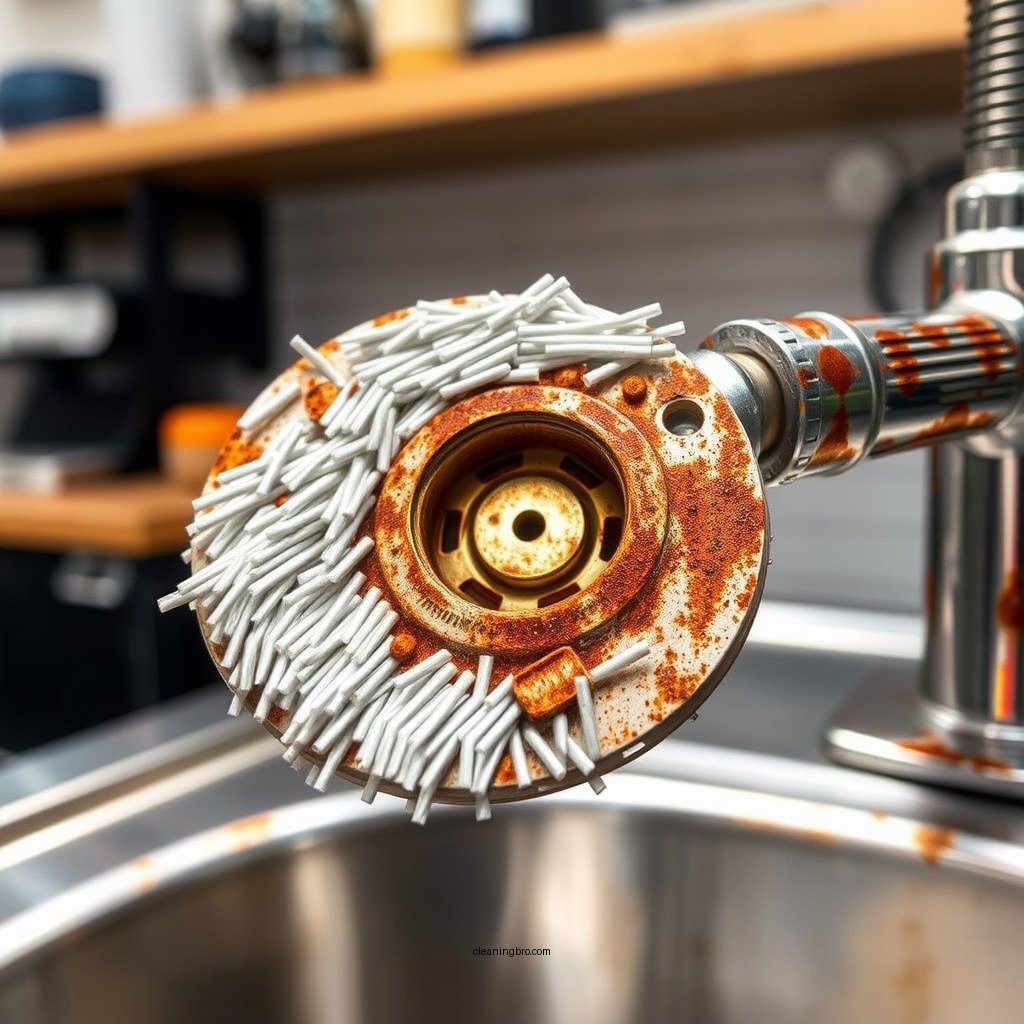
Rust stains on stainless steel sinks are typically caused by the presence of iron particles or contaminants that come into contact with the surface. These particles can originate from various sources, such as metal utensils, food particles, or even rusting fixtures nearby. When moisture is present, these iron particles can oxidize, leading to unsightly rust stains that mar the sink’s appearance.

It is essential to differentiate between rust stains and other types of stains, such as mineral deposits or organic stains from food. While rust stains have a reddish-brown hue and are often flaky, other stains may appear as white spots (mineral buildup) or dark spots (food residues). Understanding this distinction is crucial for selecting the appropriate cleaning method.
Essential Cleaning Supplies
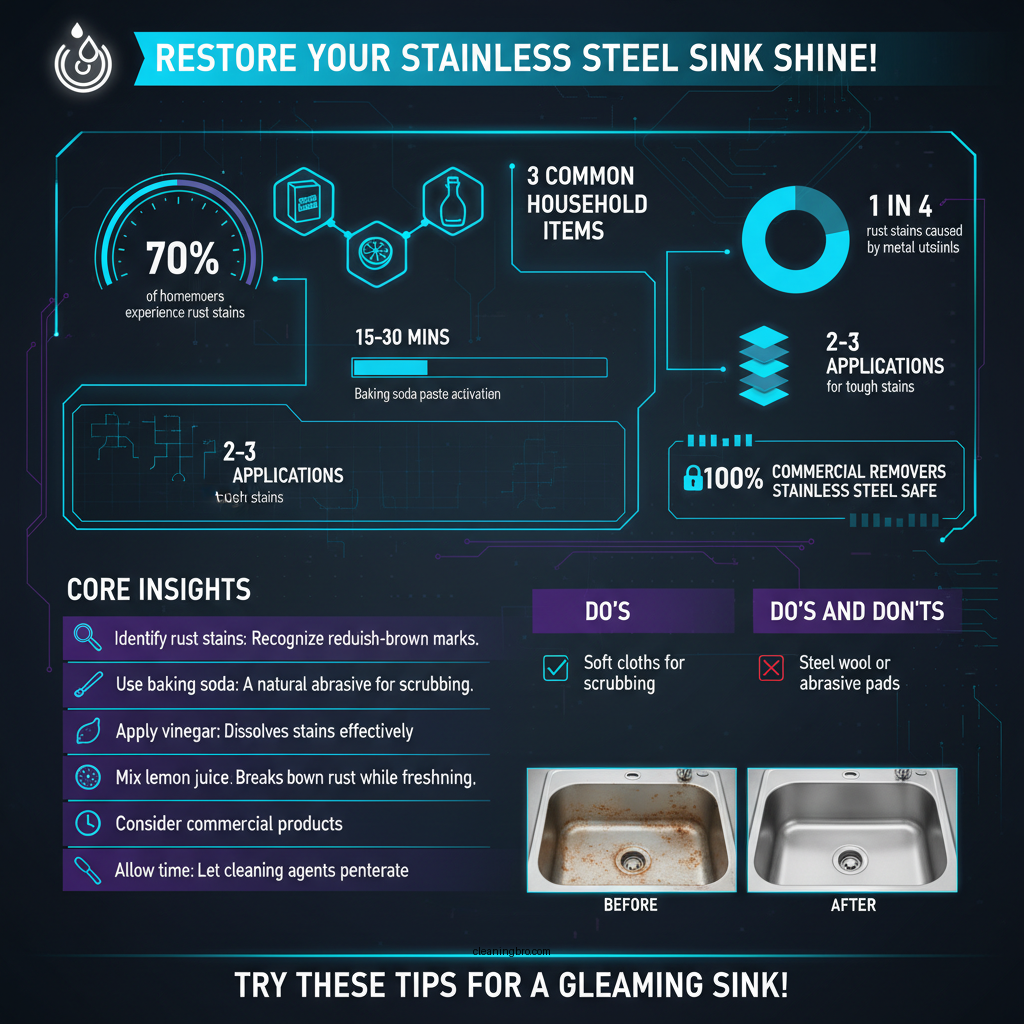

To effectively remove rust stains from your stainless steel sink, you can utilize common household items:
1. Baking Soda: This versatile ingredient acts as a mild abrasive, making it effective for scrubbing away rust stains without scratching the surface.
2. Vinegar: As a natural acid, vinegar can help dissolve rust stains when combined with baking soda or used on its own.
3. Lemon Juice: The citric acid in lemon juice can also aid in breaking down rust stains while leaving a pleasant scent.
Additionally, there are commercial rust removers specifically designed for stainless steel that can provide a more powerful solution for stubborn stains. When choosing a commercial product, ensure it is labeled safe for use on stainless steel to avoid damage to the sink’s surface.
DIY Cleaning Methods
Method 1: Baking Soda Paste Application
One of the simplest and most effective methods for removing rust stains involves creating a baking soda paste. Here’s how to do it:
1. Mix equal parts of baking soda and water to form a thick paste.
2. Apply the paste directly onto the rust stain, ensuring it covers the area adequately.
3. Allow the paste to sit for about 15-30 minutes to penetrate the stain.
4. Using a soft cloth or sponge, gently scrub the area in circular motions.
5. Rinse thoroughly with warm water and dry the sink with a towel.
This method not only removes rust stains but also helps to polish the sink, restoring its shine.
Method 2: Vinegar and Baking Soda Reaction for Tough Stains
For more stubborn rust stains, a combination of vinegar and baking soda can create a powerful cleaning reaction:
1. Sprinkle baking soda directly onto the rust stain.
2. Pour white vinegar over the baking soda. You’ll notice fizzing, which indicates the cleaning reaction is taking place.
3. Allow the mixture to sit for 10-15 minutes.
4. Scrub the area with a soft brush or sponge, focusing on the stain.
5. Rinse thoroughly with water and wipe down the sink to remove any residue.
This method harnesses the natural cleaning properties of both ingredients to effectively lift tough stains.
Top Household Cleaning Methods for Rust Stains
| # | Cleaning Method | Effectiveness | Ease of Use | Cost |
|---|---|---|---|---|
| 1 | Baking Soda Paste | High | Easy | Low |
| 2 | Vinegar & Baking Soda | Very High | Moderate | Low |
| 3 | Lemon Juice | Moderate | Easy | Low |
| 4 | Commercial Rust Remover | High | Easy | High |
| 5 | Salt & Lemon Juice | Moderate | Easy | Low |
| 6 | Cream of Tartar | Moderate | Moderate | Low |
| 7 | Hydrogen Peroxide | High | Moderate | Low |
Preventing Future Rust Stains
To keep your stainless steel sink rust-free, regular maintenance is essential. Here are some tips:
1. Routine Cleaning: Clean your sink with mild soap and warm water daily to remove food particles and moisture that could lead to rust.
2. Avoid Harsh Chemicals: Do not use abrasive cleaners or scouring pads that can scratch the surface and promote rusting.
3. Dry After Use: Always wipe down your sink after use to remove moisture, which can contribute to rust formation.
Additionally, consider applying a stainless steel polish periodically to create a protective barrier against rust and enhance the shine of your sink.
Additional Tips for Stainless Steel Care
Maintaining the appearance of your stainless steel sink requires careful cleaning practices. Here are some recommended cleaning products and techniques for routine sink care:
– Microfiber Cloths: Use these for drying and polishing to avoid scratches.
– Mild Dish Soap: A gentle soap solution is ideal for daily cleaning.
– Stainless Steel Cleaner: For additional shine, consider using a dedicated stainless steel cleaner that helps to remove fingerprints and smudges.
When cleaning, always follow the grain of the stainless steel to avoid scratches and maintain a uniform appearance.
When to Seek Professional Help
In some instances, rust stains may be too severe for DIY methods. Signs that professional cleaning may be necessary include:
– Deep Set Stains: If the stains persist after multiple cleaning attempts, it could indicate deeper corrosion.
– Pitting or Damage: If you notice pitting or structural damage to the stainless steel, professional restoration may be required.
For severe rust damage, consider hiring a professional cleaning service that specializes in stainless steel surfaces. They can assess the damage and recommend appropriate restoration techniques.
In conclusion, cleaning rust stains from your stainless steel sink is manageable with the right approach and materials. By utilizing simple household ingredients and following preventive measures, you can maintain the shine and integrity of your sink. For ongoing care, consider incorporating these cleaning tips into your regular kitchen maintenance routine. Start today for a sparkling, rust-free sink!
Frequently Asked Questions
What are the best methods to clean rust stains from a stainless steel sink?
The best methods to clean rust stains from a stainless steel sink include using a paste of baking soda and water, applying white vinegar, or using a commercial stainless steel cleaner. These options effectively lift rust stains without scratching the surface, ensuring your sink remains shiny and undamaged.
How can I remove stubborn rust stains from my stainless steel sink?
To remove stubborn rust stains from your stainless steel sink, try using a mixture of lemon juice and baking soda to create a gentle abrasive paste. Apply the paste to the rust stains, let it sit for about 10-15 minutes, then scrub with a soft cloth or sponge before rinsing thoroughly with water.
Why does my stainless steel sink have rust stains, and how can I prevent them?
Rust stains on a stainless steel sink can occur due to prolonged contact with metal objects, such as utensils or pots, as well as exposure to water, which can cause oxidation. To prevent rust stains, regularly dry the sink after use and avoid leaving metal items in contact with the surface for extended periods.
Which household items can I use to clean rust stains from my stainless steel sink?
Household items like baking soda, vinegar, lemon juice, and cream of tartar are effective for cleaning rust stains from a stainless steel sink. These natural cleaners are safe to use and can help restore the sink’s shine without harsh chemicals.
What should I avoid when cleaning rust stains from a stainless steel sink?
When cleaning rust stains from a stainless steel sink, avoid using steel wool, abrasive pads, or harsh chemicals, as these can scratch the surface and damage the finish. Instead, opt for gentle, non-abrasive cleaners and soft cloths to maintain the integrity of your sink.
References
- https://www.sciencedirect.com/topics/earth-and-planetary-sciences/stainless-steel
https://www.sciencedirect.com/topics/earth-and-planetary-sciences/stainless-steel - https://www.britannica.com/science/stainless-steel
https://www.britannica.com/science/stainless-steel - https://pubmed.ncbi.nlm.nih.gov/14523069/
https://pubmed.ncbi.nlm.nih.gov/14523069/ - https://www.ncbi.nlm.nih.gov/pmc/articles/PMC7438352/
https://www.ncbi.nlm.nih.gov/pmc/articles/PMC7438352/ - Google Scholar Google Scholar
https://scholar.google.com/scholar?q=how+to+clean+rust+stains+from+stainless+steel+sink - Google Scholar Google Scholar
https://scholar.google.com/scholar?q=rust+stains+cleaning+methods+stainless+steel - https://www.nytimes.com/2019/08/05/style/how-to-remove-rust-stains.html
https://www.nytimes.com/2019/08/05/style/how-to-remove-rust-stains.html - how to clean rust stains from stainless steel sink – Search results
https://en.wikipedia.org/wiki/Special:Search?search=how+to+clean+rust+stains+from+stainless+steel+sink - https://www.ncbi.nlm.nih.gov/search/research-articles/?term=how+to+clean+rust+stains+from+stainless+steel+sink
https://www.ncbi.nlm.nih.gov/search/research-articles/?term=how+to+clean+rust+stains+from+stainless+steel+sink
