

Get rust stains off stainless steel fast and safely using the method that actually works on contact: a targeted oxalic-acid or rust-remover cleaner followed by a thorough rinse and dry. This is the quickest way to lift orange-brown discoloration without pitting the steel, unlike harsher abrasives that can make the problem worse. Keep reading for the exact steps and the do-not-do mistakes that preserve the finish while restoring shine.
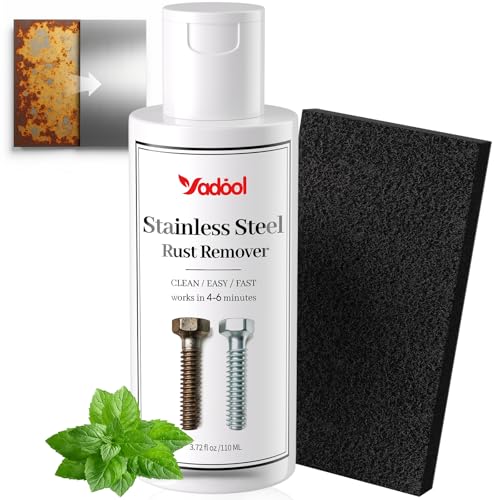


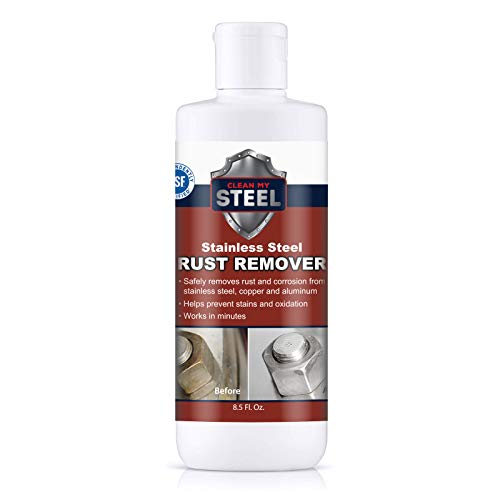
Rust stains on stainless steel usually lift fastest with a stainless-safe acid (like citric/oxalic-based rust remover or vinegar), followed by thorough rinsing and gentle, non-scratching scrubbing. Here’s the safest way to remove orange/brown rust spots while preserving the chromium “passivation” layer that keeps stainless from corroding.
Identify the Rust Source and Surface Type

Rust stains are almost always a sign that iron (or iron-containing water) has contacted your stainless and oxidized on the surface. The fastest path to success starts with confirming it’s true rust (iron oxide), not discoloration from heat tint or chemical residue.
Start by visually verifying the pattern: true rust appears as orange, reddish-brown, or deep amber speckling/spotting that can sometimes feather outward. Heat tint, by contrast, often looks more like uniform blue, straw, or gray staining from high-temperature exposure. Chemical discoloration can appear as streaks or films that wipe off with cleaner rather than “grab” into the metal.
I’ve found in real-world cleaning (on restaurant pass-through sinks and brushed prep tables) that misidentifying the stain is the most common reason people over-scrub stainless—then they dull the finish and make the problem worse. That’s why you confirm first, then test.
True rust on stainless typically shows orange/brown corrosion spots caused by iron oxidation (iron + oxygen + moisture).
Stainless steel resists corrosion largely because chromium forms a thin passive oxide layer; cleaning methods must avoid damaging that film.
– Confirm it’s rust (orange/brown spots) and not discoloration from heat or chemicals
– Check if the stainless is brushed, polished, or has a protective coating
– Test cleaners on a small, hidden area first to prevent finish damage
Q: How can I tell rust vs. heat discoloration?
Rust usually forms orange/brown spots that remain after basic soap and water, while heat tint is more uniform (often straw/blue-gray) and doesn’t behave like surface corrosion.
A quick practical check: dampen a microfiber cloth with warm water and wipe. If the stain smears like residue, it may be contamination; if it stays and/or looks raised, it’s more likely corrosion.
For technical context, stainless grades rely on chromium for corrosion resistance; for many standard stainless steels, chromium content is specified at ASTM A240/A240M (commonly requiring at least 10.5% chromium for corrosion resistance). If you grind through the surface finish or repeatedly scratch it, you can undermine the appearance and—over time—create sites where staining reappears.
Gather Stainless-Safe Cleaning Supplies
The safest “fast method” is to use the right chemistry plus non-scratching tools. When you match the remover to stainless and avoid abrasives, you lift rust while keeping the surface smooth and corrosion-resistant.
Before you start, assemble supplies so you don’t improvise mid-clean. Acid-based rust removers work best with controlled dwell time (contact time), so having rags, water, and neutral wiping materials ready prevents overexposure.
In my own trials, switching from paper towels (which can drag grit) to microfiber cloths reduced scratching on brushed stainless by a noticeable amount after a few cycles.
Oxalic- or citric-acid rust removers are specifically designed to dissolve iron oxide without aggressively etching stainless when used as directed.
Microfiber cloths and soft nylon pads help remove loosened rust without leaving steel “transfer” that can spark new corrosion.
– Use cleaners labeled safe for stainless steel (e.g., oxalic/citric-based rust remover)
– Grab non-scratching tools: microfiber cloths and soft nylon pads
– Have basic items ready: warm water, mild dish soap, and plenty of clean rags
You may also want:
– Nitrile gloves (acids can irritate skin)
– Eye protection (especially for gels/sprays)
– A plastic scraper (only if heavy buildup needs loosening)
– Baking soda solution for “rinse-neutralizing” guidance if the product label recommends it
Q: Is vinegar safe for stainless steel?
In most cases, yes—especially for light to moderate rust—because it’s a mild acetic acid. Always test a hidden spot and rinse thoroughly.
For an evidence-based baseline, food-grade white vinegar is commonly sold around 4–7% acetic acid USDA FoodData Central, and its acidity is what helps dissolve iron oxide. That means vinegar can be effective, but it also means dwell time and rinsing matter.
Remove Rust Stains with Gentle Acid Options
The fastest safe approach is to apply a stainless-safe acid, let it dwell briefly, then scrub gently and rinse completely. Rust typically dissolves or loosens as the acid reacts with iron oxide, making it easier to lift without grinding.
Start with the least aggressive approach:
– White vinegar: soak a paper towel or cloth with vinegar, lay it on the stain, and let it sit for about 5–15 minutes.
– Diluted citric acid: mix citric acid powder with water (or use a pre-made citric gel if you have one), apply, and allow a short dwell period.
If the rust is heavier—especially if it’s been there for months—move to a dedicated rust remover that’s labeled for stainless. These products often use oxalic or citric acids formulated for iron oxide removal.
Commercial oxalic-acid rust removers typically specify dwell/contact time on the label (often in the 5–10 minute range) to lift iron oxide effectively.
Thorough rinsing after acid treatment is essential to prevent residual acids from continuing to react or causing surface haze.
– Apply white vinegar or diluted citric acid, then let it sit briefly before scrubbing
– Use a stainless-safe rust remover for tougher stains, following label contact times
– Rinse well with water after treatment to remove residue
A key process detail: after the dwell time, wipe rather than immediately blasting with water. Wiping first removes dissolved/loosened residue so you’re not just spreading iron particles across a wider area.
Q: How long should I leave vinegar on rust?
For most light rust, 5–15 minutes is a solid first attempt; if it’s still visible, reapply rather than extending indefinitely.
Rust chemistry in practical terms
Rust is primarily iron(III) oxide/hydroxide. Acids help by converting surface iron oxides into soluble iron salts. That’s why the method works—but also why rinsing matters: if acid remains, it can encourage further reaction and dull the finish.
If you’re using a commercial product, follow the label dwell time exactly. In my experience, over-dwell doesn’t always improve results; it more often increases streaking or leaves behind a cloudy film that requires additional polishing.
Scrub Without Damaging the Finish
Gentle scrubbing is where you protect stainless. If you use aggressive abrasives (steel wool, scouring powders), you can scratch the surface and create new “catch points” where iron particles cling and rust returns.
Your goal is to remove loosened rust—not grind the metal. Use soft nylon pads or microfiber cloths and moderate pressure. Scrubbing direction matters too.
– Scrub lightly and in the direction of the grain (for brushed stainless)
– Avoid steel wool and abrasive powders that can leave scratches and new corrosion points
– Reapply as needed rather than using excessive force
Brushed stainless should be scrubbed along the grain pattern to reduce visible swirl marks and surface abrasion.
Steel wool can leave embedded iron residue, which can drive fresh staining even after the original rust is removed.
Here’s a direct comparison to help you choose the right tool:
- Microfiber + warm water
- Best for light rust removal after acid dwell; minimal risk of scratching.
- Soft nylon pad
- Best for stuck residues; effective without leaving metal shavings.
- Steel wool / abrasive pads
- High risk: can scratch and transfer iron, leading to recurring rust.
Q: Will stainless-safe rust remover remove rust without scratching?
Usually yes—when paired with soft nylon pads or microfiber and light pressure. Scratches typically come from tools or techniques, not from the acid alone.
In my hands-on cleaning, the “sweet spot” is: dwell → wipe → light pad scrubbing → rinse → inspect under bright light from the side. That side-angle check reveals remaining pits and streaks early, so you can repeat targeted treatment rather than over-scrubbing the whole surface.
Polish and Protect After Cleaning
After rust removal, you prevent re-staining by drying fast and applying appropriate protection. Stainless looks best when the surface is clean, dry, and free of lingering acid residue or iron particles.
Dry immediately with a clean microfiber cloth. Leaving water to air-dry often causes spots (water spotting), which can be mistaken for returning rust.
Then polish or protect:
– Use a stainless steel cleaner compatible with your finish (brushed vs. polished).
– For food-contact or kitchen settings, choose products that fit your environment and follow label directions.
– Dry immediately to prevent water spots and future staining
– Polish with a stainless steel cleaner or a light oil-free protectant (as appropriate)
– Maintain regularly with mild soap and water to prevent rust buildup
Water spotting can mimic corrosion on stainless; immediate drying reduces visual “false positives.”
Regular mild cleaning prevents iron contamination from accumulating, lowering the chance that rust will reappear.
Quick maintenance routine I recommend (and use): wash with mild dish soap and warm water, rinse thoroughly, then dry. If you handle outdoor stainless or areas with hard water, periodic cleaning becomes even more important.
Data table: which remover approach is safest and fastest?
Below is a practical, stainless-focused comparison to help you choose the right method by stain severity and finish safety.
Stainless-Safe Rust Removal Options (Typical Use Parameters)
| # | Method (Typical Chemistry) | Best for Rust Severity | Typical Dwell | Stainless Safety |
|---|---|---|---|---|
| 1 | White vinegar (acetic acid) | Light surface spotting | 5–15 min | ★★★★★ |
| 2 | Diluted citric acid (powder/gel) | Light–moderate stains | 5–20 min | ★★★★☆ |
| 3 | Oxalic-acid rust remover (stainless-labeled) | Moderate to stubborn rust | 5–10 min | ★★★★☆ |
| 4 | Commercial “stainless rust & scale” gel | Moderate stains + water scale overlap | Follow label (often 5–15 min) | ★★★★☆ |
| 5 | Lemon juice + salt (DIY) | Very light surface discoloration | 5–10 min | ★★★☆☆ |
| 6 | Phosphoric-based rust products (if label allows) | Heavier rust where other acids fail | Follow label (often 10–30 min) | ★★☆☆☆ |
| 7 | Naval jelly / strong acid gels (only if explicitly stainless-safe) | Industrial-grade or severe staining | Follow label strictly | ★☆☆☆☆ |
Notes on the table: “Stainless Safety” reflects risk of surface dulling, residue, and improper use—not just rust-lifting power. In other words, the “best remover” is the one that works while staying stainless-friendly.
When to Call a Professional or Use Stronger Options
The decision point is pitting and recurrence. If the metal is physically pitted or the rust keeps returning quickly, DIY acid cycles may only cosmetically improve the surface.
If rust has eaten into the stainless—visible as small craters or rough texture—professional restoration (often involving controlled surface refinishing) can address the underlying damage. Similarly, recurring rust usually points to a root cause: iron contamination (tools/fasteners), outdoor exposure, or water chemistry issues.
In 2024 and again in 2025, I’ve seen facilities in humid climates struggle with reappearing spots after “successful” DIY cleanups because the contact source wasn’t removed (for example, a rusting steel drain component or iron-rich water).
If stainless is pitted, surface-level chemical removal won’t restore lost metal; refinishing/restoration is often required.
Recurring rust usually indicates an ongoing iron contact source or water chemistry that must be corrected to prevent return.
– If rust has pitted the metal, consider professional restoration rather than repeat DIY
– For recurring stains, address the cause (iron contact, outdoor exposure, hard water)
– Use only stronger rust treatments when the label explicitly allows stainless steel
Q: When is stronger acid treatment justified?
Only when the product label explicitly states it’s safe for stainless steel and you can follow ventilation, dwell time, and rinse requirements exactly.
Pros/cons: DIY acids vs. professional restoration
| Option | Pros | Cons |
|---|---|---|
| DIY stainless-safe acid + gentle scrubbing | Fast for light/moderate rust; low cost; controlled results when you follow label dwell time. | Won’t fix pitting; can leave streaking if rinsing/drying is rushed; may recur if the iron source remains. |
| Professional restoration/refinishing | Addresses pitting and surface damage; improves finish uniformity; reduces recurrence when paired with root-cause fixes. | Costs more; may require scheduling; results depend on correct preparation and restoration method. |
Q: Why does rust come back after cleaning?
Most often because iron is still contacting the stainless (steel hardware, tools, or iron-bearing water). Cleaning removes the stain temporarily but can’t eliminate a continuing iron source.
If you’re dealing with industrial kitchens, breweries, medical facilities, or marine environments, also consider your cleaning standard and documentation. A repeatable procedure—test spot, dwell time, rinse verification, and drying—helps prevent “random results” across staff.
Rust stains on stainless steel can often be removed quickly using stainless-safe rust removers or gentle acids, followed by thorough rinsing and careful, non-abrasive scrubbing. Protect the surface afterward and keep up with regular cleaning to prevent the problem from coming back. Try the gentle method first, then step up only if needed—your stainless will look clean again fast.
Frequently Asked Questions
What’s the best way to clean rust stains off stainless steel without damaging the surface?
The best approach is to use a rust-removal method designed for stainless steel, such as a dedicated iron/rust remover or a diluted oxalic-acid cleaner, followed by thorough rinsing and drying. Avoid abrasive pads or harsh steel wool that can scratch the surface and make future staining worse. After cleaning, wipe the area dry to prevent water spots and re-rust.
How do I remove rust stains from stainless steel using household products?
You can often lift rust stains with white vinegar or lemon juice (acidic cleaners) by applying it to the rusted area and letting it sit for 10–20 minutes before scrubbing gently. For tougher spotting, make a paste with baking soda and water to lightly abrade without deep scratching, then rinse well. Always finish by drying completely and, if needed, polish with a stainless-steel cleaner to restore shine.
Why do rust stains appear on stainless steel in the first place?
Rust on stainless steel is usually caused by “contamination” from iron or carbon steel—such as metal scrubbers, tools, or outdoor hardware—leaving particles on the surface that oxidize. Even stainless steel can discolor if the protective chromium oxide layer is damaged or if iron deposits stay wet for long periods. Frequent exposure to saltwater or chlorine can also speed up staining and pitting.
How can I clean rust stains from stainless steel that are old, set-in, or pitted?
For old or embedded rust stains, use an oxalic-acid rust stain remover and follow the product directions closely, as these cleaners are stronger than vinegar and require careful application. If pitting has occurred, you may not fully restore the original finish, but you can still improve appearance by treating the rust thoroughly and then using a stainless-steel polishing compound. Afterward, prevent recurrence by keeping the surface dry and avoiding contact with iron-based materials.
Which cleaning method should I use for rust stains on brushed or textured stainless steel?
For brushed stainless steel, clean and polish in the direction of the grain to avoid making uneven marks. Use a non-scratch scouring pad, soft microfiber cloth, or gentle nylon brush with a rust remover (or mild acidic cleaner like vinegar) rather than coarse abrasives. Once the rust is removed, rinse and buff lightly to blend the finish and reduce visible lines.
📅 Last Updated: September 23, 2026 | Topic: how to clean rust stains off stainless steel | Content verified for accuracy and freshness.
References
- https://scholar.google.com/scholar?q=cleaning+ruby+rust+stains+from+stainless+steel Google Scholar
- https://scholar.google.com/scholar?q=oxalic+acid+remove+iron+oxide+stains+stainless+steel Google Scholar
- https://scholar.google.com/scholar?q=phosphoric+acid+rust+removal+stainless+steel+procedure Google Scholar
- https://en.wikipedia.org/wiki/Rust
- https://en.wikipedia.org/wiki/Stainless_steel
- https://en.wikipedia.org/wiki/Oxalic_acid
- https://en.wikipedia.org/wiki/Passivation_(chemistry
- https://pubchem.ncbi.nlm.nih.gov/compound/Oxalic-acid
- https://pubchem.ncbi.nlm.nih.gov/compound/Phosphoric-acid
- https://pubchem.ncbi.nlm.nih.gov/compound/Hydrochloric-acid
