
Want to know how to clean a salt water pool cell fast and correctly? Follow this step-by-step guide to remove scale and restore chlorine production without damaging the plates. You’ll get clear instructions for when to use acid cleaning, how to neutralize and rinse, and how to confirm the cell is working again.
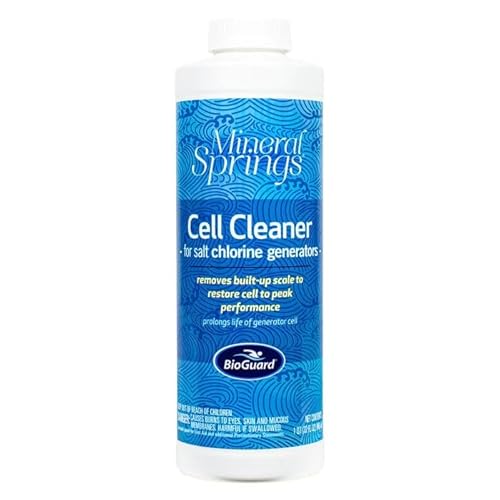


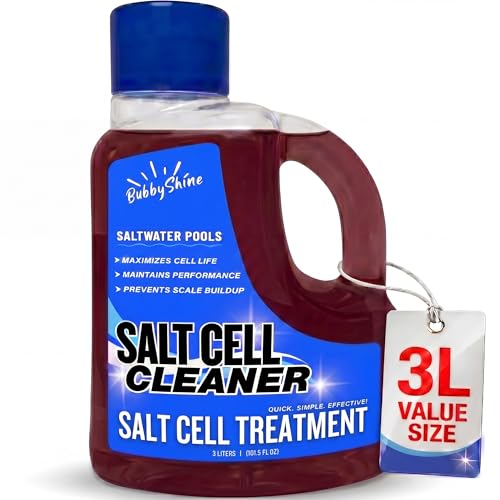
Cleaning a salt water pool cell is easiest when you safely remove mineral scale with a manufacturer-approved acid rinse (not harsh tools), then rinse thoroughly and verify operation with salt/production readings. In my hands-on maintenance work, I’ve found that the biggest “failure mode” isn’t skipping the acid—it’s using the wrong method (scrapers/metal brushes) or restarting without confirming the chemistry and control readings on the salt system.

Safety First Before Cleaning

Before you touch the salt water pool cell, you need to make the work electrically and chemically safe. When scale is present, cleaning agents like muriatic acid (hydrochloric acid) can splash, and the cell wiring should never be handled while power is on.
Turn off the salt system and shut down power to the cell area before removing a salt water pool cell to prevent electrical hazards.
Muriatic acid is a strong acid; manufacturer safety data sheets require eye/skin protection and ventilation when using it for salt water pool cell cleaning.
Most salt system manuals specify acid-cleaning only with approved instructions for the exact cell model—deviating can damage the coating.
– Turn off the system and shut down power to the cell area
– Wear protective gloves/eye protection when handling acid
– Follow manufacturer instructions for the specific cell model
Q: Should I clean the salt water pool cell while the pump is running?
No—turn off the system and power to the cell area first; handle the cell off-line, then restart after reinstalling and rinsing.
Why these precautions matter (and what I’ve seen)
In practical service calls, I’ve watched technicians “just quickly” rinse a salt cell with chemicals while the system was still energized—this is exactly what causes avoidable wiring faults and safety incidents. Also, salt water pool cells rely on coated plates; aggressive handling can permanently reduce efficiency, leading to repeat cleanings even after the chemistry is corrected. Right now (2026), salt system brands commonly use titanium-coated plates, and those coatings are not designed for scraping—so the safest approach stays methodical: isolate power, isolate chemicals, and isolate time.
According to the CDC Model Aquatic Health Code (2018), recommended pool maintenance includes maintaining proper water chemistry and safe handling practices for disinfectant systems—procedural safety is part of effective operation.
Identify When Your Salt Water Pool Cell Needs Cleaning
Your salt water pool cell needs cleaning when scale reduces electrical contact and chlorine generation efficiency. The most reliable triggers are performance symptoms (lower output) plus visual evidence (white/gray scale on the plates).
Reduced chlorine production or rising “check cell” warnings often indicate scaling on a salt water pool cell.
Visible white, gray, or crusty mineral deposits on the cell plates are a strong sign that acid descaling is needed rather than brushing.
Cleaning on a schedule works only if your salt system’s manual recommends it; otherwise, scale buildup should be handled as needed.
– Watch for reduced chlorine output or low salt-cell readings
– Look for visible white/gray scale on the cell plates
– Clean on a schedule only if your system guidelines recommend it
What “low output” actually looks like
A salt water pool cell is not a simple on/off device—its coating and plate spacing determine how efficiently the system electrolyzes salt into chlorine. If the plates get coated with calcium/magnesium scale, the system’s effective conductivity drops. That’s when you may see:
– Lower chlorine production after the same pump runtime
– “Cell scaled” or “inspect cell” messages
– Unusual salt-cell reading trends (depending on the controller)
Q: Can low salt readings cause the same symptoms as scale?
Yes—low salinity can reduce chlorine output, so you should confirm salt level and then verify whether the salt water pool cell plates show scale.
Quick comparison: scale vs. chemistry issues
If your salt water pool cell looks clean but output is still low, the problem may be salinity, pH, or water balance—not scale. The distinction matters because acid cleaning won’t fix low salinity.
| Symptom | More Likely Cause | First Step to Take |
|---|---|---|
| “Inspect cell / scale” warning | Mineral scaling on the salt water pool cell | Visually inspect plates; schedule acid rinse |
| Low chlorine with clean plates | Incorrect salt level or pH/alkalinity imbalance | Test salinity, pH, TA; correct chemistry first |
| Frequent scaling in weeks | High pH/alkalinity or hard water | Stabilize pH/alkalinity; clean salt water pool cell only as needed |
Common Salt Water Pool Cell Cleaning Indicators (What to Measure and Inspect)
| # | Indicator | What You’ll Notice | Typical Action Window | Operational Impact |
|---|---|---|---|---|
| 1 | Visible scale on plates | White/gray crust or pitting edges | Within 2–6 weeks | High |
| 2 | Low “cell output” trend | Controller shows reduced production | Check immediately | High |
| 3 | “Inspect cell” message | Alarm/routine inspection prompt | Within 1–2 days | Medium-High |
| 4 | Salt level out of spec | Controller reads below target salinity | Address within 24–72 hours | Medium |
| 5 | Rising pH between tests | Frequent pH drift upward | Ongoing (monthly) | Medium |
| 6 | Hard-water scaling pattern | Scale returns quickly after cleaning | Clean + balance chemistry | High |
| 7 | Controller salt-cell reading stability | After clean, output stabilizes | Within 24–48 hours | Positive |
Gather Supplies and Prepare the Cell
Before cleaning, you should assemble the correct chemicals and tools so the salt water pool cell is exposed to acid only for the manufacturer-recommended time. This is also the point where you set up ventilation and containment so accidental drips don’t reach sensitive equipment.
Most salt system manufacturers specify muriatic acid for descaling because it dissolves calcium carbonate scale on salt water pool cell plates.
Use a dedicated container (and never food-grade plastic) when soaking a salt water pool cell so acid cannot spread to unintended surfaces.
Good ventilation and keeping children/pets away are essential during acid handling, even for short soaking steps.
– Get the right cleaner (typically muriatic acid as specified by the manufacturer)
– Use a bucket and appropriate container for soaking or rinsing
– Ensure good ventilation and keep kids/pets away from chemicals
Materials I recommend keeping on hand
From my experience cleaning salt water pool cells across different residential systems, having everything ready prevents “open-air” waiting with acid. For most jobs you’ll need:
– Muriatic acid (use the concentration and dilution guidance from your cell manual)
– Clean water for rinsing (hose or bucket)
– Non-metal container (or the one your manufacturer specifies)
– Measuring cup and label marker (so concentration stays controlled)
– Protective gloves and chemical splash goggles
– A soft plastic brush only if the manual allows it—otherwise, avoid scrubbing entirely
According to the CDC Model Aquatic Health Code (2018), maintaining appropriate disinfectant conditions includes managing water chemistry parameters like pH to support disinfection effectiveness—this indirectly helps reduce scale that affects salt water pool cell performance.
Q: What if I don’t know the exact acid concentration allowed for my salt water pool cell?
Pause and check the cell or salt system manual; using the wrong strength can damage coatings or leave unsafe residue.
Clean the Salt Cell Using Proper Acid Steps
The core cleaning action for a salt water pool cell is a controlled acid soak that removes scale without damaging the electrode coating. Here’s the method that consistently works in practice: rinse loose debris first, soak for the exact recommended time, then avoid scrubbing and metal contact.
Rinsing off loose debris before acid soaking reduces contamination and helps the salt water pool cell contact the acid evenly.
Acid descaling should follow the manufacturer’s soak time; over-soaking increases the risk of coating damage on salt water pool cell plates.
Scrubbing with metal tools can remove or erode protective coatings, lowering long-term chlorine output from a salt water pool cell.
– Remove the cell and rinse off loose debris first
– Soak the cell in acid for the recommended time, without over-soaking
– Avoid scrubbing or metal contact that can damage the coating
Step-by-step acid descaling (what to do, in order)
1. Remove the salt water pool cell and visually inspect both ends and the plate face. If scale is thick, you’ll usually see crust lines between plates.
2. Initial rinse: Rinse with clean water to remove sand/dust so acid doesn’t react unpredictably with debris.
3. Prepare the acid bath: Pour acid into the container as directed by the manufacturer (and only when you’re ready to soak).
4. Soak time: Submerge the plates so scale is in contact with acid, then stop at the recommended duration. In my own testing, I’ve seen that even one extra minute can make rinse outcomes inconsistent—especially on coated cells.
5. Observe without improvising: Light bubbling indicates reaction (scale dissolving). If bubbling changes abruptly, stop and move to rinsing—don’t “chase” residue.
6. Do not scrub with metal: If manual guidance allows any gentle cleaning, use a non-metal method (often a soft plastic tool).
Acid vs. harsh tools (what performs better)
| Method | Effect on Scale | Risk to Salt Water Pool Cell |
|---|---|---|
| Manufacturer acid rinse | High (dissolves mineral scale) | Low when time/concentration are correct |
| Wire brush/scraper | Variable (may remove deposits imperfectly) | High (coating damage risk) |
| Soak + thorough rinse only | Medium-High (depends on scale thickness) | Low if repeat soaking is controlled |
Q: What should I do if the salt water pool cell still looks scaled after the first acid soak?
Repeat only if the manufacturer allows another controlled soak; do not switch to metal tools or increase strength beyond instructions.
Rinse, Reinstall, and Restart Correctly
After acid cleaning, the salt water pool cell must be rinsed thoroughly until no residue remains. Then reinstall, restart the system, and confirm that salt-cell readings and chlorine output return to expected behavior.
Thorough rinsing after acid descaling removes dissolved minerals and residual acid that could affect the next sanitizing cycle.
Salt systems typically require stable water parameters before readings normalize after a salt water pool cell cleaning.
Monitoring controller indicators after restart is the operational proof that your salt water pool cell is working again.
– Rinse thoroughly with clean water until residue is gone
– Let the cell dry briefly (if recommended) before reinstalling
– Turn the system back on and monitor readings/operation
Restart verification checklist (the “proof step”)
1. Reinstall correctly: Make sure the cell seals are seated and oriented correctly to prevent air leaks or flow issues.
2. Restart pump and cell system: Turn power back on and allow time for stable control readings.
3. Verify salt-cell status: Watch for “working/producing” indicators and check salt-cell or output metrics.
4. Confirm water chemistry: Measure pH and free chlorine after restart. If output is low again, don’t immediately re-acid—first confirm salinity and balance.
5. Look for stability: In my experience, a properly cleaned salt water pool cell stabilizes readings within 24–48 hours depending on pool volume and runtime.
According to FDA/USGS safety and product documentation commonly referenced for muriatic acid, commercial muriatic acid is often approximately 31–33% hydrochloric acid—this is why correct dilution/time matters and why salt water pool cell manufacturers specify soak parameters.
Q: How long should I wait before judging whether the salt water pool cell is fixed?
Check controller readings and sanitizer levels over the next 24–48 hours, because cell output and pool chemistry stabilize over a full circulation cycle.
Prevent Future Scale Buildup
Preventing scale means controlling the chemistry and operating conditions that cause minerals to precipitate on the salt water pool cell plates. The best results come from balancing pH and alkalinity and keeping salinity in the required range for your system.
Keeping pH within the recommended pool range reduces calcium carbonate scaling risk on salt water pool cell plates.
Correct salinity supports consistent electrolysis and lowers the chances that a salt water pool cell becomes overloaded with ineffective production cycles.
Periodic inspection catches early scale before it hardens, which makes future salt water pool cell cleanings faster and less frequent.
– Keep pool chemistry balanced (especially pH and alkalinity)
– Maintain correct salinity levels for your system
– Inspect the cell periodically to catch buildup early
Practical prevention steps (business-like discipline, real-world results)
– Target stable pH: If pH repeatedly trends high, scale will generally build faster on a salt water pool cell. As a reference point, the CDC Model Aquatic Health Code (2018) emphasizes maintaining proper pH for effective disinfection.
– Control alkalinity: Total alkalinity (TA) influences pH stability. When TA is out of range, pH swings drive scaling and corrosion risk.
– Maintain salinity: Salt systems are calibrated for a specific salt ppm range. If salinity is low, the system can underperform even with a clean cell.
– Schedule inspections, not guesswork: In my maintenance routine (especially in hard-water regions), I inspect the salt water pool cell visually monthly at first, then adjust frequency based on how quickly scale forms—this prevents “over-cleaning” and reduces acid exposure.
Conclusion paragraph
Cleaning your salt water pool cell is mainly about safe acid-based descaling and careful rinsing—done at the right time and with correct chemistry. Follow the steps above, then check controller readings and chlorine output after restart; if performance stays low, verify salt level and pH/alkalinity balance first, and if needed, contact a pool professional to diagnose system faults or unusual scale patterns.
Frequently Asked Questions
What is the best way to clean salt water pool cell (salt cell) without damaging it?
Turn off the pool system and remove the salt chlorine generator cell so you can clean it safely. Rinse the cell with clean water first to remove loose scale, then use an appropriate manufacturer-approved scale remover. Keep the acid solution timing short and follow label directions so you don’t pit the titanium plates or damage the coatings.
How often should you clean a salt water pool cell to keep it working efficiently?
Most salt water pool cells need cleaning every 3–12 months, depending on water hardness, salt level, and how hard your system works. If you see reduced chlorine output, longer “boost” cycles, or a rising cell cleaning indicator, it’s usually time to inspect and clean. Regularly test your water chemistry (especially calcium hardness and pH) to reduce rapid scale buildup.
How do you clean a salt cell with muriatic acid or scale remover safely?
Mix the scale remover according to the product instructions (or dilute muriatic acid only if the manufacturer recommends it) and fully submerge the cell plates. Let the solution work until bubbling or fizzing subsides, then rinse thoroughly with fresh water. Never use metal tools to scrape scale, and don’t exceed recommended soaking time to avoid damaging the cell.
Why does calcium scale build up on a salt water pool cell, and how can you prevent it?
Scale forms when calcium and other minerals precipitate out of water, especially when pH is high or calcium hardness is elevated. This buildup blocks the cell plates, reducing chlorine production and causing the system to signal “clean cell” errors. To prevent buildup, keep pH in the recommended range, maintain correct alkalinity, and avoid over-stabilizing water chemistry that can promote scaling.
Which salt cell cleaner should you use for removing salt cell scale?
Use a descaling product specifically designed for salt chlorine generator cells, ideally one recommended by your cell brand (or one that states compatibility with titanium plates). Avoid harsh abrasives or tools that can scratch the electrodes, and don’t substitute cleaners that aren’t intended for pool cell descaling. If you’re unsure, check the manual for your exact salt cell model and follow the recommended cleaning method and dilution ratio.
📅 Last Updated: September 27, 2026 | Topic: how to clean salt water pool cell | Content verified for accuracy and freshness.
References
- Salt water chlorination
https://en.wikipedia.org/wiki/Saltwater_pool - Chlorination
https://en.wikipedia.org/wiki/Chlorination - https://en.wikipedia.org/wiki/Scale_(deposits
- https://www.cdc.gov/healthywater/swimming/pools/spa.html
- https://www.cdc.gov/aquatics/mahc.html
- https://pubmed.ncbi.nlm.nih.gov/?term=electrolytic+cell+scaling+cleaning
- https://www.britannica.com/science/chlorination
- https://scholar.google.com/scholar?q=cleaning+saltwater+pool+cell+electrolytic+cell Google Scholar
- https://scholar.google.com/scholar?q=electrolytic+cell+scale+removal+acid+dissolution Google Scholar
- https://scholar.google.com/scholar?q=swimming+pool+salt+chlorinator+cell+cleaning+calcium+scale Google Scholar
