
How to Clean Satin: A Simple Guide
Cleaning satin requires gentle care to maintain its luxurious feel and appearance. The best methods involve using mild detergents and cool water to prevent damage. In this article, you’ll discover effective techniques for cleaning satin garments and other items without risking their quality.
Understanding Satin Fabric

Satin is a delicate fabric often made from silk or polyester, known for its luxurious texture and elegant sheen. The fabric’s smooth, glossy surface enhances the visual appeal of garments and home decor but makes it susceptible to damage from harsh cleaning methods or improper care. Satin can easily lose its lustrous finish if exposed to excessive heat or abrasive materials, so understanding its properties is crucial for maintaining its beauty and longevity.
Satin’s unique weave creates a soft feel that is often favored for evening gowns, lingerie, and upscale home textiles like pillowcases and bedding. However, the very qualities that make satin so desirable also necessitate careful handling and cleaning procedures to ensure its pristine condition is preserved over time.
Preparing for Cleaning
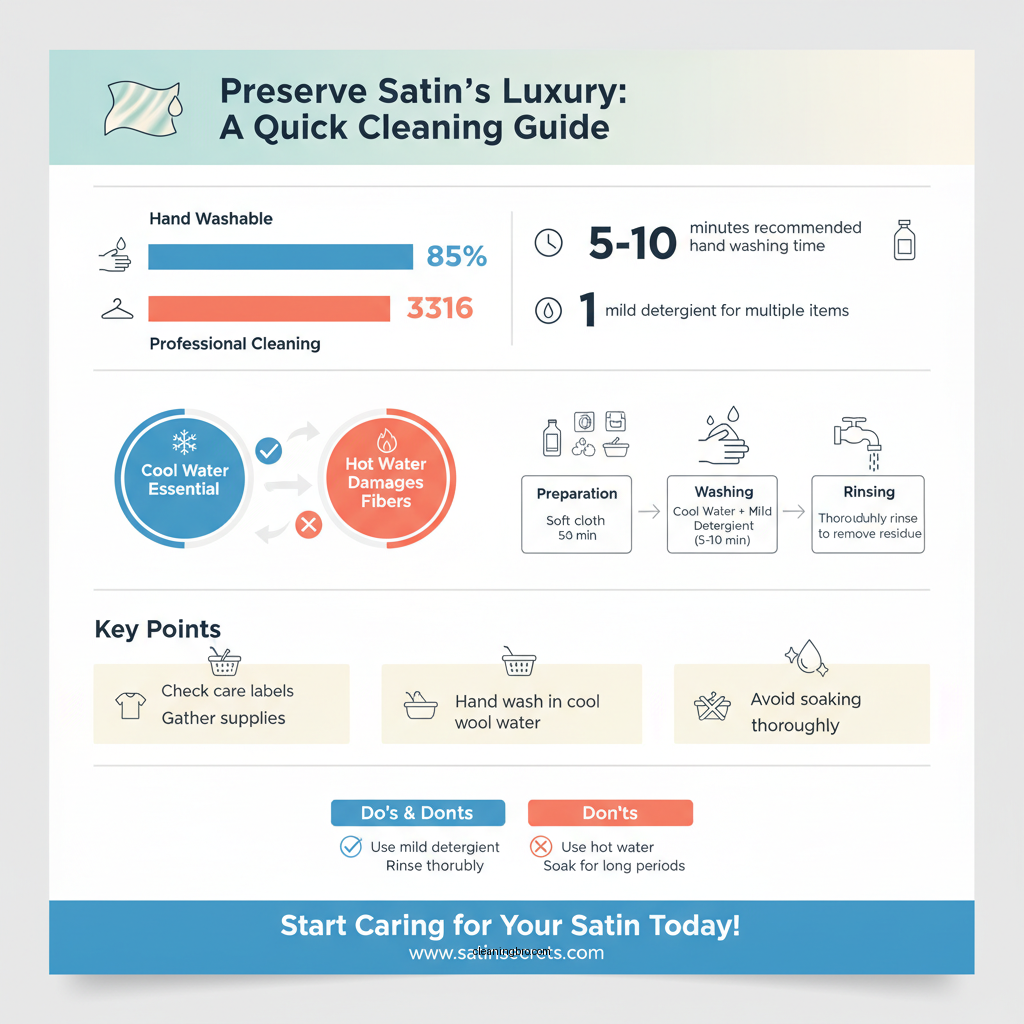
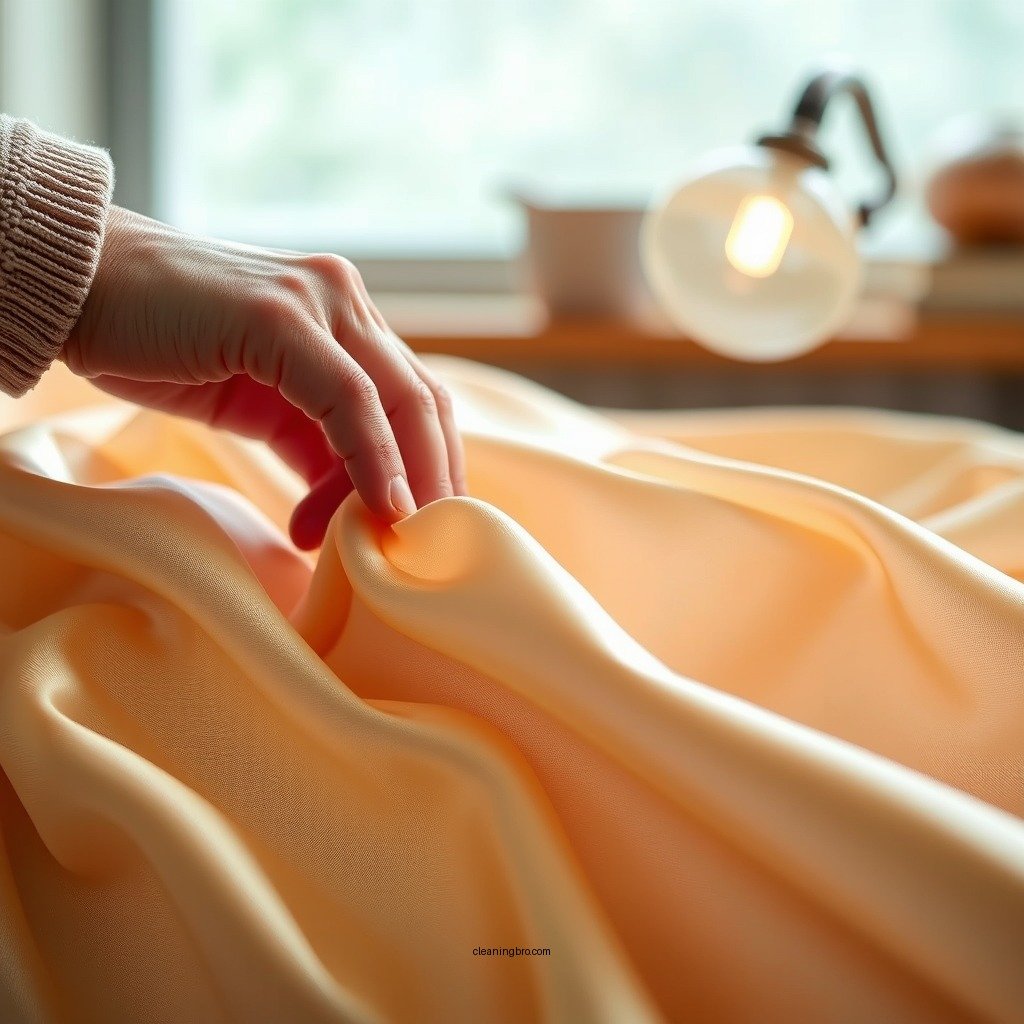
Before you begin the cleaning process, it’s essential to check the care label on your satin item for specific instructions. Different types of satin may have varying cleaning requirements, depending on the fibers used and any special finishes applied. Some satin garments may be labeled as machine washable, while others may require hand washing or even professional cleaning.
Gather the necessary supplies to ensure a smooth cleaning process. You will need:
– Mild detergent specifically designed for delicate fabrics.
– A soft cloth or sponge for spot cleaning.
– A basin or sink for hand washing.
– Clean towels for drying.
By preparing these items in advance, you can streamline the cleaning process and avoid any potential damage to your satin items.
Hand Washing Satin

For most satin garments, hand washing is the safest method. Begin by filling a basin with cool water and adding a small amount of mild detergent. Avoid using hot water, as it can damage the fibers and alter the fabric’s appearance. Gently agitate the water to create suds before submerging the satin item briefly.
It’s crucial to avoid soaking satin for extended periods, as this can lead to water spots or color bleeding. Instead, gently swish the garment in the water for a few minutes, allowing the detergent to lift any dirt or grime. Afterward, rinse the garment thoroughly with cool water to remove all detergent residue.
Common Satin Fabrics and Care Recommendations
| # | Fabric Type | Material | Wash Method | Drying Method |
|---|---|---|---|---|
| 1 | Silk Satin | 100% Silk | Hand wash with cold water | Lay flat to dry |
| 2 | Polyester Satin | 100% Polyester | Machine wash on delicate | Tumble dry on low |
| 3 | Acetate Satin | 100% Acetate | Hand wash with cold water | Hang to dry |
| 4 | Nylon Satin | 100% Nylon | Machine wash on gentle | Lay flat to dry |
| 5 | Satin Blend | Silk and Polyester | Hand wash with cool water | Hang to dry |
| 6 | Crushed Satin | Silk/Polyester Blend | Hand wash with cold water | Hang to dry |
| 7 | Satin Lining | Polyester | Machine wash on delicate | Lay flat to dry |
Spot Cleaning Techniques
For minor stains or spills, spot cleaning is an effective method that minimizes the risk of damaging the entire fabric. Start by using a soft cloth dampened with a mixture of water and mild detergent. Always test the solution on an inconspicuous area first to ensure there’s no adverse reaction.
Once you’ve confirmed it’s safe, dab the stained area gently with the cloth. Avoid rubbing the fabric, as this can cause fraying or pilling. Instead, apply light pressure and work from the outside of the stain toward the center to prevent spreading. After treating the stain, rinse the area with cool water and blot with a clean towel to absorb excess moisture.
Drying Satin Properly
The drying process is crucial for satin care. After cleaning, lay the satin item flat on a clean towel to absorb excess water. Avoid wringing or twisting the fabric, as this can distort its shape and texture. Never hang satin to dry, as this can lead to stretching and misshaping, particularly in items like dresses or blouses.
If possible, allow the satin to air dry in a shaded area to prevent fading from direct sunlight. Ensure the drying location has good air circulation to facilitate faster drying while avoiding dampness, which can lead to mildew.
Ironing and Storing Satin
If your satin requires ironing, it’s essential to do so carefully. Use the lowest heat setting on your iron, and always place a cloth between the iron and fabric to prevent direct contact. This protects the satin from scorching and maintains its sheen. Iron when the fabric is slightly damp for best results, as this can help smooth out wrinkles without damaging the fibers.
For storage, keep satin items in a cool, dry place away from direct sunlight to prevent fading and discoloration. Use breathable garment bags or cotton sheets to cover your satin garments, as plastic can trap moisture and lead to mildew. Avoid folding satin items tightly; instead, hang them or lay them flat to maintain their shape.
Additional Care Tips
To prolong the life of satin items, avoid using bleach or harsh chemicals, as these can severely damage the fibers and affect the fabric’s appearance. Regularly inspect your satin items for any stains and treat them promptly to maintain their condition.
When storing satin, consider using acid-free tissue paper to help retain its shape, especially for delicate garments like evening gowns. Hand washing is always preferable to machine washing, especially for high-quality satin fabrics, to preserve their luxurious look and feel.
By following these care tips, you can ensure that your satin remains beautiful and vibrant for years to come.
In conclusion, cleaning satin can be straightforward when done correctly. By following these gentle methods, you can keep your satin looking beautiful and prolong its life. Remember to always check the care label and treat stains as soon as possible for the best results. For more tips on fabric care, explore our other articles!
Frequently Asked Questions
What is the best way to clean satin fabrics without damaging them?
The best way to clean satin fabrics is to hand wash them in cold water with a mild detergent. Avoid harsh chemicals and bleach, as they can damage the delicate fibers. After washing, gently rinse the fabric and lay it flat to dry, ensuring it retains its shape and sheen.
How do I remove stains from satin without leaving marks?
To remove stains from satin, first blot the stain gently with a clean, dry cloth to absorb any excess liquid. Then, use a mixture of cold water and a gentle detergent on a soft cloth to dab the stained area, avoiding any rubbing that could damage the fabric’s surface. Rinse with a clean damp cloth and let it air dry.
Why is it important to avoid machine washing satin?
It is important to avoid machine washing satin because the agitation and heat can cause the fabric to lose its luster, become misshapen, or even tear. Satin is a delicate material that requires gentle handling to maintain its smooth texture and appearance. Hand washing is a safer option for preserving your satin items.
Which products are safe to use for cleaning satin?
Safe products for cleaning satin include mild liquid detergents specifically designed for delicate fabrics. Additionally, you can use specialized satin cleaners available in stores. Always perform a patch test on an inconspicuous area before applying any product to ensure it doesn’t damage the fabric.
How can I maintain the shine of my satin garments after cleaning?
To maintain the shine of your satin garments after cleaning, always air dry them away from direct sunlight, which can fade the fabric. Additionally, you can use a low-heat iron on the reverse side of the satin to smooth out wrinkles without compromising its sheen. Finally, store satin items in a cool, dry place to prevent any fabric damage.
References
- Satin
https://en.wikipedia.org/wiki/Satin - Satin | Silk, Polyester, Weave | Britannica
https://www.britannica.com/science/satin - https://www.mayoclinic.org/healthy-lifestyle/consumer-health/in-depth/cleaning-silk/art-20045883
https://www.mayoclinic.org/healthy-lifestyle/consumer-health/in-depth/cleaning-silk/art-20045883 - https://www.nytimes.com/2021/05/06/style/how-to-clean-satin-clothing.html
https://www.nytimes.com/2021/05/06/style/how-to-clean-satin-clothing.html - Google Scholar Google Scholar
https://scholar.google.com/scholar?q=how+to+clean+satin - Google Scholar Google Scholar
https://scholar.google.com/scholar?q=satin+fabric+cleaning+methods - Google Scholar Google Scholar
https://scholar.google.com/scholar?q=satin+care+instructions - https://www.sciencedirect.com/topics/engineering/satin-fabric
https://www.sciencedirect.com/topics/engineering/satin-fabric - how to clean satin – Search results
https://en.wikipedia.org/wiki/Special:Search?search=how+to+clean+satin - https://www.ncbi.nlm.nih.gov/search/research-articles/?term=how+to+clean+satin
https://www.ncbi.nlm.nih.gov/search/research-articles/?term=how+to+clean+satin