
Cleaning a fiberglass swimming pool is essential to maintain its luster and prevent algae growth. By adhering to a systematic cleaning routine, you can ensure that your pool remains sparkling clean and safe for swimming. This comprehensive guide will provide you with detailed steps and insights to keep your fiberglass pool in optimal condition all year round.
Understanding Fiberglass Pools
Fiberglass pools are renowned for their durability and non-porous surface, which makes them resistant to algae and staining. Unlike concrete or vinyl pools, fiberglass pools require less maintenance due to their smooth finish, which reduces the likelihood of debris and dirt accumulating. However, regular maintenance is still crucial to prevent any potential damage and to prolong the life of the pool surface. Understanding the unique characteristics of fiberglass will help you implement the right cleaning techniques and products.

Essential Tools and Supplies
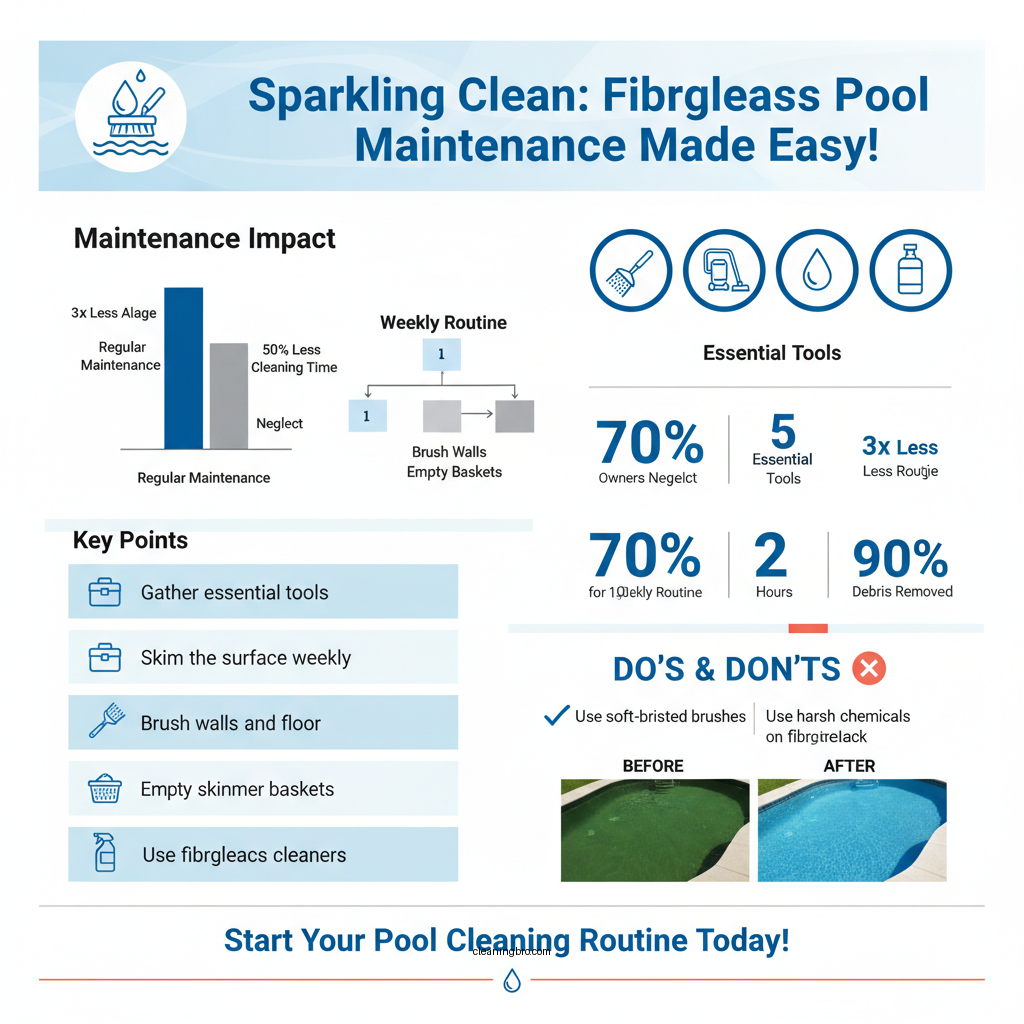
To effectively clean your fiberglass pool, it is important to gather the necessary tools and supplies. Here are the essential items you will need:
– Pool Brush: A soft-bristled brush specifically designed for fiberglass surfaces will help prevent scratching while effectively removing dirt.
– Vacuum: A manual or automatic pool vacuum will assist in removing debris from the bottom of the pool.
– Skimmer Net: This tool is used to skim the surface of the water, removing leaves, insects, and other floating debris.
– Water Testing Kit: Regular testing of your pool water is vital to maintain proper chemical balance.
– Cleaning Agents: Use cleaning agents that are specifically formulated for fiberglass to avoid damaging the surface.
With these tools on hand, you will be well-equipped to tackle your pool cleaning tasks.
Weekly Cleaning Routine
Establishing a weekly cleaning routine is key to maintaining your fiberglass pool. Here’s a step-by-step approach:
1. Skim the Surface: Use the skimmer net to remove any debris floating on the surface of the water. This should be done at least once a week or more frequently during high debris seasons.
2. Brush the Walls and Floor: Using the pool brush, scrub the walls and floor of the pool to remove dirt, algae, and any buildup. Focus on corners and areas where algae may gather.
3. Check Water Levels: Ensure that the water level is adequate for proper filtration and skimming.
4. Empty Skimmer and Pump Baskets: Regularly check and empty the skimmer and pump baskets to maintain optimal water circulation.
Implementing these steps weekly will keep your pool clean and reduce the time needed for deep cleaning.
Top 7 Fiberglass Pool Brands by Popularity (2024)
| # | Brand | Pool Type | Warranty (Years) | Customer Satisfaction |
|---|---|---|---|---|
| 1 | Blue Haven | Vinyl Ester | 25 | ★★★★☆ |
| 2 | Premier Pools | Fiberglass | 30 | ★★★★★ |
| 3 | Alaglas | Fiberglass | 20 | ★★★★☆ |
| 4 | Sundance | Vinyl Ester | 25 | ★★★★☆ |
| 5 | Hydra Pools | Fiberglass | 30 | ★★★★★ |
| 6 | Latham Pools | Fiberglass | 25 | ★★★★☆ |
| 7 | Viking Pools | Fiberglass | 30 | ★★★★★ |
Balancing Pool Chemicals
Maintaining proper chemical balance is essential for the health of your pool water and the longevity of your fiberglass surface. Here are key steps to ensure your pool chemicals are balanced:
1. Test Water Regularly: Use a reliable water testing kit to check pH and chlorine levels weekly. The ideal pH level should be between 7.2 and 7.8, and chlorine levels should be between 1-3 ppm.
2. Adjust Chemical Levels: If the pH or chlorine levels are outside of the recommended ranges, add appropriate chemicals to correct them. For pH adjustments, use pH increaser or decreaser, and for chlorine, consider using either granular or liquid chlorine.
3. Monitor Alkalinity: Ensure total alkalinity is between 80-120 ppm, as this helps stabilize pH levels.
Maintaining these chemical balances not only protects your fiberglass pool but also enhances the swimming experience by providing clear and safe water.
Deep Cleaning Techniques
While a weekly cleaning routine is essential, deep cleaning should be done periodically to maintain the aesthetics and hygiene of your pool. Here are some effective techniques:
1. Vacuum the Pool: Use a manual or automatic pool vacuum to thoroughly clean the bottom of the pool. This will help remove any debris that may have settled and is not removed by regular skimming.
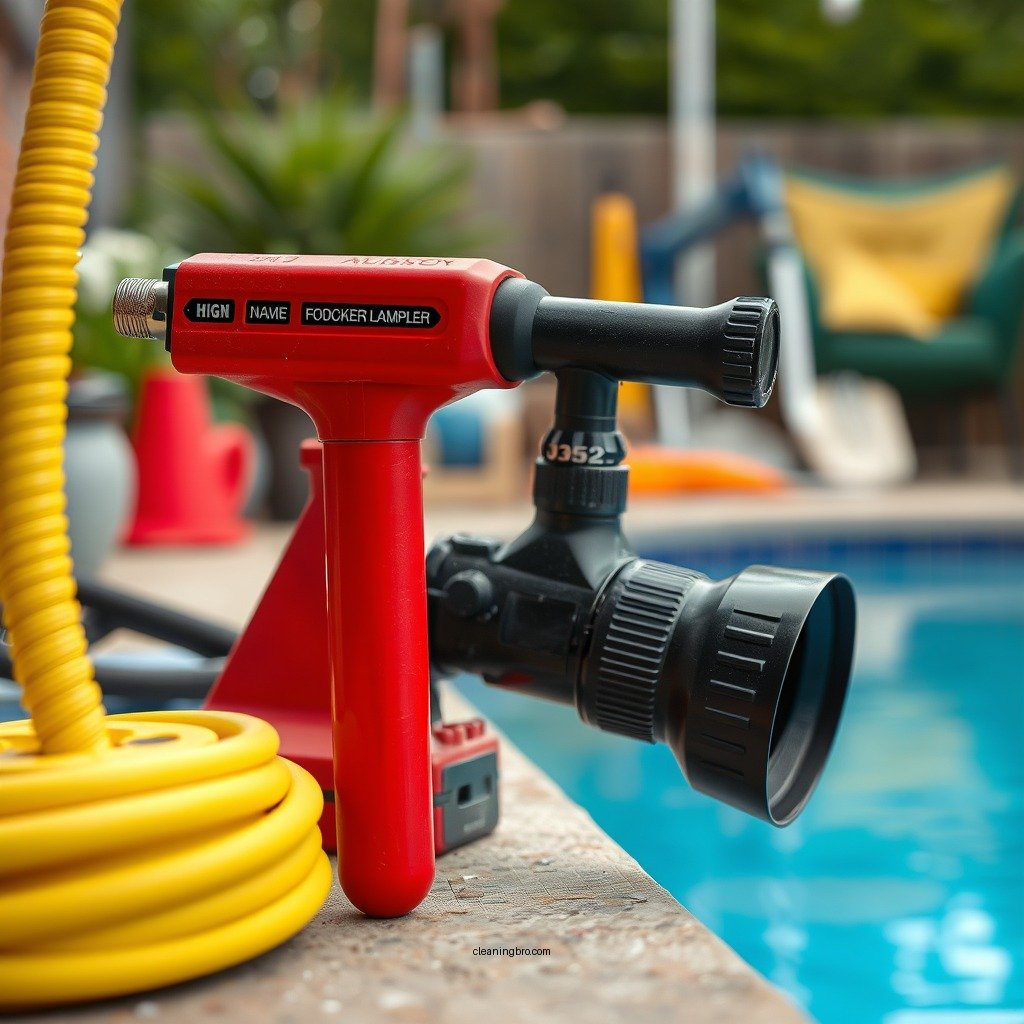
2. Pressure Wash: For tough stains and buildup, consider using a pressure washer specially designed for pools. This can help remove algae and other contaminants that regular cleaning may miss.
3. Use Specialized Cleaners: For any stubborn stains on the fiberglass surface, utilize cleaners formulated specifically for fiberglass. Avoid abrasive materials that could scratch the surface.
Implementing these deep cleaning techniques will ensure your pool remains in pristine condition.
Top Pool Cleaning Equipment: Comparison Table
| Feature | ⭐ Dolphin Nautilus | Hayward TigerShark | Pentair Prowler |
|---|---|---|---|
| Type | Robot | Robot | Robot |
| Coverage | Up to 50 ft | Up to 40 ft | Up to 50 ft |
| Cycle Time | 2 hours | 3 hours | 2 hours |
| Filter Type | Top-load filter | Cartridge filter | Top-load filter |
| Weight | 16 lbs | 20 lbs | 18 lbs |
| Smart Features | ✅ Wi-Fi Connectivity | ❌ None | ✅ Wi-Fi Connectivity |
| Price | $899 | $799 | $849 |
| Warranty | 2 years | 3 years | 2 years |
| Effective Cleaning | ✅ Best-in-class | ✅ Good | ✅ Good |
| 🏆 Best For | Smart home users | Budget-conscious buyers | Versatile cleaning |
Preventive Maintenance Tips
Taking preventive measures can drastically reduce the amount of cleaning required and extend the life of your fiberglass pool. Here are some tips:
1. Cover the Pool: Use a pool cover when the pool is not in use to minimize debris accumulation. This will also help maintain water temperature and reduce evaporation.
2. Regular Filter Maintenance: Check and clean the pool filter system regularly. Clogged filters can lead to poor water circulation and increased algae growth.
3. Check for Cracks: Periodically inspect the pool surface for any cracks or damage. Addressing these issues early can prevent larger problems down the line.
4. Monitor Water Levels: Keeping the water at the recommended level helps the skimmer function properly, preventing debris from settling on the surface.
By implementing these preventive maintenance tips, you’ll save time and money in the long run while ensuring your pool remains in top shape.
Seasonal Maintenance Considerations
Seasonal maintenance is crucial for preparing your fiberglass pool for the upcoming swim season or winter. Here are some key considerations:
1. Winterizing the Pool: Before winter, balance the chemicals in the water, and lower the water level below the skimmer. Add antifreeze to the plumbing lines and cover the pool securely.
2. Spring Opening: When preparing your pool for the swimming season, thoroughly clean the pool, inspect all equipment, and refill the water to the proper level. Test and balance the water chemistry before opening.
3. Regular Inspections: During the swimming season, conduct regular inspections of the pool structure and equipment to catch any issues early.
By following a seasonal maintenance schedule, you can ensure that your pool is always ready for use and remains in excellent condition throughout the year.
Keeping your fiberglass swimming pool clean doesn’t have to be a daunting task. By adhering to these systematic steps and maintaining a regular cleaning schedule, you can enjoy a sparkling and inviting pool all season long. Don’t forget to implement preventive measures and seasonal checks to ensure your pool remains in excellent condition. Dive in and enjoy your clean pool!
Frequently Asked Questions
What are the best cleaning products for a fiberglass swimming pool?
When cleaning a fiberglass swimming pool, it’s essential to use non-abrasive cleaners specifically designed for fiberglass surfaces. Look for pH-balanced pool cleaners or mild dish soap mixed with water to avoid scratching the gel coat. Avoid using harsh chemicals like bleach or acidic cleaners, as they can damage the pool’s surface.
How often should I clean my fiberglass swimming pool?
It’s recommended to clean your fiberglass swimming pool at least once a week to maintain water clarity and prevent algae growth. Regular skimming, brushing the walls, and vacuuming the pool floor will help keep the pool clean and reduce the frequency of deep cleaning. Seasonal deep cleaning is also advised to remove any built-up stains and scale.
Why is it important to brush the walls of a fiberglass swimming pool?
Brushing the walls of a fiberglass swimming pool is crucial for preventing algae buildup and maintaining a clean surface. Algae can grow on the smooth surface if not regularly disturbed, leading to slippery walls and potential staining. Regular brushing helps ensure that chemicals circulate effectively, contributing to a healthier swimming environment.
Which tools are essential for cleaning a fiberglass swimming pool effectively?
Essential tools for cleaning a fiberglass swimming pool include a pool skimmer for removing debris, a pool brush with soft bristles to prevent scratching, and a vacuum cleaner designed for pools. Additionally, having a leaf net, a telescopic pole, and water testing kits will help you maintain water quality and cleanliness effectively.
How can I remove stains from a fiberglass swimming pool?
To remove stains from a fiberglass swimming pool, start by brushing the affected areas with a pool brush and using a stain removal product specifically formulated for fiberglass. For tougher stains, a mixture of baking soda and water or a diluted solution of muriatic acid can be applied, but always follow manufacturer instructions and perform a patch test first. Regular maintenance and proper water balance can also help prevent future staining.
References
- Fiberglass
https://en.wikipedia.org/wiki/Fiberglass - https://www.extension.purdue.edu/extmedia/HO/HO-211-W.pdf
https://www.extension.purdue.edu/extmedia/HO/HO-211-W.pdf - Home & Garden Information Center | Clemson Cooperative Extension
https://www.clemson.edu/extension/hgic/topics/pools.html - https://www.poolandspacampus.com/articles/how-to-clean-a-fiberglass-pool
https://www.poolandspacampus.com/articles/how-to-clean-a-fiberglass-pool - https://www.nms.gov.au/cleaning-pools-and-spas/
https://www.nms.gov.au/cleaning-pools-and-spas/ - Google Scholar Google Scholar
https://scholar.google.com/scholar?q=cleaning+fiberglass+swimming+pool - Google Scholar Google Scholar
https://scholar.google.com/scholar?q=fiberglass+pool+maintenance - Google Scholar Google Scholar
https://scholar.google.com/scholar?q=swimming+pool+cleaning+techniques - https://www.sciencedirect.com/topics/agricultural-and-biological-sciences/swimming-pool-water-quality
https://www.sciencedirect.com/topics/agricultural-and-biological-sciences/swimming-pool-water-quality - Fiberglass | Material, Uses, Dangers, Production, Examples, & Insulation | Britannica
https://www.britannica.com/technology/fiberglass
