How to Clean Seagrass Carpet: A Step-by-Step Guide
To effectively clean seagrass carpet, begin by vacuuming regularly to remove dirt and debris, and then use a damp cloth for spot cleaning. Understanding the right techniques and products can help maintain its natural beauty and longevity. In this guide, you’ll learn the best practices for cleaning seagrass carpet to ensure it stays fresh and appealing.
Understanding Seagrass Carpet

Seagrass carpets are crafted from the stalks of seagrass plants, which grow in shallow coastal waters, making them a sustainable choice for flooring. These natural fibers are eco-friendly and bring a unique texture and warmth to any space. However, their organic nature makes them sensitive to moisture, which can lead to mold or mildew if not properly maintained. While seagrass carpets are known for their durability and stain resistance, improper cleaning techniques can cause irreversible damage, leading to fraying or discoloration. Understanding how to care for these carpets is crucial for preserving their beauty and longevity in your home.
Regular Maintenance Tips
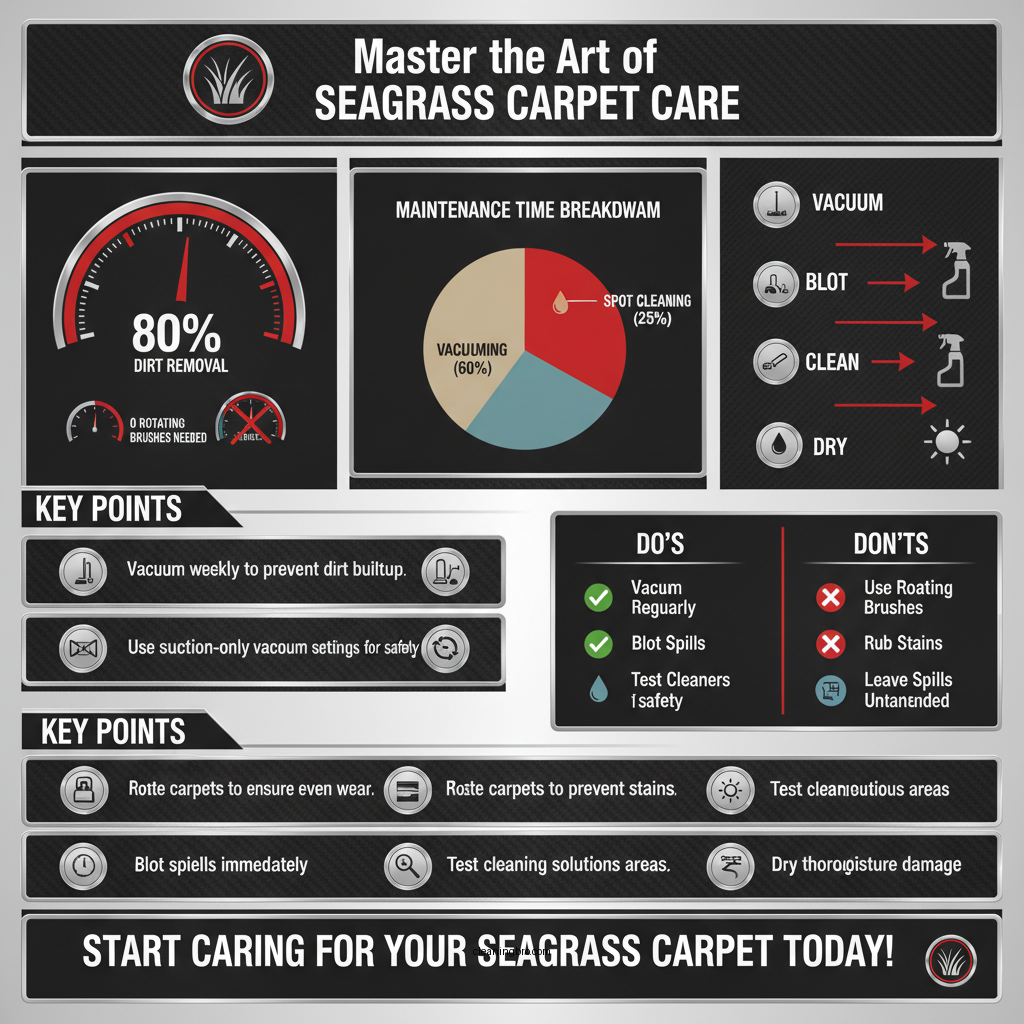
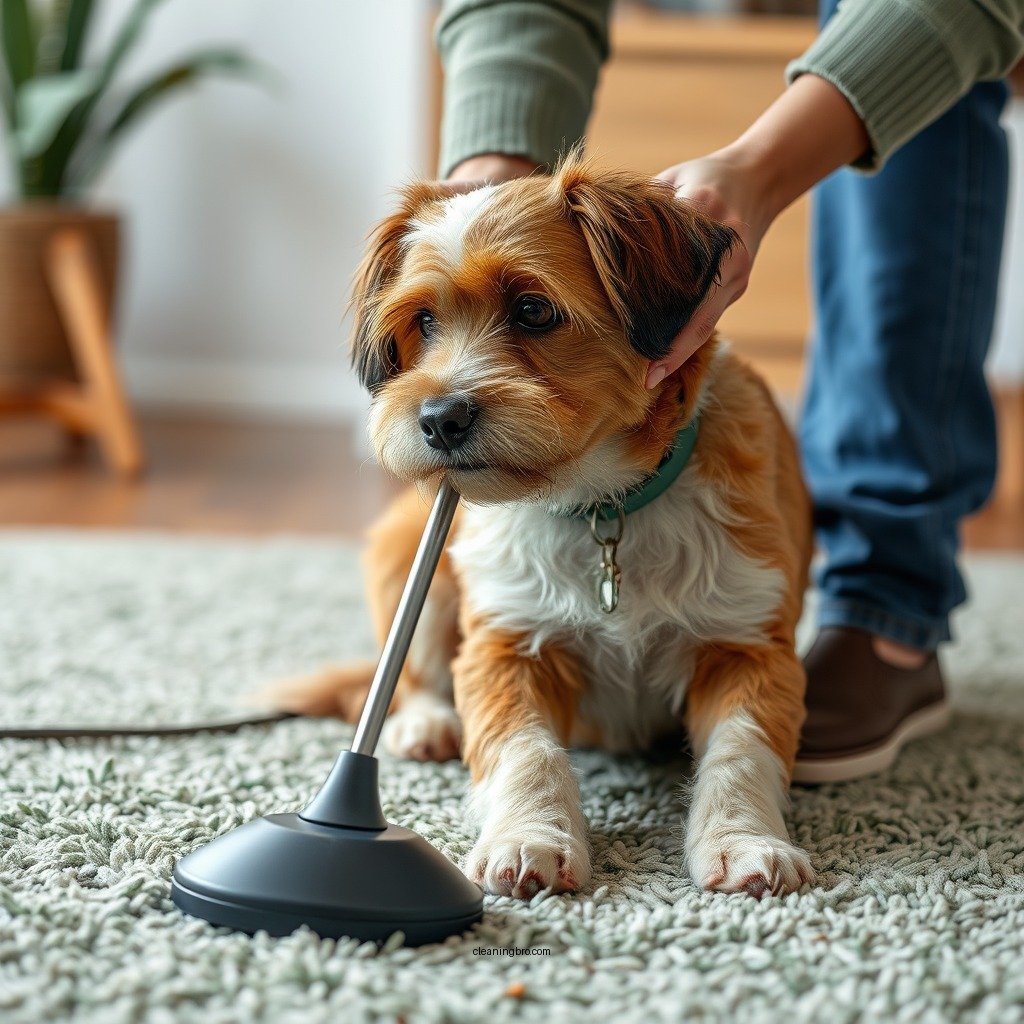
Maintaining the appearance of a seagrass carpet requires consistent effort. One of the most important steps is to vacuum weekly. This helps to prevent dirt buildup and keeps the carpet looking fresh. When vacuuming, it is crucial to use a vacuum cleaner without a beater bar, as the rotating brushes can fray the fibers. Instead, a suction-only vacuum setting is recommended. Additionally, it’s beneficial to periodically rotate your seagrass carpet, especially in high-traffic areas, to ensure even wear. This simple practice can significantly extend the lifespan of your carpet.
Spot Cleaning Techniques

Accidents happen, and when they do, timely action is essential. For spills, it’s crucial to blot immediately with a clean, dry cloth to absorb as much moisture as possible. Avoid rubbing, as this can push the liquid deeper into the fibers. For more stubborn stains, a mild soap solution can be effective. Use a mix of warm water and a few drops of gentle dish soap. Before applying it to the stained area, test the solution on an inconspicuous section of the carpet to ensure it doesn’t cause discoloration. After cleaning, always make sure to dry the area thoroughly to prevent moisture-related issues.
Top 5 Seagrass Carpet Cleaning Products (2023)
| # | Product | Type | Eco-Friendly | Price |
|---|---|---|---|---|
| 1 | Eco-Friendly Carpet Cleaner | Liquid | Yes | $14.99 |
| 2 | Nature’s Miracle Stain Remover | Spray | Yes | $12.99 |
| 3 | Bissell Natural Carpet Cleaner | Liquid | Yes | $15.95 |
| 4 | Dr. Bronner’s Pure-Castile Soap | Liquid | Yes | $10.99 |
| 5 | Simple Green Carpet Cleaner | Spray | Yes | $9.99 |
Deep Cleaning Methods
While regular maintenance is essential, deep cleaning is necessary at least every 12 to 18 months to ensure that deep-seated dirt and allergens are effectively removed. For this task, you may consider hiring a professional cleaning service that specializes in natural fiber carpets. However, if you prefer a DIY approach, a steam cleaner can be a viable option. When using a steam cleaner, select a gentle setting, and ensure that the carpet dries quickly afterward to prevent moisture-related issues. Utilizing fans or dehumidifiers can expedite the drying process, safeguarding the integrity of the fibers.
DIY vs Professional Cleaning for Seagrass Carpets
| Feature | ⭐ DIY Cleaning | Professional Cleaning |
|---|---|---|
| Cost | $20 – $50 | $150 – $400 |
| Time Required | 2 – 4 hours | 1 – 2 hours |
| Equipment Needed | Steam Cleaner | Professional Equipment |
| Stain Removal Effectiveness | Moderate | High |
| Convenience | Requires Time | No Effort |
| Frequency | Every 12-18 Months | Every 12-18 Months |
| Skill Level | Basic | Professional |
| Potential for Damage | Low | Minimal |
| Result Longevity | Moderate | High |
| 🏆 Best For | Budget-conscious homeowners | Busy professionals |
Preventing Damage
To prolong the life of your seagrass carpet, prevention is key. Excessive moisture can lead to mold and mildew, so it’s essential to keep the carpet in dry areas. Using area rugs in high-traffic zones can help minimize wear and tear, while placing mats at entry points can reduce dirt tracked onto the carpet. Additionally, avoid placing your seagrass carpet in areas exposed to direct sunlight for prolonged periods, as this can lead to fading and deterioration. Regularly checking for signs of wear or damage can help you catch issues before they escalate, ensuring your carpet remains a beautiful part of your home.
Choosing the Right Cleaning Products
When it comes to cleaning products for seagrass carpets, opting for biodegradable and non-toxic cleaners is crucial. Such products not only protect the natural fibers but also ensure a safer environment for your home. Harsh chemicals can break down the fibers and cause discoloration, so always avoid cleaners with bleach or ammonia. Instead, look for plant-based solutions that are specifically designed for natural fibers. Reading labels and researching product reviews can help you make an informed choice that aligns with the delicate nature of seagrass.
When to Seek Professional Help
While regular maintenance and DIY cleaning can be effective, there are times when it is best to seek professional assistance. Persistent stains, extensive damage, or a general need for deep cleaning are all indicators that you should consider hiring a professional service. Regular inspections by professionals can also help identify potential issues before they require costly repairs. By choosing to engage experts, you not only ensure a thorough clean but also extend the life of your carpet, making it a worthwhile investment for your home.
Maintaining a seagrass carpet requires consistent care and specific cleaning techniques to keep it looking its best. By implementing these cleaning practices, you can ensure your seagrass carpet remains a beautiful and sustainable addition to your home. For further assistance or to explore professional cleaning options, consider reaching out to local carpet cleaning services today.
Frequently Asked Questions
How do you remove stains from a seagrass carpet?
To effectively remove stains from a seagrass carpet, first blot the stain with a clean, dry cloth to absorb any excess liquid. Then, mix a solution of mild soap and warm water, applying it gently with a soft cloth. Avoid using too much moisture, as seagrass can absorb water and become damaged. Always finish by blotting with a dry cloth to remove any soap residue.
What is the best way to vacuum a seagrass carpet?
The best way to vacuum a seagrass carpet is to use a vacuum cleaner with a suction-only setting or a brushless vacuum attachment. This prevents the fibers from being pulled or damaged. Regular vacuuming helps to remove dirt and debris, but be sure to clean corners and edges where dirt can accumulate.
Why is it important to avoid water when cleaning seagrass carpet?
It is important to avoid water when cleaning seagrass carpet because seagrass is a natural fiber that can absorb moisture, leading to mold and mildew growth. Excess water can also cause the fibers to warp or shrink, compromising the carpet’s integrity. Instead, opt for dry cleaning methods or steam cleaning with minimal moisture.
Which cleaning products are safe to use on seagrass carpets?
Safe cleaning products for seagrass carpets include mild pH-balanced detergents and natural cleaners like vinegar diluted with water. Avoid harsh chemicals, bleach, and heavy-duty cleaners that can damage the fibers. Always test any cleaning solution in a small, inconspicuous area before applying it to the entire carpet.
How often should you clean a seagrass carpet?
You should clean a seagrass carpet at least once every month to maintain its appearance and longevity. Regular vacuuming is essential, but deep cleaning should occur every 6 to 12 months, depending on foot traffic and exposure to dirt. This schedule helps prevent the buildup of allergens and keeps your seagrass carpet looking fresh.
References
- Seagrass
https://en.wikipedia.org/wiki/Seagrass - https://www.ncbi.nlm.nih.gov/pmc/articles/PMC5813620/
https://www.ncbi.nlm.nih.gov/pmc/articles/PMC5813620/ - https://www.sciencedirect.com/science/article/pii/S004896971935974X
https://www.sciencedirect.com/science/article/pii/S004896971935974X - https://www.nature.com/articles/s41598-019-50869-5
https://www.nature.com/articles/s41598-019-50869-5 - https://www.britannica.com/science/seagrass
https://www.britannica.com/science/seagrass - https://www.mayoclinic.org/healthy-lifestyle/nutrition-and-healthy-eating/expert-answers/cleaning-carpet/faq-20058433
https://www.mayoclinic.org/healthy-lifestyle/nutrition-and-healthy-eating/expert-answers/cleaning-carpet/faq-20058433 - https://www.cdc.gov/healthywater/emergency/disinfection.html
https://www.cdc.gov/healthywater/emergency/disinfection.html - Drinking-water
https://www.who.int/news-room/fact-sheets/detail/drinking-water - Google Scholar Google Scholar
https://scholar.google.com/scholar?q=how+to+clean+seagrass+carpet - Google Scholar Google Scholar
https://scholar.google.com/scholar?q=seagrass+carpet+cleaning+methods