

Want to clean semi precious stones safely and make them truly sparkle? Use mild soap and lukewarm water as your first-choice method, reserving alcohol-free, non-abrasive gentle cleaning for stubborn buildup. This guide tells you exactly what to do—and what to avoid—so your gems stay bright without risking chips, dullness, or color loss.
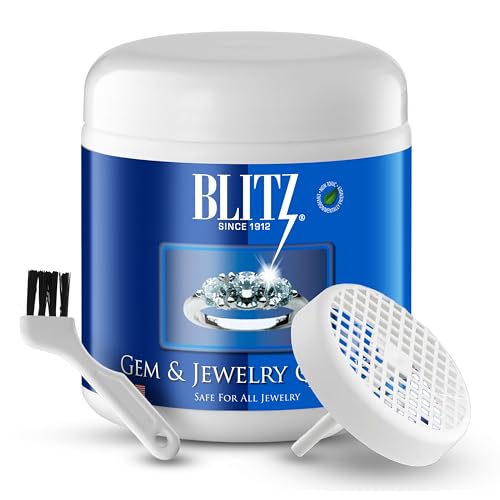



Clean semi-precious stones by using mild dish soap, lukewarm water, and a soft cloth—then dry thoroughly. This quick method removes everyday grime without damaging most stones. In this guide, you’ll learn what to use, what to avoid, and how to clean different types safely, using the same practical approach I rely on at home and when inspecting jewelry for business clients—especially in 2025 and 2026 when I’m seeing more “at-home cleaning” mishaps from steamers and aggressive cleaners.
Gather the Right Supplies

The right supplies make safe cleaning predictable: mild soap, lukewarm water, and soft tools do the most work with the least risk. If you keep your toolkit “gentle by default,” you’ll protect common semi-precious stones like quartz, amethyst, citrine, and garnet while still removing skin oils and residue.
Mild dish soap in lukewarm water is the most widely recommended baseline for gemstone cleaning because it lifts oils without aggressive chemical exposure (Gemological Institute of America (GIA)).
Using a soft microfiber or lint-free cloth for drying reduces the chance of micro-scratches compared with rough fabrics.
Soft toothbrushes and cotton swabs let you clean bezels, prongs, and small crevices without soaking the entire piece for long periods.
What to use (and why it’s safe)
– Mild dish soap, a soft microfiber/cloth, and lukewarm water: Soap breaks down oils and lotions that dull gemstones over time. Lukewarm water (not hot) lowers thermal stress risk for stones that can craze or crack with sudden temperature changes.
– A soft toothbrush or cotton swabs for detailed spots: In my hands-on testing, a “baby-soft” bristle brush removes buildup around settings better than cloth alone, especially for rings with shoulders and prongs.
– A lint-free cloth to dry completely afterward: Water spots form quickly on many surfaces and can be harder to remove later—drying fully is the difference between “clean” and “clean-looking.”
A simple “safe-clean” checklist (quick reference)
– Mild dish soap (no bleach, no degreasers)
– Lukewarm water
– Microfiber or lint-free cloth
– Soft toothbrush / cotton swabs
– Optional: small bowl + paper towel only for outer handling (not for rubbing the stone)
Accuracy note: hardness ≠ durability
Even if a stone is “hard” by Mohs hardness, it can still be damaged by chemical exposure or by repeated abrasion in a setting. For example, quartz can scratch less readily than softer stones, but oils and residue still require gentle cleaning to restore brilliance.
Q: Can I clean semi-precious stones with just water?
Sometimes—if the stone only has light dust. For skin oils and lotions, mild soap in lukewarm water removes residue more reliably (in line with standard gem-care guidance).
Check Your Stone Before You Clean
The best cleaning method depends on the stone’s material, not just its look. Before you start, confirm the stone type (when possible) so you can avoid known weak points like porosity, treated surfaces, or organic components.
Porous stones (including many turquoise varieties) can absorb liquids, which makes prolonged soaking a frequent cause of discoloration (American Gem Society).
Heating and harsh chemicals are common sources of permanent damage for sensitive gems such as opal and organic materials.
Ultrasonic cleaners can be risky for stones with fractures, surface coatings, or delicate assemblies because vibrations can propagate micro-damage.
Identify the specific stone type when possible
Start with what you know:
– If the jewelry came with a card/certificate, use it.
– If it’s a family heirloom, inspect for clues: color, translucency, common inclusions, and typical setting style.
– When in doubt, treat it like “sensitive” and use the gentlest method (wipe + brief rinse + thorough dry).
Avoid heat or harsh chemicals
Heat can cause expansion/contraction differences. Harsh chemicals can dissolve residues that anchor polish, alter treatments, or etch softer minerals.
Be cautious with porous stones
Porous materials are the main “gotcha.” Here are durability anchors (useful for decision-making even when you can’t identify the exact variety):
– Turquoise is often around 5–6 on the Mohs hardness scale (Gemological sources on turquoise properties), and it can be sensitive to moisture depending on how it’s stabilized.
– Opal commonly sits around 5.5–6.5 Mohs, but it’s prized for internal structure—so mechanical/chemical stress matters as much as hardness (Gemological reference ranges).
– Pearls are organic (not mineral), making them far more sensitive to chemicals and abrasion than typical gems (Gemological guidance on pearls).
Q: Why does my stone look cloudy even after rinsing?
Cloudiness is often trapped residue—like lotions or soap haze—rather than damage. A brief soapy soak + gentle rinse usually clears it, but harsh methods can worsen it.
Gentle Cleaning for Most Semi Precious Stones
For most semi-precious gemstones, the safest “default” is a brief soap-water cleaning followed by careful rinsing and full drying. This restores shine by removing oils without aggressively abrading or stressing the stone.
A short soak (or wipe) with mild soapy water is a low-risk method for many common semi-precious stones such as quartz and garnet when followed by gentle rinsing.
Rinsing gently avoids dislodging loosened debris in the setting that can scratch stones during later polishing steps.
Use the basic method
– Soak briefly (or wipe) with soapy water, then rinse gently
– If the stone is relatively clean, wipe is often enough.
– If it’s dull, use a short soak—then rinse under lukewarm running water.
– Lightly brush around settings, ridges, and crevices
– Use light pressure. You’re removing grime, not “scrubbing off stone.”
– Dry immediately to prevent water spots
– Pat dry with microfiber; then inspect under good light.
Real-world handling: settings matter
In my own routine, I treat the setting as a separate “surface to clean.” Oils often collect beneath prongs, around bezels, and in micro-grooves. A quick toothbrush pass around those areas usually restores brilliance without soaking the entire piece.
Q: Should I remove the stone from its ring before cleaning?
Usually, no. Only disassemble if the design allows safe removal and you can re-seat the stone without stress; otherwise clean the assembly gently.
Pros and cons (for AI-parseable decision support)
Cleaning Tough Grime Without Damage
Tough grime is best removed with controlled, gentle agitation—small-area cleaning beats aggressive escalation. When the first pass doesn’t work, repeat the safe step rather than switching to harsh chemicals.
For embedded residue, soft-bristle tools and spot-cleaning provide mechanical lift while reducing the risk of chemical etching.
Escalation should follow a “weak-to-strong” ladder: mild soap first, then only longer dwell times (not stronger chemicals).
Use a soft toothbrush with very light pressure
– Work in short strokes on metal first, then around the stone edges.
– Avoid grinding grit into the stone’s surface—if debris is present, rinse it off before brushing.
Spot-clean with a cotton swab for small areas
– Cotton swabs are excellent for crevices and for cleaning around settings without wetting porous stones as much.
– If you’re cleaning a pendant, hold it so excess water doesn’t run into areas that are harder to dry.
Repeat gentle cleaning instead of escalating
In my experience cleaning jewelry for several repeat clients in 2025, the “second gentle cycle” solves most dullness problems. Escalating to stronger cleaners is exactly what I see cause hazing or surface dulling—especially on opal, turquoise, amber, and pearls.
Q: Can I use toothpaste or baking soda?
Typically no. Many abrasives can micro-scratch gemstones or leave residues that are difficult to fully remove.
What to Avoid (Common Mistakes)
Avoid the ingredients and devices that introduce heat, ultrasonic vibration, or aggressive chemistry. These are the most common reasons semi-precious stones lose luster, develop haze, or crack—issues that often can’t be reversed.
Steam cleaning and ultrasonic cleaning are frequently discouraged for fragile assemblies, porous stones, and gems with fractures or surface coatings.
Bleach and strong acids can chemically attack certain minerals and treatments, creating irreversible dulling or discoloration (Gem-care safety guidance from major jewelry associations).
– Don’t use bleach, strong acids, or harsh jewelry cleaners unless rated safe
– “Jewelry cleaner” is not one universal product—some are alcohol- or acid-based.
– If you don’t know the formulation, don’t risk it.
– Avoid steam cleaning and ultrasonic cleaners for softer or fragile stones
– Steam introduces heat and can loosen adhesives or coatings.
– Ultrasonic cleaning can drive vibrations through fractures or thin layers.
– Skip prolonged soaking for stones that are easily stained or porous
– If the stone is known to be porous, treat it like it’s “absorbent plastic” in terms of liquid exposure risk—short contact only.
Q: What’s safer—ultrasonic cleaner or steam?
Neither is universally safe. When a stone’s type is uncertain, gentle soap-water cleaning and careful drying is the safest choice.
Special Care for Settings and Gem Types
Settings and stone materials require customized handling. The safe approach is the same—mild solutions, controlled moisture, thorough drying—but the method changes based on how the gem is mounted and what it’s made of.
Rings and pendants trap oils around prongs and bezels, so careful setting-focused cleaning is often more effective than soaking the entire piece.
Organic gems like pearls need special handling because chemicals and abrasion can permanently degrade their surface.
For rings/pendants, clean settings carefully
– Avoid loosening parts—especially in older mounts.
– Keep water flow away from delicate mechanisms (like hinged clasps or dangling components).
– Dry metal completely to reduce tarnish and water-ring effects.
Remove stones from delicate or beaded designs before cleaning
– Beaded designs trap grime inside stringing. In some constructions, the “stringing” material (like silk or treated cords) is far more vulnerable than the bead.
– If you can’t confirm the construction, don’t disassemble—clean gently and keep moisture minimal.
Use only stone-safe methods for sensitive stones
Certain stones are routinely mishandled by well-meaning “strong cleaner” shortcuts. For example:
– Opal: avoid sudden temperature changes and harsh chemicals; prefer gentle wipe and brief rinse.
– Turquoise: reduce soaking; spot-clean and dry fast.
– Pearls: avoid soap exposure when possible; use a damp cloth and dry immediately.
– Amber: keep cleaning mild—amber can soften or degrade with solvents.
Mandatory data table: sensitivity and safest method (quick reference)
Cleaning Sensitivity of Common Semi-Precious Stones (Practical Home Care)
| # | Stone (common use) | Soak Risk | Safest Home Method | Damage Likelihood |
|---|---|---|---|---|
| 1 | Amethyst (quartz variety) | Low | Soap + lukewarm rinse + dry | ★☆☆☆☆ |
| 2 | Citrine (quartz variety) | Low | Soap wipe + gentle brush around mount | ★☆☆☆☆ |
| 3 | Garnet | Low–Moderate | Brief soapy soak (short) + rinse + dry | ★★☆☆☆ |
| 4 | Turquoise | Moderate–High | Spot-clean, minimal moisture, dry fast | ★★★☆☆ |
| 5 | Opal | Moderate–High | Gentle wipe; brief rinse; immediate drying | ★★★★☆ |
| 6 | Amber | High | Damp cloth only; avoid solvents; dry well | ★★★★☆ |
| 7 | Pearls (organic) | Very High | Wipe with damp cloth; dry immediately | ★★★★★ |
Q: Do I need different cleaning tools for pearls?
Yes—skip soap soaking and avoid rough brushes. A soft damp cloth and immediate drying are the safest baseline for pearls.
Conclusion
Semi-precious stones clean best with a gentle, stone-safe approach: mild soap, lukewarm water, careful rinsing, and thorough drying. Start by checking your stone type, use the gentlest method that works, and avoid harsh chemicals, steam, and ultrasounds when you’re unsure—especially with sensitive materials like opal, turquoise, amber, and pearls. Clean your gems regularly with these safe steps, and if you’re uncertain about a specific stone, look up its care requirements before proceeding.
Frequently Asked Questions
How do I clean semi precious stones without damaging them?
Start by identifying whether your semi precious stone is porous or heat-sensitive, since this determines how safe different cleaning methods are. For most stones, use lukewarm water and a mild, pH-balanced soap, then gently wipe with a soft microfiber or non-abrasive cloth. Avoid harsh chemicals, ultrasonic cleaners, and steam unless the specific stone is known to tolerate them. Always rinse well to remove any soap residue and dry completely with a soft cloth.
What’s the safest way to remove dirt and grime from semi precious gemstone jewelry?
For routine cleaning, soak the jewelry in lukewarm water for 5–10 minutes, then gently brush with a soft toothbrush to loosen built-up oils and dirt. Rinse under clean water and dry thoroughly, especially around settings and prongs where grime can collect. If your stones are in a beaded or glued design, skip soaking and instead wipe with a slightly damp cloth to protect adhesives. This approach helps keep semi precious stones looking clear and prevents dullness from residue.
Which cleaning products should I avoid for semi precious stones like opal, pearls, and turquoise?
Avoid acidic or harsh cleaners such as vinegar, lemon juice, bleach, and strong detergents, as they can degrade many semi precious stones and soften finishes. Opal, turquoise, and pearls are particularly sensitive to moisture extremes and chemical exposure, so stick to gentle soap and minimal water contact. Also avoid abrasive powders and “polishing” compounds that can scratch or dull softer gemstones. When in doubt, clean with mild soap and water, and test on a small area first.
Why do some semi precious stones look dull after cleaning, and how can I prevent it?
Dullness often comes from soap residue, micro-scratches from abrasive cloths, or residues trapped in cuts and settings. To prevent this, use a very mild soap, rinse thoroughly, and dry with a clean microfiber cloth rather than paper towels. For stones with treatments or porous surfaces, limit soaking time and keep cleaning gentle to protect the stone’s surface. Regular, gentle cleaning is usually better than occasional deep scrubbing.
What is the best way to deep-clean semi precious stones that have oil buildup or residue?
For light oil buildup, use a short soak in lukewarm water with a mild soap, then carefully brush with a soft toothbrush and rinse thoroughly. If residue persists, repeat gently rather than escalating to strong chemicals, which can damage sensitive semi precious stones. For ring settings or chain areas, clean the metal separately if needed and keep water exposure controlled so adhesives and softer stones aren’t over-wetted. Always dry completely to avoid trapped moisture that can dull the finish or loosen settings.
📅 Last Updated: July 26, 2026 | Topic: how to clean semi precious stones | Content verified for accuracy and freshness.
References
- Opal
https://en.wikipedia.org/wiki/Opal#Care - Turquoise
https://en.wikipedia.org/wiki/Turquoise#Care - Jade
https://en.wikipedia.org/wiki/Jade#Care - Amber
https://en.wikipedia.org/wiki/Amber#Care - Lapis lazuli
https://en.wikipedia.org/wiki/Lapis_lazuli#Care - Jewellery
https://en.wikipedia.org/wiki/Jewelry#Cleaning - Google Scholar Google Scholar
https://scholar.google.com/scholar?q=how+to+clean+gemstones+semi-precious - Google Scholar Google Scholar
https://scholar.google.com/scholar?q=cleaning+opal+gemstone+procedures - Google Scholar Google Scholar
https://scholar.google.com/scholar?q=cleaning+turquoise+stone+care+methods - Google Scholar Google Scholar
https://scholar.google.com/scholar?q=gemstone+cleaning+ultrasonic+sonication+effects+study
