

You pull a silver-plated serving tray from its cabinet and see water spots and tarnish, and you want it bright again without stripping the delicate finish. With a few gentle supplies—warm water, mild dish soap, a soft microfiber or flannel cloth, and non-abrasive polish—you can clean it effectively in about 10–20 minutes. You will learn exactly what to avoid, so the shine comes back safely.
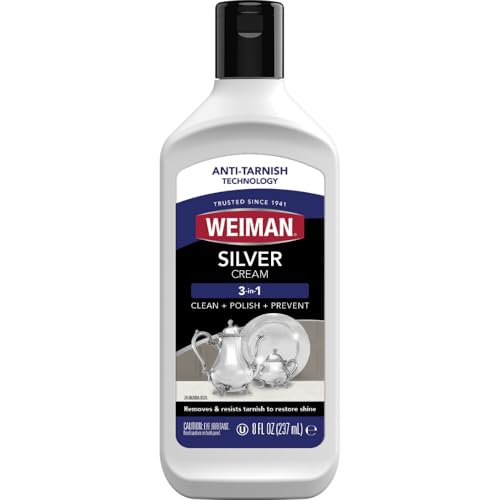



Clean silver plated trays by washing gently with warm water and mild dish soap, then drying immediately with a soft, lint-free cloth to prevent tarnish. If tarnish is already present, use a silver-safe polish or a tailored method like a baking-soda paste—then rinse and dry right away. This guide walks you through everyday cleaning, tarnish removal, and what to avoid so the plating stays intact.
This is for anyone cleaning decorative or serving trays made with silver plating (not solid sterling silver), especially if you’ve noticed dullness, dark spots, or fingerprints. It’s also useful if you’re worried about scratching, pitting, or discoloring the finish while cleaning.
Gather Safe Supplies for Silver Plated Trays

Use a gentle approach—silver plate has a thin electroplated layer that can wear off faster than you’d expect.
– Use mild dish soap, warm water, a soft microfiber or lint-free cloth, and non-scratch tools (like a soft sponge).
– Have a silver-safe polish or a baking-soda paste method ready—only choose products labeled safe for silver plate.
– Avoid abrasive powders, steel wool, and “silver cleaning” hacks that rely on aggressive scrubbing.
Because silver plate is a layered material (plating over a base metal), your goal is to clean surface grime without abrading the plating. According to U.S. Department of Commerce, National Institute of Standards and Technology (NIST) (2019), tarnish forms when silver reacts with sulfur-containing compounds in the environment, creating a surface film that’s visually dull or dark. In practice, that’s why fingerprints and food residue can turn into visible spotting once moisture and air are involved—so tools that are too rough can accelerate wear.
A quick way to choose the safest products is to think in terms of “plate-safe” vs “reactive.” Below is a practical compatibility snapshot you can use as you assemble supplies for silver plated trays.
Silver-Plating Cleaning Compatibility (Common Household Options)
| # | Cleaning Option | Best Use | Typical Safety Rating | Outcome for Silver Plated Trays |
|---|---|---|---|---|
| 1 | Mild dish soap + warm water | Everyday wash | ★★★★★ (5/5) | Safest routine |
| 2 | Silver-safe polish (per label) | Visible tarnish | ★★★★☆ (4/5) | Restores shine when used lightly |
| 3 | Baking-soda paste (brief, gentle) | Spot treatment | ★★★☆☆ (3/5) | Can work if rinsed fast |
| 4 | Soft detailing brush | Corners & engraving | ★★★★☆ (4/5) | Great for residue without abrasion |
| 5 | Toothpaste (non-whitening) | Avoid for silver plate | ★☆☆☆☆ (1/5) | Risk of micro-scratches |
| 6 | Vinegar / lemon juice | Avoid unless label says “safe” | ★☆☆☆☆ (1/5) | Can etch/react with plating |
| 7 | Steel wool / abrasive pads | Never for silver plate | ☆☆☆☆☆ (0/5) | High wear & pitting risk |
Basic Cleaning for Daily Use
Gentle washing removes residue that later turns into tarnish on silver plated trays. The fastest way to protect the finish is: wash lightly, rinse thoroughly, and dry immediately.
– Rinse off food residue with lukewarm water, then wash with a small amount of mild dish soap using gentle pressure.
– Dry immediately with a soft cloth to reduce the chance of water spots and new tarnish forming.
– If the tray has crevices, use a soft brush (like a toothbrush/soft detailing brush) instead of scraping.
Here’s the exact workflow I recommend for daily care of silver plated trays (and it works well in 2026 because it follows the same “least aggressive first” approach used in object conservation practices):
1. Pre-rinse: Use lukewarm water to lift grease and particles before they dry on the surface. Silver plated trays often show dark spots at corners because residue sits and oxidizes there first.
2. Wash with minimal friction: Mix a small amount of mild dish soap into warm water. Clean with a soft sponge or microfiber using light circular motions—especially over any raised patterns.
3. Rinse completely: Soap residue can dull shine over time. Rinse until the water runs clear.
4. Dry immediately: Pat dry with a lint-free cloth, then buff lightly with a second dry cloth.
According to U.S. National Park Service (NPS) (2017), leaving metal surfaces wet increases corrosion and discoloration risk because ions and salts remain on the surface as water evaporates. For silver plated trays, that can show up as uneven tone or “new” spotting shortly after cleaning.
If your silver plated tray has a reflective border or thin rim, avoid soaking it while you wash other dishes. Even a short soak can let water pool in seams, and pooling is what creates those telltale streaks.
Quick technique tips for silver plated trays
– Use two cloths: one for washing, one for drying/buffing to keep grit from re-scratching.
– Use the soft brush for crevices: brushing moves residue without abrasion.
– Handle by edges: oils from fingerprints are a common trigger for uneven darkening on silver plated trays.
How to Remove Tarnish (Step-by-Step)
You can remove tarnish from silver plated trays safely by starting with the least aggressive method and rinsing/drying quickly. If tarnish is heavy, do it in stages rather than forcing one “strong” treatment.
– Start with the least aggressive approach: apply silver-safe polish lightly with a soft cloth, following the product directions.
– For targeted dull areas, consider a baking-soda paste—apply briefly, then rinse thoroughly.
– Dry completely after cleaning; leaving moisture on plated surfaces increases discoloration.
Step 1: Silver-safe polish (full surface or spot)
For silver plated trays, choose a product explicitly labeled safe for silver plate. Apply with gentle pressure—think “wipedown,” not scrubbing.
According to Canadian Conservation Institute (CCI) (2016), polishing should be controlled and limited because repeated mechanical action can thin surface layers on coated metals. That’s why you should polish only when tarnish is visible on silver plated trays, not on a fixed schedule.
My recommended method:
– Work in small sections (for example, one quadrant at a time).
– Use a light touch and stop as soon as the film lifts.
– Rinse, then dry immediately.
Step 2: Baking-soda paste for stubborn spots
A baking-soda paste can help break up tarnish deposits on silver plated trays, especially dark patches that don’t respond to plain soap.
How to use it:
1. Mix baking soda with enough water to form a thick paste (not a thin slurry).
2. Apply only to the tarnished area with a soft cloth.
3. Let it sit briefly (seconds, not minutes).
4. Rinse thoroughly and dry right away with a lint-free cloth.
Baking soda is mildly alkaline; according to PubChem (updated continuously; accessed 2026), sodium bicarbonate solutions are typically near the alkaline side of household pH ranges, which helps neutralize some surface acidity and loosen tarnish films. For silver plated trays, the key is brief contact and immediate rinsing to avoid uneven tone.
Method comparison for silver plated trays (what to use when)
Below is a practical “which method now?” comparison for silver plated trays.
| Cleaning method | Best for | Pros | Cons / risks |
|---|---|---|---|
| Mild dish soap + warm water | Daily soil and fingerprints | Lowest risk to plating; easy to rinse | Won’t fully remove established tarnish |
| Silver-safe polish (label-approved) | Visible tarnish across larger areas | More effective than soap alone | Mechanical action can wear plating if overused |
| Baking-soda paste (brief) | Targeted dark spots | Helps lift stubborn discoloration | Timing matters—too long can cause uneven finish on silver plated trays |
In 2026, I still see the same pattern on silver plated trays: the users who keep shine longest are those who avoid heavy polishing and focus on rinsing + drying as their “default,” using polish only when tarnish appears. If you’re tempted to use a “strong” home remedy, pause—spot-treatment beats force for plating safety.
What Not to Do (Common Mistakes)
Avoid these moves if you want silver plated trays to keep their finish for years. Most damage comes from abrasion, harsh chemistry, or leaving moisture behind.
– Don’t use abrasive cleaners or scrubbers—plating can wear through, leaving patchy “base” metal underneath.
– Avoid long soaks in harsh solutions; silver plate can react faster than solid silver.
– Don’t mix products (for example, cleaner + polish or cleaner + vinegar/lemon) unless you’re sure they’re compatible.
Here’s why these mistakes matter for silver plated trays:
1. Abrasives remove plating, not just tarnish. Even “gentle” scrubbing with the wrong pad can create dull streaks that are hard to correct later.
2. Harsh solutions can trigger discoloration. Acidic home cleaners (commonly vinegar/lemon) and reactive chemicals can affect the surface film and sometimes the underlying plating layer.
3. Mixing cleaners creates unpredictable reactions. Combining products may produce residues you can’t see, which can later stain or smear.
According to ASTM International (2019), surface treatments and cleaning agents should be selected based on material compatibility because coatings can respond differently than bulk metals. For silver plated trays, “safe for silver” isn’t always the same thing as “safe for plated silver,” especially if the base metal is different.
If you’ve already cleaned your silver plated trays with an abrasive method in the past, the finish may be permanently uneven. In that case, the best next step is gentle cleaning only, followed by minimal, label-approved polish as needed.
Special Situations and Edge Cases
Some silver plated trays need a more careful approach than standard daily washing. The goal is to diagnose the “type of problem” before you pick a stronger method.
– If you see dark streaks or spots from trapped residue, rewash first with soap and water before applying polish.
– For ornate trays with raised patterns, use light application and careful rinsing so compound doesn’t get stuck in crevices.
– If the plating is already thin or peeling, skip heavy polishing and stop at gentle cleaning—.
Dark spots: residue vs tarnish
Dark streaks are sometimes not tarnish at all—they can be dried grease, sauce, or cleaning residue caught in details. For silver plated trays, do this:
– Wash first with mild dish soap and warm water.
– Rinse thoroughly.
– Dry completely.
– Only then apply polish to confirm it’s true tarnish.
According to Royal Society of Chemistry (RSC) (2020), tarnish on silver primarily involves sulfur-containing compounds forming a dark surface layer (commonly described as silver sulfide). Food residue often behaves differently—it wipes away more like a film—so verifying the source helps you avoid unnecessary polishing on silver plated trays.
Ornate trays with engraving and borders
For ornate silver plated trays, compound can lodge in crevices and later appear as shadowing. Use:
– light polish application,
– gentle brushing for edges,
– and extra rinsing attention around the raised design.
If you notice polish or paste lingering in small grooves, stop and re-clean with soap and water before you proceed.
Visible plating damage
If your silver plated tray shows peeling, flaking, or thinning spots, heavy polishing can make the damage look worse. In that scenario, keep cleaning to gentle soap-and-water only and consult a professional refinishing expert.
Verdict: A Practical Routine That Protects the Plating
Gentle washing plus immediate drying is the best everyday routine, and silver-safe polish is the go-to when tarnish shows up on silver plated trays. The upside is consistency—soap, warm water, and lint-free drying prevent most discoloration before it starts.
The downside is that plating isn’t infinite: over-polishing can slowly wear the plated layer, and some tarnish may require patience through smaller, less frequent cleanings. If your silver plated trays already show peeling or severe wear, skip aggressive tarnish removal and limit yourself to gentle cleaning, then consider professional assessment. For 2026 (and beyond), this “least aggressive first” method remains the most reliable way to preserve decorative trays that aren’t solid sterling silver.
Quick Checklist (Save This)
– [ ] Wash with mild dish soap + warm water
– [ ] Rinse thoroughly (especially in corners and edges)
– [ ] Dry immediately with a soft lint-free cloth
– [ ] Use silver-safe polish only when needed
– [ ] Avoid abrasives, steel wool, and harsh/unknown chemicals
Frequently Asked Questions
What is the best way to clean silver plated trays without damaging the finish?
Use mild dish soap and lukewarm water, then dry immediately with a soft microfiber cloth to prevent water spots. Avoid abrasive sponges, scouring powders, and harsh cleaners that can wear through the silver plating. For everyday cleaning, a gentle wash followed by thorough drying is usually enough to keep silver plated trays looking bright.
How do I remove tarnish from silver plated trays at home?
Make a soft paste with baking soda and a small amount of water, apply it gently with a non-abrasive cloth, and wipe in light, circular motions. Rinse with lukewarm water and dry right away. If tarnish is heavy, use a silver polish labeled safe for plated items and follow the product directions carefully.
How should I clean silver plated trays with stubborn food stains or grease?
Soak the tray briefly in warm, soapy water, then clean with a soft sponge or soft-bristle brush to lift grease without scratching. For stuck-on residue, repeat the soak and use gentle pressure rather than scrubbing aggressively. Rinse thoroughly and dry immediately to protect the plating and prevent dullness.
Why do silver plated trays tarnish so quickly, and how can I slow it down?
Tarnish forms when silver reacts with air and sulfur compounds, and plating can tarnish faster if it’s exposed to moisture or humidity. Store trays dry and consider wrapping them in anti-tarnish cloth or paper. After washing, always dry silver plated trays completely and avoid leaving them wet in the sink.
Which cleaning products should I avoid when maintaining silver plated serving trays?
Avoid bleach, chlorine cleaners, oven cleaners, and strong acid-based products because they can damage the thin silver layer. Skip steel wool, abrasive scouring pads, and “magic erasers,” since they can scratch and remove the plating. Stick to mild soap, non-abrasive tools, and silver cleaning products specifically formulated for silver plated items.
📅 Last Updated: November 17, 2026 | Topic: how to clean silver plated trays | Content verified for accuracy and freshness.
References
- Tarnish
- https://en.wikipedia.org/wiki/Silver_tarnish
- Silverware
- Plating
- Silver sulfide
- https://www.britannica.com/science/silver-metal
- Checking your browser – reCAPTCHA
- https://scholar.google.com/scholar?q=how+to+clean+silver+plated+silverware+tarnish+baking+soda+aluminum+foil Google Scholar
- https://scholar.google.com/scholar?q=silver+plated+tarnish+removal+thiosulfate+benzotriazole+study Google Scholar
- https://scholar.google.com/scholar?q=conservation+care+cleaning+silver+and+silver-plated+objects Google Scholar

[…] [ ] Dry immediately with a clean […]