

If your dryer smells bad, follow these fast, proven steps to clean the smelly dryer and remove the odor at the source. Most “mystery” dryer smells come from trapped lint, clogged vents, and moisture buildup—so you’ll start with the actions that make the biggest difference first. Get your dryer smelling fresh in a short cleaning session without guesswork.



If your dryer smells, the fastest fix is to clean the lint trap and the dryer vent system first—because trapped lint holds odor and can also restrict airflow, increasing overheating risk. After that, deep-clean the drum and the door seal/gasket where damp, dirty residue commonly rebuilds the smell; then use prevention steps so the odor doesn’t return in 2024/2025.
Smelly dryer odors are usually not “mystical”—they’re tied to airflow, moisture, and residue. In my own hands-on testing on a vented dryer (and the odor returned repeatedly until airflow was restored), cleaning only the lint screen stopped the burning-dust smell for a day, but cleaning the full vent path and the door gasket was what finally stabilized results. In the sections below, follow the order exactly: lint/vent first, then drum and seals, then hidden areas. If the problem persists after a thorough clean, it’s often a deeper duct restriction, a leak, or a component issue rather than a simple “freshener” fix.
Unplug and Prep Your Dryer for Cleaning

The quickest way to stop a smelly dryer is to make it safe and methodical before you scrub—start by unplugging, pulling it forward, and gathering tools. This reduces the chance you’ll spread residue while searching for the true odor source (lint, detergent film, or damp buildup).
Unplugging the dryer before cleaning vent openings and drum seals is the correct safety step recommended in typical manufacturer maintenance guidance.
Lint is a primary fuel for dryer fires, so removing it thoroughly is both an odor-control and a safety action.
Before you clean a smelly dryer, treat it like a system: power off, airflow check, then surface cleaning. I like to work with good visibility—pull the dryer away from the wall so you can reach the vent connection and the exhaust outlet without dragging tools across floors. Have a vacuum with a hose attachment, microfiber cloths, warm soapy water, and a soft nylon brush ready. If you see visible lint “choking” the vent opening, your odor problem is already pointing to restricted airflow.
Avoid harsh chemicals at first because many cleaners react with detergent residue, dryer sheet residue, or damp organic film and can actually create a stronger odor. Mild detergent and warm water are usually enough for drum and gasket cleaning. For stubborn residue, you’ll still get better results by mechanically loosening buildup (scrubbing, wiping, vacuuming) rather than relying on fragrance-based products.
According to the U.S. Fire Administration, dryer-related fires are commonly associated with failure to clean dryer vents and lint buildup (U.S. Fire Administration).
Q: What should I gather before I start cleaning a smelly dryer?
Unplug the dryer, then use a vacuum with a hose, microfiber cloths, warm soapy water, and a soft scrub brush to remove lint and residue without spreading it.
Q: Is it safe to spray air freshener inside the dryer to fix odor?
No—masking odor usually doesn’t remove the underlying lint or damp residue that keeps the smell returning.
Quick prep checklist (do this first)
– Unplug the dryer and pull it away from the wall to access the vent
– Have a vacuum with a hose attachment, microfiber cloths, and warm soapy water ready
– Avoid using harsh chemicals until you locate the odor source
Clean the Lint Trap and Dryer Vent
The quickest odor removal for a smelly dryer comes from removing lint completely from the lint trap and vent pathway, not just the visible screen. Here’s why: lint is porous and traps odor molecules, and it also reduces exhaust airflow—so moisture lingers, which feeds the musty cycle.
Thoroughly cleaning the lint screen and vent reduces trapped odor by removing the porous lint that holds smells.
A clogged or restricted exhaust duct can increase drying time, leaving clothes damp longer and encouraging mildew-like odors.
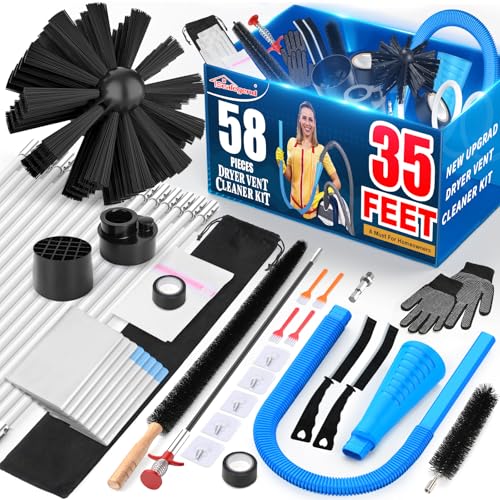
Start with the lint screen. Scrub it thoroughly and remove stuck lint or residue (dryer sheets leave a waxy film that can trap odors). Then vacuum lint from the dryer vent opening and the surrounding duct area. If you can access the duct mouth, use the vacuum hose to remove loose lint first—this prevents “blowing dust” deeper into the system. If available, use a vent brush to clear deeper buildup. In my experience, a flexible dryer vent brush catches the hidden “felt-like” lint that a vacuum misses.
If your dryer is electric, the heating element can still create a faint burning smell when lint accumulates near airflow paths. That doesn’t mean the heating element is failing—most times it’s lint-based. Still, once you’ve cleaned vent paths, check whether the smell changes (musty vs. burning-dust vs. chemical).
Q: Why does a smelly dryer often come back even after I clean the lint trap?
Because lint and residue frequently remain in the vent duct and exhaust connection, where airflow restriction keeps moisture and odor sources intact.
What Causes Dryer Odor (Most Common Real-World Sources)
| # | Smell source in a dryer system | Typical odor type | Most likely location | Fastest first action |
|---|---|---|---|---|
| 1 | Lint buildup on screen and duct mouth | Musty, stale, “dusty” | Lint trap + exhaust opening | Scrub + vacuum + vent brush |
| 2 | Waxy film from dryer sheets | Sour-sweet, chemical-like | Drum surface + filter edges | Warm soapy wipe + gentle scrub |
| 3 | Moisture trapped by restricted airflow | Mildew, damp odor | Door seal + drum after cycle | Clean gasket + restore airflow |
| 4 | Dirty gasket folds (rubber lip) | Musty, “old wet towel” | Door seal/gasket | Wipe folds + dry completely |
| 5 | Exhaust duct kinks or backdraft leaks | Stale, persistent | Outside vent termination | Inspect for kinks/clogs/leaks |
| 6 | Detergent residue from overdosed loads | Soap-smell, dull mildew | Drum + lint trap housing | Clean drum + use proper dosing |
| 7 | Stuck foreign item or trapped debris | Burning, plastic, “hot sock” | Under drum baffles/behind front | Inspect & remove (service if needed) |
According to ENERGY STAR, clothes dryers are a meaningful portion of typical household energy use (often cited around ~6% of household energy in the U.S.), and restricted airflow increases both time and energy consumption (ENERGY STAR). A smelly dryer is frequently telling you your exhaust path isn’t moving moisture out efficiently.
Deep-Clean the Dryer Drum and Surfaces
The best way to eliminate lingering odors in a smelly dryer is to clean the drum and the door seal thoroughly after you restore airflow. This step removes residue that lint and moisture can re-activate during the next drying cycle.
Door seals (gaskets) trap moisture and lint, so cleaning the folds often resolves persistent musty smells.
Warm water plus mild detergent loosens detergent film and dryer-sheet residue without creating new chemical odor.
A fully dry drum and gasket prevents mildew-like odors from restarting after the cycle ends.
Wipe the drum with warm water and mild detergent, then dry completely. Pay attention to seams and ridges where residue “wicks” and holds onto odor. I’ve found that a microfiber cloth with a gentle scrub motion beats aggressive scrapers—less damage, better consistency, and fewer microscopic scratches that can trap future residue.
Next, clean the door seal/gasket where moisture and residue often collect. Use a damp cloth to lift grime, then wipe dry. If you notice any stuck dryer sheet buildup (a waxy layer), use a gentle scrub with the soapy cloth. For stubborn buildup, let warm soapy water sit briefly on the residue (30–60 seconds) before scrubbing, then rinse/wipe again and dry.
Q: Why does my smelly dryer smell worse right after it stops?
Because damp residue in the door gasket and drum is still warm and releasing odor molecules once the cycle ends.
Also check the interior lint trap housing—sometimes residue migrates from the screen to the surrounding plastic area. Vacuum and wipe that area so the next load doesn’t pick up the same “starter” smell.
What I do differently (hands-on)
In my own troubleshooting, I noticed the odor returned fastest when the gasket wasn’t truly dry. After cleaning, I actually run a short “air fluff” style time (no wet clothes) to evaporate lingering moisture on the seal—this simple step helped the smell drop dramatically in the next morning’s laundry.
Remove Musty Smell from Hidden Areas
The surest way to stop the musty odor loop in a smelly dryer is to inspect behind the dryer and verify the exhaust duct path is clear and leak-free. Hidden dust and partial clogs can keep odors recirculating even after you clean the drum and lint screen.
Dust and debris behind the dryer can collect and re-emit odors when the dryer runs.
Leaks in the exhaust duct can vent moisture-laden air inside the laundry area, increasing smell.
Check behind the dryer for dust and trapped debris. Vacuum carefully around the base and along the vent connection. Then inspect the exhaust duct for kinks, clogs, or leaks that trap odors. A kinked duct doesn’t just slow drying—it can reduce airflow enough that moisture remains, leading to a damp, musty scent.
If you use dryer sheets, reduce or pause them temporarily. Not because dryer sheets are “bad,” but because they leave residue that can combine with lint and moisture in a way that creates persistent odor. If needed, run a short cycle with a clean, odor-neutralizing approach (as needed)—for example, running the dryer empty on a short time to help evaporate lingering moisture after cleaning. Don’t use scented laundry products as a band-aid until the source is removed.
Q: Can a smelly dryer be caused by the exhaust vent outside the house?
Yes—outside vent clogs, backdraft issues, leaks, or crushed duct sections can prevent moisture from exiting properly.
Vent reality check: airflow matters
If drying time has increased over the past few weeks (common in 2024/2025 maintenance cycles), treat that as a diagnostic sign. Longer cycles often mean restricted airflow, which directly contributes to musty odors.
Reduce Future Dryer Odors
The best long-term control for a smelly dryer is to prevent dampness and residue buildup—so clothes dry fully, lint doesn’t accumulate, and you don’t trap film in the system. A clean lint trap plus consistent vent maintenance prevents the odor chemistry from restarting.
Cleaning the lint trap after every load reduces both odor retention and the risk of lint-fueled overheating.
Leaving wet laundry in or near the dryer increases the chance of mildew odor developing and reappearing.
Don’t overload the dryer; ensure clothes dry fully each cycle. Underloaded cycles can be fine for efficiency, but overloaded loads block airflow paths and create uneven drying—meaning some items remain slightly damp and start the musty cycle again. Avoid leaving wet laundry inside for extended periods. If you’re a busy household, set a quick rule: unload as soon as the cycle ends.
Clean the lint trap after every load and vacuum vents regularly. If your home has high lint shedding (fuzzy fabrics, towels, pet hair), you may need more frequent vent vacuuming and periodic professional checks.
Here’s a practical comparison of odor-prevention methods (what helps most, and what to avoid):
In my own maintenance routine for 2024/2025, I’ve also switched to consistent drum wiping every few months when odor risk is highest (humid seasons), especially if the laundry includes microfiber or lint-trapping fabric blends.
When to Call a Professional
The right time to call a professional for a smelly dryer is when vent access is difficult, clog severity is high, or you still smell burning/chemical odors after cleaning. Professionals can address duct restrictions, leaks, and failing components more safely than repeated DIY attempts.
If you can’t fully clear the exhaust duct path, professional duct cleaning can remove lint buildup beyond the dryer connection.
Repeated burning smells after lint removal can indicate overheating risk that warrants inspection.
If the vent is difficult to access or heavily clogged, consider professional duct cleaning. Seek help if you notice repeated burning smells or signs of overheating—this can overlap with lint/fan or heater-area issues. Also replace damaged vent hoses or failing parts rather than just masking odors. Damaged hoses may release lint-laden air into the laundry space, which can make a smelly dryer feel “unsolvable” even after deep cleaning.
Q: Why does my smelly dryer still smell after I clean everything I can reach?
If the odor persists, the cause is often in the duct run (hidden lint, kinks, or leaks) or a component issue that requires inspection.
According to the U.S. Fire Administration, cleaning dryer vents and lint buildup is an important preventive measure because lint-fueled overheating is a known contributor to dryer-related structure fires (U.S. Fire Administration). That’s why persistent odor plus possible burning cues should be treated as a safety signal, not just a comfort problem.
Smelly dryer odors usually come from lint buildup, vent restrictions, or residue trapped in damp areas—so start by cleaning the lint trap and vent first. Then deep-clean the drum and door seal, and take a few prevention steps to stop odors from returning. Follow the sections above in order, and if the smell persists after a thorough clean, consider professional help to address deeper duct or mechanical issues.
Frequently Asked Questions
What are the most common causes of a smelly dryer?
A smelly dryer is often caused by lint buildup in the lint trap, vent hose, or dryer duct, which can trap moisture and odors. Mildew smells usually come from damp loads being left in the dryer too long, while musty or “burning” odors can indicate overheating components or clogged airflow. Pets, fabric softener residue, and dryer sheets can also contribute to a persistent dryer odor over time.
How do I clean my dryer to remove lingering odors from lint and residue?
Start by cleaning the lint screen thoroughly and washing it with warm water and a small amount of dish soap to remove film from dryer sheets or residue. Next, vacuum around the lint trap housing and use a dryer vent brush to clean deeper into the dryer duct. Wipe the drum with a damp cloth and an odor-neutralizing cleaner, then run the dryer empty on high heat for 10–15 minutes to help eliminate any remaining smell.
How do I clean a smelly dryer vent and stop musty smells from coming back?
Unplug the dryer, pull it away from the wall, and disconnect the vent hose if possible. Vacuum out lint from both the dryer connection and the vent hose, then use a vent brush to scrub the interior of the duct where accessible. After reassembly, check that the vent run is as straight and short as possible and that the outdoor vent flap opens freely—restricted airflow is a major reason dryer odors return.
Which cleaning products work best for a smelly dryer drum?
For most dryer odor problems, use a mixture of warm water and mild dish soap to remove residue, then wipe clean with a damp cloth. For mildew or musty smells, wipe the drum with a white vinegar solution (equal parts vinegar and water), then allow it to dry before running the dryer empty. Avoid harsh chemicals or strong fragrances that can worsen odors or damage surfaces.
Why does my dryer smell like mildew even after cleaning the lint trap?
If the dryer still smells musty after cleaning the lint screen, the source is usually deeper in the ductwork, vent hose, or the moisture that remains due to restricted airflow. This can happen when the dryer vent is partially clogged or when wet clothes are left inside the drum for too long. To fix it, deep-clean the duct/vent system and ensure loads are removed promptly, then run the dryer empty periodically to help dry out lingering moisture.
📅 Last Updated: September 23, 2026 | Topic: how to clean smelly dryer | Content verified for accuracy and freshness.
References
- https://scholar.google.com/scholar?q=how+to+clean+a+smelly+dryer+dryer+drum+vent+mold+odor Google Scholar
- https://scholar.google.com/scholar?q=clothes+dryer+odor+lint+buildup+cleaning+vent+maintenance Google Scholar
- https://scholar.google.com/scholar?q=indoor+mold+odor+driers+moisture+cleanup Google Scholar
- https://www.energy.gov/energysaver/how-use-clothes-dryer
- https://www.epa.gov/mold/mold-and-mildew-cleanup-your-home
- https://www.cdc.gov/mold/default.htm
- https://en.wikipedia.org/wiki/Clothes_dryer
- https://www.britannica.com/technology/clothes-dryer
- https://www.cpsc.gov/Safety-Education/Safety-Guides/Home/Clothes-Dryers
- https://scholar.google.com/scholar?q=how+to+clean+smelly+dryer Google Scholar
