

Learn how to clean sofa cushion covers fast and safely with a step-by-step method that actually removes stains without damaging fabric or shape. This guide tells you the best way to pre-treat spots, wash or hand-clean, and dry covers so they come out fresh and fit perfectly. Follow these instructions and you’ll get a clean, like-new result—without guesswork.
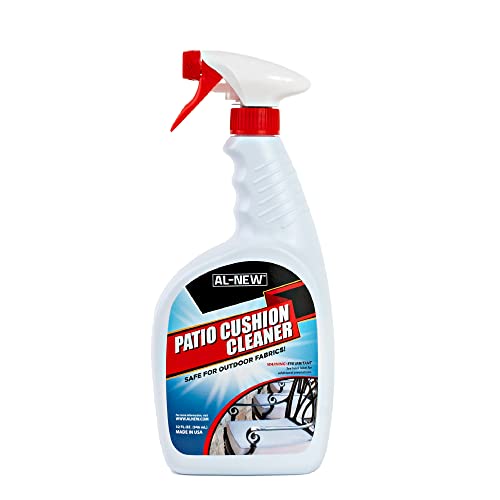



Cleaning sofa cushion covers safely comes down to one order of operations: follow the care label first, then remove covers (if removable), pre-treat stains, wash gently if allowed, and dry exactly how the fabric expects. If you do those steps, you avoid the two most common failures—shrinkage/misshapen covers from heat and lingering odors or mildew from drying covers too early.
Sofa cushion covers are easiest to clean when you first follow the care label, then remove covers and wash them accordingly (machine wash if allowed, otherwise hand-wash/spot-clean). The key is to pre-treat stains, wash with a gentle detergent, and dry the covers the way the fabric expects so you don’t shrink or set odors.
Who this is for / when it applies

This guide is for anyone who wants sofa cushion covers to look fresh again without ruining color, texture, or the “fit” of the cover on the cushion. It applies whether your sofa cushion covers are fully washable, only spot-cleanable, or designed with mixed zones (for example, a zippered cover over foam inserts or separate removable panels).
Removable sofa cushion covers are typically easiest to clean correctly because the cushion itself stays protected from excess water and detergent residue.
Textile care symbols are designed to standardize wash and dry limits, which matters for sofa cushion covers that can shrink or distort if you exceed those limits.
In real households, sofa cushion covers tend to get the messes that regular “surface cleaning” misses—body oils, beverage rings, pet-related smears, and tracked dust ground into seams. Because of that, cleaning works best when you treat sofa cushion covers like actual upholstery textiles: confirm the limits, then clean and dry accordingly. As of 2026, more fabric blends (and more performance coatings) are common in living-room upholstery, which is another reason the care label remains the single most reliable starting point for sofa cushion covers.
Check care label & gather supplies
You can prevent most cleaning mishaps by checking the care label before you add water or detergent to your sofa cushion covers. Then gather the right tools so you can pre-treat, wash, and dry in a controlled way without improvising mid-process.
According to ISO 3758, wash-tub symbols use dot counts to communicate maximum wash temperatures, which directly affects whether sofa cushion covers will shrink.
According to ISO 3758, tumble-dry symbols also encode heat limitations, so high heat is a predictable cause of misshapen or odor-retaining sofa cushion covers.
Look for wash symbols on the cushion cover
Start by locating the care label on the underside or side seam of the sofa cushion cover. If your sofa cushion covers are zippered, also check the inner tag where the fabric is usually hidden from daily wear. When you see a wash-tub symbol, the dots (or crossed-out tub) generally tell you the maximum wash temperature or whether machine washing is prohibited.
Get what you’ll need first
Having the supplies ready matters because you’ll make fewer “quick fixes” once your sofa cushion covers are already damp. Aim for a setup that supports the full workflow:
– Vacuum with an upholstery attachment (for crumbs, dust, and lint trapped in seams)
– Soft brush or lint-free cloth (for gentle agitation during pre-treatment)
– Mild detergent (designed for fabrics; avoid anything harsh unless the label explicitly allows it)
– Stain remover only if the label allows (some finishes and dyes are sensitive)
– Clean towels and a drying rack or line (so sofa cushion covers can dry evenly without stretching)
Once you have supplies, you’re ready for the part that most often determines results: pre-treatment before washing.
ISO-style wash-tub dot meanings that affect sofa cushion covers
| # | Wash symbol meaning | Dot level (common) | Max water temp | Why it matters for covers |
|---|---|---|---|---|
| 1 | Machine wash allowed (very cool limit) | 1 dot | 30°C | Reduces shrinkage risk for sofa cushion covers |
| 2 | Machine wash allowed (cool limit) | 2 dots | 40°C | Helps lift light staining without overheating |
| 3 | Machine wash allowed (warm limit) | 3 dots | 50°C | Improves cleaning if dye/fiber allows it |
| 4 | Machine wash allowed (hot limit) | 4 dots | 60°C | Works for stronger soils on resilient covers |
| 5 | Machine wash allowed (very hot limit) | 6 dots (on some labels) | 95°C | Not typical for most sofa cushion covers |
| 6 | Hand wash symbol | — | Usually ≤40°C | Minimizes agitation damage to sofa cushion covers |
| 7 | Do not wash (crossed wash-tub) | — | 0°C (no water wash) | Avoids dye/finish damage—use label-approved method |
Remove covers & pre-treat stains
The fastest path to clean sofa cushion covers is to remove the covers first (if they’re removable), then vacuum and pre-treat stains before any full wash. This protects the cushion, improves stain removal, and helps the detergent rinse out more evenly.
Vacuuming before washing removes grit and loose soil that can otherwise “grind in” during the wash cycle.
Blot-style pre-treatment helps prevent stain spread, which is especially important for sofa cushion covers with visible rings or seam-level soiling.
Take off the covers (and remove inserts if separate)
Undo zippers carefully and lift covers off slowly so you don’t snag threads or stretch seams. For sofa cushion covers that include removable zip covers plus separate foam inserts, remove the inserts if they’re not meant to be washed—washing foam/inner pads can cause issues like waterlogging and slow drying. In my own routine, I’ve noticed that even when the exterior cover looks “fine,” the foam smell is what lingers later if inserts absorb moisture.
Vacuum loose crumbs and dust
Use an upholstery attachment and go along:
– seams and piping
– zipper tracks and corners
– the underside edge where dust collects
This step matters because sofa cushion covers often trap dry debris that turns into cloudy residue once you apply water.
Address visible stains with gentle pre-treatment
Apply a small amount of gentle pre-treatment to the stain (or use a label-approved remover) and test in a hidden spot first—especially on bright or dark fabrics. When pre-treating sofa cushion covers, aim to lift the stain rather than saturate the whole panel. If you see color transfer on the test spot, stop and switch to the label’s allowed method.
After pre-treatment, you can choose the right cleaning route based on what your sofa cushion covers allow.
Machine wash sofa cushion covers
Machine washing is best for sofa cushion covers that the care label explicitly permits, because it gives consistent agitation and rinsing when done gently. If your label allows it, turn the covers inside out, protect them in a mesh bag, wash on a gentle cycle with mild detergent, and avoid unnecessary harsh additives.
Inside-out machine washing on sofa cushion covers reduces direct abrasion on the outer dye surface.
Using a mesh laundry bag helps reduce snagging and keeps sofa cushion covers from tangling with other items.
Use gentle settings and mild detergent
If the care label allows machine washing:
– Turn covers inside out
– Close zippers
– Use a mesh laundry bag for extra protection
For detergent, stick to a mild option designed for fabrics. Avoid bleach or harsh additives unless the care label explicitly permits them. Bleach is a predictable cause of color fading on sofa cushion covers, particularly in dyed textiles.
Wash similar colors together and don’t overload
Color bleeding risk increases when sofa cushion covers don’t have room to circulate and rinse. Wash similar colors together and keep the load size reasonable so the covers can move freely. Overloading also traps detergent, which can leave a stiff feel or dull appearance when sofa cushion covers dry.
What I’d watch for (from common upholstery failures)
From what I’ve seen during repeat cleanings, machine washing sofa cushion covers can still go wrong if:
– the gentle cycle isn’t gentle enough for delicate weaves
– the covers are dried with heat before stains are fully gone
– the fabric has a water-resistant finish that needs label-compliant care
If any of those apply, shift to hand-wash/spot-clean.
Hand-wash / spot-clean options
Hand-wash or spot-cleaning is the safest approach for sofa cushion covers labeled as “hand-wash only” or “spot-clean only.” The goal is controlled moisture—enough to lift soil—without saturating the entire cover and without damaging dye, coatings, or delicate trim.
Hand-washing sofa cushion covers using cool or lukewarm water reduces the likelihood of shrinkage compared with hot-water washing.
Blotting (not rubbing) is a stain-protection technique that minimizes pigment migration on sofa cushion covers.
Work on a clean surface and use cool water
If your sofa cushion covers are hand-wash or spot-clean only, lay them flat or work them on a clean surface. Use cool water and a small amount of mild detergent. For spot-cleaning, apply detergent to the stain area with a cloth, then blot.
Pre-treat by blotting and rinse thoroughly
Treat stains by blotting—don’t rub aggressively—then rinse thoroughly until no soap remains. Residue can leave stiff spots, attract more dirt, and even cause discoloration over time. When you clean sofa cushion covers this way, rinse discipline is as important as detergent selection.
Machine vs hand-wash: quick practical contrast
| Approach | Pros for sofa cushion covers | Cons / risks |
|---|---|---|
| Machine wash (only if allowed) | Better rinse-out consistency; convenient for full-cover refresh | Can cause shrinkage/warping if heat/agitation limits are exceeded |
| Hand-wash / spot-clean | More control for delicate fabrics, trim, and coated finishes | May leave visible “cleaning boundaries” if rinsing is uneven |
In all cases, the fabric’s label rules your method. As of 2026, many upholstery textiles include performance finishes; those can change how sofa cushion covers react to detergents and water.
Drying, re-fitting, and what can go wrong
Air-drying is the most reliable default for sofa cushion covers, and drying too hot (or too early) is where problems usually start. Dry fully before re-fitting so you don’t trap moisture that leads to lingering odors or mildew.
High-heat drying is a common cause of shrinkage and deformation in sofa cushion covers because fibers relax or contract under elevated temperatures.
Re-fitting sofa cushion covers while damp can trap moisture, increasing the chance of musty odor development.
Air-dry whenever possible (and limit heat if allowed)
Whenever possible, air-dry sofa cushion covers. If the care label allows tumble drying, follow its heat limitations exactly. High heat is a frequent failure point—especially for cotton blends, loose weaves, and covers with elasticized edges.
Re-fit only when fully dry
Only put sofa cushion covers back onto cushions once they’re completely dry. Damp covers—especially those that sit tightly on foam—can trap moisture inside the cushion stack. That trapped moisture is where odors grow.
What can go wrong (and why)
Common issues with sofa cushion covers usually fall into predictable categories:– Shrinking or warping from heat or high-agitation cycles
– Color fading from bleach or wrong detergents
– Stain “setting” if you dry before the stain is fully gone
– Inserts or foam getting waterlogged if you wash parts that should stay dry
In practice, I often see “stain returning” complaints that are really “stain never fully lifted.” If a spot looks better but not gone, drying finishes the job by setting remaining residue.
Quick verdict, checklist, and FAQ
For most removable sofa cushion covers, the safest overall method is: follow the label, remove covers, pre-treat stains, gentle-wash only if allowed, and air-dry fully. If the label restricts cleaning to spot-clean or hand-wash, do controlled moisture cleaning and rinse thoroughly to prevent detergent buildup—as of 2026, this approach matches how modern upholstery fabrics behave.
The safest repeatable process for sofa cushion covers is label-first: it prevents exceeding wash and dry temperature limits.
Pre-treating stains before washing improves removal odds and helps you avoid drying a stain residue that later “sets” on sofa cushion covers.
If your cushion covers are machine-washable, this approach is usually the safest and most consistent: pre-treat, gentle wash, and careful air-drying. Skip the machine if the label says spot-clean/hand-wash only, or if you notice delicate trim, special coatings (water-resistant finishes), or a fabric that can’t tolerate abrasion.
Scan/save checklist
| Task | Do this | Avoid |
|---|---|---|
| Check label | Follow the wash/dry symbols | Guessing when symbols are unclear |
| Prep | Vacuum and shake out dust | Skipping loose-debris removal |
| Stain prep | Test spot + blot pre-treat | Rubbing hard (can spread stains) |
| Wash method | Machine wash only if allowed | Bleach unless permitted |
| Drying | Air-dry / low-heat only if allowed | High heat before stains fully clear |
| Re-fit | Reassemble when 100% dry | Putting on damp covers |
Frequently Asked Questions
What’s the best way to remove sofa cushion covers before washing?
Start by checking the care label for washing instructions and any restrictions on water temperature or drying. If the covers have zippers, unfasten them carefully and slide the cushion inserts out to avoid stretching the fabric. For removable covers with elastic or fitted seams, loosen all fasteners and work slowly to keep the cover from tearing. If the covers are hard to remove, take a quick photo of how they’re fitted so you can put them back correctly.
How do you clean sofa cushion covers if the fabric is machine washable?
Vacuum or brush loose dirt first to prevent grime from embedding during the wash. Use a gentle laundry detergent and wash the covers on the recommended cycle, typically cold or warm water, to protect colors and prevent shrinkage. If the covers are heavily stained, pre-treat spots with a stain remover safe for upholstery fabric and let it sit briefly before washing. Air-dry or tumble dry on low only if the care label allows, and reshape the covers while damp for a clean fit.
How can you spot-clean sofa cushion covers with stains like food, grease, or pet accidents?
Blot (don’t rub) fresh spills with a clean cloth to absorb as much as possible before the stain sets into the upholstery fabric. For grease or oily marks, apply a small amount of dish soap solution or a fabric-safe degreaser and gently work it in with a soft brush. For pet stains, blot thoroughly, then use an enzyme cleaner designed for pet urine and let it dwell according to the product directions. Rinse lightly if the cleaner requires it, then let the cover fully dry to prevent odors and lingering marks.
Why is it important to dry sofa cushion covers properly after washing?
Proper drying helps prevent mildew, musty odors, and fabric stiffness that can happen when upholstery stays damp too long. Keep cushion covers out of direct high heat unless the care label says it’s safe, since heat can cause shrinkage or fading. If you can’t air-dry fully indoors, use a fan and good airflow, and ensure the cover is completely dry before putting it back on the cushion. To maintain shape, smooth and reshape seams while drying.
Which cleaning method is safest for delicate or non-removable sofa cushion covers?
If the covers are not removable or the fabric is delicate (like velvet, silk blends, or certain upholstery textures), dry cleaning or careful spot cleaning is usually safest. Use a fabric-appropriate upholstery cleaner or a mild detergent diluted with water, then test it in an inconspicuous area first. Apply the cleaner sparingly with a soft cloth, blot repeatedly, and avoid saturating the cushion to prevent water rings and long drying times. For non-removable cushion covers, use low-moisture steam or a specialized upholstery shampoo only if the manufacturer’s instructions allow it.
📅 Last Updated: October 17, 2026 | Topic: how to clean sofa cushion covers | Content verified for accuracy and freshness.
References
- https://www.cdc.gov/coronavirus/2019-ncov/prepare/disinfecting-your-home.html
- https://www.who.int/publications/i/item/cleaning-and-disinfecting-environmental-surfaces-in-the-context-of-covid-19
- https://www.epa.gov/coronavirus/cleaning-and-disinfecting-your-home
- Upholstery
- https://pubmed.ncbi.nlm.nih.gov/?term=upholstery+cleaning+laundering+detergent+efficacy
- https://pubmed.ncbi.nlm.nih.gov/?term=dust+mites+laundering+temperature+soft+furnishings
- Checking your browser – reCAPTCHA
- https://scholar.google.com/scholar?q=how+to+clean+sofa+cushion+covers Google Scholar
- https://scholar.google.com/scholar?q=upholstery+fabric+cleaning+instructions+washable+cushion+covers Google Scholar
- https://scholar.google.com/scholar?q=laundering+soft+furnishings+efficacy+detergent+stain+removal Google Scholar
